
How 3D Pool Design Prevents Construction Mistakes
 JC Escudero: Sep 23, 2026
Planning a custom pool involves dozens of decisions about shape, depth, materials, and features. Get one wrong, and you could face expensive rework...
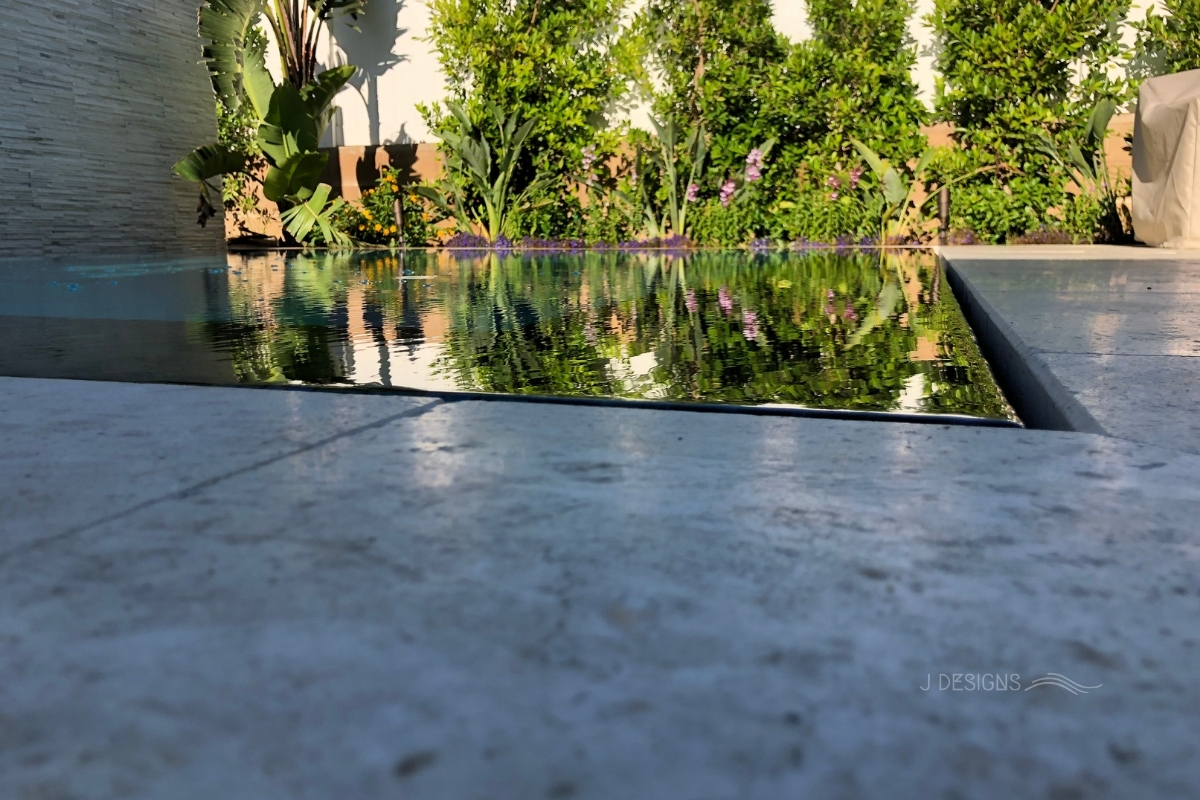
Have you ever seen a pool that looks like a mirror?
Water blends seamlessly into the edge, perfectly level with the deck, flowing evenly in every direction. No tiles sticking up. No coping. Just a clean, endless surface. These stunning installations are called perimeter overflow pools, and they’re far more than a beautiful aesthetic.
But here’s what most people don’t know: behind that serene surface is one of the most complex pool systems you can build.
If you’re considering a perimeter overflow pool, you’re in the right place. This article explains exactly how they work, what they cost, the key engineering elements, and the most common mistakes that can sabotage the entire design. We’ll also help you decide whether this pool style is right for your project, and what to watch for when choosing a contractor.
.jpg?width=2048&height=1536&name=Untitled%20(1).jpg)
A perimeter overflow pool (also called a rim‑flow, slot‑overflow, or wet‑edge pool) is designed so that water continuously overflows every edge of the pool into a concealed gutter or slot. The water then travels to a collector tank (or surge tank), where it is filtered and pumped back into the main body.
This design creates the effect of a still, perfectly level surface, like a reflective mirror.
Both can create dramatic visuals, but require different engineering approaches.
Infinity edge pools typically overflow on one side only, often toward a scenic view. In contrast, perimeter overflow pools overflow on all four sides, making the effect much more immersive and more demanding from an engineering perspective.
.jpg?width=700&height=525&name=shotcrete%20overflow%20perimeter%20spa%20(1).jpg)
To achieve a consistent flow around all four edges, the perimeter must be built with extremely tight level tolerances, often within 1/32 of an inch or less. Even slight deviations cause uneven water distribution, disrupting the mirror effect and overworking the system.
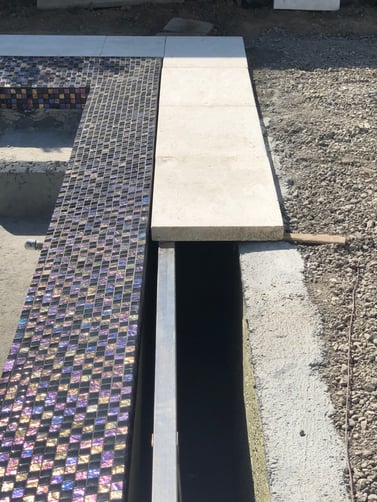
Cutting corners can cost more later in repairs or redesigns.
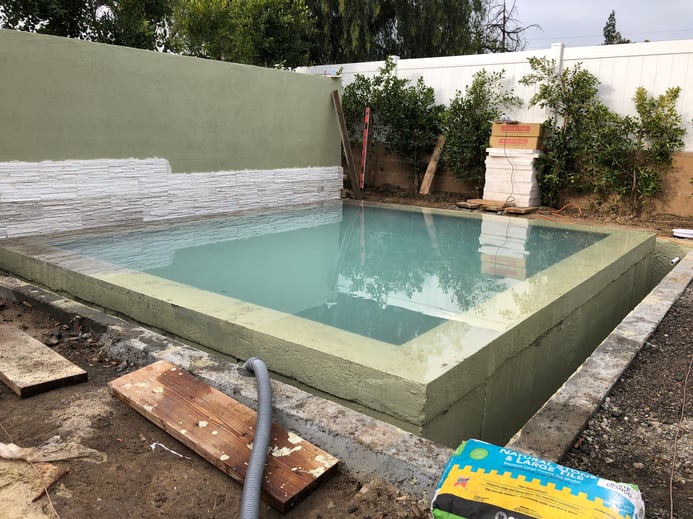
Use high‑quality membrane systems, and verify all edge transitions. Subtle leaks can be catastrophic over time.
Why Material Selection & Waterproofing Can Make or Break a Perimeter Overflow Pool
The precision required at the pool’s perimeter means you cannot use materials as an afterthought. Every material, turf, porcelain, concrete, or natural stone, comes with its own thickness, tolerance, and installation limitations. If chosen too late or inconsistently, they will throw off the edge alignment and ruin the mirror‑like effect.
If the perimeter is even less then ¼ inch off in a few spots, the water will overflow unevenly, and no installer can “fix” that visually later.
Materials that are too thin may also crack easily
Many perimeter overflow systems fail due to tank or channel leakage, often caused by:
Select reinforced membranes, EPDM or PVC systems that explicitly list swimming pool/wet‑edge applications
Once hardscape materials are in place, it’s too late to correct the system elevations, especially across the entire 360° edge of the pool.
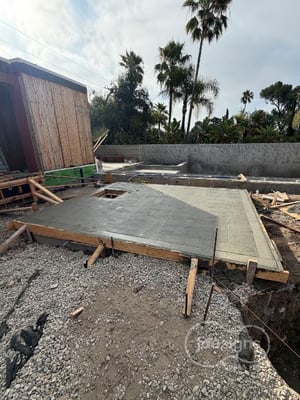
Without a check valve or air‑gap system, the pool can drain into the collector tank when the pump stops. This causes water loss, chemical imbalances, and stresses plumbing systems that are not designed for it.
This system relies on perfect edge leveling. Even slight variations cause uneven flow, ruining the mirror effect. Aim for tolerances within 1/32 inch or less.
The surge tank must hold displaced water plus additional volume from rain or splash‑out. Undersized tanks or improperly sloped gutters cause overflow, flooding, and pump issues.
Gravity‑fed return lines need oversized pipe diameters and proper venting. Pipes that are too small or run vertically create gurgling, flow restriction, and vacuum lock.
The large surface area and constant movement of water significantly increase evaporation. This also accelerates chemical loss and requires more frequent rebalancing. A chemical automation system is highly recommended.
Decks not sloped toward the perimeter slot can allow water to puddle or run into landscaping or even building foundations. Slippery surfaces and erosion can follow.
With no skimmers, debris heads directly to the gutter or slot. Improper slot sizing or inaccessible grates make cleaning difficult. Gutters must also be cleaned regularly to avoid clogging and bacterial buildup.
Any edge imperfection will ruin the visual effect. Using lower‑end materials or hiring inexperienced installers can cause warping, discoloration, or leakage.
Perimeter overflow pools are visually stunning, but only if the technical foundation behind them is sound. The extra cost is not just for show; it’s required to maintain functionality and safety.
Don’t let poor planning or shortcut work undermine your investment.
Read Infinity Pools vs. Perimeter Overflow Pools: Which Is Right for You?
And schedule a design consultation with our experts.

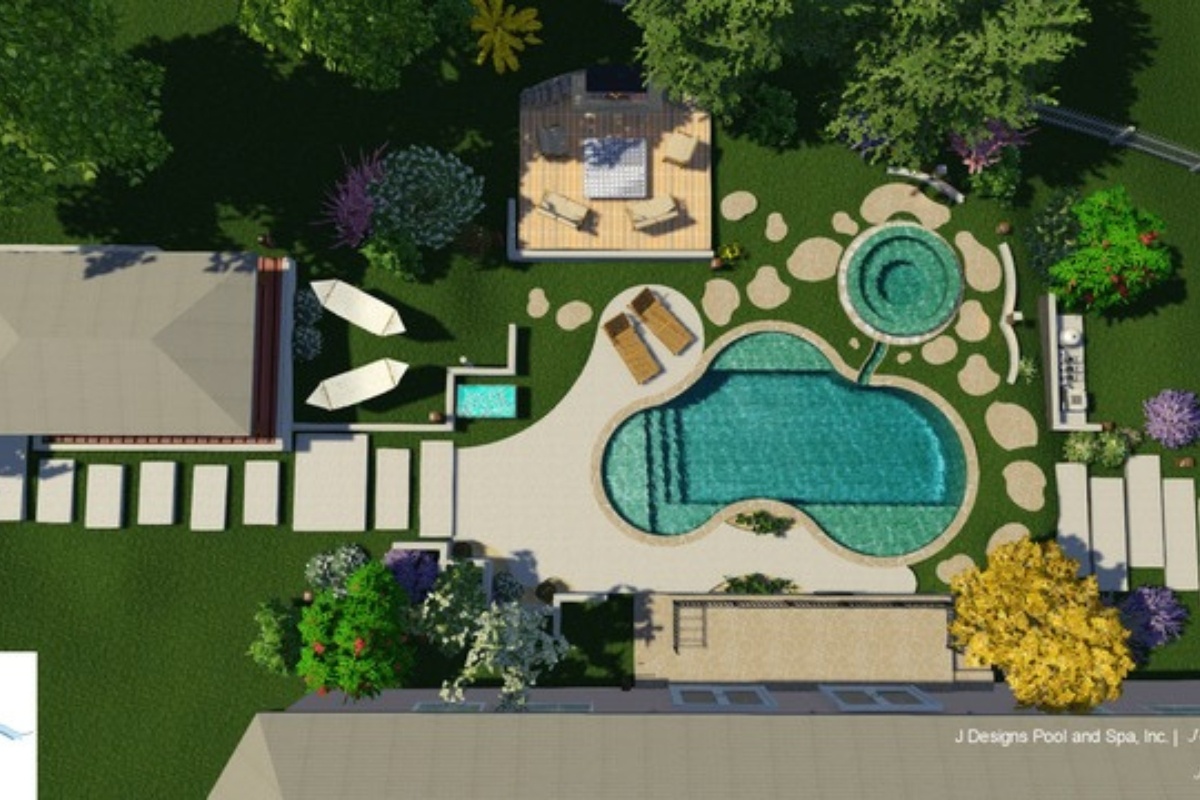 JC Escudero: Sep 23, 2026
Planning a custom pool involves dozens of decisions about shape, depth, materials, and features. Get one wrong, and you could face expensive rework...
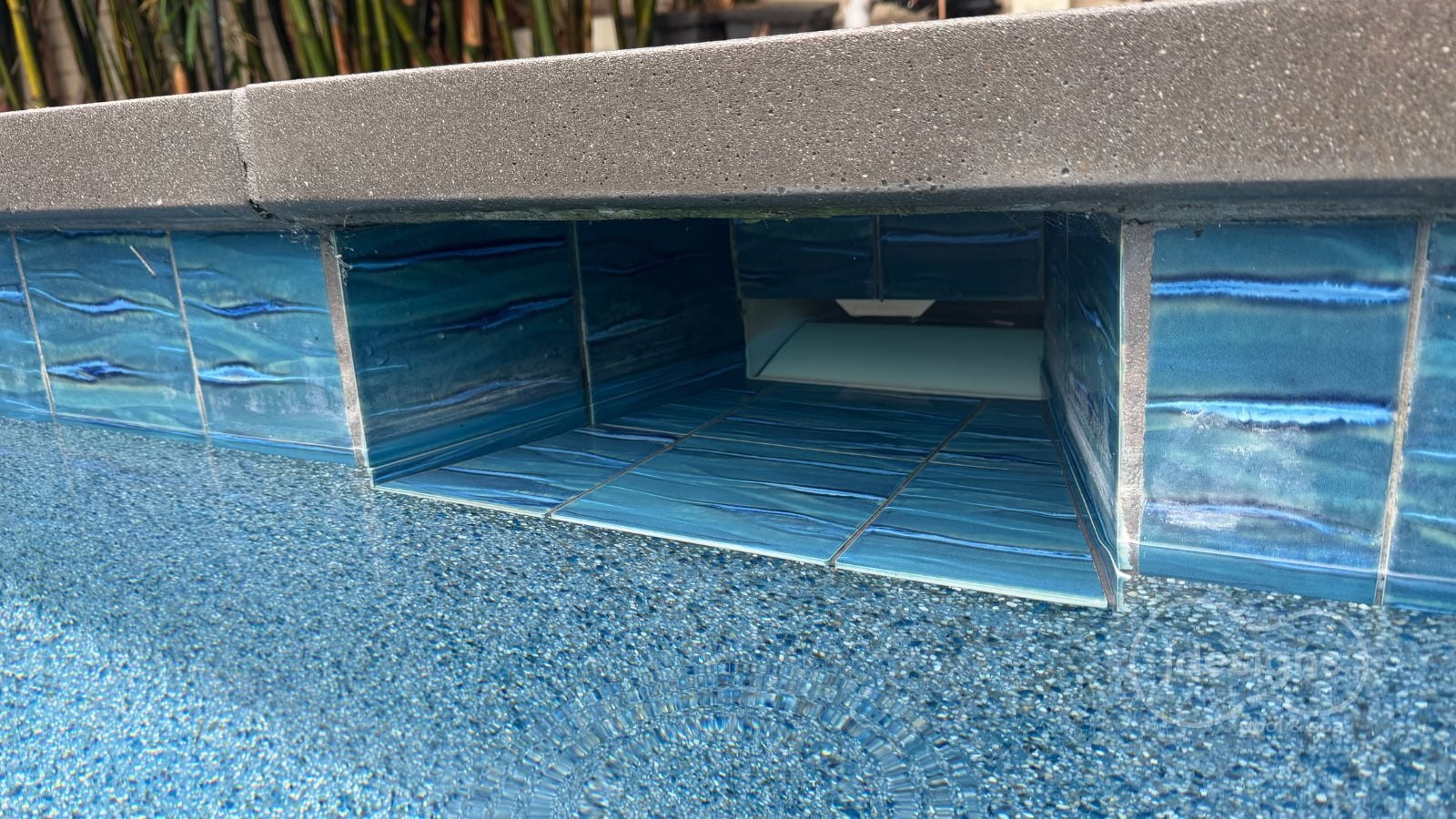 JC Escudero: Sep 19, 2026
Your pool's circulation doesn't simply begin at the pump.
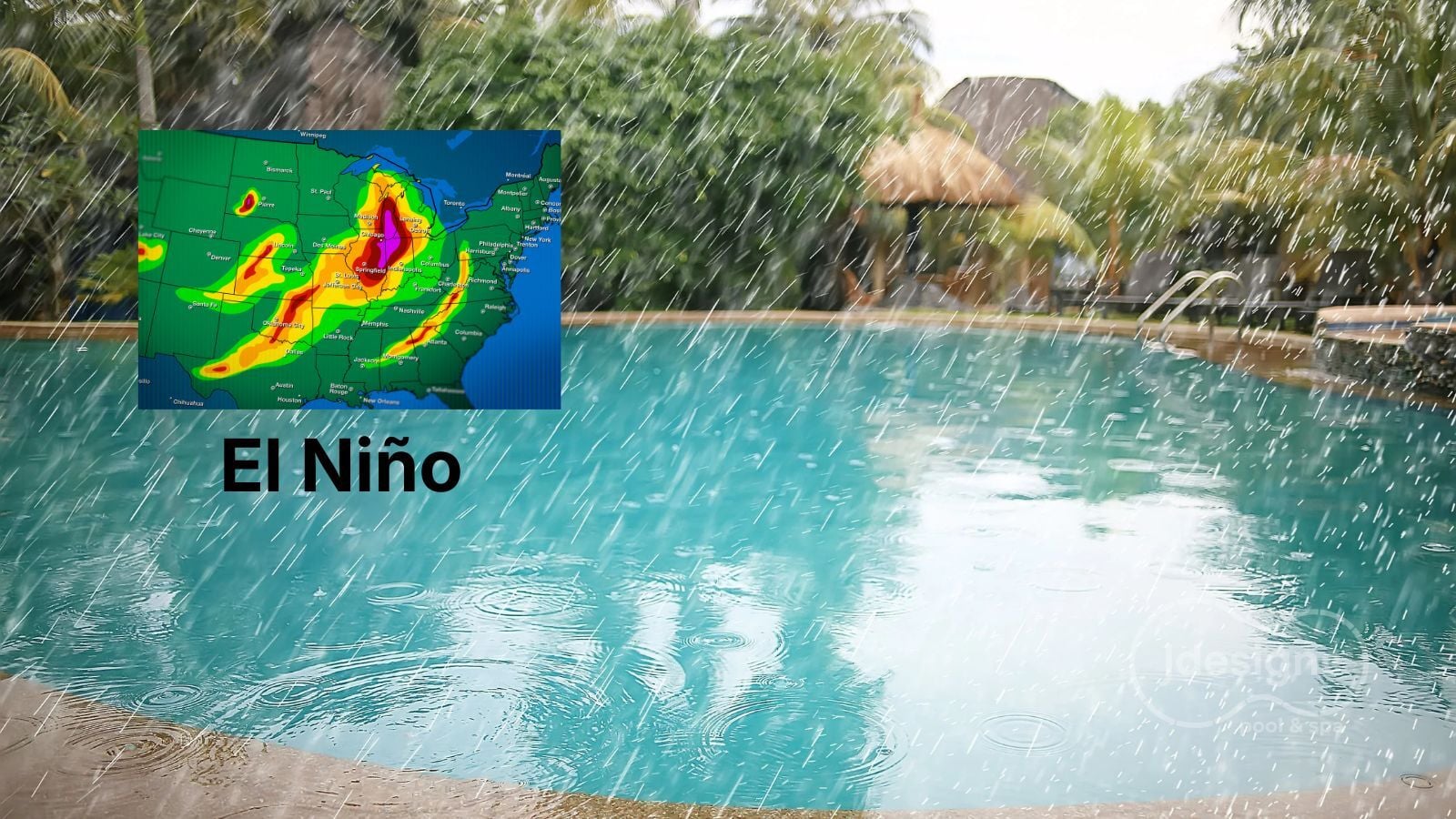
After heavy rain, don't automatically shock your pool or add chemicals. Test the water first.
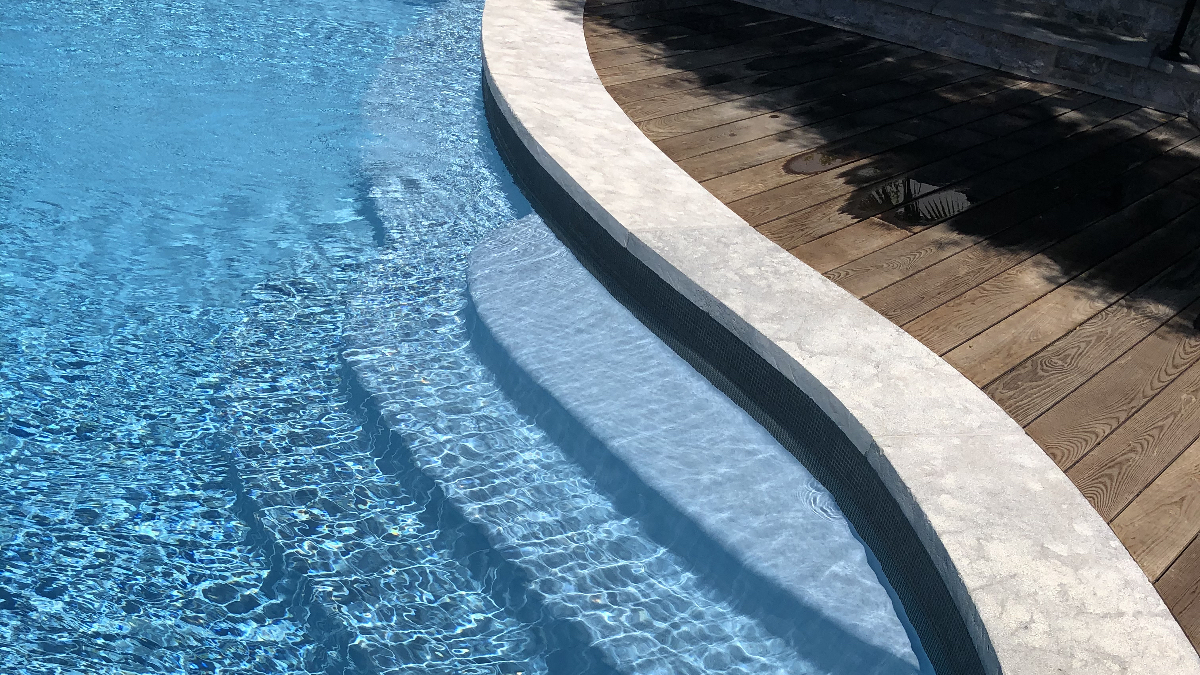 JC Escudero : Dec 17, 2025
What is pool coping, and which materials last longest? Learn the best options, what to avoid, TCNA installation standards, waterproofing steps, LA...
 JC Escudero : Oct 30, 2025
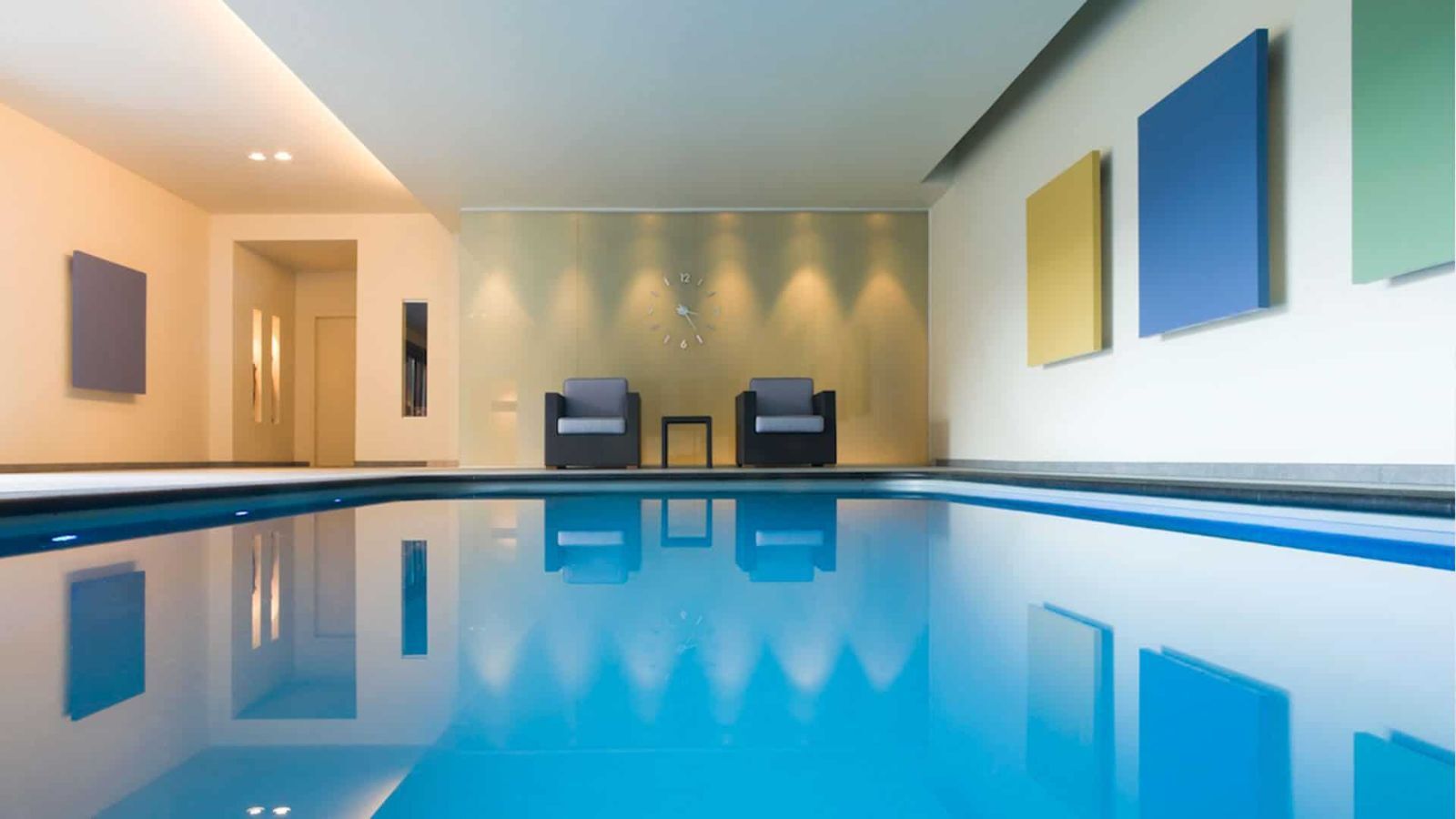
Discover how to design the best indoor pool for your home. Learn about costs, HVAC, waterproofing, and key tips to create a beautiful,...
 JC Escudero : May 10, 2025
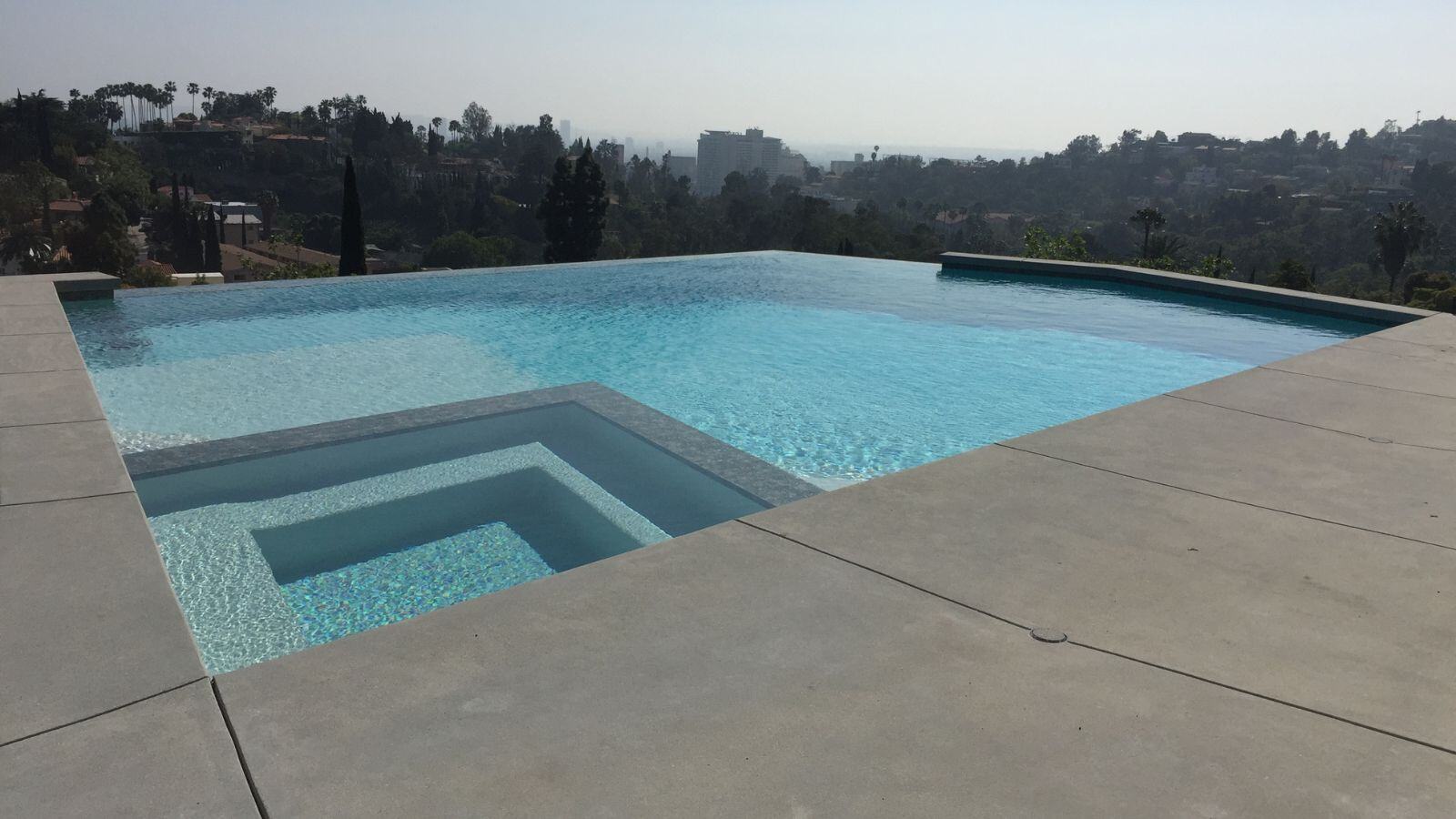
Discover the role of caissons in pool excavation. Learn how they stabilize the foundation and enhance pool stability. Dive into this comprehensive...