
 Daniela Escudero
How 3D Pool Design Prevents Construction Mistakes
 JC Escudero: Sep 23, 2026
Planning a custom pool involves dozens of decisions about shape, depth, materials, and features. Get one wrong, and you could face expensive rework...
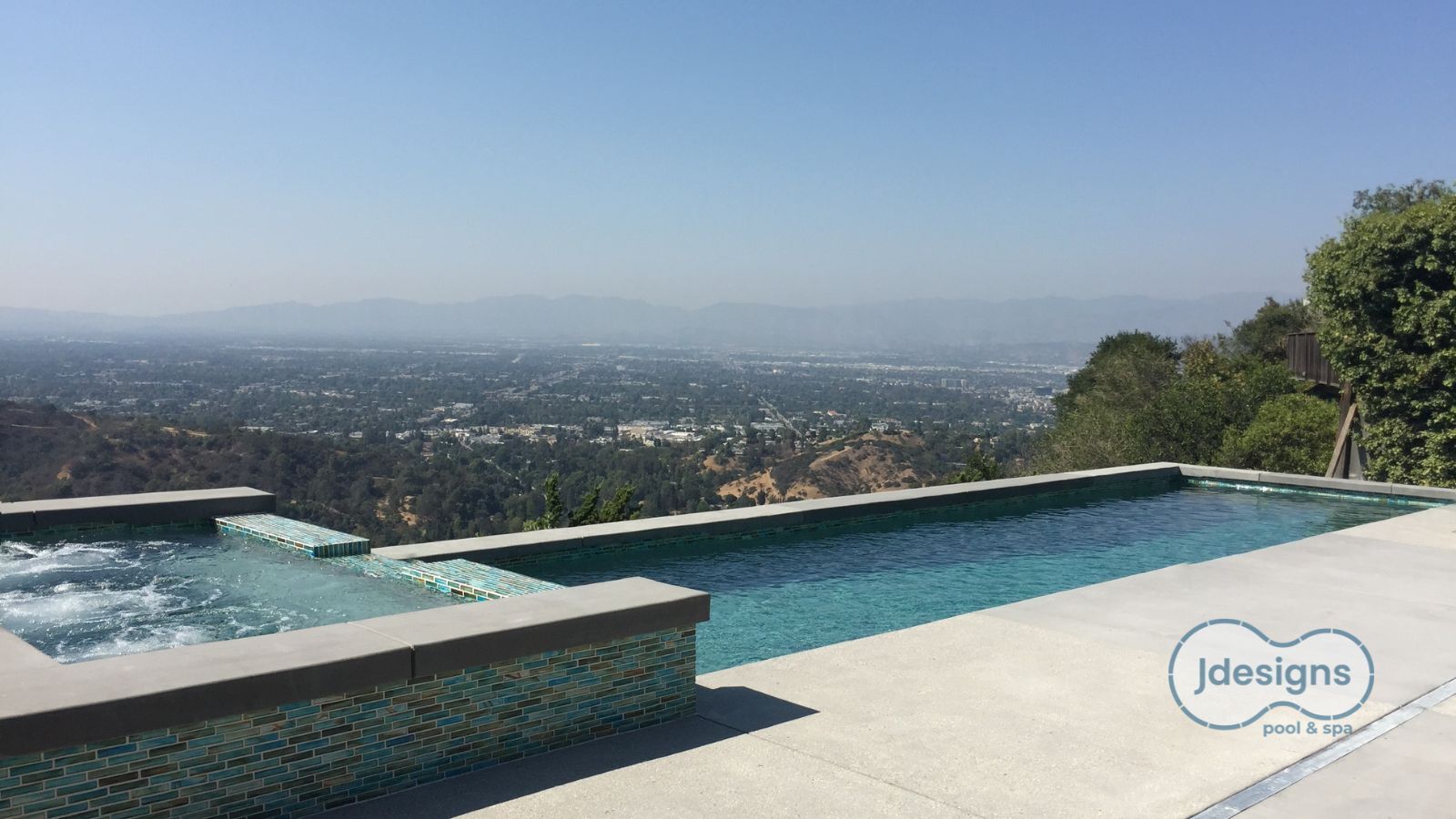
A swimming pool is one of the most impactful upgrades a homeowner can make to an outdoor living space in Los Angeles. With the region’s mild climate and strong emphasis on outdoor living, many homeowners begin researching what it takes to design and build a custom pool that fits both their property and their lifestyle.
Before construction begins, most homeowners have important questions about cost, permits, timelines, design options, and choosing the right builder. These are often the same questions people research before scheduling a consultation, especially when they want to avoid costly mistakes and plan with confidence.
From Calabasas to Pasadena, homeowners across Los Angeles often start by comparing pricing and understanding what affects the overall investment before moving into the design process. In this guide, we’ll walk through 10 of the most common questions homeowners ask before building a swimming pool in Los Angeles so you can move forward with greater clarity and confidence.
The cost to build a swimming pool in Los Angeles typically ranges from $80,000 to $ 150,000 for a standard inground pool, while more customized pools with features like spas, Baja shelves, water features, or automation systems can range from $150,000 to $300,000 or more. The final cost depends on factors such as pool size, design complexity, selected materials, and the property's specific conditions.
Because a pool is a significant investment, many homeowners begin by comparing pricing options to plan with greater clarity and confidence. Construction Financing Services are also available to help you better understand budget options and plan more confidently.
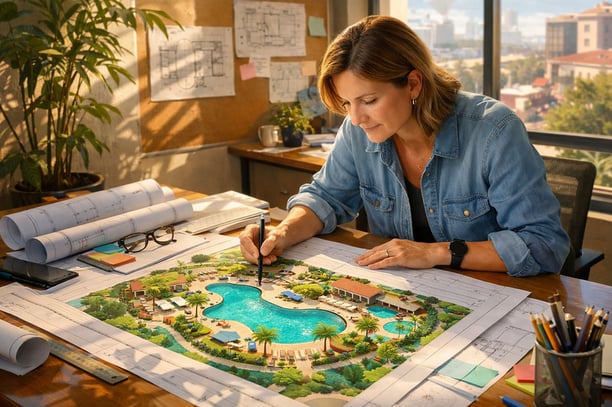
Several elements can influence the overall investment:
Pool size and depth - Design complexity - Backyard access
- Soil and site conditions - Pool features and finishes
Because every project is unique, many homeowners find it helpful to review pricing ranges before starting the Design Process. Our free Pool Pricing Estimator allows homeowners to experiment with different pool shapes and features to better understand how design choices can influence overall project cost.

Yes. Swimming pools require permits before construction can begin in Los Angeles. Permits help ensure the pool meets structural, safety, and electrical requirements while reducing the risk of fines or issues caused by unpermitted work.
Permit approval typically takes 4–8 weeks, depending on the complexity of the project or property conditions.
Building a swimming pool in Los Angeles typically takes three to five months from design to completion. Here is a roadmap describing the Construction Process.
.jpg?width=640&height=480&name=preventing_construction_delays_construction_roadmap%20(1).jpg)
Design and Planning: 2–4+ weeks
Permits and Engineering: 4–8+ weeks
Construction: 8–12+ weeks
Pro Tip: Factors such as hillside properties, limited backyard access, or complex design features can extend the timeline.
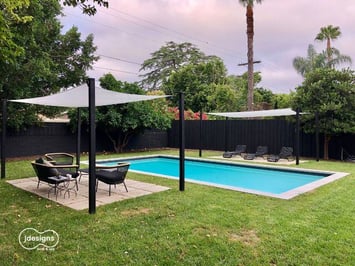
Homeowners in Los Angeles typically choose between concrete (gunite) and fiberglass pools. Each option has advantages, and the best choice often depends on your design goals, budget, timeline, and backyard layout.
Concrete pools are built on-site, which allows for greater flexibility in shape, size, and depth. They are often the better choice for custom designs, unique properties, and homeowners who want a pool tailored to their space.
Fiberglass pools are pre-manufactured shells that are installed in the ground. They can often be installed more quickly, but they come in more limited shapes and sizes, which may not work as well for every backyard.
Pro Tip: Which pool type lasts longest? Concrete pools typically last the longest because they are built on-site and can be renovated over time a fiberglass pool has to be removed and replaced more often then concrete.
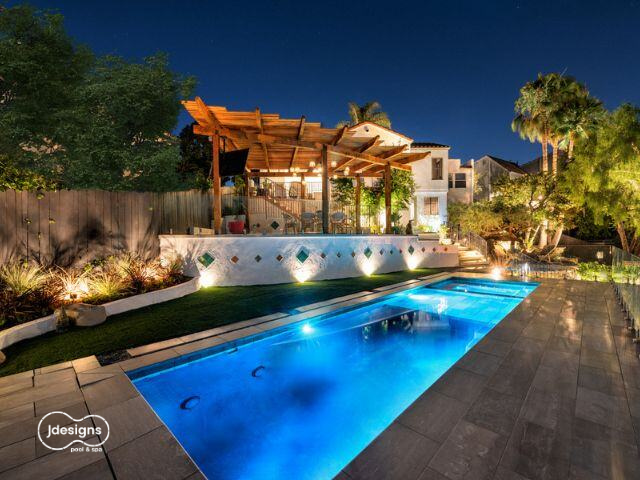
In many neighborhoods across Los Angeles, a well-designed pool can make a home more attractive to buyers and enhance the property’s overall appeal. In the right setting, a custom pool can contribute meaningful value by transforming the backyard into a complete outdoor living environment that supports recreation, relaxation, entertaining, and wellness.
That said, a pool does not automatically increase resale value in every situation. Its impact often depends on how well the design fits the property, the neighborhood, and the expectations of local buyers. In higher-end communities, thoughtfully designed pools and integrated outdoor living spaces are often viewed as valuable lifestyle assets, especially when they feature premium materials, strong architectural cohesion, and elements that enhance the quality of daily living.
Today, this matters even more because the cost of materials, labor, engineering, and construction has continued to rise. For homeowners planning a new pool, smart design and quality construction are especially important. A poorly planned or cheaply executed project may not deliver the same long-term benefits, while a well-built pool designed for durability, efficiency, and visual impact can better preserve value over time and offer a significant return on investment.
Several factors typically influence whether a pool adds value to a Los Angeles home:
Neighborhood expectations – In some communities, a pool is considered a highly desirable feature, while in others it may be less important to buyers, but who does not like to float on the weekends in the comfort of their own home?
Backyard size and layout – A pool should feel proportionate to the property and still leave room for functional outdoor living areas.
Pool design and quality – Custom design, premium finishes, durable materials, and professional construction standards tend to create a stronger impression than basic or outdated installations.
Outdoor living integration – Pools designed alongside spas, shade structures, lounges, fire features, dining areas, and wellness-focused amenities often feel more complete and valuable as part of the home.
Long-term usability – Energy-efficient equipment, automation, and low-maintenance systems can improve the ownership experience and make the investment more practical over time.
In Los Angeles, outdoor living is a year-round lifestyle, not a passing trend. A well-designed custom pool can serve as a private retreat, wellness space, or social focal point while enhancing how the property looks, functions, and is enjoyed every day.
Pro Tip: The right combination of builder, materials, design, and pool type can significantly influence both the enjoyment of the space and the long-term ROI.
Modern pools are often designed as part of a complete outdoor living environment.
Popular 2026 Swimming Pool features include:
Pro Tip: The most successful pool designs prioritize features that match how homeowners plan to use their outdoor space.
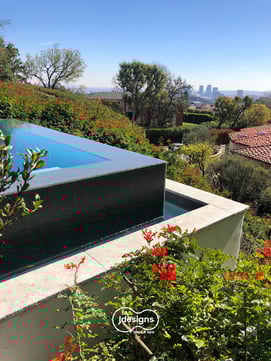
Monthly pool maintenance costs typically range from $150 to $400 per month, depending on pool size, equipment, and whether a professional service is used. Other considerations include the heater's electrical usage and gas consumption when heating the spa or pool.
Typical costs include:
Pro Tip: Energy-efficient pumps and automation systems can help reduce long-term operating costs.
Many homeowners are surprised to learn that pools can often be designed to fit a wide range of backyard sizes and layouts. In Los Angeles, the biggest factors are usually local zoning rules, property setbacks, and the amount of usable space on the lot.
That does not mean a smaller backyard cannot work. With thoughtful planning, a pool can often be designed to fit the space while still leaving room for patios, seating areas, landscaping, and comfortable circulation around the yard. Shape, size, and depth can all be adjusted to better match the property.
Backyard access also matters. In some cases, limited access can affect construction methods, project cost, or design options. Lot slope, existing structures, utility lines, and overall layout may also influence what is possible. The best way to determine whether your backyard can fit a pool is through a professional site evaluation. With the right design approach, even compact or unusual yards can often accommodate a beautiful and functional pool.
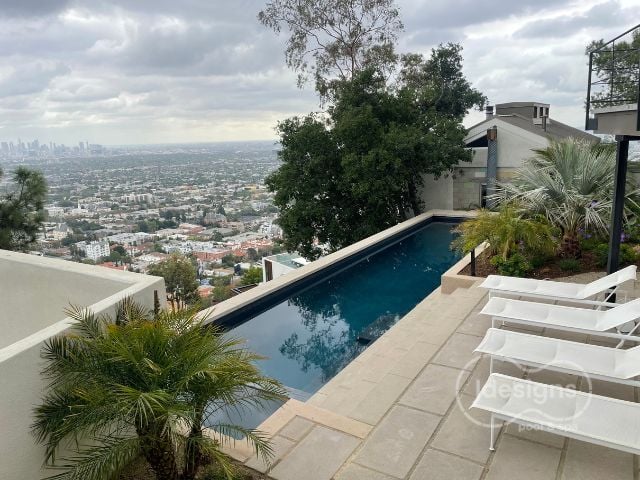
Yes. Hillside properties are common in Los Angeles, and pools can be built successfully when the project is supported by proper engineering, structural planning, and site evaluation.
These projects may require retaining walls, caissons, grade beams, or other structural reinforcement, depending on the slope and soil conditions. When designed correctly, hillside pools can protect the property, maximize usable outdoor space, and create striking backyard environments that take full advantage of the view.
In Los Angeles, pool construction can take place most of the year thanks to the mild climate. Even so, many homeowners begin the design and permitting process several months before summer so their pool is ready when warm weather arrives.
Starting early can also help avoid peak construction periods and provide more time for design decisions, engineering, permitting, and builder coordination. Because a pool is a significant investment, thoughtful planning from the outset can lead to a smoother process and better long-term results.
By understanding the key steps, including costs, permits, design, and construction timelines, homeowners in Los Angeles can make more informed decisions and move forward with their project with greater clarity and confidence.
Use the link below and schedule a complimentary consultation so we can answer any additional questions before we can start the design process with you.

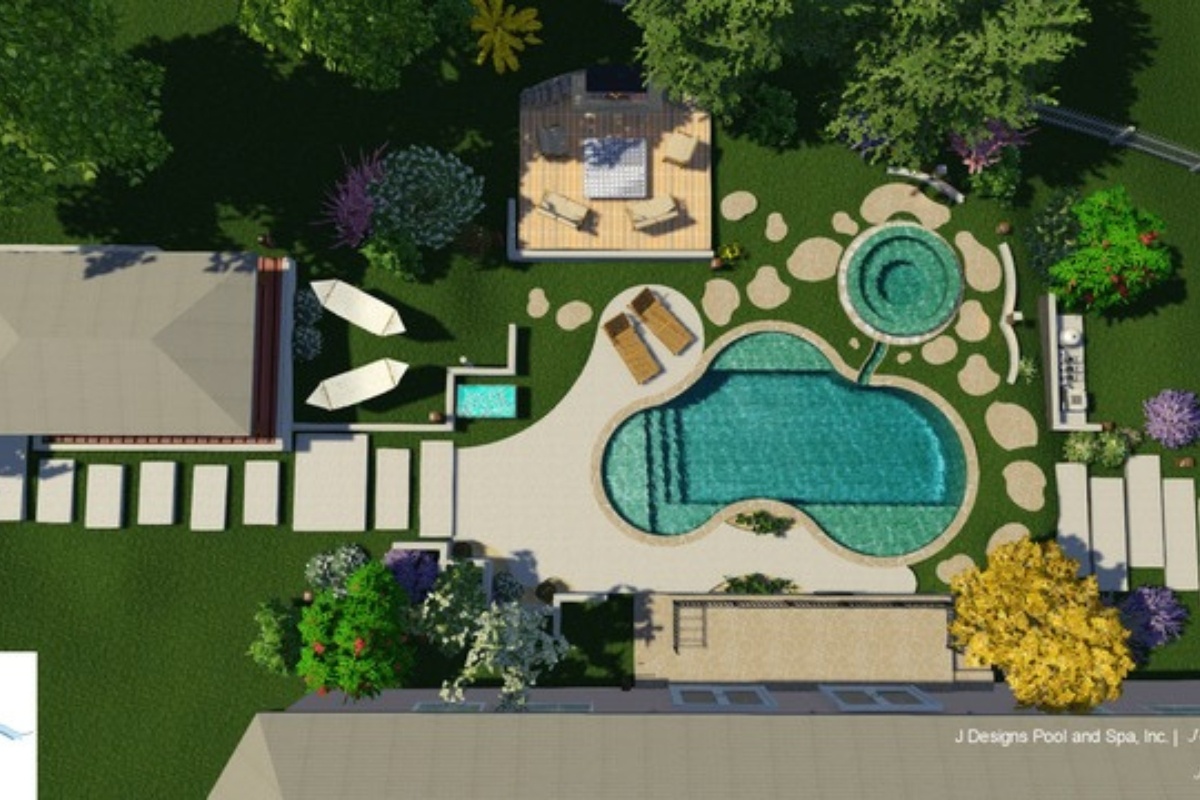 JC Escudero: Sep 23, 2026
Planning a custom pool involves dozens of decisions about shape, depth, materials, and features. Get one wrong, and you could face expensive rework...
 JC Escudero: Sep 19, 2026
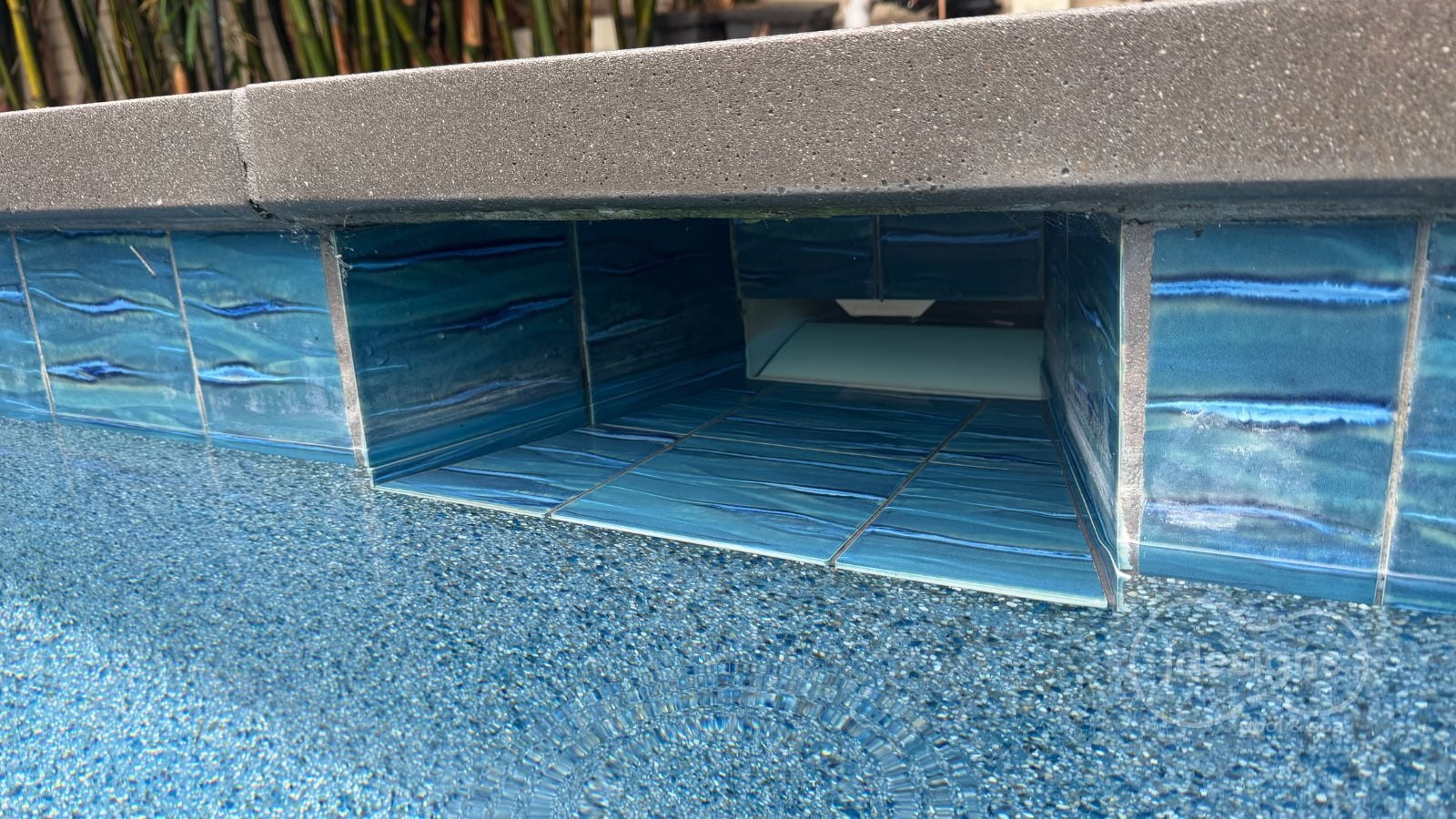
Your pool's circulation doesn't simply begin at the pump.
After heavy rain, don't automatically shock your pool or add chemicals. Test the water first.
 JC Escudero : Oct 30, 2025
Discover how to design the best indoor pool for your home. Learn about costs, HVAC, waterproofing, and key tips to create a beautiful,...
Learn how to choose pool furniture that lasts, it's costs, materials, and design tips for in-pool and outdoor living.
 JC Escudero : Jan 7, 2026
Learn how to design and install a residential lazy river. Explore costs, size needs, safety tips, and how Riverflow Pumps create a resort feel at...