
5 min read

Epoxy Grout for Swimming Pools, What you need to know

Epoxy Grout for Swimming Pools, What you need to know
8:39

When most homeowners choose tile for a swimming pool, they naturally focus on the tile itself: the color, shape, texture, and overall design, because Tile is one of the most visible finish materials in the entire pool.

But another part of the installation deserves just as much thought: the grout.

In a swimming pool, grout is not just a filler between tile joints. It plays a major role in how the finished tile installation looks, how clean it stays, and how well it performs over time.

At J Designs Pool & Spa, we do not believe material selection should be based only on how something looks the day the pool is filled. We believe the better question is how that material is likely to perform years later, after it has been exposed to water, sun, chemicals, cleaning, and everyday use.

That is exactly why epoxy grout is worth understanding.


Why Grout Matters More in a Pool

A swimming pool is one of the most demanding environments in any home.

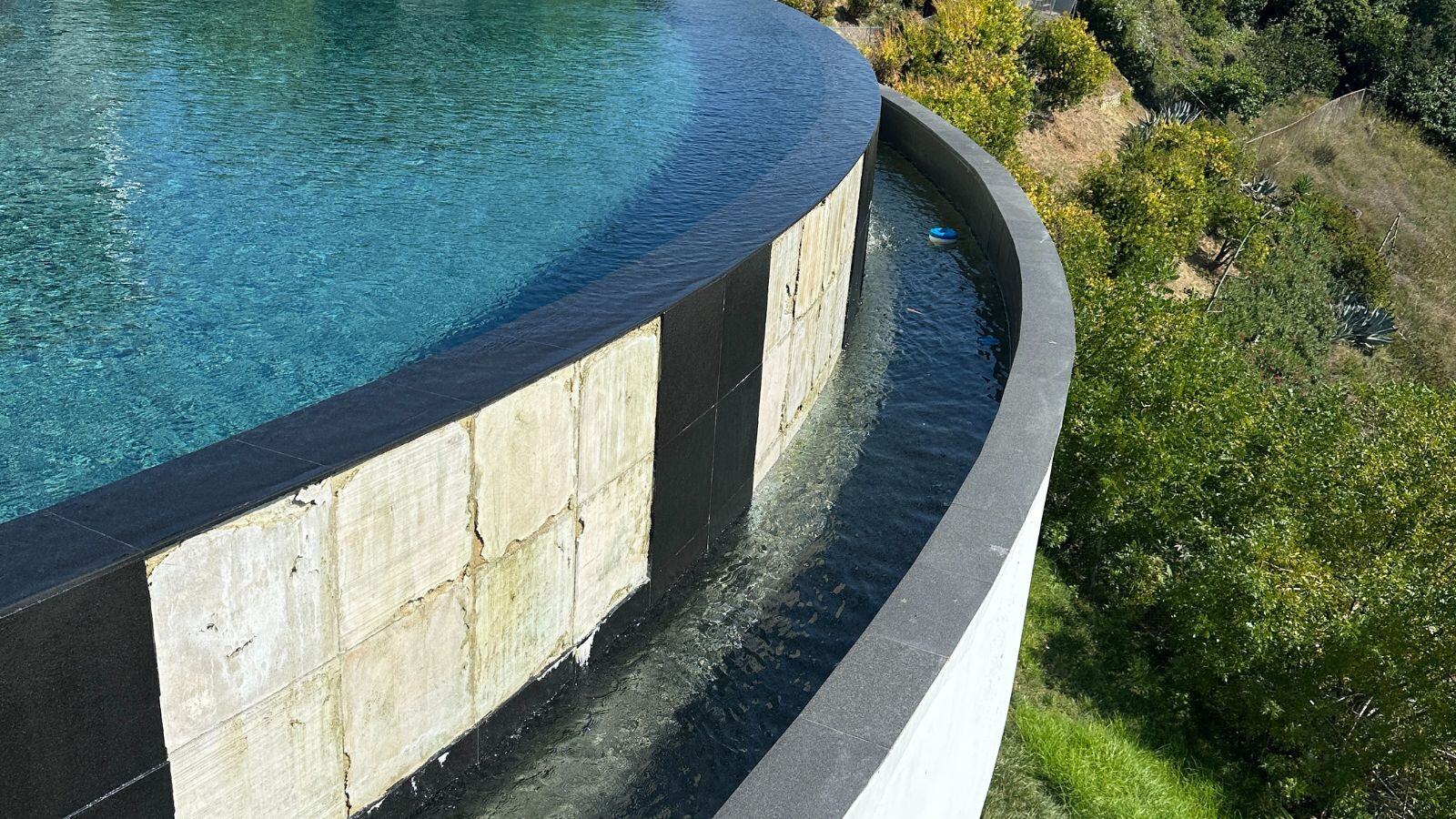
Infinity Pool Kids Los Angeles

Pool tile and grout may face constant moisture, changing water chemistry, chlorine or salt systems, sunlight, temperature swings, and routine cleaning. That is very different from a dry interior wall or even a typical bathroom application.

A kitchen backsplash may get wet from time to time. Pool tile can sit in or around water for years. That difference matters.

When homeowners invest in premium tile, they are usually thinking about beauty, style, and the way the finished pool will feel. But grout can significantly affect whether that tile installation stays refined and well-maintained over the long term.


What Is Epoxy Grout?

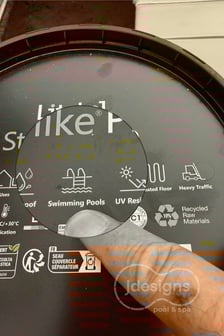
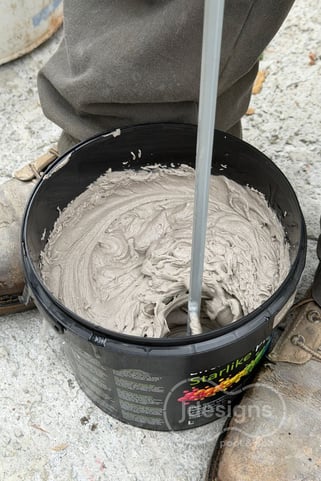
Epoxy grout 5Epoxy grout is made from three main components: resin, a hardener, and selected pigments or aggregates. The resin provides the base strength. The hardener, sometimes called a curing agent, triggers a chemical reaction that allows the mixture to cure into a dense, durable material. The pigments and additives, which may include high-grade silica sand or quartz powder,  provide color, texture, and compressive strength.
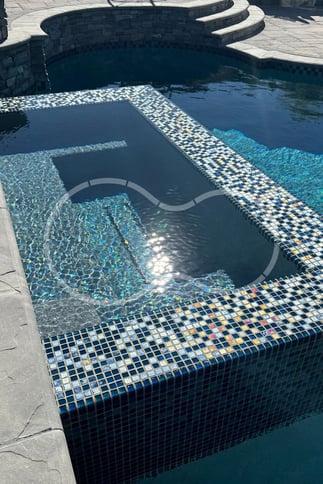
Unlike traditional cement-based grout, it doesn't rely on cement to form the finished joint. Once mixed, the components cure into a dense, durable material with very low water absorption.

In simple terms, traditional cement grout is more porous, whereas epoxy grout is much denser.

That difference is one reason epoxy grout is often considered for pool applications, especially when tile is partially or fully submerged.


Why Homeowners Often Consider Epoxy Grout for Pools


1. It can help protect the appearance of premium tile

One of the biggest reasons homeowners notice epoxy grout is color consistency.

Traditional cement grout can sometimes vary in appearance based on mixing, water content, curing conditions, moisture exposure, and efflorescence. On a pool finish, especially one using glass tile, porcelain tile, or other premium materials, that variation can become more noticeable.

Epoxy grout provides a more consistent finished color.

That means the grout is more likely to look uniform from one section of the installation to another. When the tile itself is a major design feature, that consistency matters.

The grout should support the finish, not distract from it.

2. It is generally less absorbent than cement-based grout

Because properly cured epoxy grout is dense and has very low water absorption, it is less likely to absorb moisture, stains, and contaminants than a more porous cement-based grout.Epoxy grout blog 4

For a homeowner, that translates into a simple practical benefit:  A less absorbent grout joint is often easier to keep looking clean.

That can be especially valuable in areas like:

- Waterline tile

- Spa tile

- Baja shelves

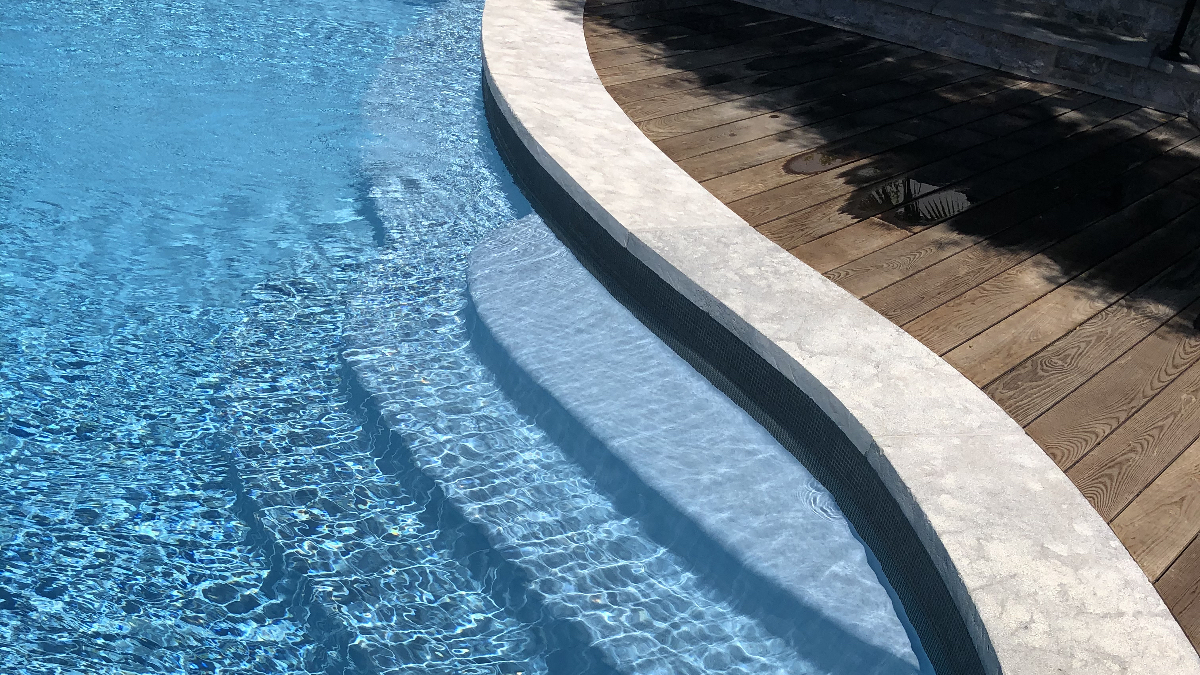
- Steps and benches

- Raised spas

- Water features

- Perimeter overflow details

- Fully submerged decorative tile

These are all areas where the finish may see frequent or continuous exposure to water.


3. It can offer better resistance to staining and many common pool-related exposures

Pool water is not just water.  Depending on the system, the grout may be exposed to sanitizers, salt, cleaning products, and shifts in water chemistry. Compared with traditional cement-based grout, epoxy grout generally offers stronger resistance to staining and many common chemical exposures.

That doesn't mean every epoxy grout performs the same way, and it doesn't mean a grout is immune to poor maintenance or misuse. But with the right application, epoxy grout can provide a more resilient joint than traditional grout.


4. It can make maintenance easier

No homeowner wants to spend weekends fighting dirty-looking grout.

Because epoxy grout is denser and less absorbent, routine cleaning can be easier than with more porous grout materials. That is one reason it is often considered in areas where homeowners want a finish that stays crisp and polished, with less maintenance frustration over time.


What Epoxy Grout Does *Not* Do

Epoxy grout blog 2

This is an important point.

Epoxy grout is not the waterproofing system for a swimming pool.

It is highly water-resistant, but you should never treat it as a substitute for proper pool construction. A successful tile installation depends on the full system working together, including the shell, any required waterproofing, tile-setting materials, movement joints, surface preparation, product compatibility, and installation quality.

Epoxy grout does not make a poorly built pool waterproof.  It is one important part of the system, not the entire system.


What About Algae, Mold, or Other Growth?

Precision matters here, too.

Epoxy grout does not make a pool algae-proof, and it does not eliminate the need for proper circulation, filtration, sanitation, and water chemistry.

It can provide a denser, less absorbent surface that may be easier to clean and less likely to hold the kind of contamination that can affect more porous materials.

Most of the epoxy grouts in the market are Antimicrobial and Mould resistant certified


Why Isn’t Every Pool Finished With Epoxy Grout?Epoxy grout blog 3

If epoxy grout offers so many advantages, homeowners naturally ask why it is not used everywhere.

The answer is that there are trade-offs.

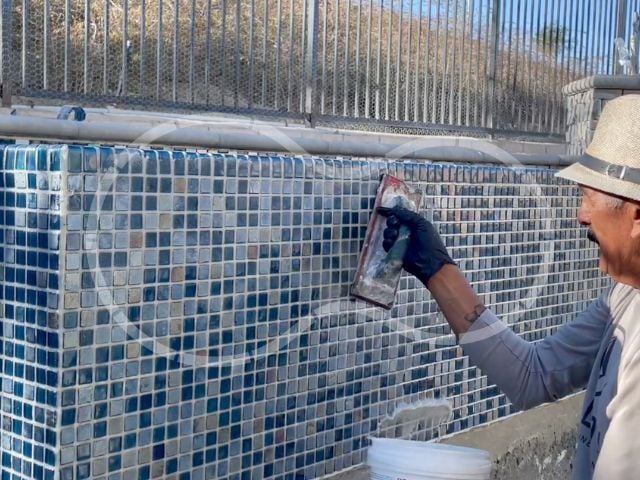
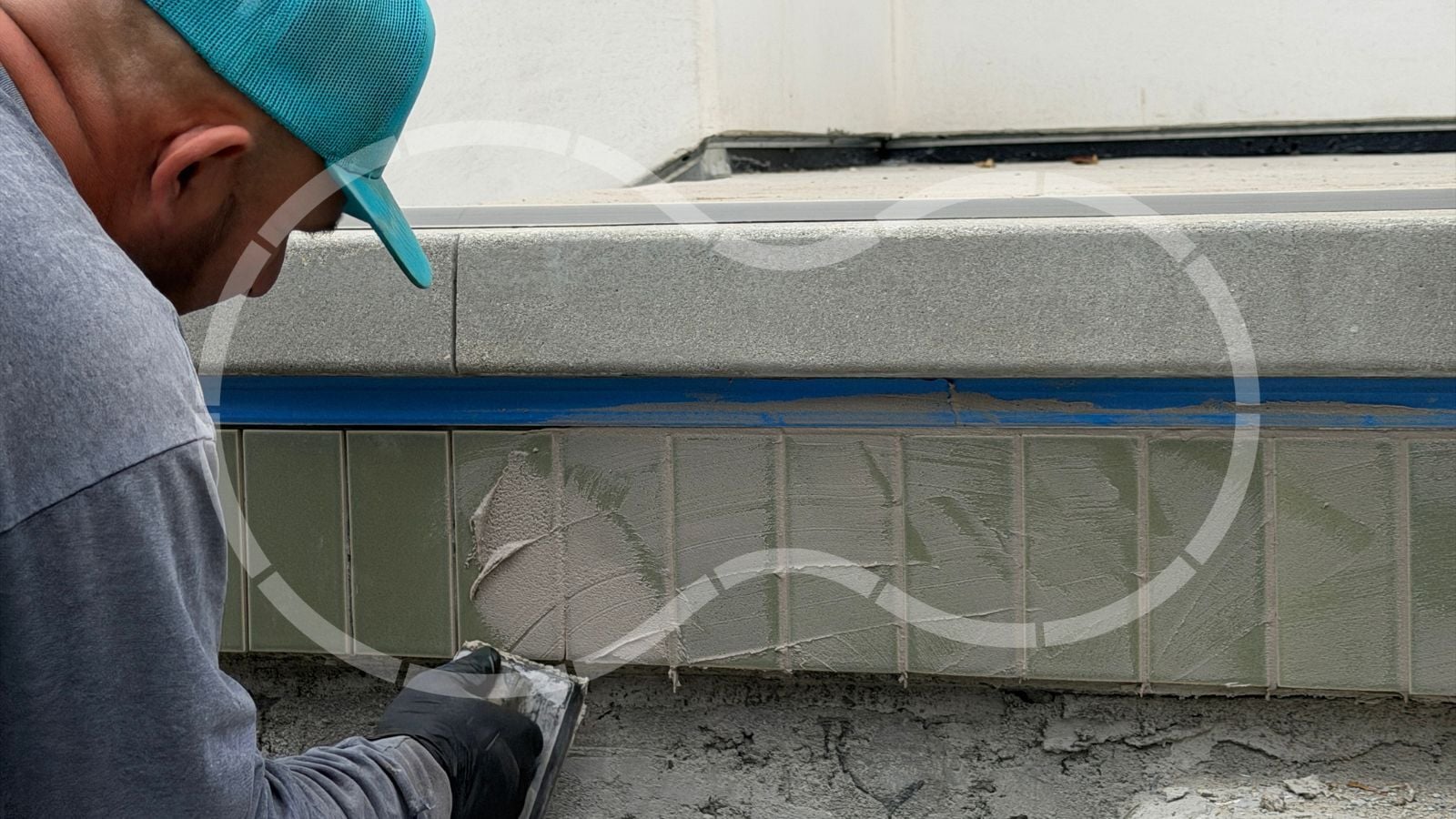
Epoxy grout usually costs more than traditional cement-based grout. It also requires a knowledgeable installer who understands the product, follows the manufacturer’s requirements, and works carefully within the material’s working time and temperatures.

This is not a material where shortcuts are a good idea.

Once epoxy grout begins to cure, excess material becomes much harder to clean from the tile surface. Product selection, timing, technique, and cleanup all matter.

In our view, this is one of those finish decisions where installation quality matters as much as material quality.


Is Epoxy Grout Right for Every Pool?

Not necessarily.  Every pool is different.

The right grout depends on the tile type, tile location, water exposure, environmental conditions, joint size, substrate, setting materials, and the manufacturer’s requirements for that specific application.

So the question isn't simply: Is epoxy grout better?

The better question is:

Is epoxy grout the right material for this pool, in this location, with this finish system?

That is how we approach material selection at J Designs Pool & Spa.  We don't choose materials simply because they are familiar or because they appear less expensive upfront. We believe in understanding how the full assembly is expected to perform in the real environment where it will live.

Epoxy grout blog 6

The Bottom Line

Grout may be one of the smallest components in a swimming pool, but it can have a surprisingly large effect on the final result.

For tile that is partially or completely submerged, epoxy grout can offer meaningful advantages in color consistency, stain resistance, low water absorption, and long-term maintenance. For many premium pool finishes, that makes it well worth considering.

But there is an equally important takeaway here:

Even a high-quality material is only as good as the system around it and the way it is installed.

The right grout, setting materials, detailing, and installation practices all work together to create a tile finish that performs well for years.  When you invest in a beautiful swimming pool, the goal should not be only to make it look impressive on day one.  The goal should be to build something that still looks thoughtful, refined, and well-executed years later.

That is how we think about every material that goes into a pool.


Epoxy Grout for Swimming Pools, What you need to know

Epoxy Grout for Swimming Pools, What you need to know

When most homeowners choose tile for a swimming pool, they naturally focus on the tile itself: the color, shape, texture, and overall design, because...

Read More
How 3D Pool Design Prevents Construction Mistakes

How 3D Pool Design Prevents Construction Mistakes

Planning a custom pool involves dozens of decisions about shape, depth, materials, and features. Get one wrong, and you could face expensive rework...

Read More
What Is a Pool Skimmer? How It Works and Why It Matters

What Is a Pool Skimmer? How It Works and Why It Matters

Your pool's circulation doesn't simply begin at the pump.

Read More
Pool Coping, Best Materials, Installation Standards, Costs & What to Avoid

Pool Coping, Best Materials, Installation Standards, Costs & What to Avoid

What is pool coping, and which materials last longest? Learn the best options, what to avoid, TCNA installation standards, waterproofing steps, LA...

Read More
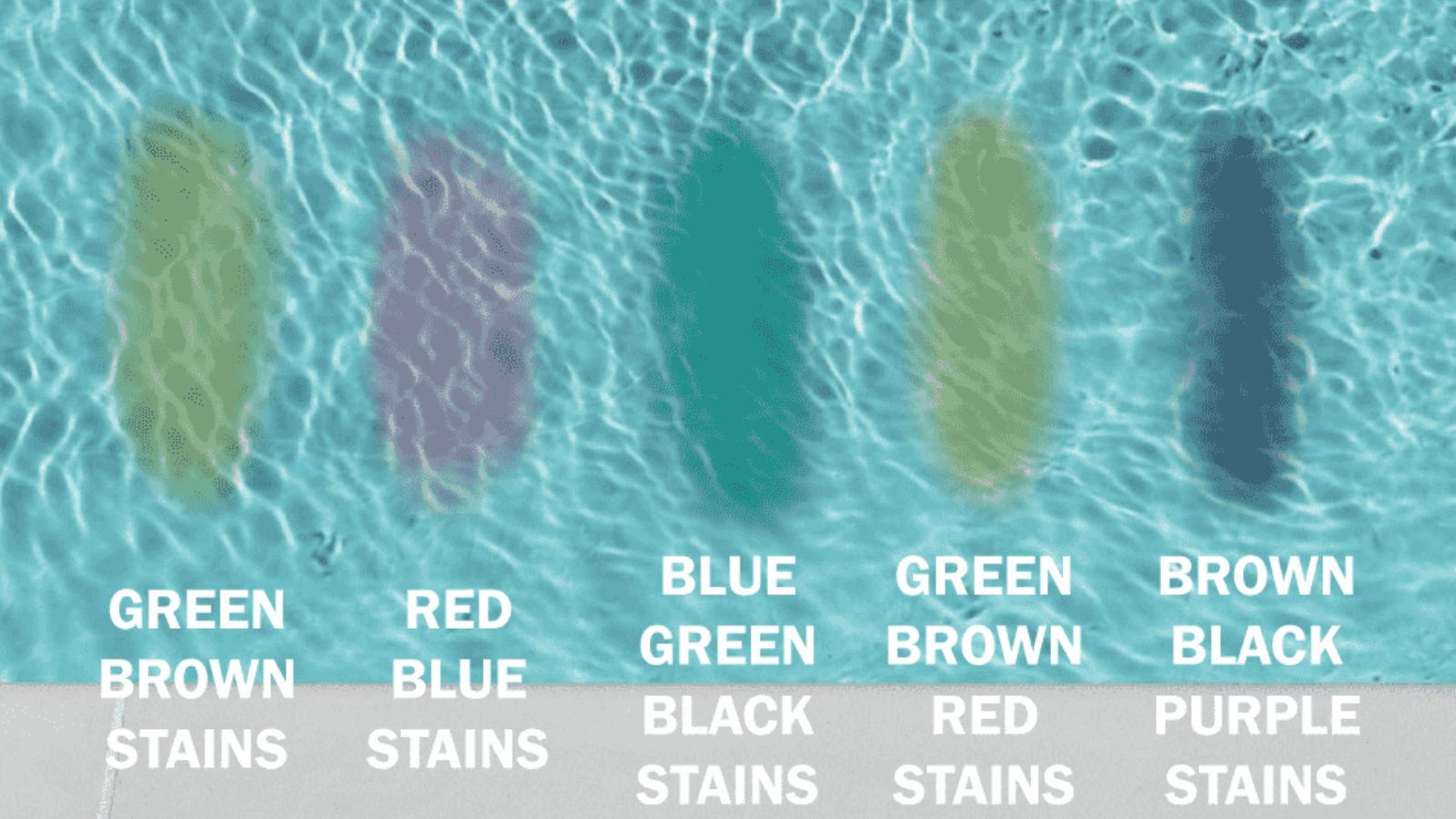
Pool Plaster Stain colors: Types, Causes, and How to Remove Them

Pool Plaster Stain colors: Types, Causes, and How to Remove Them

Pool plaster stains ruining your pool? Learn how to identify, remove, and prevent stains from organic debris, metals, and poor water chemistry.

Read More
Thermal Shock: Why Temperature Swings Damage Tile & Stone

Thermal Shock: Why Temperature Swings Damage Tile & Stone

Learn how thermal shock impacts glass and stone tiles in pools. Understand expansion, contraction, and the best materials to prevent cracking and...

Read More