
 Daniela Escudero
How 3D Pool Design Prevents Construction Mistakes
 JC Escudero: Sep 23, 2026
Planning a custom pool involves dozens of decisions about shape, depth, materials, and features. Get one wrong, and you could face expensive rework...
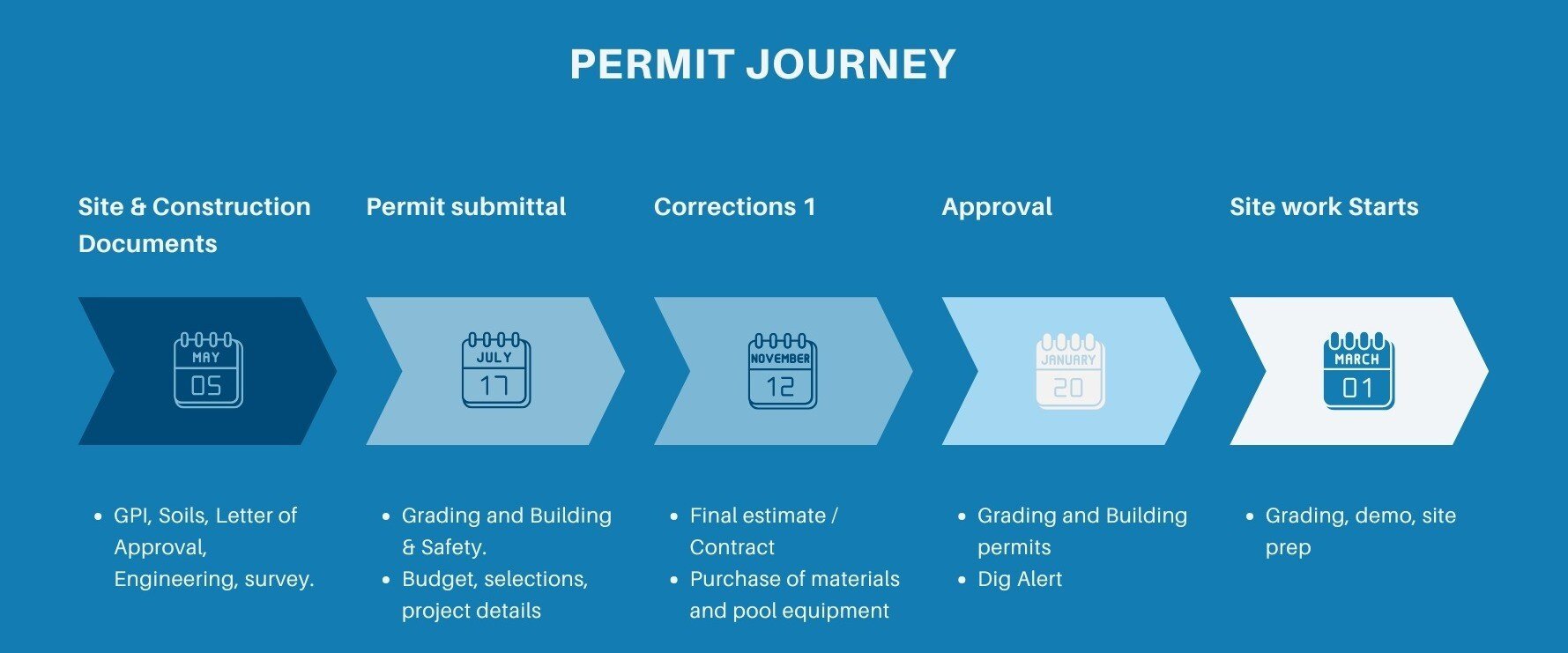
You’re excited to start building your pool, but then you start hearing about permits, paperwork, and inspections, and you’re not sure what’s next! Many homeowners feel uncertain about understanding the permit process. If you miss a step, it could delay your project, incur additional costs, or even result in fines.
At J Designs, we’ve helped hundreds of families just like you build safe, beautiful pools in Los Angeles that comply with all local regulations since 2008.
This guide breaks down everything you need to know in simple terms. You’ll find out what kind of pool needs a permit, how long the process usually takes, what it costs, and tips to help you avoid common mistakes.
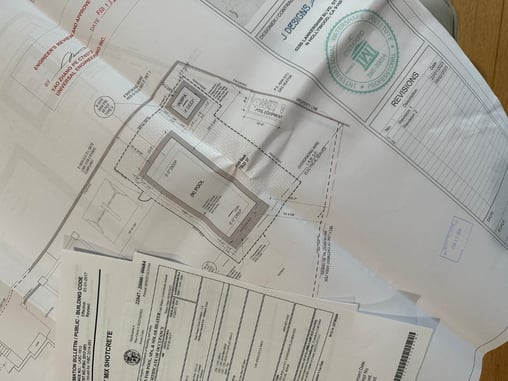
If you’re building a pool in Los Angeles County, you’ll probably need a permit, even for a smaller pool.
Permits are required to comply with the International Building Code, the California Building Code, and the Los Angeles Building Code. This ensures standardization and compliance, keeping your pool safe, following best construction practices, and keeping your neighbors happy. This includes considering aspects such as:
Safety codes (so no one gets hurt)
Zoning rules (so your pool isn’t too close to property lines)
Environmental standards (like energy standards, drainage, or water use)
Permits might seem like a hassle, but they protect you in the long run, and skipping them can lead to fines or delays.
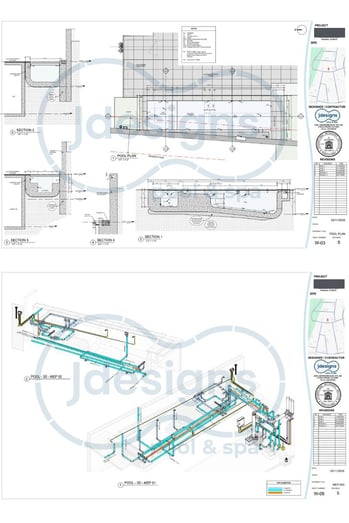
Pool permits aren’t just paperwork; they’re there to keep people safe and protect your investment! Yes, pools are permanent structures that require proper design and engineering, as they are built to withstand the massive weight of the water, as well as ground movement or shifting.
When you get a permit, you're making sure:
Your pool is built safely - to prevent injuries or accidents
Your property stays compliant - so you don’t get hit with fines
You’re not affecting your neighbors - like flooding or zoning violations.
Your pool is engineered - only a CA-licensed engineer can stamp and review the pool design.
Your home’s value goes up, permitted pools are treated like home upgrades and can be a big selling point, especially as indoor-outdoor living becomes more popular.
Local inspectors make sure everything’s built right and up to code, which protects you now and when you sell your home later.
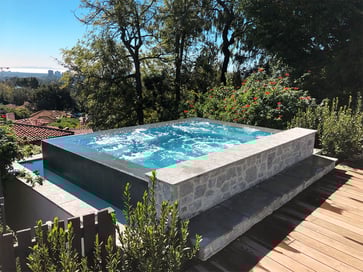
Most pools and spas need a permit, especially if they’re deep, permanent, or use electricity or gas.
Here’s a simple way to tell:
In-ground pools: Always require a permit, even for fiberglass or Vinyl liner pools.
Above-ground pools: Need a permit if over 24 inches deep or set up for long-term use.
Spas and hot tubs: Almost always require a permit due to electrical or gas hookups, and must be installed by licensed professionals.
Pro Tip: When in doubt, check with your contractor or the Los Angeles County Department of Public Works before starting. Getting permits upfront saves time, money, and stress.
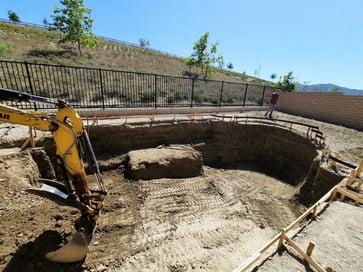
You’ll need:
1- Pool plans showing size, shape, and distance from property lines.
Safety features like fencing or covers
3- Plumbing and electrical work done by licensed professionals.
In addition to Hillside Pools:
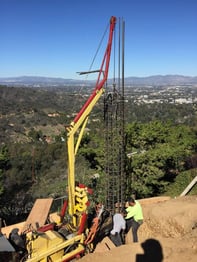
You will need a soil report and a topographic survey.
Approval from the Grading Department and Building Department
Structural plans for caissons, deep foundations, or retaining walls are approved by a licensed engineer.
Anticipate additional steps, extended time, and increased costs.
Need a permit if:
Provide basic site plans and demonstrate compliance with safety and zoning regulations. Only licensed professionals may conduct any work, and city inspections are required.
Remodels or structural modifications: These also require permits and, in most cases, additional upgrades to comply with the new building codes.
There’s no one-size-fits-all answer. Permits can take a few weeks to over a year, depending on:
Your location (hillside vs. flat)
Whether other departments need to review your plans.
How complete your submittal is, or whether additional studies need to be incorporated.
The complexity of the project also dictates the various conditions that are required by the municipalities.Example: One client updated an existing pool with new plumbing and electrical. Because the pool is an existing structure, permits were approved in under 3 weeks.
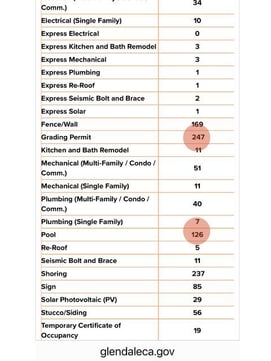
In such cases, we should expect additional steps, as these cities often have smaller building departments that outsource plan reviews to external professional engineers or architects.
These professionals operate on their own timelines and may not prioritize your project. In fact, these cities publish estimated timelines for reviewing and approving any type of permit on their websites.
Pro Tip: The more complex the property, the more reviews are triggered, and the longer it takes.
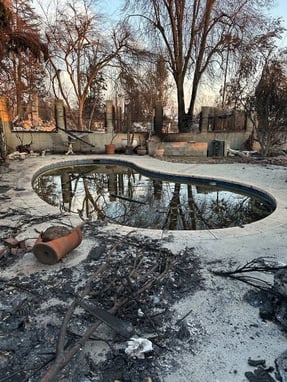
In January 2025, devastating Wildfires destroyed over 18,000 structures and displaced more than 200,000 residents in Los Angeles County. In response, Governor Gavin Newsom and Mayor Karen Bass issued executive orders to streamline the rebuilding process for affected properties.
Suspension of Certain Regulations: The California Environmental Quality Act (CEQA) and Coastal Act requirements were temporarily waived for rebuilding efforts, reducing environmental review times.
Self-Certification Pilot Program: Licensed architects can self-certify plans for single-family homes damaged by the fires, bypassing traditional plan checks.
AI-Powered Permit Approvals: An AI tool has been introduced to accelerate permit approvals for rebuilding projects.
While these initiatives aim to speed up reconstruction, they mainly focus on those affected properties. As a result, new construction projects, such as building a pool on an unaffected property, may face delays due to the increased volume of permit applications and the reallocation of resources to fire recovery efforts within the building departments.
Here’s a rough estimate of what you might pay:
In-ground pools: $1,500–$5,000+. We have seen unique projects cost as much as $20,000, which may require public works, planning commissions, and additional fees for LADWP, engineering, and grading permits.
Spas or above-ground pools: Usually less, but still varies between $800 - $1,000+
What do these permits typically include:
Heads-up: Some departments may require a separate Plan Check or in-person visits before issuing a Permit/clearance, especially for hillside, coastal, or special zoning areas. These may come with additional review fees. Some projects require a Permit Expediter who understands and can navigate these challenges for you.
Want to get a ballpark estimate fast? Use this Permit Fee Calculator from LADBS; it’s an excellent tool for checking prices for your specific project in the City of L.A.
Before you build, you need to know what part of your yard you’re allowed to use.
In Los Angeles County ( including LA City), zoning rules control:
Pro Tip: If your home is in a special zone (like a hillside, coastal, or historic zone), you may face more restrictions. Always consult your local zoning office or a contractor to get a clear understanding of these requirements and their specific timelines.
Safety isn’t optional; it’s required. These rules are in place to protect children, guests, and even your property.
In L.A. County, most pools and spas must include:
Pro Tip: Some safety features, like ASTM-rated pool covers or locking spa lids, may count toward the 2-safety-feature rule in residential builds.
Yes, but it’s not easy; most people choose to hire a pro.
You can build your own pool as an owner-builder, but you’re fully responsible for:
Make sure to hire licensed subcontractors who can provide proof of insurance and workers' compensation liability coverage. Also, it's important to obtain lien releases, which really help protect homeowners from potential liabilities they might not even be aware of.
Reality check: Unless you have experience with construction, excavation, and local codes, most homeowners hire a licensed pool contractor to avoid delays, code violations, or costly do-overs.
Pool construction involves more than 13 trades, and mistakes are costly to fix. A professional builder helps protect the process and gives you peace of mind.
Yes, if it’s deeper than 24 inches or intended to be up long-term.
Anywhere from a few weeks to over a year, depending on your location, zoning, and how many departments need to review it.
You could face fines, be forced to remove or redo the work, and have issues selling your home later.
Permits can be complicated, but you can avoid most headaches with the right preparation.
At the end of the day, building a pool in Los Angeles County is more than just picking the right design, it’s about doing it legally and safely.
You now understand why permits matter, which types of pools and spas require them, how long the process can take, and what it may cost. And you’ve seen how zoning, safety rules, and site conditions can impact everything from your timeline to your budget.
Next step? Talk to a professional who knows how to navigate the permit process in your specific area.
At J Designs, we guide homeowners through the entire process, from drawings to digging to dive-in day. We’ve worked with city departments, hillside engineers, and inspectors across L.A. County, so you don’t have to figure it out alone.
Want to learn more about pools? Let's explore Top Pool Design Trends for 2026
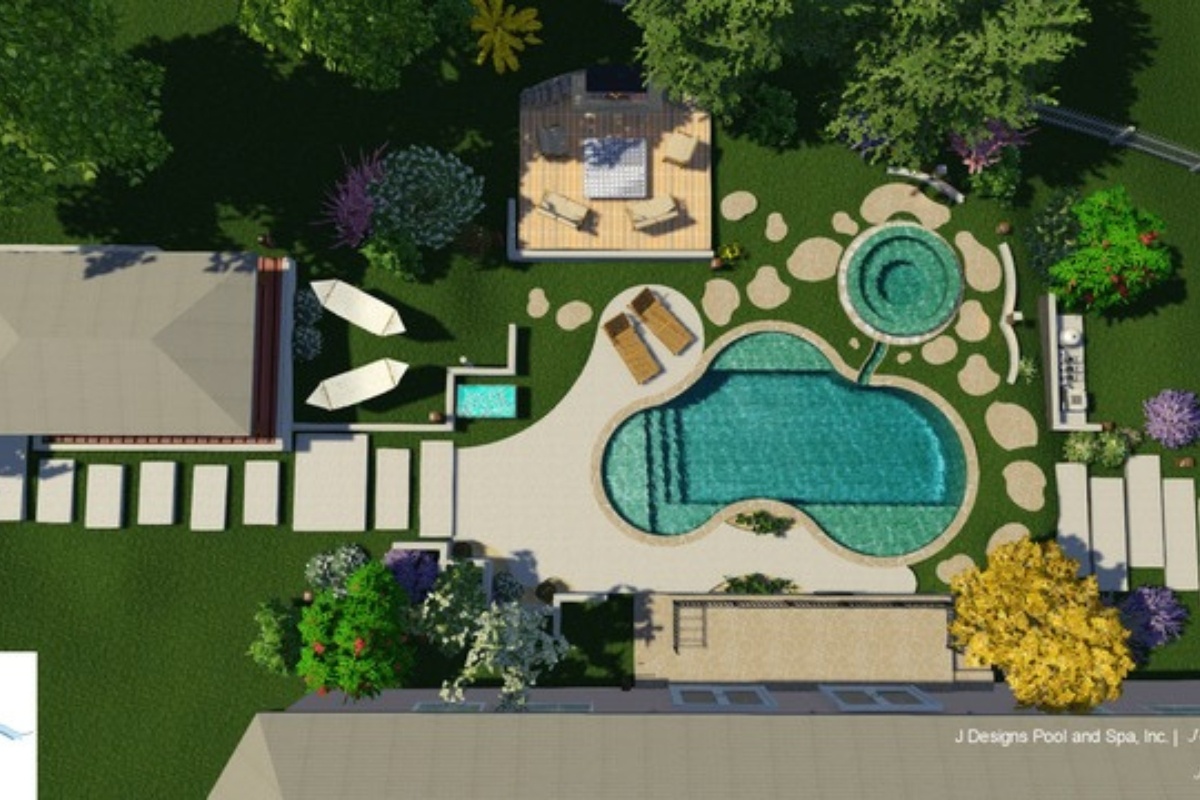 JC Escudero: Sep 23, 2026
Planning a custom pool involves dozens of decisions about shape, depth, materials, and features. Get one wrong, and you could face expensive rework...
 JC Escudero: Sep 19, 2026
Your pool's circulation doesn't simply begin at the pump.
After heavy rain, don't automatically shock your pool or add chemicals. Test the water first.
 JC Escudero : Dec 3, 2025
Learn how perimeter overflow pools work, material selection, what they cost, plus common mistakes and how to avoid risks and build with confidence in...
 JC Escudero : Oct 30, 2025
Discover how to design the best indoor pool for your home. Learn about costs, HVAC, waterproofing, and key tips to create a beautiful,...
 JC Escudero : Sep 18, 2024
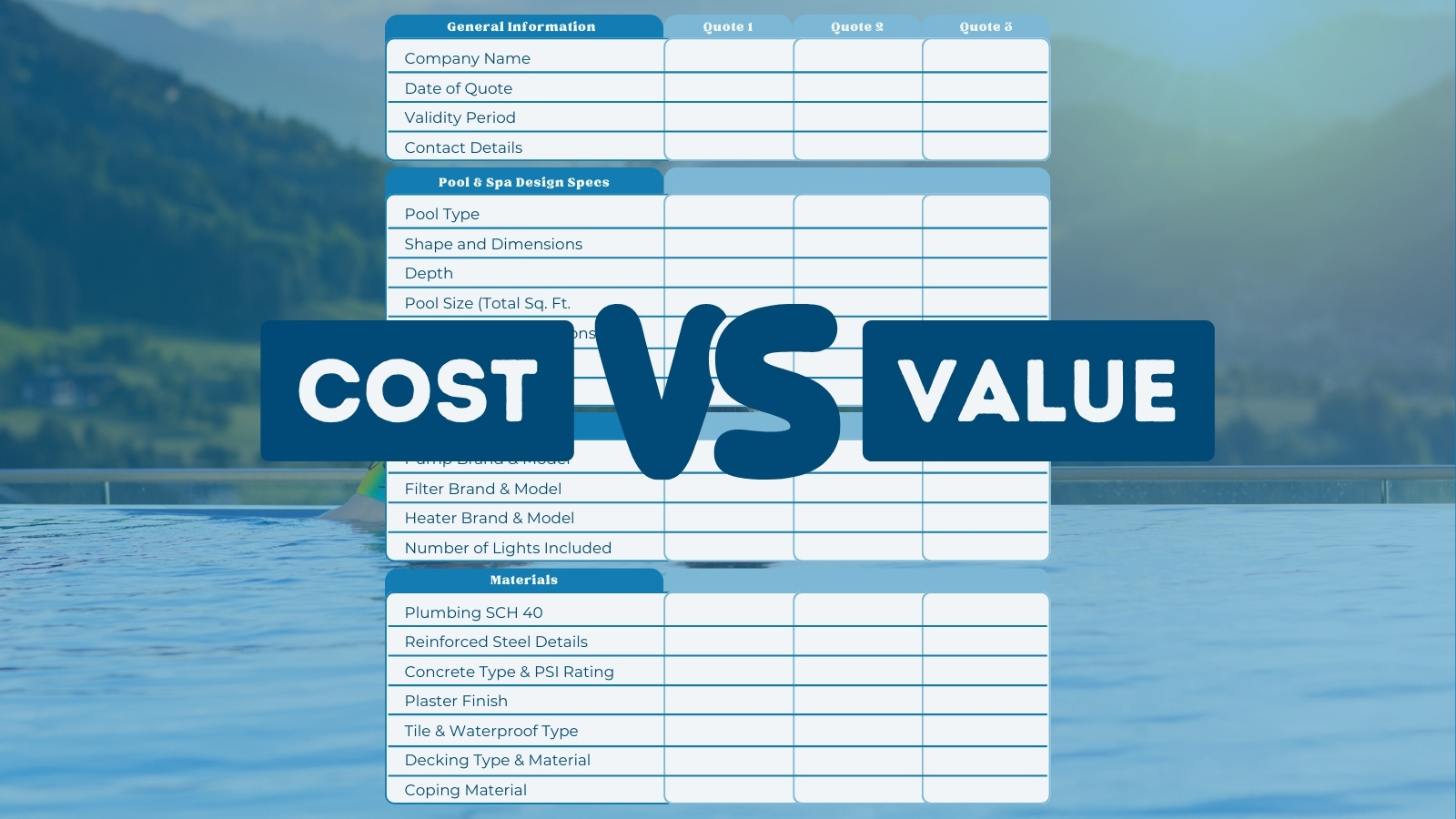
Learn how to compare pool quotes effectively, focusing on value, quality, and service to avoid costly mistakes and ensure a durable, well-built pool.