
What Went Wrong at the Lincoln Memorial Reflecting Pool
A More Accurate Chain of Events and What It Means Moving Forward The Lincoln Memorial Reflecting Pool is not only one of the most recognizable water...
6 min read
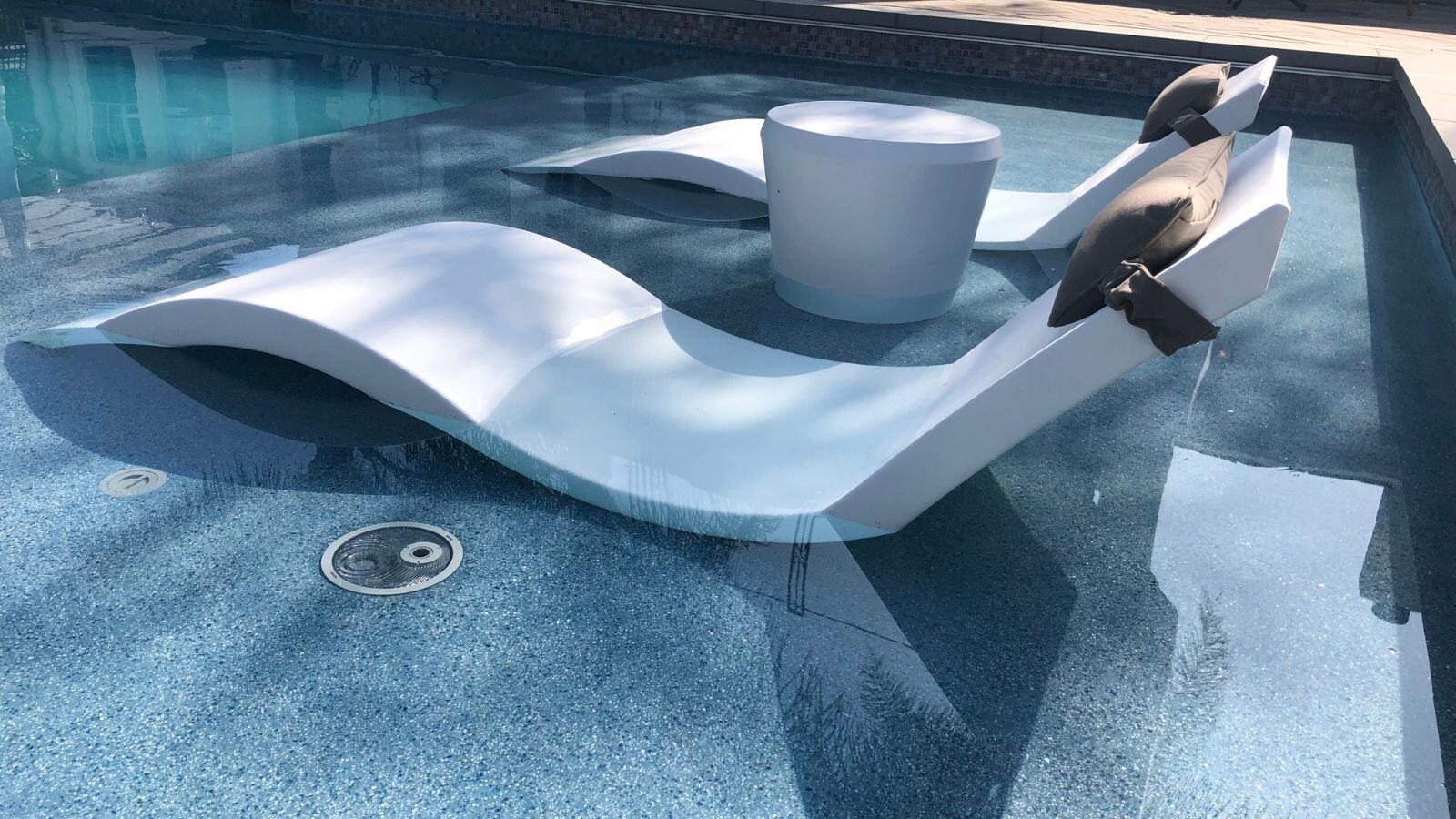
Ever found yourself endlessly scrolling for the perfect pool chair, only to realize you just spent your entire lunch break comparing towel racks?
Or worse, did you assume the pool was the expensive part, only to discover your lounger, cabana, and accessories now rival your landscaping budget?
We’ve seen it time and time again: furniture and accessories are often an afterthought in the pool planning process. But when you’re finally ready to relax in your new backyard, you realize… You forgot the furniture. That’s when the scramble begins. In this poolside furniture guide, we’ll walk you through everything you didn’t know you needed to ask, from why prices vary so wildly, to what materials work best in your climate, to how to avoid the most common pool furniture mistakes we’ve seen new pool owners make.
We’re sharing this at no charge, not because we sell furniture (we don’t), but because we’ve seen too many clients throw money at beautiful pieces that didn’t last a season or clashed with the look and feel of their outdoor space. Let’s help you avoid the same fate and protect the investment you’re making in your pool and outdoor living area.
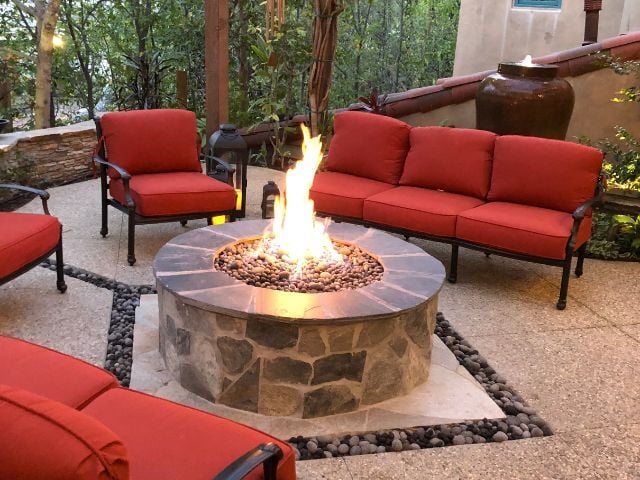
If you live in Florida or a coastal area, your outdoor furniture will be exposed to relentless humidity, salt air, and UV radiation. We’ve seen beautifully styled metal furniture rust out in one season. That same chair, in a dry desert town, could last 10 years.
It’s one of the most overlooked factors when shopping: "where you live matters" when you’re choosing the best pool furniture materials.
Here’s a quick breakdown:
If you’re unsure, ask your local installer or ask us. Because “outdoor-safe” isn’t the same as “poolside-durable.”
The Spiral Is Real Pool Accessories Feel Endless,... It starts with a towel rack.
Then you realize you want two loungers. Maybe a table. You forgot the umbrella. What about a side table? Do you want a cabana? By the time you're done, your backyard accessory tab has ballooned, and you haven’t even picked your poolside towels' colors yet.
When homeowners picture their new pool, they imagine swimming. But the majority of their time? It’s spent lounging. Eating. Sunbathing. Scrolling Instagram. Hosting friends. All of that happens on the furniture, and yet, most budgets don’t account for it.
That’s why we urge our clients to consider pool furniture and accessories at the planning stage, just like you would plan lighting, fencing, or landscaping. Not only does it complete the look of your pool, but it also defines how you use it.
Decide on the exact size of your future loungers now so your builder can size the deck to fit them and still leave comfortable walk-around space.
As a starting point, plan 10–20% of your overall pool and hardscape budget for furniture, shade, and accessories. For example:
- Pool: $150,000
- Furniture, shade, and accessories: $15,000–$20,000
Your exact number will depend on whether you’re selecting basic chaise lounges and a few side tables, or in-pool loungers, custom daybeds, architectural shade structures, and activity-based amenities.
Planning this early allows your design team to:
Size the deck correctly for the number of loungers, dining seats, and pathways you want.
- Coordinate umbrella sleeves, pergola footings, drainage, and power where you’ll actually use them.
- Keep the whole project aligned so your pool, deck, shade, and furniture feel like one unified design.
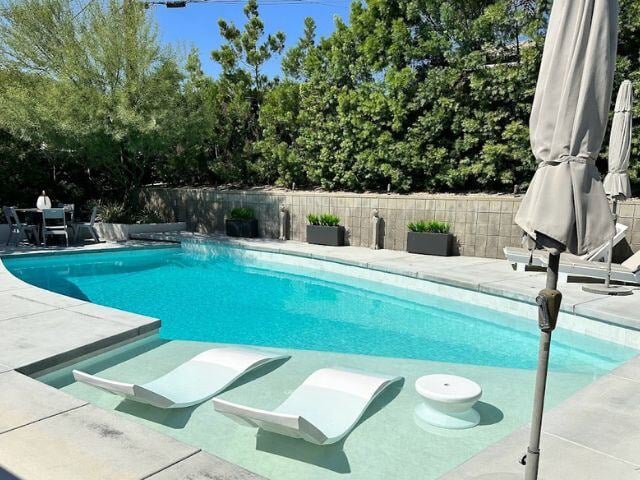
You’ve probably seen them on Instagram: sleek, sculptural loungers that sit inside the shallow ledge of a pool, often half-submerged. They’re called ledge loungers, and they’re not just for show.
These are engineered pieces made from UV-stable resins or marine-grade polymers. They resist chlorine, salt, and fading, and they’re designed to stay underwater for years.
If you’re planning a sun shelf or Baja ledge, this category should be on your radar.
|
Tier |
Example |
Price Range |
|
Budget |
Ledge Lounger Signature Chaise |
$640–$800 |
|
Mid-Range |
Autograph Chaise with accessories |
$900–$1,300 |
|
Luxury |
Echo Chaise or full sets |
$2,000+ |
You can’t just toss any chair into the pool; authentic in-water furniture is engineered for sun, chlorine, and constant submersion.
We’ve had clients drag regular patio loungers onto their sun shelf “just for the weekend", only to find them warped, floating, or rusted within days. Don’t risk it.
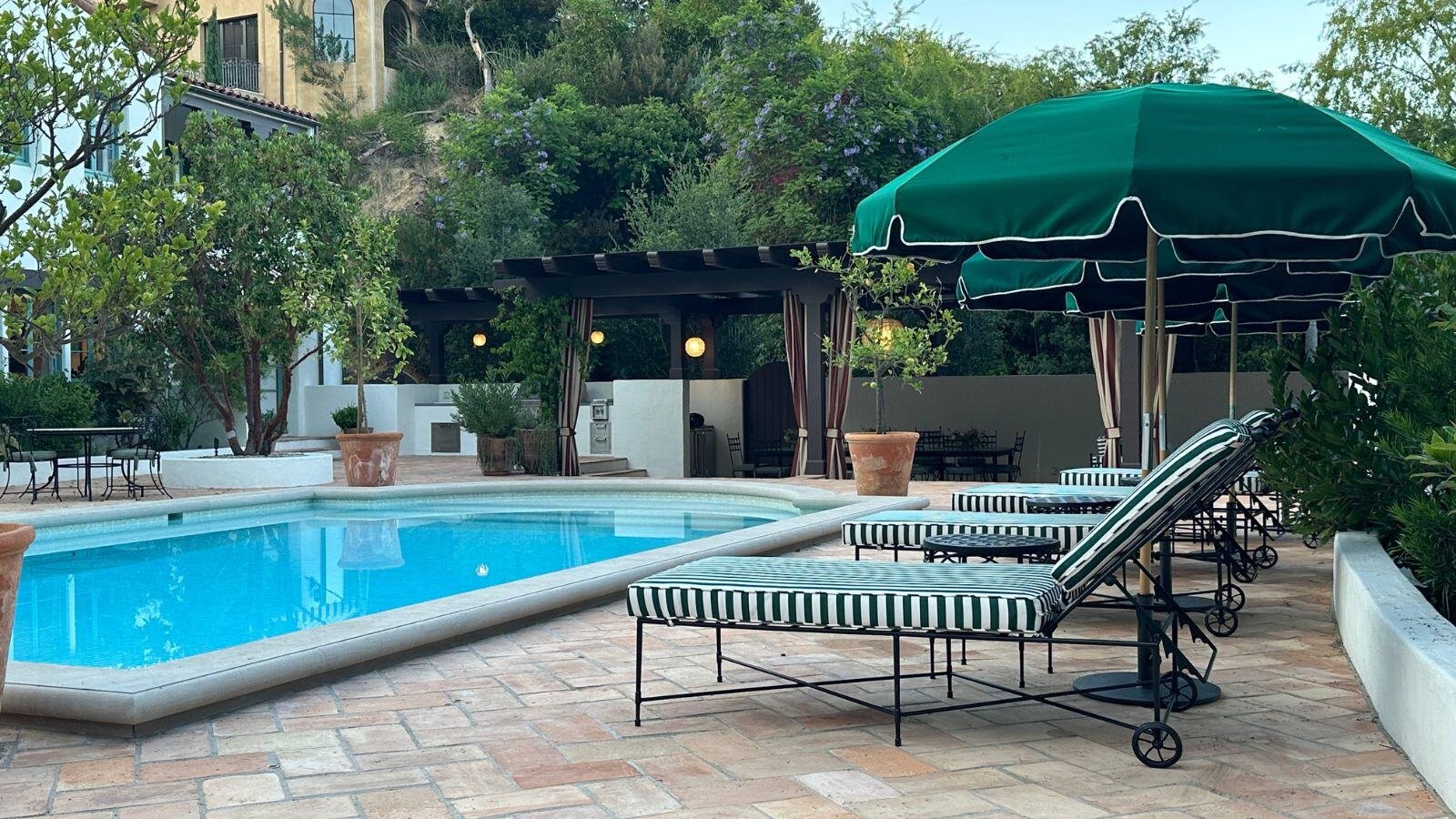
This is where most of your budget ends up: the chairs, tables, umbrellas, and daybeds that surround your pool.
But here’s the kicker, not all “outdoor furniture” is built for pool life.
Let’s break down the major material options and what works where:
|
Material |
Pros |
Cons |
Best For |
|
Aluminum |
Lightweight, rust-resistant |
Can oxidize in salt air |
Dry climates, covered patios |
|
Teak / Wood |
Gorgeous, ages well |
Needs oiling, cracks if dry |
Mountain areas, low splash zones |
|
Resin Wicker |
Stylish, lightweight |
Cheap versions crack or fade |
Covered patios |
|
Plastic / HDPE |
Cheap, low maintenance |
Can look “basic” |
Budget setups |
|
Marine-grade polymer |
Lasts forever, colorfast |
High cost |
Coastal zones, resorts |
|
Sling Fabric |
Fast-drying, comfy |
Sagging over time |
Everyday loungers |
|
Outdoor Foam & Sunbrella |
Comfy & luxe |
Needs care in humidity |
Dry or shaded setups |
Don’t just choose based on looks. Choose based on how you live and where you live, and how close each piece of furniture will be to splash zones, salt, and direct sun.
A great umbrella or lounger doesn’t just offer comfort; it changes how your pool feels.
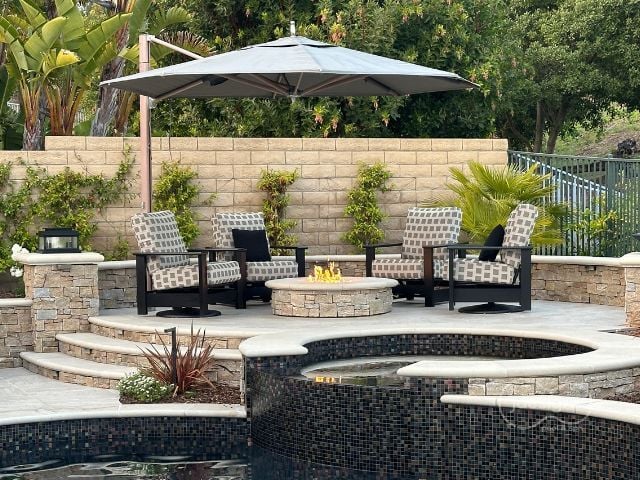
Furniture is part of your "pool systems", not just décor.
Corrosion and Stains: Cheap metal bases and low-grade hardware can rust and leave stains on coping, porcelain pavers, and light decking, especially in coastal areas or near saltwater pools.
Impact and Load Damage: Heavy furniture with small feet can chip tile, wear down coping edges, or stress certain finish types, particularly on steps and tanning ledges.
Specialty Decking: On porcelain, pedestal systems, or elevated decks, weight and point loads matter. Large daybeds, cabanas, and heavy tables should be coordinated with your designer and engineer.
Ask your builder or designer about:
- Appropriate "foot pads or protective bases" for your chosen decking.
- Whether larger pieces should be "anchored" for safety and wind.
- How your "sanitation system" (saltwater, chlorine, ozone, UV, AOP) interacts with nearby metals and hardware. These details protect your finishes and extend the life of both your pool and your furniture.
We’ve seen clients spend over $1,000 on a ledge chair, only to find it floats away. Why? Their sun shelf was 15” deep, and the chair was rated for 9”.
Measure water depth and check product specs, and regular care tips before you buy.
Just because it says “weatherproof” doesn’t mean it can handle constant splash zones, UV, and chlorinated water.
Look for marine-grade materials, sealed joints, and mildew-resistant fabrics/cushions.
You’ll want a shaded area. Trust us. But many homeowners forget this until after they’ve bought everything else. Then they realize a proper umbrella or pergola can cost more than their loungers.
Budget shade from day one.
That white linen lounger might look stunning on Instagram, but a single splash of sunscreen and it’s permanently stained.
Choose durable performance fabrics, not just “pretty” ones.
This one’s subtle, but essential. Some of the most beautiful pools we’ve seen were ruined visually by accessories that clashed with the home’s design.
Ever wonder why legendary architects like Le Corbusier or Frank Lloyd Wright also designed furniture? They understood that furniture is an extension of the architecture. The wrong piece can make your entire backyard feel like a patchwork of styles.
Choose furniture that matches your home’s style, not just what’s trendy right now.
While most people focus on seating and shade, many luxury outdoor furniture brands now include activity-based amenities in their collections, and they’re changing how people use their backyard spaces.
We’ve worked with clients who opted for:
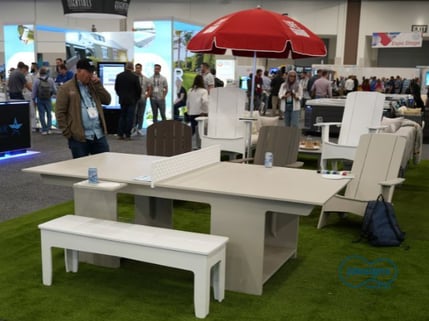
Why does this matter? Because your backyard isn’t just a place to sit. It’s where your family plays, hosts, and unwinds. These amenities turn your pool area into an experience, not just a visual.
And often, adding these elements early, especially if they’re from the same manufacturer, ensures design continuity and avoids mismatched accessories later.
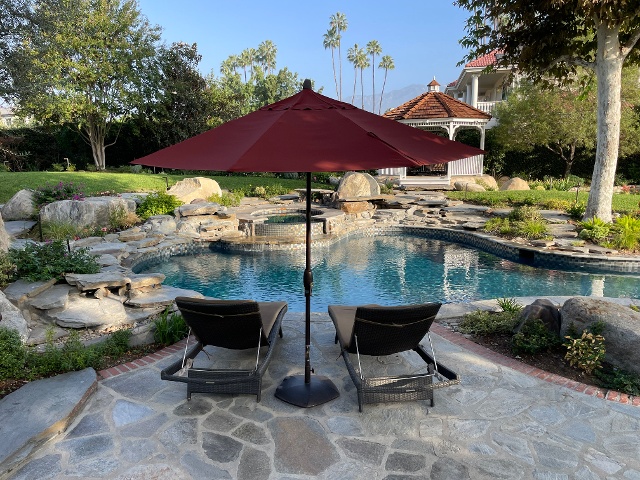
Your pool is an investment. But so is the time you’ll spend beside it.
The right furniture extends the life, look, and livability of your outdoor space. And the wrong choices? They’re often expensive, prone to failure, and challenging to replace.
If you’re designing a new pool or remodeling an existing one, we can help you plan the "structure, hydraulics, decking, shade, and furniture layout" together. Hence, everything works as one unified outdoor living space. A thoughtful plan now will reduce surprises later and protect your long-term investment. Ready to design a poolside setup that fits your home, lifestyle, and climate?
Explore our expert-backed guides on:
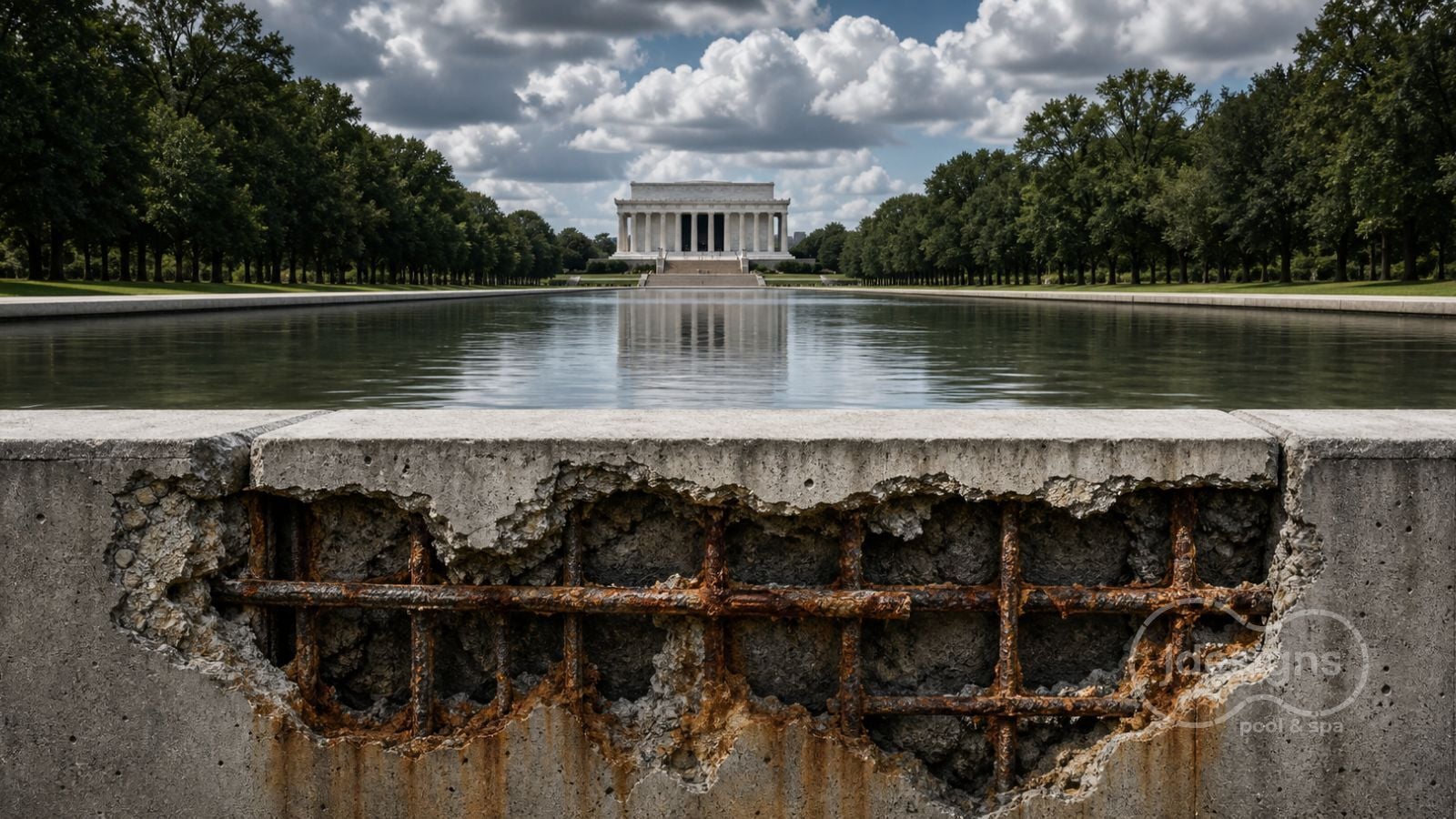
A More Accurate Chain of Events and What It Means Moving Forward The Lincoln Memorial Reflecting Pool is not only one of the most recognizable water...
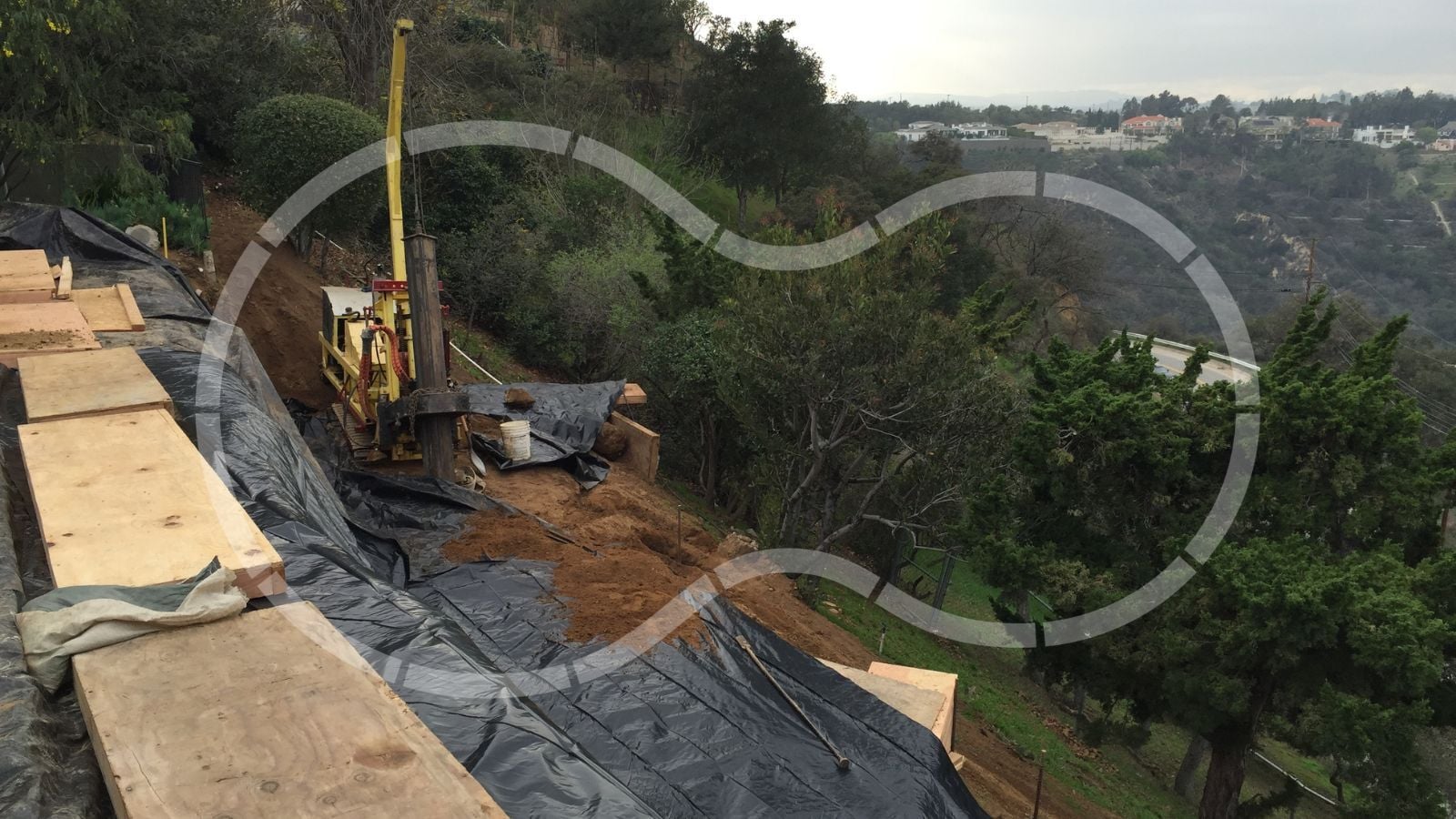
What happens when a pool project that seemed well planned suddenly stops because a caisson shaft becomes unstable 30 feet below grade?
 Daniela Escudero: Jun 13, 2026
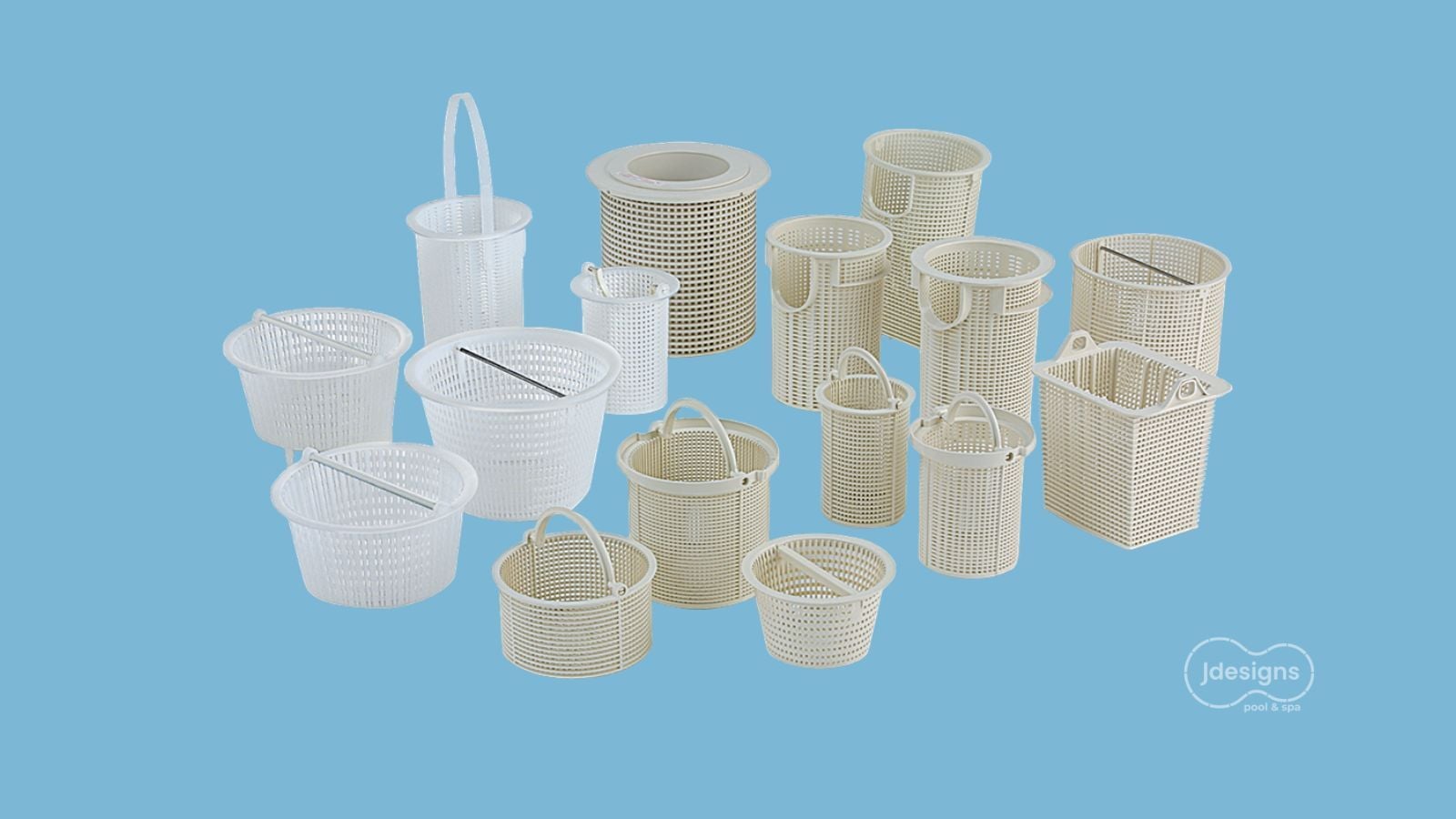
Why the Pump Basket Matters More Than Most Homeowners Realize From early industrial strainers to modern hydraulic protection systems, the pump ...
1 min read
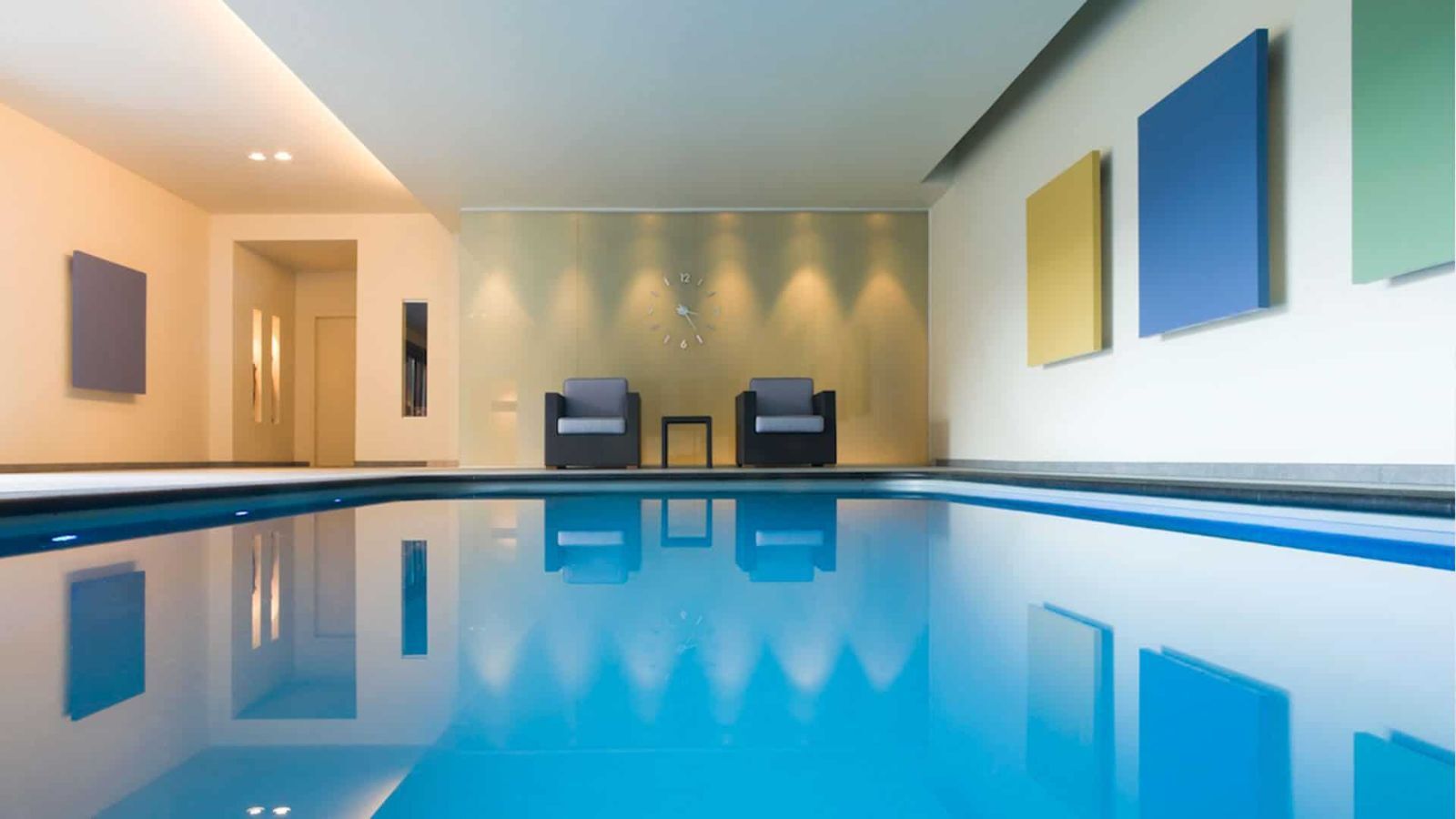
Thinking About an Indoor Pool? Here's What You Need to Know First Are you a homeowner envisioning a private, year-round swimming space, or an...
1 min read
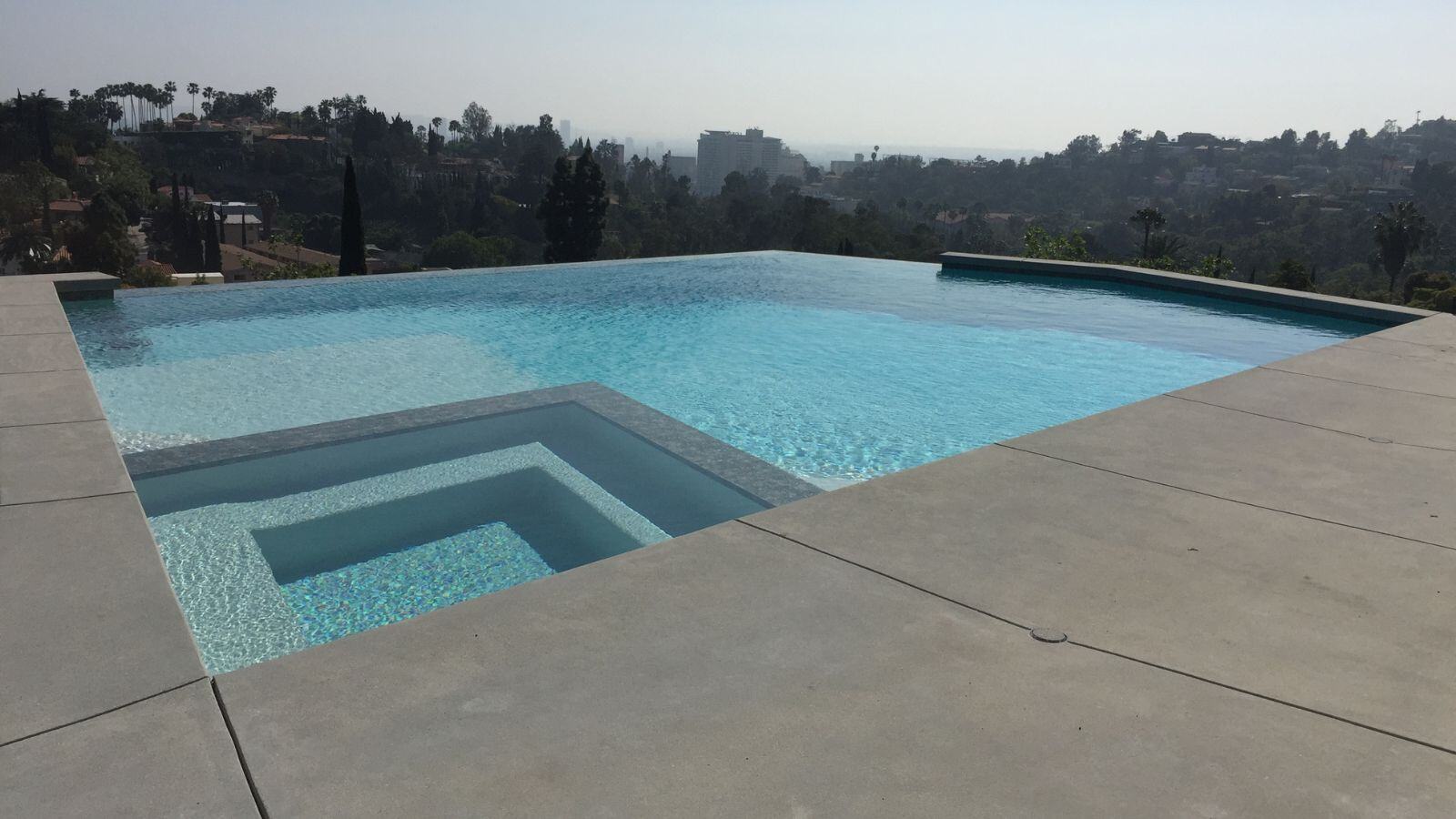
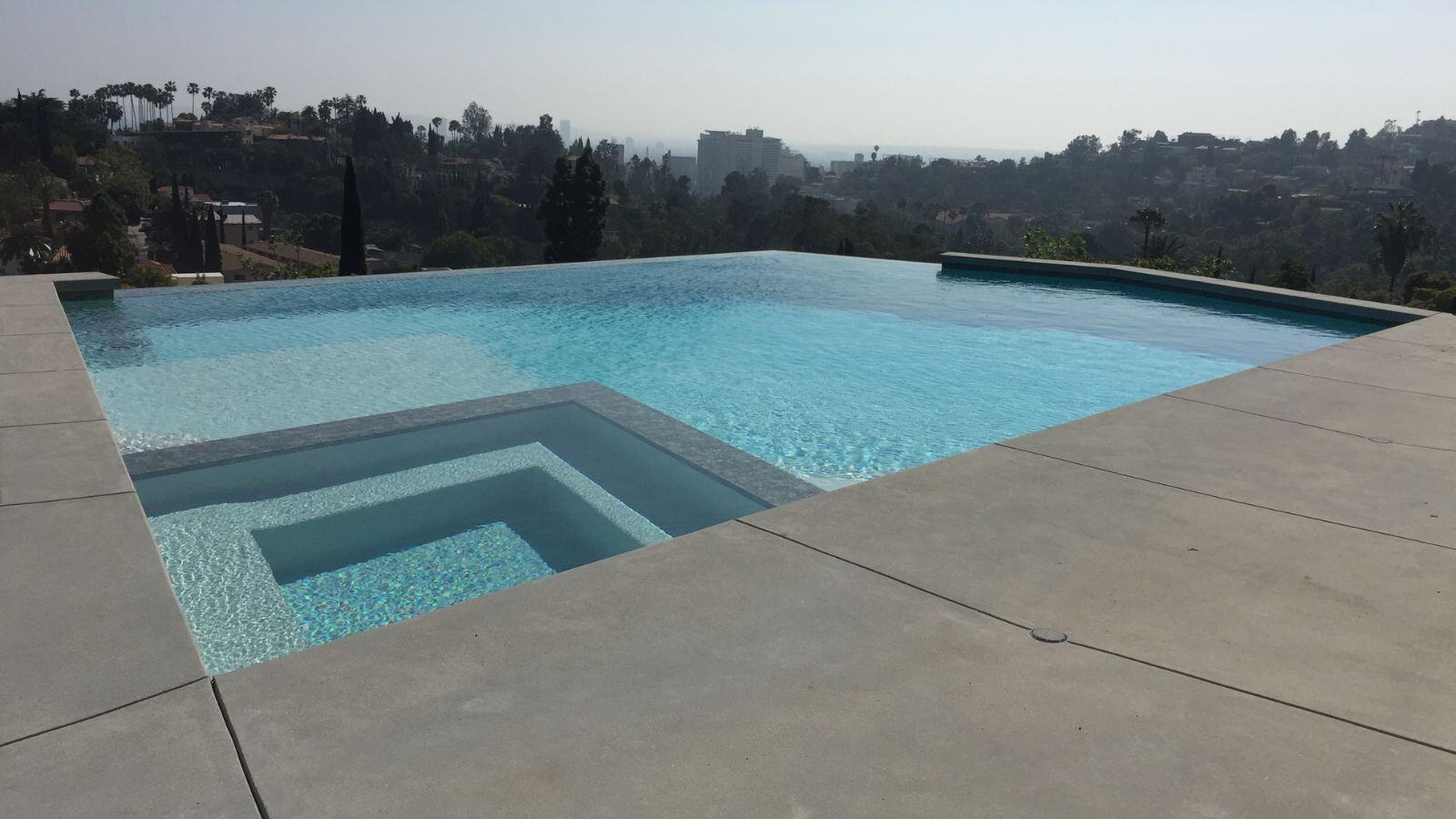
Building a pool on a hillside property in Los Angeles can feel both exciting and complex. You may be envisioning a beautiful outdoor retreat with...
1 min read
Daniela Escudero : Apr 25, 2025
So, you’ve decided to get a pool—fantastic! But wait… what goes around the pool? That’s where hardscaping comes in. Hardscape is a fancy way of...