
Stainless Steel Pools in Los Angeles: When Do They Make Sense?
 JC Escudero: Oct 1, 2026
When most homeowners picture a swimming pool, they probably picture a concrete or shotcrete structure built into the ground.
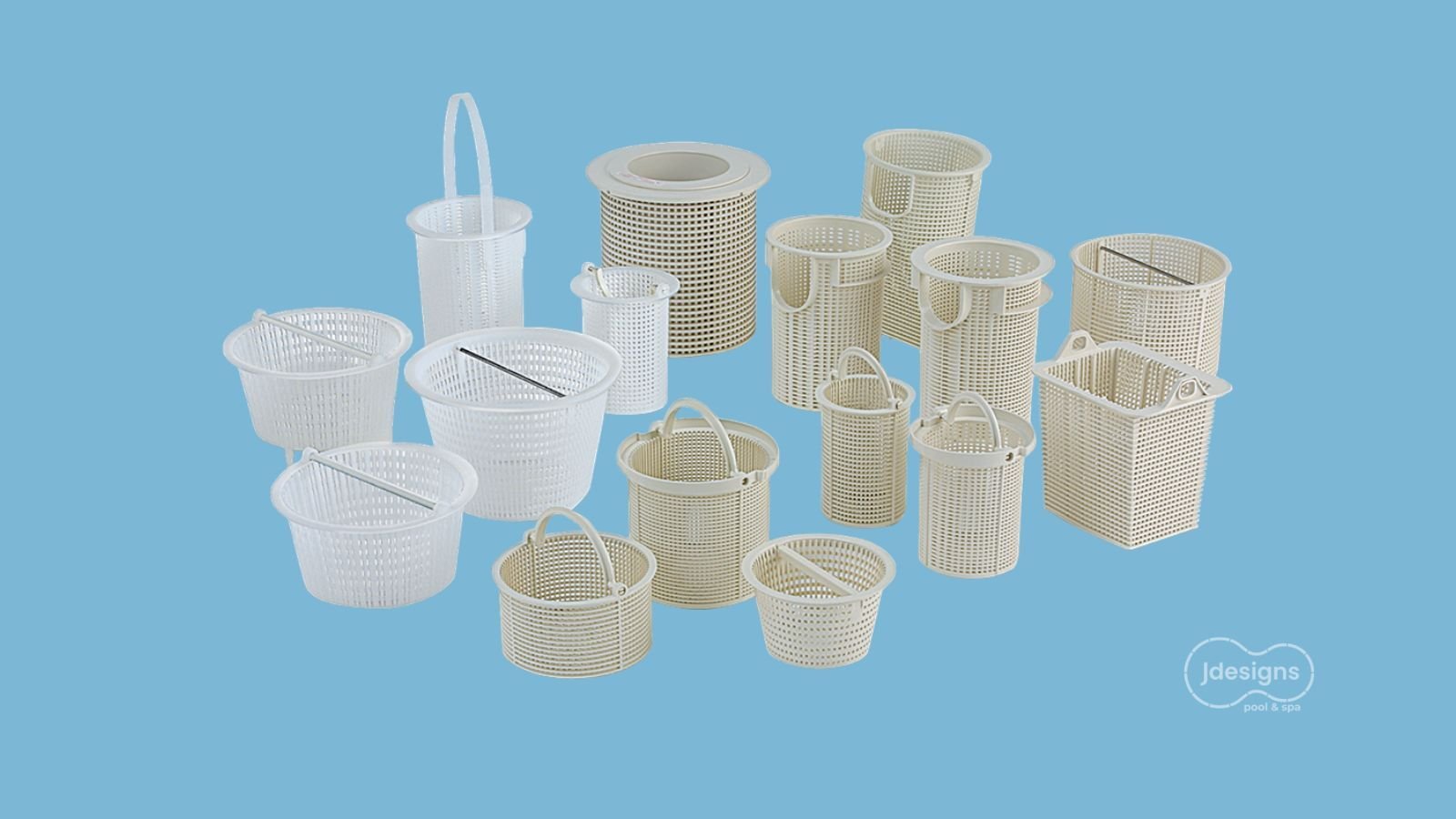
Why the Pump Basket Matters More Than Most Homeowners Realize
From early industrial strainers to modern hydraulic protection systems, the pump strainer basket remains one of the most important control points in a pool’s circulation system. When properly understood, observed, and maintained, it helps protect equipment, preserve flow, and support long-term water clarity and performance.
When most homeowners think about pool equipment, they think of the pump, the filter, or the heater. Few stop to consider the small basket sitting beneath a clear lid at the front of the pump.
Yet that component plays a far greater role than many realize.
The pump strainer basket is not just a debris catcher. It is one of the first protective barriers in the pool's circulation system, and its condition directly affects flow, suction stability, equipment stress, and overall hydraulic performance. In a well-designed pool, even small components matter because the quality of circulation affects everything that follows, from filtration and chemical distribution to equipment longevity and service needs.
Long before residential pools became common, engineers in municipal waterworks and industrial systems were already addressing a basic but critical question:
How do you protect pumps from debris?
In early water systems, raw water often carried leaves, sediment, and organic material. To reduce damage to pumps and downstream equipment, engineers used basket strainers placed upstream of sensitive mechanical components. These strainers were simple, but they served an essential purpose: to intercept debris before it could disrupt the system.
That same principle carried over into pool construction.
As residential pools expanded across California in the mid-20th century, the industry adopted what was commonly known as the hair-and-lint strainer. This chamber was installed ahead of the pump impeller to capture debris before it entered the pump’s internal components.
The purpose has not changed:
Those goals remain just as relevant in modern pools, especially where hydraulic design, energy efficiency, and equipment protection are priorities.
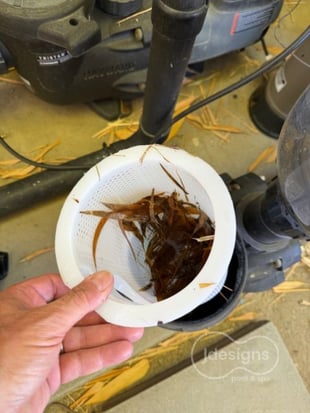
In today’s systems, the strainer basket is typically integrated into the pump housing. Water follows a defined path through the equipment pad:
Pool → Skimmer → Pump Basket → Impeller → Filter → Return
At first glance, the basket appears passive. In practice, it has a measurable influence on the system's performance.
A pump basket directly affects:
As debris accumulates in the basket, water entering the pump becomes restricted. That restriction does not stay isolated in the basket. It creates a chain reaction throughout the hydraulic system, including:
A dirty basket does not simply slow circulation. It changes how the entire system behaves.
That distinction matters. Many pool issues that appear to be filter, chemistry, or pump problems often begin with compromised flow at the front end of the system.
Earlier pool systems often relied on metal housings and basic mesh baskets. These components did the job, but they had limited capacity and were more vulnerable to corrosion.
Modern pump baskets and housings have evolved considerably. Today’s systems commonly include:
That last feature is often overlooked, yet it is one of the most useful improvements in modern pool equipment design.
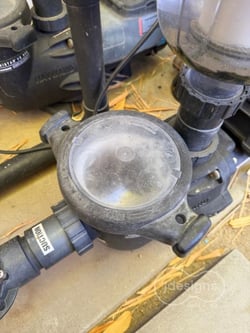
The clear pump lid is more than just a convenience. It is a diagnostic window into the condition of the circulation system.
When a system is operating properly, the basket area should typically show:
When something is wrong, the lid often reveals it immediately.
Air bubbles
May indicate a suction-side air leak, low water level, or a sealing issue at the lid or plumbing connections.
Incomplete basket fill
Can suggest restriction, partial loss of prime, or instability in suction conditions.
Packed debris in the basket
Signals reduced the incoming flow and rising strain on the pump.
Excessive turbulence
May point to velocity problems, poor hydraulic balance, undersized plumbing, or air intrusion.
For an experienced technician, these visual signs can help identify developing problems before they turn into expensive equipment failures. For a homeowner, a quick look through the lid can become a simple habit that helps protect the entire investment.
It's important to also understand that some pumps will never flood properly, which is likely the result of an undersized plumbing and hydraulic system, and NOT a debris blockade issue.
Despite its importance, the pump basket has a clear limitation: it is primarily designed to capture larger debris.
It is effective at stopping:
But finer contaminants continue downstream, including:
These smaller materials bypass the basket and move on to the filter, where they increase loading and can shorten cleaning intervals.
This is one reason professional hydraulic planning matters. A well-performing pool system is not built around a single component doing all the work. It is built around a sequence of protective stages, each reducing the burden on the next.
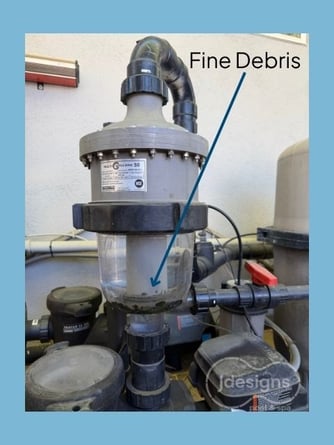
As pool design has become more performance-focused, many higher-level systems now incorporate pre-filtration ahead of the pump basket.
This creates a layered approach to circulation protection rather than relying on a single debris collection point.
An inline pre-filter is installed upstream of the pump to intercept debris earlier in the process:
Pool → Pre-Filter → Pump Basket → Pump → Filter
This additional stage can help:
Cyclonic separators take the concept further by using centrifugal action rather than a traditional screen or basket.
In this type of system:
The advantages can include:
This reflects a broader shift in modern pool design: moving from reactive maintenance to proactive system engineering.
The most effective pool systems do not depend on a single component. They work in layers.
A well-structured circulation strategy may include:
Each stage reduces the load on the next.
The result is a system that can operate more smoothly, maintain a more stable flow, support better filtration, and reduce unnecessary strain on equipment. That is especially important in pools with mature landscaping, recurring exposure to debris, aging equipment, or hydraulic layouts that were never properly optimized in the first place.
Even the most advanced equipment depends on regular observation.
The pump basket remains one of the first places where restriction shows up, and a simple daily or routine visual check can help prevent a much larger problem.
A quick look through the clear lid may help you:
When ignored, small restrictions can build into larger system failures. Reduced flow affects more than equipment. It can also affect water clarity, sanitation effectiveness, heating performance, and the overall pool-use experience.
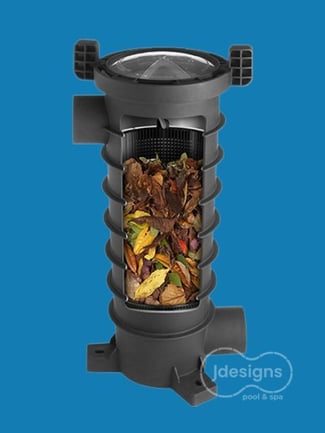
In every pool system, some components do the heavy lifting, while others quietly determine how well everything works. The pump strainer basket belongs in the second category.
It connects early engineering principles with modern hydraulic protection. It helps regulate flow, protects mechanical components, and provides immediate visual feedback on the system's condition.
That is why at J Designs Pool & Spa, we do not view the pump basket as a minor maintenance item. We see it as a control point where performance, design, and day-to-day operation intersect.
When circulation is understood at this level, the benefits are felt throughout the pool:
And ultimately, a better ownership experience.
If your pool is experiencing recurring debris issues, inconsistent flow, cloudy water, frequent filter loading, or aging equipment, it may be time to evaluate the circulation system as a whole. A professional review of hydraulic performance, equipment condition, and maintenance strategy can help identify the root cause of the problem and protect the pool's long-term value. Learn everything about filtration , Pool Filters 101

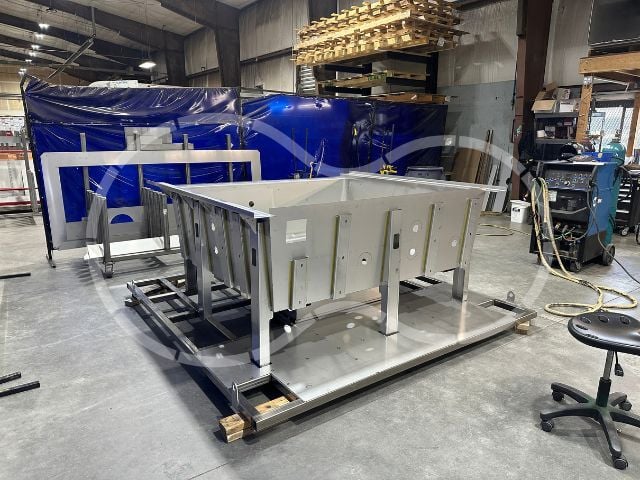 JC Escudero: Oct 1, 2026
When most homeowners picture a swimming pool, they probably picture a concrete or shotcrete structure built into the ground.
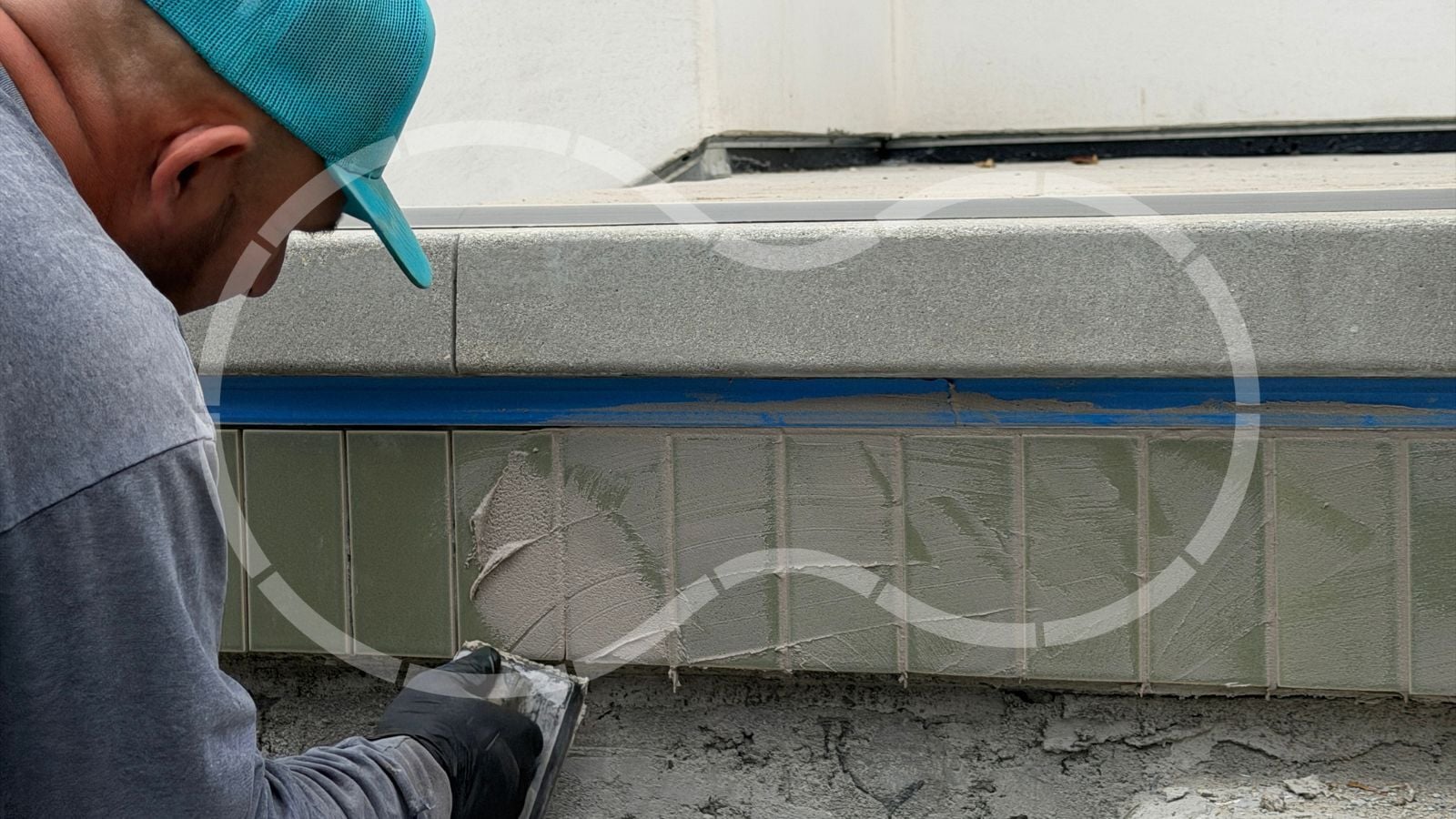 JC Escudero: Sep 26, 2026
When most homeowners choose tile for a swimming pool, they naturally focus on the tile itself: the color, shape, texture, and overall design, because...
 JC Escudero: Sep 23, 2026
Planning a custom pool involves dozens of decisions about shape, depth, materials, and features. Get one wrong, and you could face expensive rework...
 JC Escudero : Mar 12, 2026
Learn why CO₂ pool systems gently control pH, reduce harsh acid use, protect plaster and equipment, keeping balanced water for eyes, skin, in Los...
 Daniela Escudero : May 21, 2025
Salt pool stains are caused by corrosion, high pH, and poor salt quality. Find out how to prevent and remove stains for a crystal-clear pool!
Hiring a pool service company? Learn how to choose the right provider with 5 expert tips on licensing, pricing, services, and safety compliance.