
How 3D Pool Design Prevents Construction Mistakes
 JC Escudero: Sep 23, 2026
Planning a custom pool involves dozens of decisions about shape, depth, materials, and features. Get one wrong, and you could face expensive rework...
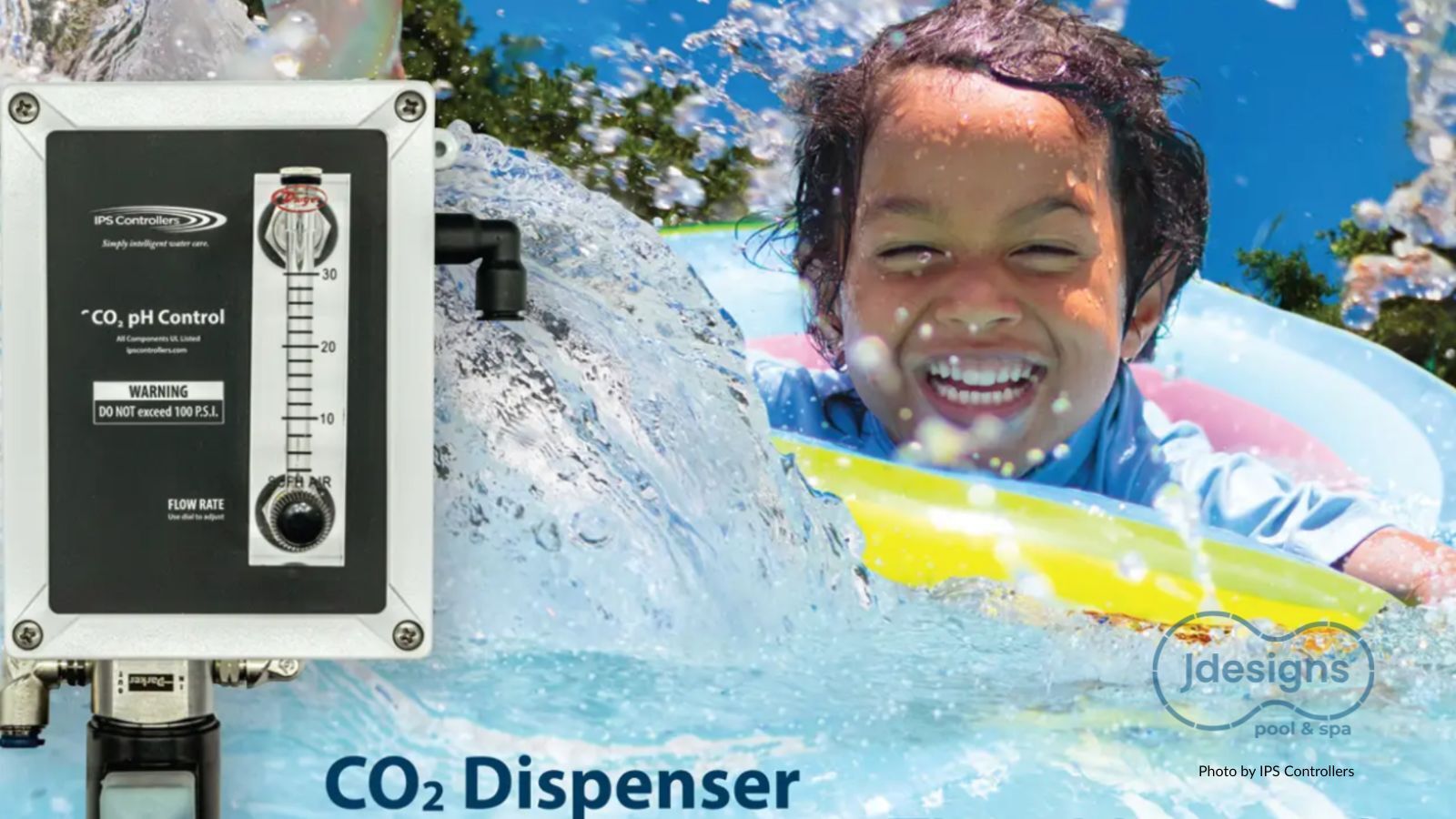
Are you tired of working with harsh acid just to keep your pool balanced in Los Angeles?
Have you ever opened a container of muriatic acid and thought, “There has to be a safer, smarter way to do this”?
You may have heard that carbon dioxide (CO₂) can help control pool pH without constantly pouring in strong liquid acid, but you might not be sure how it works, or whether it’s truly better for your pool and equipment.
This article will walk you through, in clear terms:
- What a CO₂ pool system is
- How it lowers pH
- Why some pools choose CO₂ instead of muriatic acid
- What equipment is involved
- When CO₂ may not be the right choice
By the end, you’ll have a straightforward understanding of whether a CO₂ system is a good fit for your pool and your long-term investment.

Carbon dioxide (CO₂) is a gas, the same gas you breathe out and the same one that makes soda fizzy.
In swimming pools, CO₂ is used to lower pH levels in a controlled, predictable way.
![Copy of [TEMPLATE] Vertical Blog Visual (2)](https://www.jdesigns.com/hs-fs/hubfs/Blog%20-%20Visual%20Assets/Sports%20and%20exercise%20blog/Copy%20of%20%5BTEMPLATE%5D%20Vertical%20Blog%20Visual%20(2).jpg?width=251&height=335&name=Copy%20of%20%5BTEMPLATE%5D%20Vertical%20Blog%20Visual%20(2).jpg)
Think of pH like a balance scale for your water.
- When pH is too high, like 7.8 - 8+ the water can turn cloudy and leave white, crusty scale on tile, plaster, stone, and equipment.
- When pH is too low, 7.3 or less the water becomes too aggressive and can slowly damage plaster, grout, tile, metal parts, and pool heaters.
Most pools should stay in a pH range of about 7.2 to 7.6 and the optimal level is 7.5. A CO₂ system helps gently bring high pH back into that safe range.
When CO₂ mixes with water, it forms a very weak acid. This weak acid is much gentler than strong acids like muriatic acid, so it can lower pH without attacking your finishes and equipment when used correctly.
Let’s break it down step by step in simple terms.
Step 1: CO₂ Is Injected Into the Water
CO₂ gas is stored in a pressurized tank.
While the pool pump is running, small amounts of gas are released into the pool’s plumbing line.
Step 2: The Gas Mixes With the Water
As CO₂ blends with the moving water, it turns into carbonic acid.
Don’t let the word “acid” worry you, this is a weak, gentle form of acidity, similar to what you experience in carbonated drinks.
Step 3: The Water Becomes Slightly More Acidic
This weak acid slowly lowers the pH. It doesn’t “shock” the water or cause sudden drops. Instead, the change is more gradual and controlled.
Step 4: The Pool Naturally Buffers Itself
Here’s where CO₂ is different from strong acids.
Traditional acids lower both the pH and Total alkalinity
CO₂ mainly lowers pH while having much less impact on alkalinity. Alkalinity acts like a cushion, it helps prevent big pH swings and adds stability to your water chemistry.
Because CO₂ respects that natural buffer, it tends to work with your pool’s chemistry instead of fighting against it.
Many owners, especially those concerned about safety and protecting finishes, are drawn to CO₂ for several reasons.
Muriatic acid is a very strong chemical.
If it’s handled incorrectly or accidentally mixed with certain forms of chlorine, it can produce dangerous chlorine gas.
With CO₂, you’re handling compressed gas instead of a corrosive liquid.
While gas cylinders still require respect and proper handling, the day-to-day risk of splashes, fumes, and accidental mixing with chlorine is reduced.
If strong acid doesn’t mix evenly, it can create “hot spots” in the water, small areas that are much more acidic than the rest. Over time, those hot spots can lead to:
Etching of plaster - Pitting - Surface thinning and premature wear
CO₂ enters as a gas and dissolves more evenly into the water flow. Used correctly, it lowers pH without the same risk of localized damage to plaster and tile.
Water that is too acidic can attack:
Heater heat exchangers - Pump seals - Metal ladders and handrails - Certain plumbing components
Because CO₂ typically lowers pH gradually and helps keep alkalinity more stable, the water is less aggressive. This can help extend the life of major equipment and reduce unexpected repair costs.
CO₂ systems are often paired with automatic pH controllers.
These controllers “read” the water and feed in very small doses as needed. This slow, steady approach makes it harder to overshoot and drive the pH too low.
Instead of reacting with big corrections, CO₂ systems are designed for consistent, fine-tuned control.
Here is a simple comparison:
| Feature | CO₂ | Muriatic Acid |
|---|---|---|
| Lowers pH | Yes | Yes |
| Lowers Alkalinity | Very little | Yes |
| Speed | Slower, gradual | Fast |
| Risk of Chlorine Gas | No | Yes |
| Surface Impact | Gentle | Can etch |
| Upfront Cost | Higher | Lower |
Neither option is “magic.”
They are simply different tools. CO₂ offers more control and stability; acid is faster and cheaper upfront but can be harsher on finishes and equipment if misused.
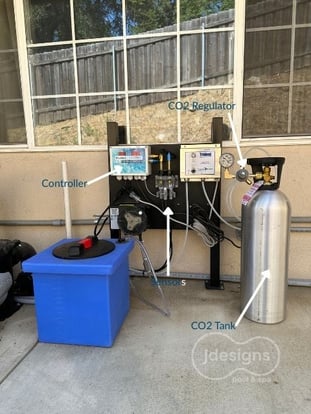
A typical CO₂ system includes:
1. CO₂ Tank
A pressurized cylinder (often 20 lb or 50 lb for many pools). Larger commercial pools may use bigger bulk tanks.
2. Regulator
This controls how much gas leaves the tank, similar to a faucet, but for gas instead of water.
3. Sensors - Probes
An electronic on/off switch that opens and closes based on signals from the pH controller.
4. Injection or Diffusion Kit
This device helps the gas mix thoroughly into the moving water so the CO₂ is used efficiently.
5. pH Controller
A controller that continuously monitors the water’s pH. When pH rises above your set point, it signals the system to add CO₂. For reliable performance, the pH sensor must be kept clean, calibrated, and in good working order.
A CO₂ system is not something you install and forget. To keep it reliable and safe, you should plan for:
- Refilling tanks, often every 1–3 months depending on pool size and bather load
- Cleaning and calibrating pH sensors, usually about once a month
- Checking lines and fittings for gas leaks
- Performing hydrostatic testing on cylinders as required (typically every 5–12 years, depending on regulations and tank type)
The ongoing work is manageable, but it does require attention, similar to any other piece of pool equipment you depend on.

So far, we’ve focused on how balanced water protects plaster, tile, and equipment. But it’s just as important for the people in the water.
When pH and overall water balance stay in the proper range, your sanitizer works the way it should and the water feels comfortable on skin, eyes, and lungs. When pH drifts high or low and swings around, swimmers start to feel it.
Water that is too acidic or too alkaline can:
When pH is kept steady around the ideal range (close to 7.5), the water is closer to the natural pH of your eyes and tears. That means:
In partially enclosed or high-use pools, poor water balance can also affect how the air feels to breathe. When pH and sanitizer levels are off, irritating byproducts can build up at the water surface and in the air just above it. That can lead to:
Keeping water balanced and stable helps your primary sanitizer work efficiently and reduces these irritating byproducts, which supports clearer, more comfortable air around the pool.
Balanced water isn’t just about a “good swim day” in Los Angeles. Over time, consistent, properly managed water:
A well-tuned CO₂ system helps maintain that steady balance, so you’re not only protecting finishes and equipment, you’re also protecting the people who use the pool week after week.
CO₂ is not right for every pool. It may not be ideal if:
- You have a very small residential pool with simple needs
- You do not use (or want) any automation
- You need very fast, one-time pH corrections instead of steady control
- Your main concern is keeping upfront costs as low as possible
The equipment and setup for CO₂ do cost more at the beginning. For some pools, especially small or low-use residential pools, a carefully managed acid program can be perfectly acceptable.
CO₂ tends to be a better fit for automated systems and commercial or high-use pools where stability, safety, and long-term surface and equipment protection are a priority.
A CO₂ system may be worth serious consideration if:
- You want safer, cleaner day-to-day chemical handling
- You care about protecting plaster, tile, and equipment over many years
- You manage a commercial, community, or heavily used residential pool
- You already use (or plan to install) automated chemical controls
If your main concern is initial cost and you don’t need automation, a traditional acid approach can still work, provided it’s managed carefully and professionally.
There is no one-size-fits-all solution. The goal is to choose the method that best protects your pool, your guests, and your investment.
If you’re frustrated with handling strong acids or fighting unstable pH levels, a CO₂ system offers a different way to manage water balance. Instead of forcing the water with harsh swings, it supports a smoother, more stable chemistry.
Now that you understand the basics of how CO₂ systems work in your Los Angeles pool, your next step is to compare:
- Installation and equipment costs
- Ongoing maintenance and refills
- Long-term impact on finishes and equipment for your specific pool.
Choosing the right pH control method isn’t just about chemicals, it’s about safety, longevity, and peace of mind every time you step into your backyard or commercial pool environment.

 JC Escudero: Sep 23, 2026
Planning a custom pool involves dozens of decisions about shape, depth, materials, and features. Get one wrong, and you could face expensive rework...
 JC Escudero: Sep 19, 2026
Your pool's circulation doesn't simply begin at the pump.
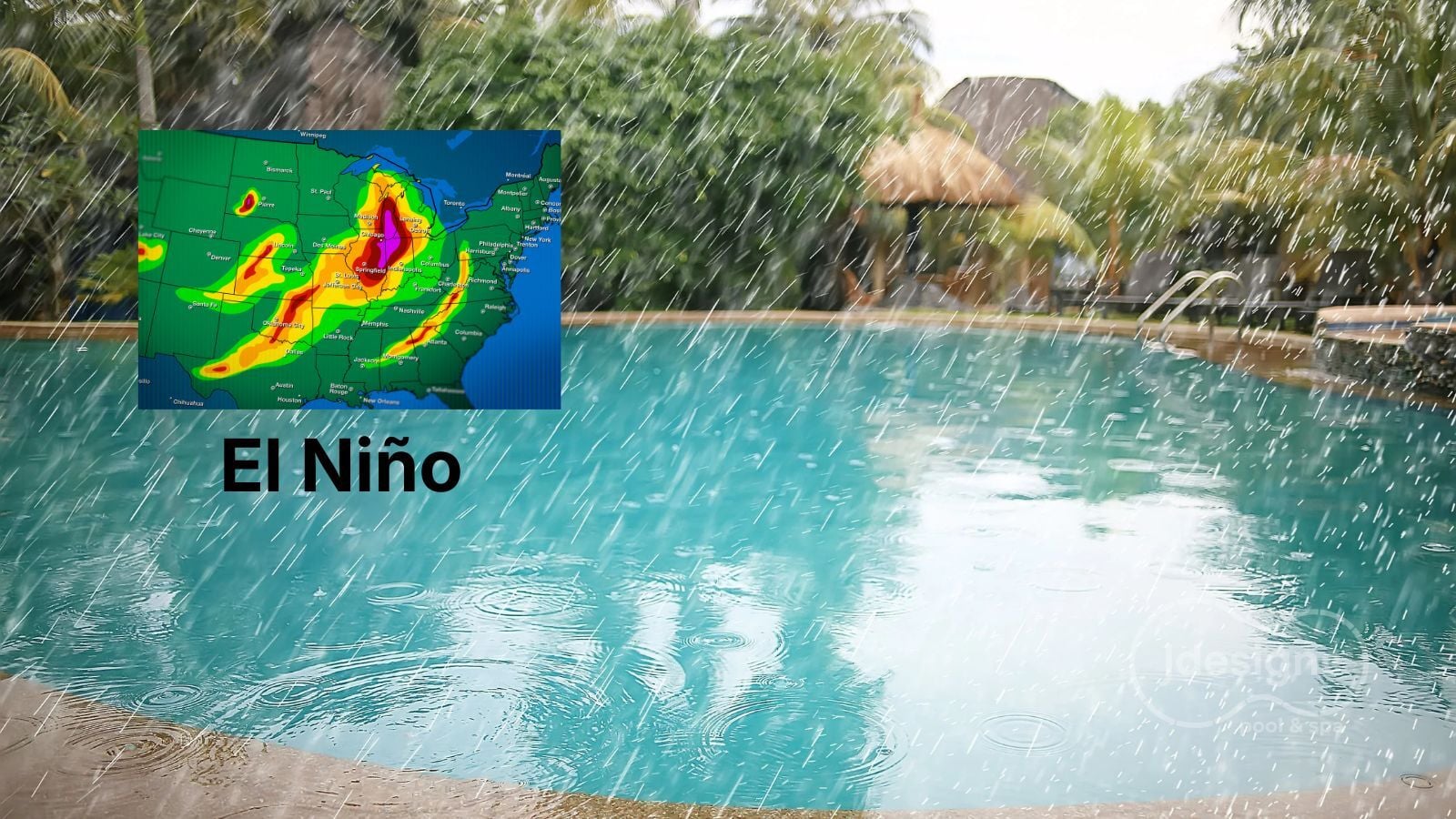
After heavy rain, don't automatically shock your pool or add chemicals. Test the water first.
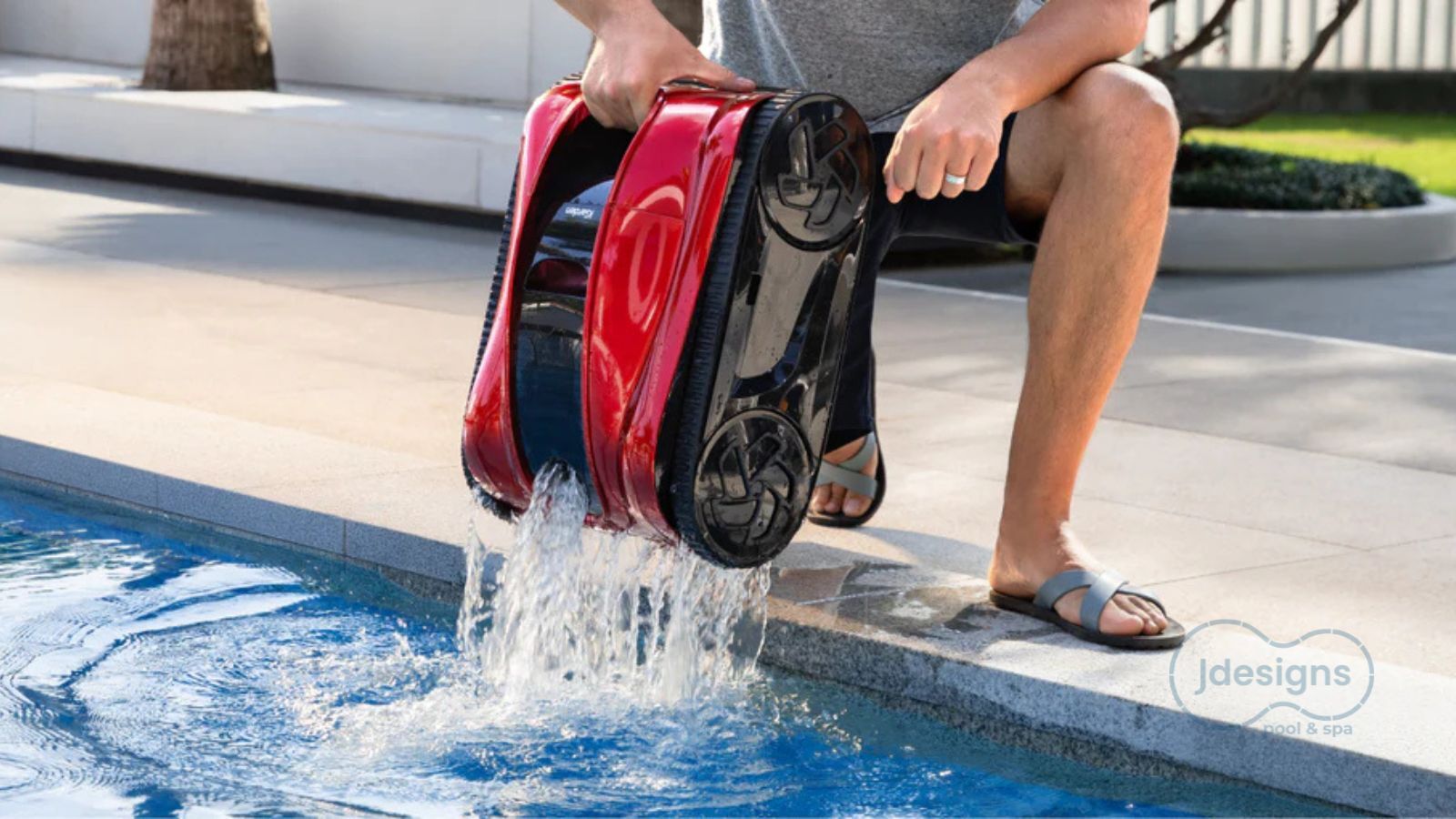
Compare corded, cordless & solar robotic pool cleaners by price, lifespan, and warranty to find the best fit for your pool in Los Angeles.
 JC Escudero : Oct 25, 2025
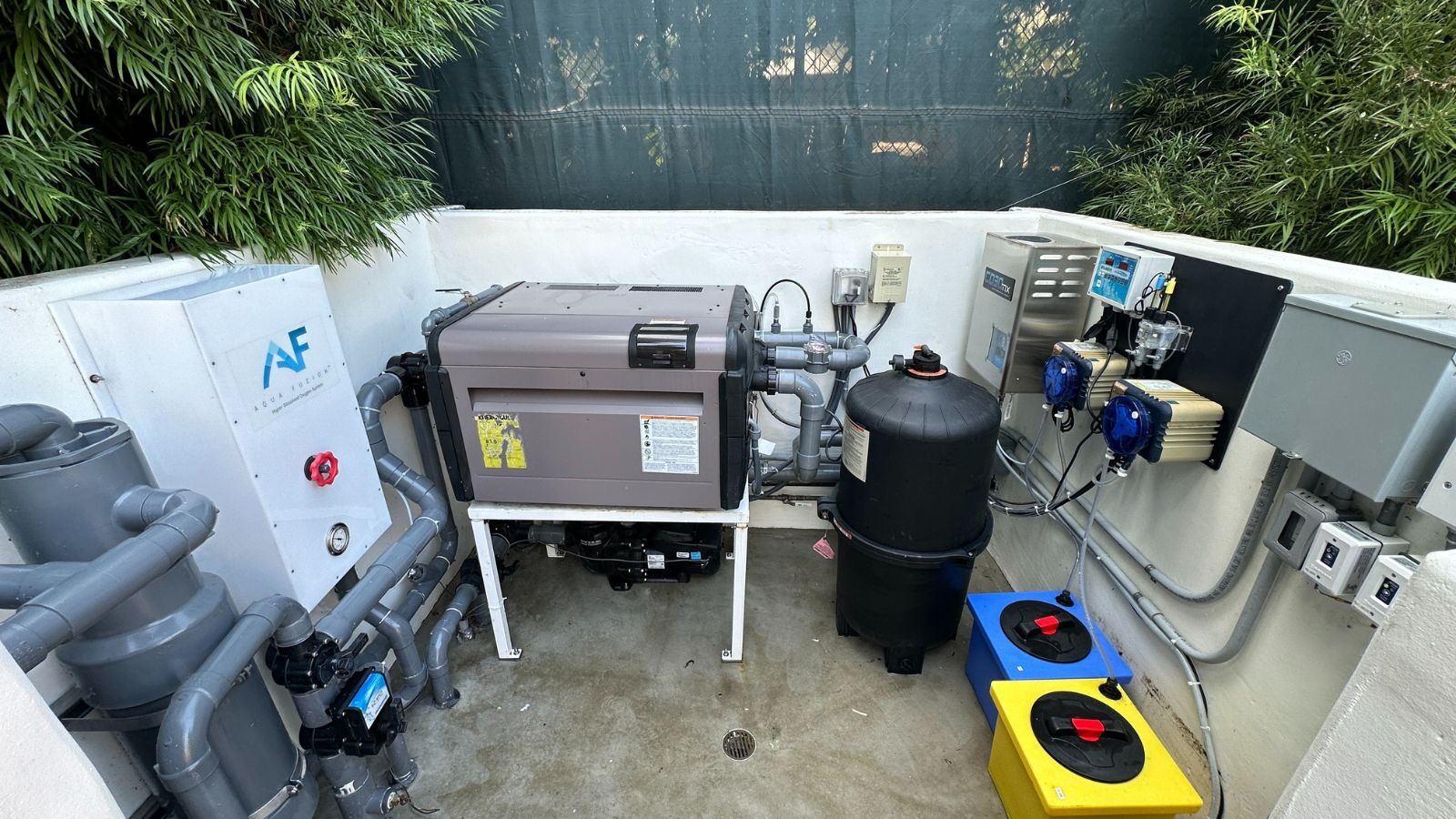
Why do pool builders always stick to one equipment brand? Discover the real reasons and how cost, service, and warranty affect your pool in the long...
 JC Escudero : Jan 3, 2026
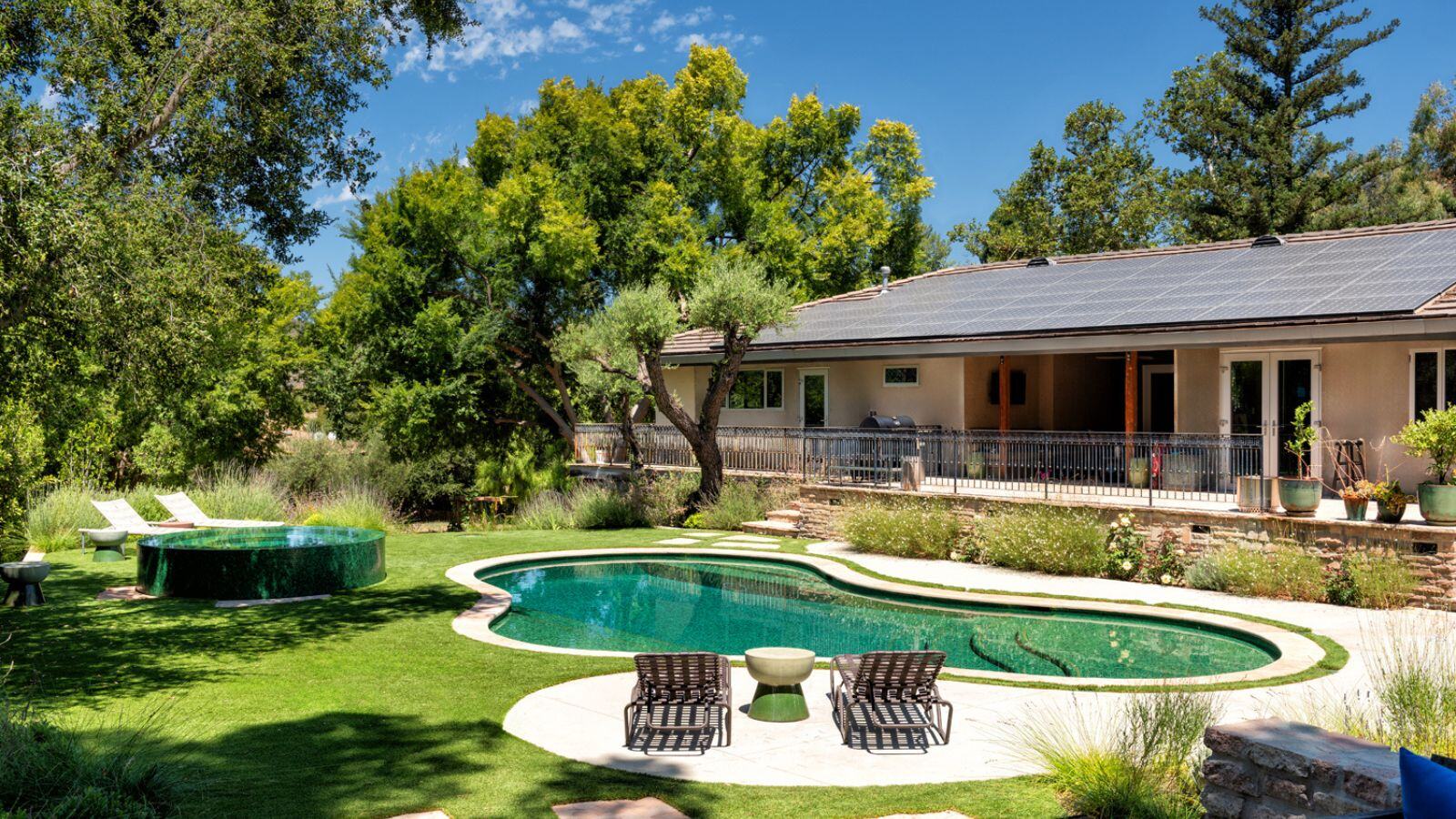
Discover the top 2026 pool design trends, from shapes and colors to fire pits, acrylic windows, and smart tech. Get inspired to build your dream pool.