
 Daniela Escudero
Stainless Steel Pools in Los Angeles: When Do They Make Sense?
 JC Escudero: Oct 1, 2026
When most homeowners picture a swimming pool, they probably picture a concrete or shotcrete structure built into the ground.
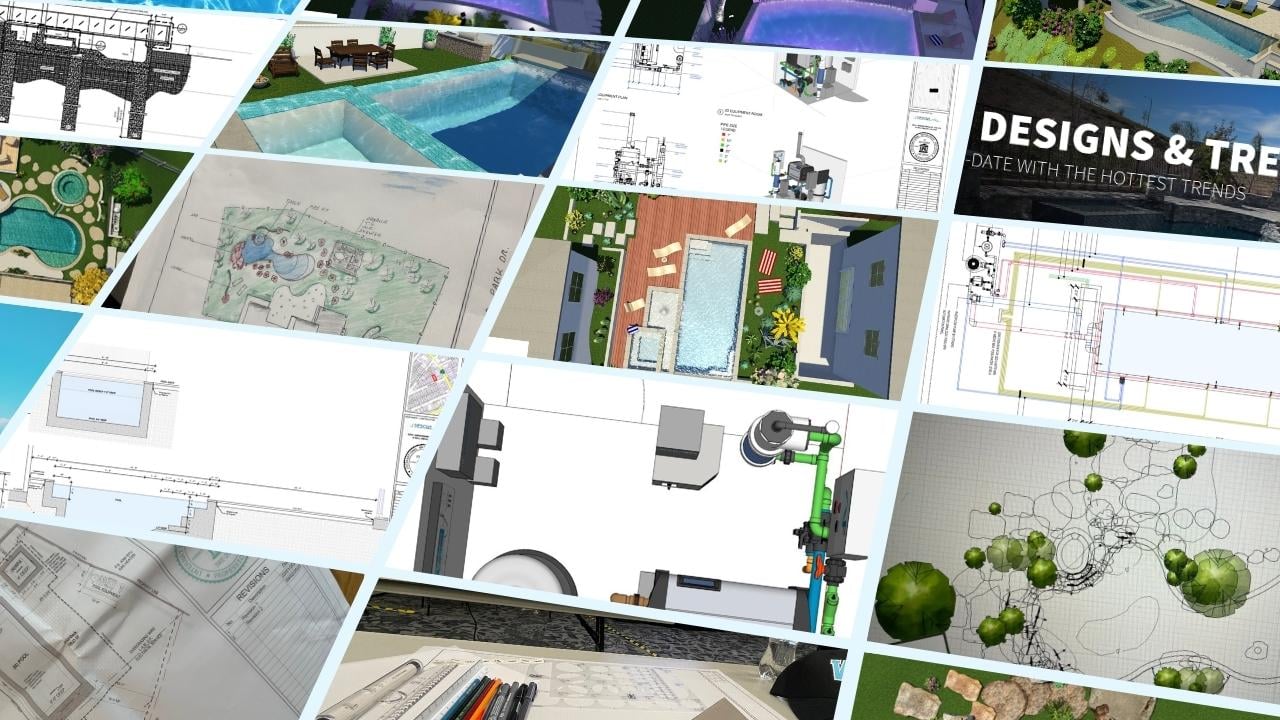
The allure of customization makes luxury pools stand out, but with flexibility comes risk. Many homeowners believe that, once their pool design is approved, engineered, and permitted, the complex phase is behind them. Unfortunately, significant changes during construction can trigger far-reaching complications, many of which are invisible until they become costly and time-consuming.
At J Designs, our experience in high-end builds reveals a consistent truth: significant mid-project changes are not simply a matter of “adjusting plans.” They set off a domino effect, impacting engineering, permitting, construction schedules, workflow sequencing, agency reviews, and often, your final investment.
This third article in our series brings transparency to the actual impacts of post-permit changes in Los Angeles. We detail the realities every homeowner should understand, highlighting why early, informed decisions and strict alignment with certified professionals are essential to protecting your project at every stage.
High-end pools, especially on complex sites or hillside lots, depend on precise calculations of loads, soil, reinforcement, and structural design. A midstream alteration, moving the pool’s location, raising a wall, revising steps or spa locations, necessitates. Even changing the size of the benches inside the pool can trigger engineering modifications.
- New soils and geotechnical evaluation
- Redrawn structural steel and shotcrete plans
- Revised bond beam, footings, and waterproofing specifications
- New hydraulic and plumbing layouts to maintain system integrity
These are not minor adjustments; they require engineers, draftsmen, and city plan reviewers to reassess the entire structure's safety.
Each change halts progress until new engineered drawings are reviewed and approved by the city building department or the Los Angeles planning department. Crews must pause; all momentum is lost, and every delayed week adds cost. Relying on proper documentation and engineering is non-negotiable for safety, code compliance, and durability.

Municipalities in Los Angeles, treat major design modifications as new projects, triggering:
- Full plan re-submittal and fresh review cycles
- Additional municipal and agency fees
- Restarted inspection sequences
- Required updates to grading, drainage, and compliance documents
Critically, the original permit "never" covers work outside its approved scope; any structural, drainage, or safety-impacting adjustments require fresh approvals. This extends timelines and increases risk unless every step is managed by a professional who is familiar with the jurisdictional requirements.
Changes may draw in not only building officials, but also:
- Fire Department: For any revisions to access, setback, or gas lines (including fire pits and proximity to slopes).
- Utility Providers: Changes to electrical drops, underground feeds, sewer, or water/gas routing can result in 2–3 month delays as agencies process relocation requests.
- County/Environmental Agencies: Adjustments impacting drainage, retaining walls, hillsides, or soil export trigger additional review for code and environmental health.
Homeowners are often unaware that even minor field changes can send an entire project back through multiple approval loops. Only seasoned professionals can anticipate and preempt such impacts.
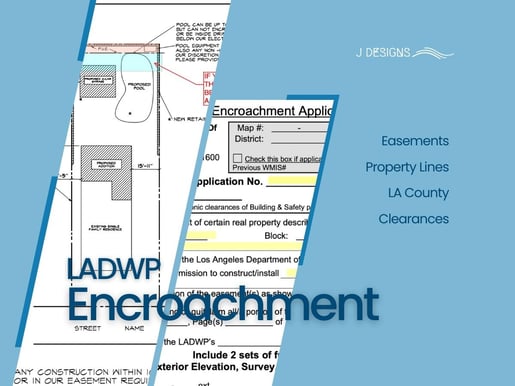
Seemingly small footprint changes risk encroaching on utility, drainage, or slope easements, as well as building setbacks. Infringing, even by a few inches, can mandate:
- Redesign and costly relocation of completed work
- Fines and municipal stop-work orders
- Demolition of non-compliant construction
Professional planning and site assessment during pre-construction are essential to safeguard against these devastating and avoidable setbacks.

Every change ripples out; one structural move can force adjustments to:
- Lighting and electrical layouts
- Plumbing/jet runs and hydraulic flow
- Equipment placement, spa/pool elevations, tile lines
- Waterproofing seams and deck paver slopes
- Specialized elements like infinity edges or integrated features.
These interconnected systems mean that mid-design changes almost always raise the overall cost and complexity far beyond what’s anticipated.
Major design modifications create gaps and inefficiencies: engineers and city officials require weeks for re-approval; crews and subcontractors demobilize and cannot always return on demand; trades must re-sequence their work. Previously coordinated materials may no longer align with revised plans, and optimal construction seasons may be missed, thereby escalating both labor and material costs.
Changes upstream often invalidate previous inspections, resulting in:
- Re-inspections for pressure, structure, and safety
- Additional municipal fees
- Extended scrutiny of utility and bonding work
Failing to follow proper inspection protocols not only extends timelines but may also jeopardize warranty coverage, insurance, and even future home-sale disclosures.
When structural elements are altered without engineering oversight or written documentation, it can:
- Jeopardize builder or homeowner liability coverage
- Lead to rejected warranty claims on finishes or waterproofing
- Void certifications of code and safety compliance. Professional, licensed oversight is essential to ensure that every change is recorded, permitted, and warranted in the long term.
Post-permit design changes are sometimes necessary, but each one carries very real risks, delays, extra costs, regulatory setbacks, and even compliance failures. The key to a successful high-end pool project is decisive early planning, transparent engagement with credentialed professionals, and a willingness to pause and assess the broader consequences before committing to change. At J Designs, we educate and guide every client through these nuances so that your project results in the value, beauty, and long-term protection you deserve.
This article is part of a series. Check out the next one: When Luxury Pool construction goes wrong.

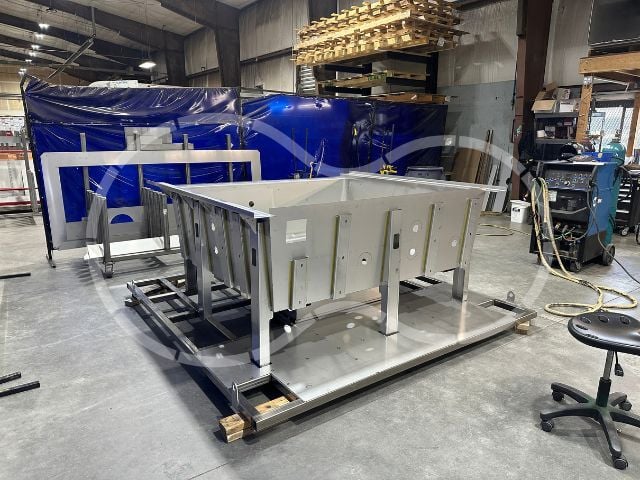 JC Escudero: Oct 1, 2026
When most homeowners picture a swimming pool, they probably picture a concrete or shotcrete structure built into the ground.
 JC Escudero: Sep 26, 2026
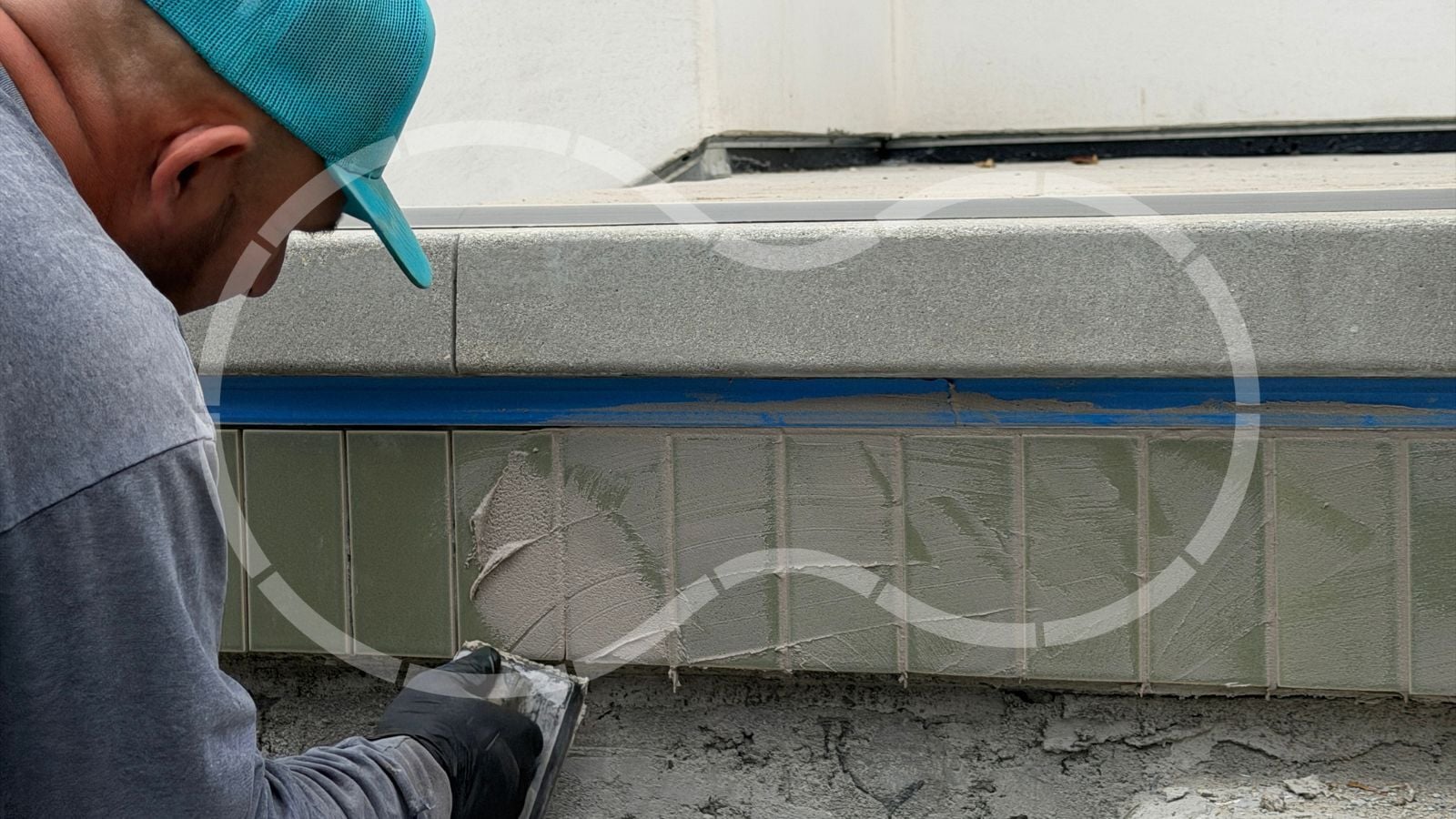
When most homeowners choose tile for a swimming pool, they naturally focus on the tile itself: the color, shape, texture, and overall design, because...
 JC Escudero: Sep 23, 2026
Planning a custom pool involves dozens of decisions about shape, depth, materials, and features. Get one wrong, and you could face expensive rework...
 JC Escudero : Aug 1, 2025
Learn about H/4 setbacks, grading limits, erosion control, and drainage rules for building swimming pools on hillside properties in LA and LA County.
 JC Escudero : May 10, 2025
Discover the role of caissons in pool excavation. Learn how they stabilize the foundation and enhance pool stability. Dive into this comprehensive...
 JC Escudero : Oct 30, 2025
Discover how to design the best indoor pool for your home. Learn about costs, HVAC, waterproofing, and key tips to create a beautiful,...