
 Daniela Escudero
Stainless Steel Pools in Los Angeles: When Do They Make Sense?
 JC Escudero: Oct 1, 2026
When most homeowners picture a swimming pool, they probably picture a concrete or shotcrete structure built into the ground.
A backyard swimming pool is one of the best features a California home can have. It’s where families relax, exercise, and gather with friends, but any pool, especially one just outside the back door, also comes with real safety responsibilities, especially if you have children, grandchildren, or pets.
Drowning is still one of the leading causes of accidental death for young children, often during brief moments when adults are distracted. That’s why safety professionals and California building codes emphasize strong physical barriers that block unsupervised access. The goal is simple: children and pets should never reach the water without an adult.
Effective pool safety relies on “layers of protection,” not a single device. Fences, self-closing gates, door and water alarms, automatic covers, clear views from the house, and healthy, well-maintained water all work together to lower risk and support long-term health.
One of the most important layers is a dedicated pool safety fence that separates the water from the rest of the yard. In this article, we’ll explain what California law requires, how pool fences help you stay compliant, and why removable mesh pool fences have become a preferred choice for homeowners who want strong safety, flexibility, and a clean, modern look.
When you build or remodel a swimming pool or spa at a private single‑family home in California, you must comply with the state’s Swimming Pool Safety Act, found in California Health & Safety Code 115920–115929. This law was originally adopted in the late 1990s and was most recently strengthened by Senate Bill 442, the Pool Safety Act (SB 442), approved October 11, 2017, and effective January 1, 2018.
Under Health & Safety Code 115922, whenever a building permit is issued for a new residential pool or spa, or for the remodeling of an existing one, the pool or spa must be equipped with at least two (some municipalities require 3) of seven approved drowning‑prevention safety features. These recognized safety features include:
Most municipalities in Los Angeles won’t finalize a pool permit until an inspector confirms at least two approved safety features, often a code‑compliant fence plus a removable mesh fence, alarms, or a safety cover. A removable mesh fence is a common choice because it creates a dedicated barrier around the water while still allowing easy maintenance and entertaining.
How a Pool Fence Helps Prevent Drownings
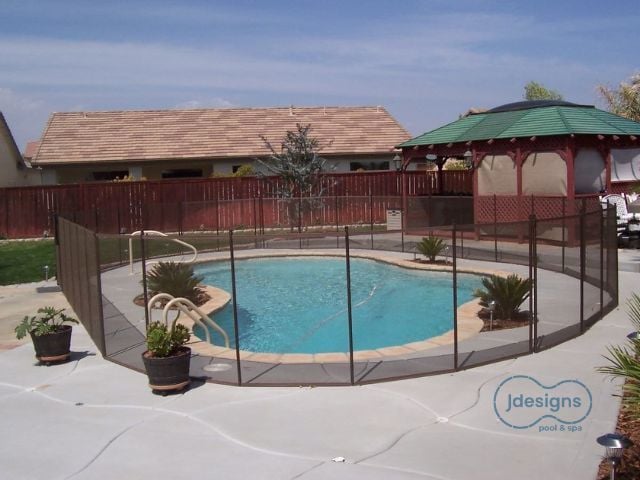
A dedicated pool fence works by creating a true safety barrier around the water, not just around the yard. Instead of relying solely on doors, sliders, or a perimeter property fence, a properly designed pool safety fence separates the pool itself from play areas, patios, and walkways. That separation is what stops small children or pets from wandering straight to the water when an adult is momentarily distracted.
A code‑compliant pool fence also creates a single, controlled entry point through a self‑closing, self‑latching gate. That gate becomes the only normal way into the pool area, making it easier for adults to see who is entering and to keep the gate latched when the pool is not in use.
Key safety advantages of a dedicated pool fence include:
Because of these advantages, and because they align with California’s Swimming Pool Safety Act requirements, removable pool fences, especially modern mesh systems, are widely used by homeowners, builders, and safety professionals as a core layer in a multi‑layered pool safety plan.
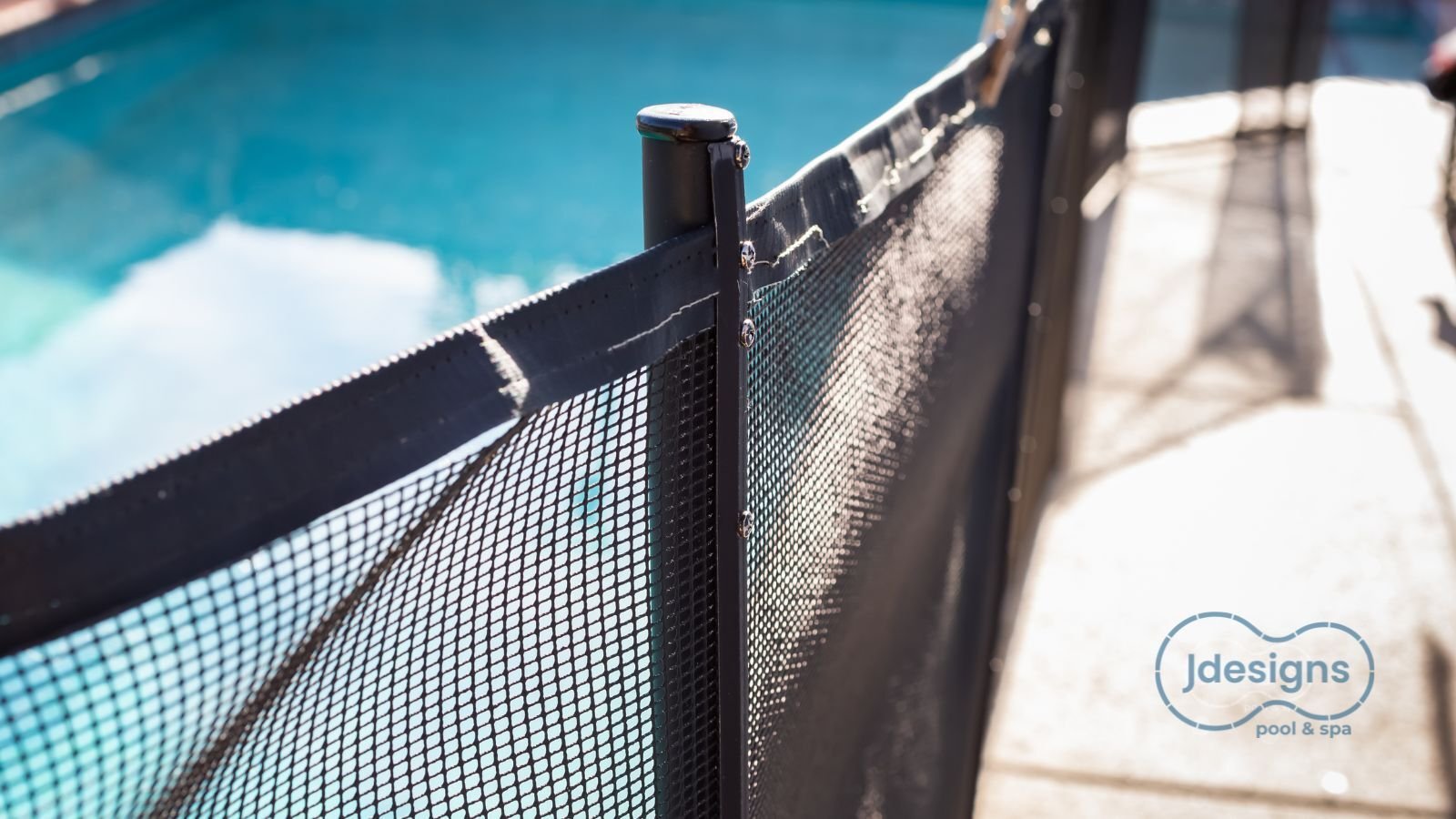
Removable mesh pool fences have become one of the most widely used safety barriers for residential pools in California. They provide strong, code‑compliant protection while staying visually light and easy to live with day‑to‑day. Note that many municipalities do not allow these to be removed and require special fasteners that prevent removal without a special tool.
The mesh design allows parents and caregivers to see directly into the pool area while still maintaining a secure barrier. This is especially helpful when you’re supervising from the kitchen, patio, or a shaded seating area.
Mesh fence sections can be laid out around freeform, geometric, hillside, and remodeled pools. Installers can follow existing hardscape and landscaping.
For homes without young children living on the property, the fence can be temporarily removed for events, photo shoots, or major maintenance, then reinstalled. However, when infants, toddlers, or young children live in or frequently visit the home, safety professionals strongly recommend treating the mesh fence as a permanent, always‑in‑place barrier, not something that is taken down for convenience. The moment the fence is removed, that critical layer of protection is gone.
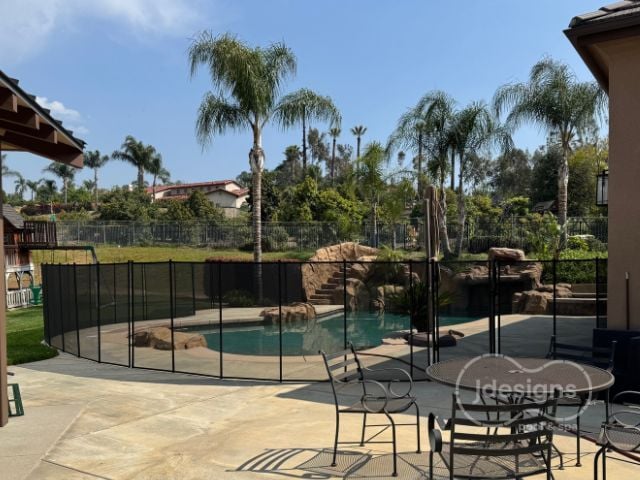
Compared with solid walls or heavy iron, a low‑profile mesh system tends to “disappear” into the landscape. Dark‑colored mesh and slim posts preserve sightlines to the pool, views, and planting design, which is important for higher‑end backyards and hillside or view properties.
A high‑quality removable mesh fence is engineered to handle years of sun, water, and use without sagging or corroding. Professional‑grade systems typically include:
When properly specified and installed, these materials help ensure the fence remains safe, secure, and functional for many seasons, while still giving homeowners the flexibility to adapt the layout or sections in the future if their needs change.
However, it’s important to understand that not every mesh fence that looks “heavy‑duty” online will meet Los Angeles or California pool safety requirements. Many low‑cost kits shipped from outside California are not designed to comply with the Swimming Pool Safety Act, ASTM F2286 mesh‑fence standards, or local building and inspection practices.
Before purchasing a system, especially from an out‑of‑state or online‑only source, homeowners should confirm that the product and installation details are acceptable to their local building department and will pass final inspection.
A pool fence only does its job if it is installed correctly and truly meets current safety standards. In Los Angeles, and especially in cities like West Hollywood or Beverly Hills, where inspectors look closely at pool barriers, professional installation is often the difference between a fence that “looks secure” and one that is set up so it's ready for LA's final inspection, not just "close enough".
Professional installation helps ensure that:
Many manufacturers require certified or documented installation for their safety ratings and warranties to remain valid, and inspectors are far more likely to sign off on a fence that’s been installed by a licensed, code‑familiar contractor.
The cost of a pool safety fence depends on your yard's layout and the quality of the system you choose. For removable mesh fences, most projects are priced per linear foot.
Professionally installed removable mesh pool fences typically cost between $40 and $55 per linear foot in Los Angeles.
For most residential pools, homeowners can expect to invest between $3,500 and $5,000, depending on the pool size, layout, and number of safety gates.
Key factors that affect the final price include:
For most families, a properly designed pool fence is a small fraction of the overall pool investment, but it provides one of the most important returns: a safer environment for children, pets, and guests every time they step into the backyard.
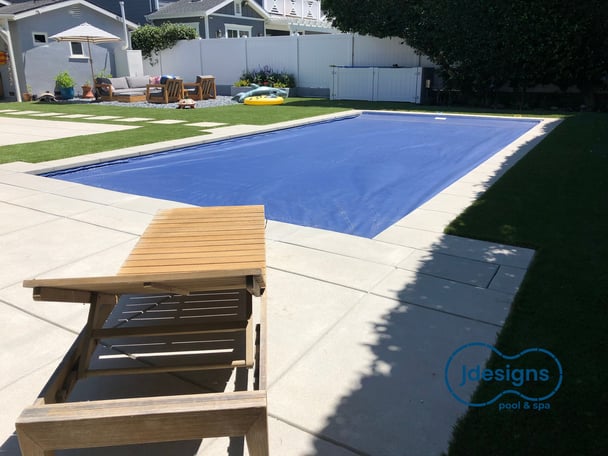
Many Los Angeles homeowners choose to pair a code‑compliant pool fence with an automatic safety cover. Together, these two systems create one of the strongest “layered protection” strategies for a residential pool.
Used correctly, a mesh fence and an automatic cover work together by:
Beyond safety, automatic covers can also help control evaporation, reduce heat loss, and keep debris out of the water, which is why we often recommend them as part of an overall smart‑pool design and discuss them in more detail in our pool‑cover guides and blog articles.
Even with a fence and an automatic cover in place, no system replaces active adult supervision. These tools are there to back you up, but a present, attentive adult is always the most important layer of pool safety.
Every pool and backyard is different. The right safety plan depends on:
For many Los Angeles homeowners, a removable mesh pool fence offers the most practical balance of safety, flexibility, and code compliance. When it’s designed for your specific pool and installed correctly, it can serve as a dedicated safety barrier for years with minimal maintenance.
If you already have a pool fence, that doesn’t always mean it’s still safe or compliant. Hardware wears, posts loosen, mesh tears, and gate latches go out of adjustment over time. In some cases, older fences no longer meet current Los Angeles or California standards, even if they passed inspection years ago.
That’s why we offer:
If you’re unsure whether a pool fence is right for your property, or whether your existing fence is still doing its job, the next step is simple:
Schedule a pool safety consultation with our team. We’ll:
When combined with an automatic pool cover and active adult supervision, a well‑designed mesh pool fence becomes a central part of a safer backyard everyone can enjoy.

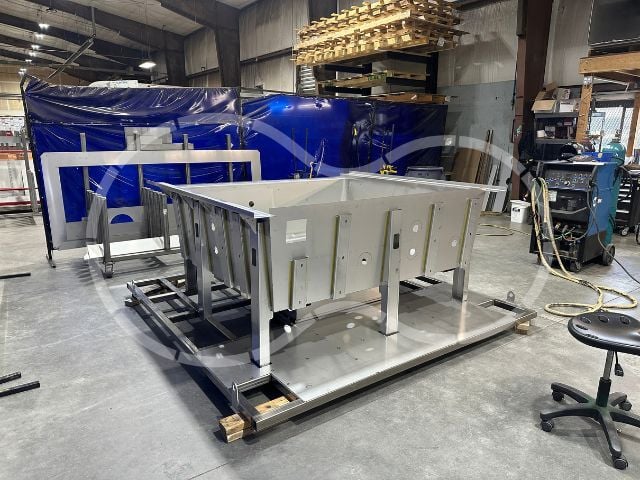 JC Escudero: Oct 1, 2026
When most homeowners picture a swimming pool, they probably picture a concrete or shotcrete structure built into the ground.
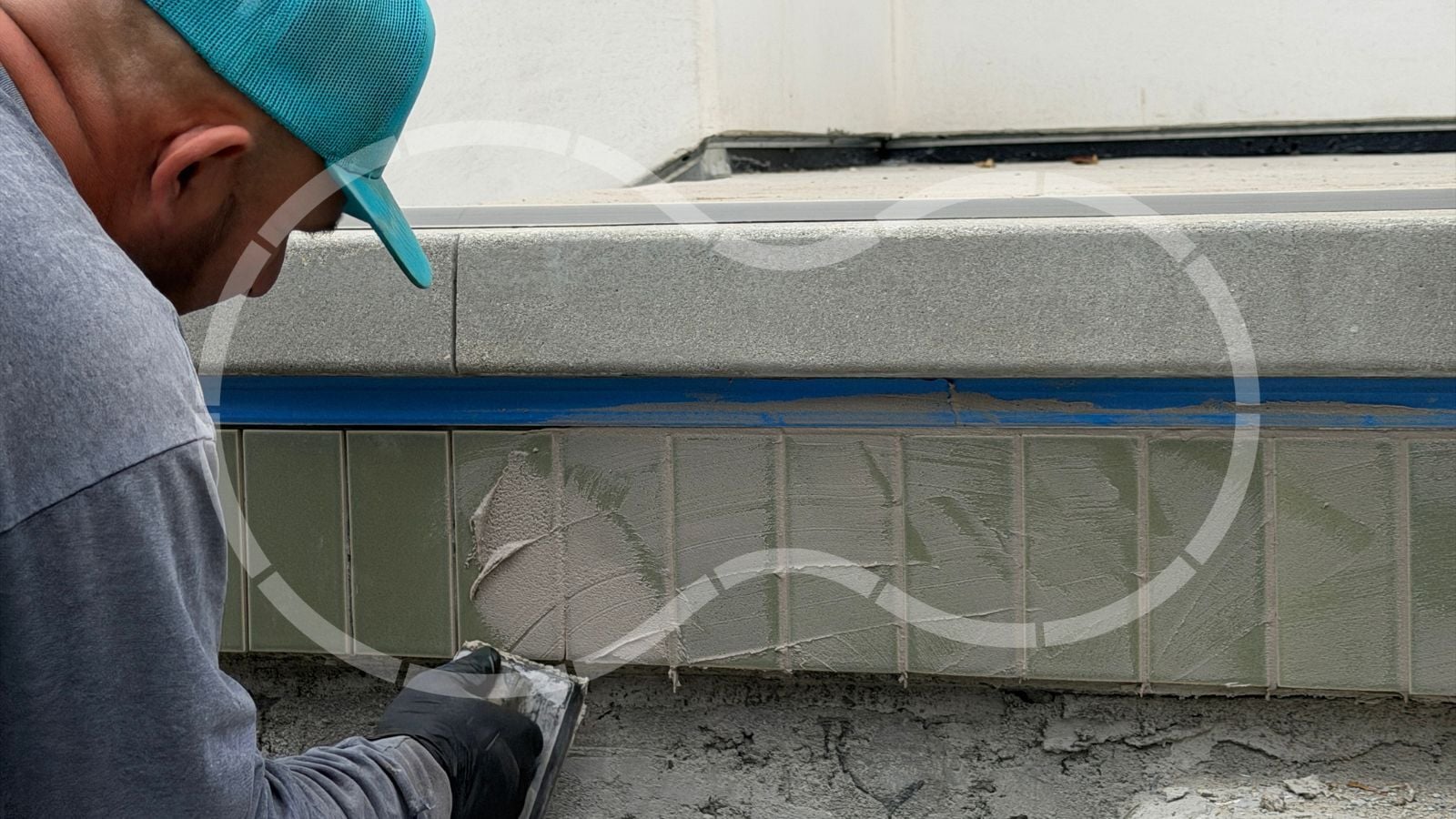 JC Escudero: Sep 26, 2026
When most homeowners choose tile for a swimming pool, they naturally focus on the tile itself: the color, shape, texture, and overall design, because...
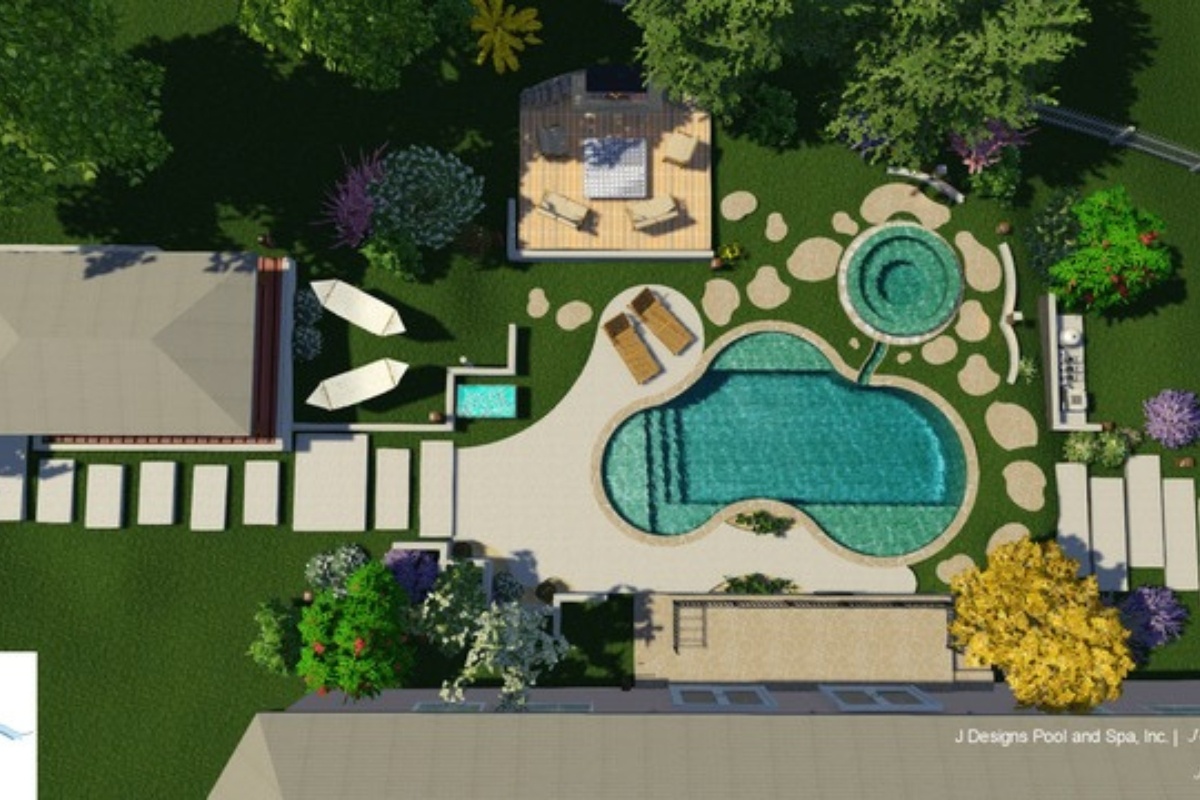 JC Escudero: Sep 23, 2026
Planning a custom pool involves dozens of decisions about shape, depth, materials, and features. Get one wrong, and you could face expensive rework...
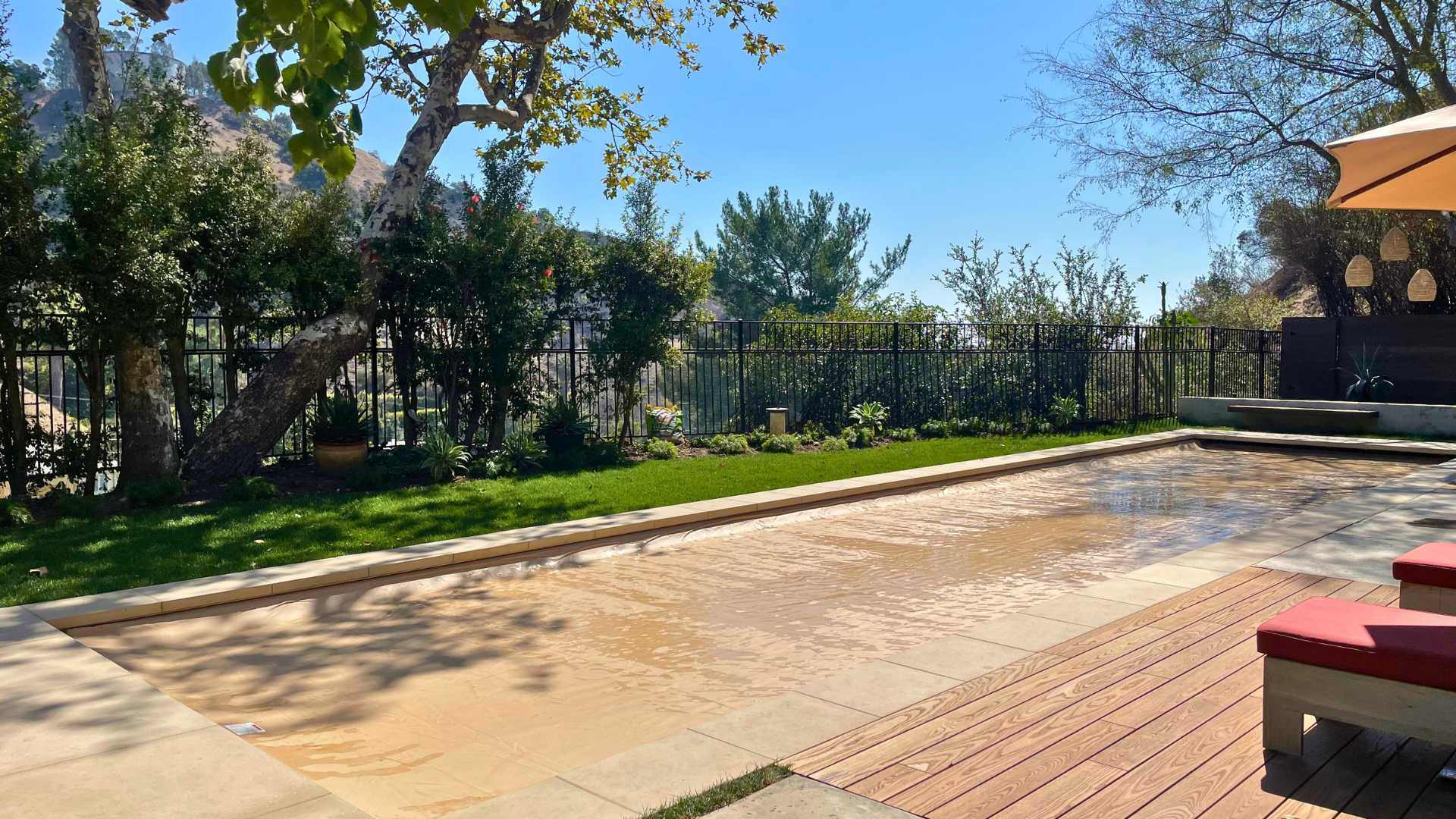 JC Escudero : Oct 4, 2025
Thinking about an automatic pool cover? Learn about cover types, real installation costs, safety features, and what to expect before you buy.
 JC Escudero : Feb 22, 2026
Discover how outdoor showers have become a must-have luxury for pools, and learn which design, placement, features are best for your backyard pool in...
 JC Escudero : Jan 7, 2026
Learn how to design and install a residential lazy river. Explore costs, size needs, safety tips, and how Riverflow Pumps create a resort feel at...