
Stainless Steel Pools in Los Angeles: When Do They Make Sense?
 JC Escudero: Oct 1, 2026
When most homeowners picture a swimming pool, they probably picture a concrete or shotcrete structure built into the ground.
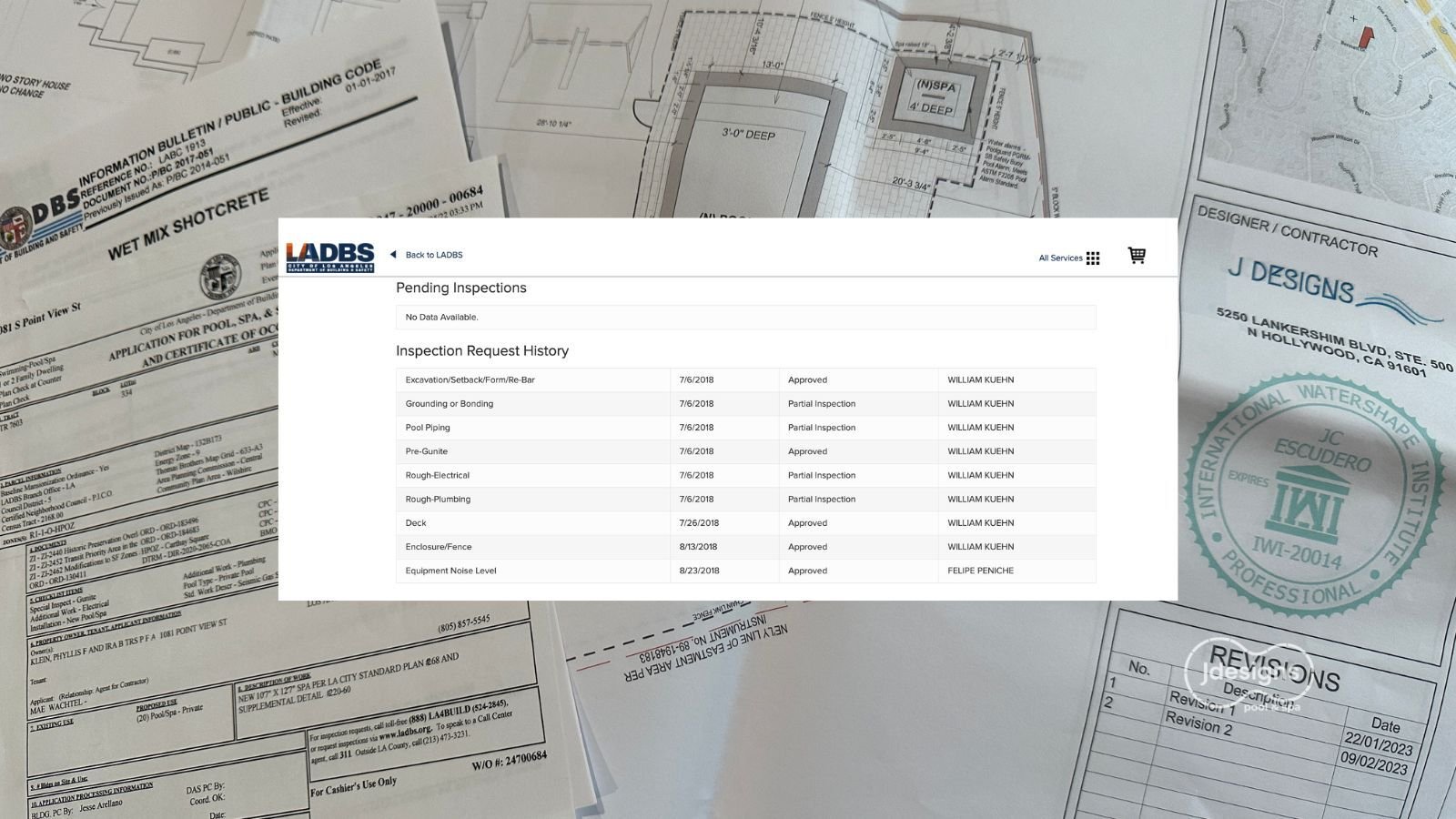
Buying a home with a pool can feel like a dream until hidden problems turn that dream into a major expense.
Before you start imagining summer weekends, family gatherings, and relaxing by the water, there is one important step many homebuyers overlook: checking how the pool was actually built.
In Los Angeles, some of that information is publicly available through the Los Angeles Department of Building and Safety (LADBS). The challenge is not just finding the records. The real challenge is understanding what those records tell you, and what they do not.
When reviewing a pool’s permit history, you need to know:
That matters because a pool can look perfectly fine on the surface while hiding structural, plumbing, or safety issues underneath. And when it comes to buying a home with a pool in Los Angeles, what you cannot see can cost you the most.
A pool is much more than a backyard feature. It is a permanent structure designed to hold tens of thousands of pounds of water, and it relies on several systems working together safely and correctly, including:
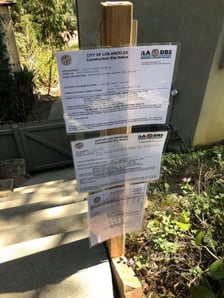
That is why pool permits and inspections matter. They help confirm that the pool was built to proper structural, plumbing, and safety standards. If a pool was built without the right permits or never received final inspections, a homebuyer may be taking on problems that are not obvious during a showing, such as:
In many cases, these issues are not inexpensive to fix. Depending on the severity, repairs can range from $20,000 to well over $100,000.
Start with the LADBS online Building Information System (BIS).
When buying a home with a pool in Los Angeles, permit records can provide important insight into whether the pool was properly reviewed, inspected, and approved, or whether hidden risks may still be waiting beneath the surface. Enter the property address and look for:
You may see entries like:
This is where many homeowners stop, but it is also where some of the most important information begins. When you review a pool permit in LADBS, you will usually see a status. That status can tell you whether the work was completed, inspected, and approved, or if there are unresolved issues.
For a homebuyer, this matters because a pool without a final inspection lacks documentation proving it was built correctly. Even if the pool looks fine today, missing final approval can mean important structural, plumbing, or safety steps were never officially verified.
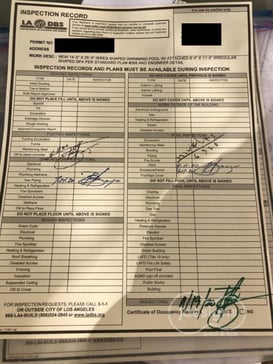
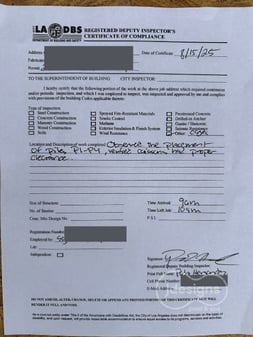
A properly built pool should have gone through several key inspections during construction. These inspections help confirm that key components of the pool were installed correctly before the next phase proceeds. Some of the most important inspections to look for include:
If these are missing, it means:
Here is the reality in Los Angeles: many pools, especially older ones, may show: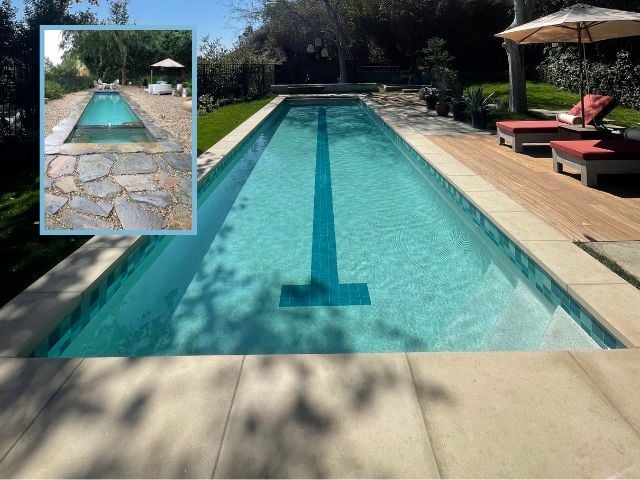
But here’s the key takeaway:
No permit record doesn’t mean the pool wasn’t built,
it means there’s no proof it was built correctly.
Permits are only one part of the story. Before buying a home with a pool, it is also important to review other documents and observations that may reveal past problems or unfinished work.
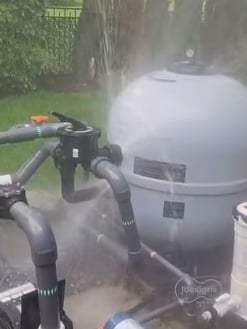
Look for:
If known pool problems were not disclosed, that can create liability later. In some cases, cosmetic repairs or surface improvements may hide deeper structural issues that become the buyer’s responsibility after closing.
These can reveal mostly visible components or issues that are in plain sight: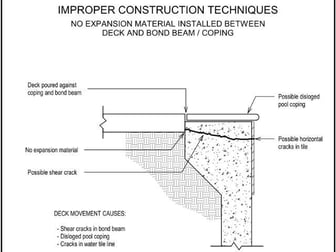
A qualified pool builder or structural specialist can identify:
When buying a home with a pool in Los Angeles, cross-checking these sources can help you spot warning signs that permit records alone may not fully explain. As licenced contractors, we also offer these real estate swimming pool inspections to learn more about this article, LA's Real Estate Swimming Pool Inspections
From a construction standpoint, these are some of the most important warning signs to watch for when buying a home with a pool:
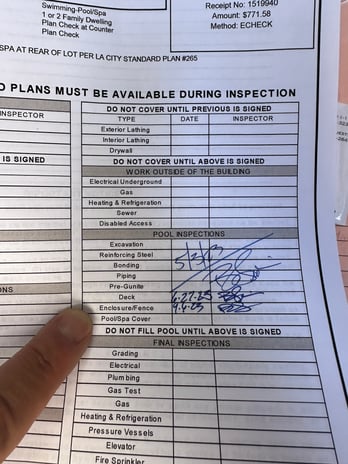
These conditions can point to larger underlying problems, such as:
A pool may still look attractive during a showing, but these warning signs can suggest that important construction, safety, or structural issues were never fully addressed.
We’ve seen pools that looked perfectly fine during a home showing, but within months, cracks along the bond beam began to appear. What started as a cosmetic concern turned into a major structural failure, ultimately requiring a full rebuild. The issue wasn’t visible on the surface; it was hidden in the way the pool was originally constructed.
If you cannot find meaningful permit records, do not assume everything is fine. In most cases, it is safer to treat the pool as:
An unverified structure that requires professional evaluation
Recommended next steps:
A beautiful pool can hide years of shortcuts, patchwork repairs, or incomplete work. In many cases, permit records are the only clear window into:
.jpg?width=281&height=375&name=Inspection%20Vertical%20Blog%20Visual%20(2).jpg)
Taking the time to review this information can save you from:
When you buy a home with a pool, you are not just buying what you see on the surface. You are also buying the structure underneath it.
If that structure was not built correctly, the problem is usually not "if" it will show up, but "when".
With over 20 years of experience, J Designs Pool & Spa specializes in building and restoring pools, focusing on structural integrity, sound engineering, and long-term performance.
Before you finalize your home purchase, having a professional evaluate the pool could save you tens of thousands in unexpected repairs. As licenced contractors, we also offer these real estate swimming pool inspections to learn more about this article, LA's Real Estate Swimming Pool Inspections

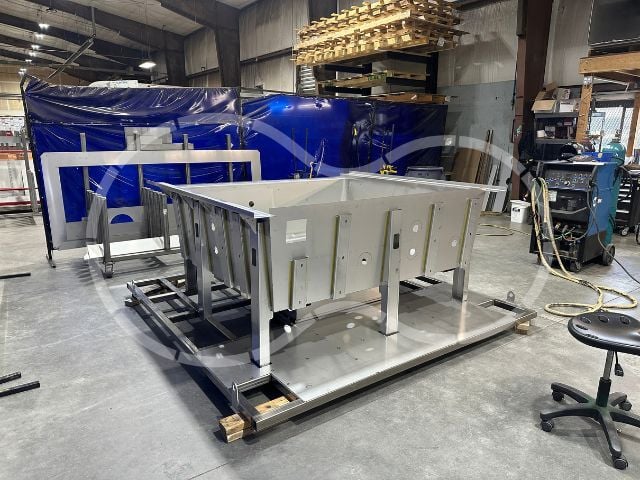 JC Escudero: Oct 1, 2026
When most homeowners picture a swimming pool, they probably picture a concrete or shotcrete structure built into the ground.
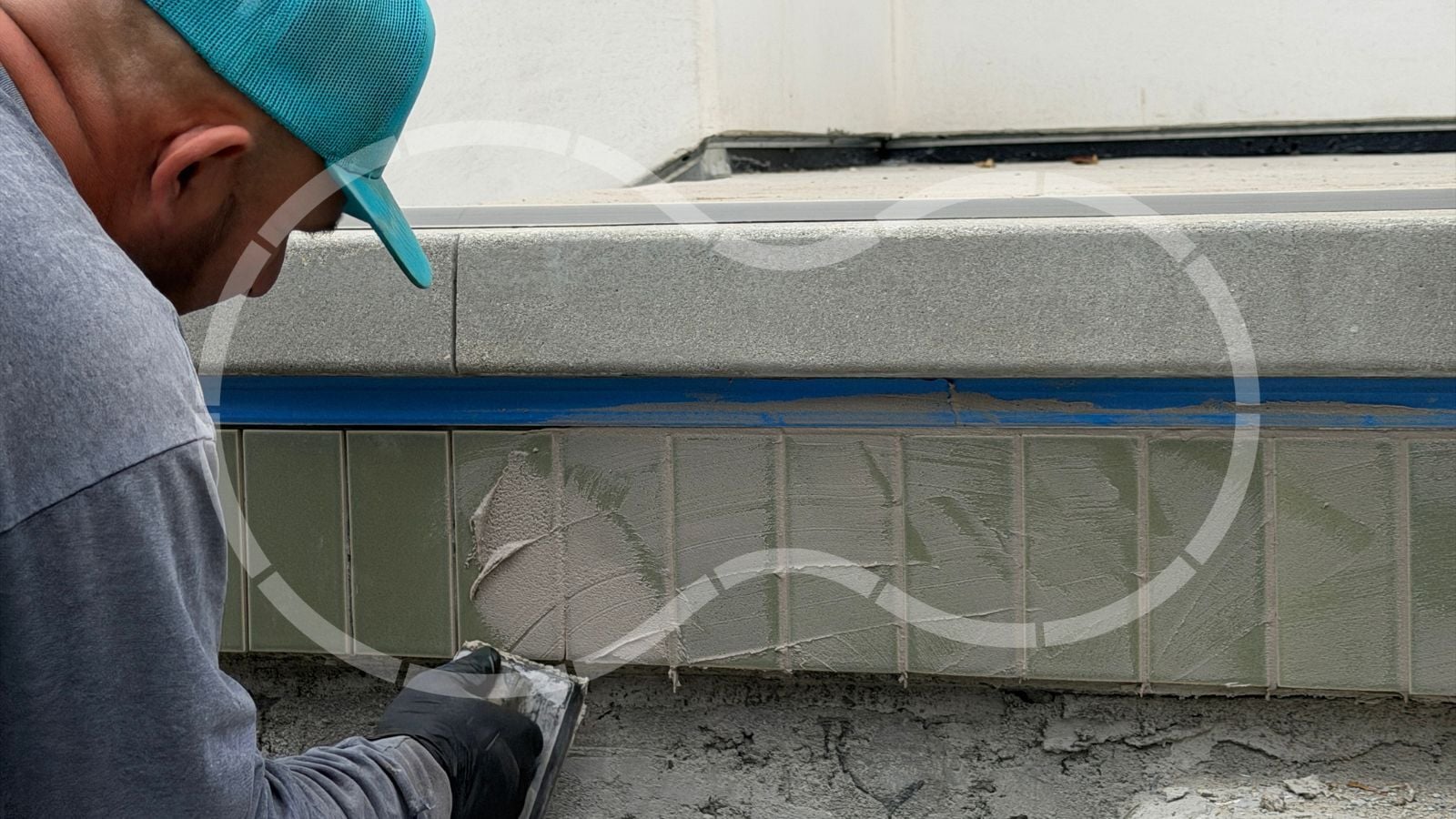 JC Escudero: Sep 26, 2026
When most homeowners choose tile for a swimming pool, they naturally focus on the tile itself: the color, shape, texture, and overall design, because...
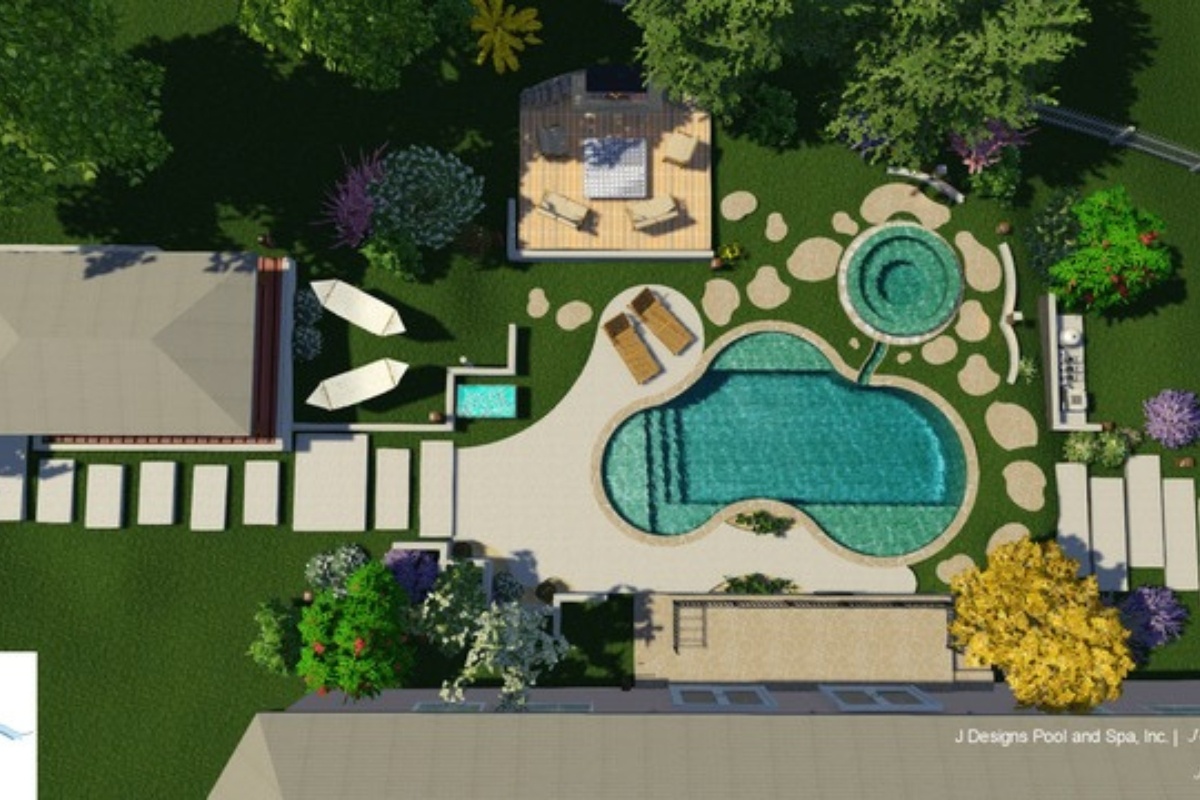 JC Escudero: Sep 23, 2026
Planning a custom pool involves dozens of decisions about shape, depth, materials, and features. Get one wrong, and you could face expensive rework...
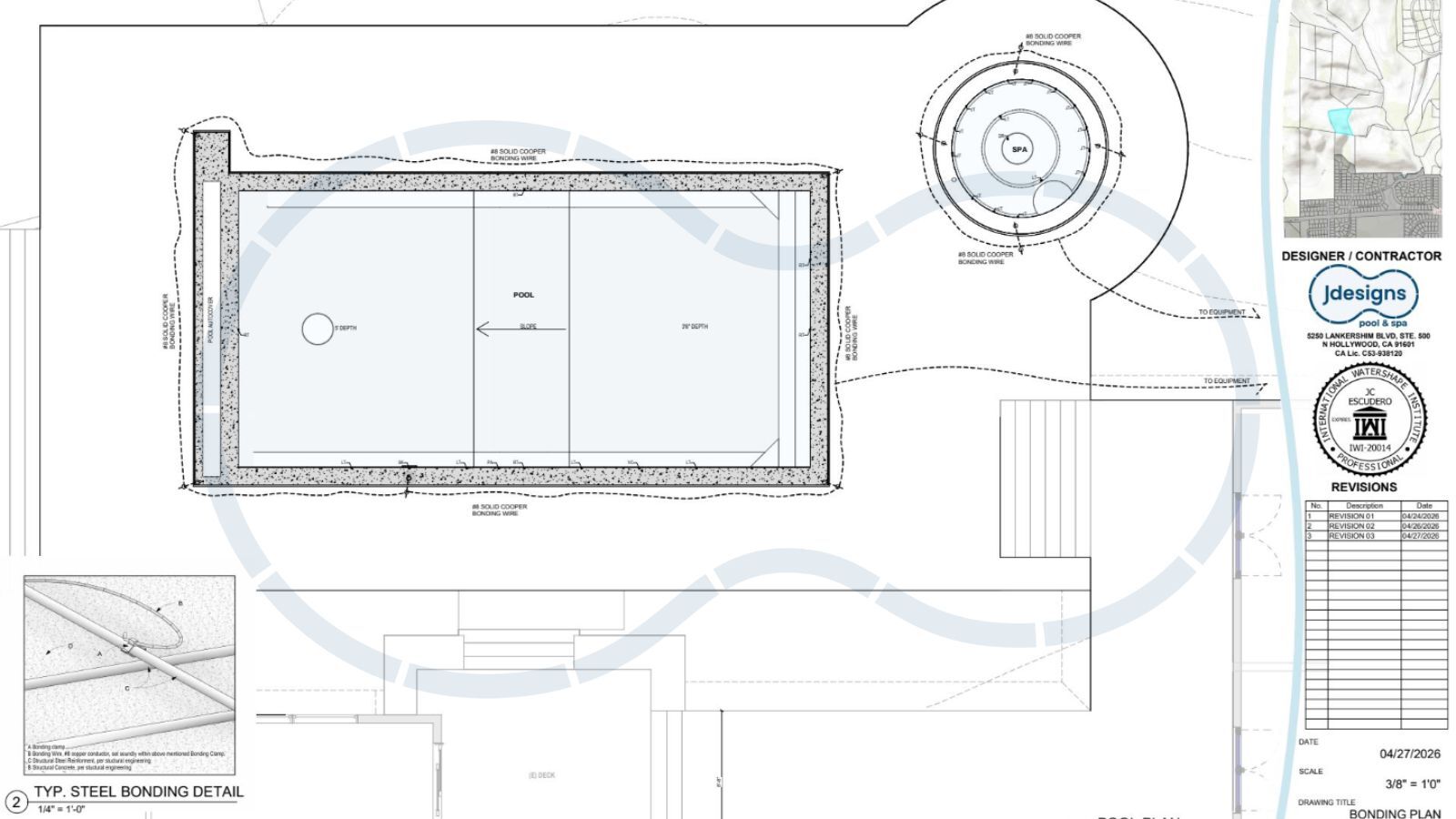 JC Escudero : Aug 23, 2026
Learn how pool equipotential bonding protects swimmers, why NEC 680.26 requires it, and why Los Angeles inspects it before the deck is poured.
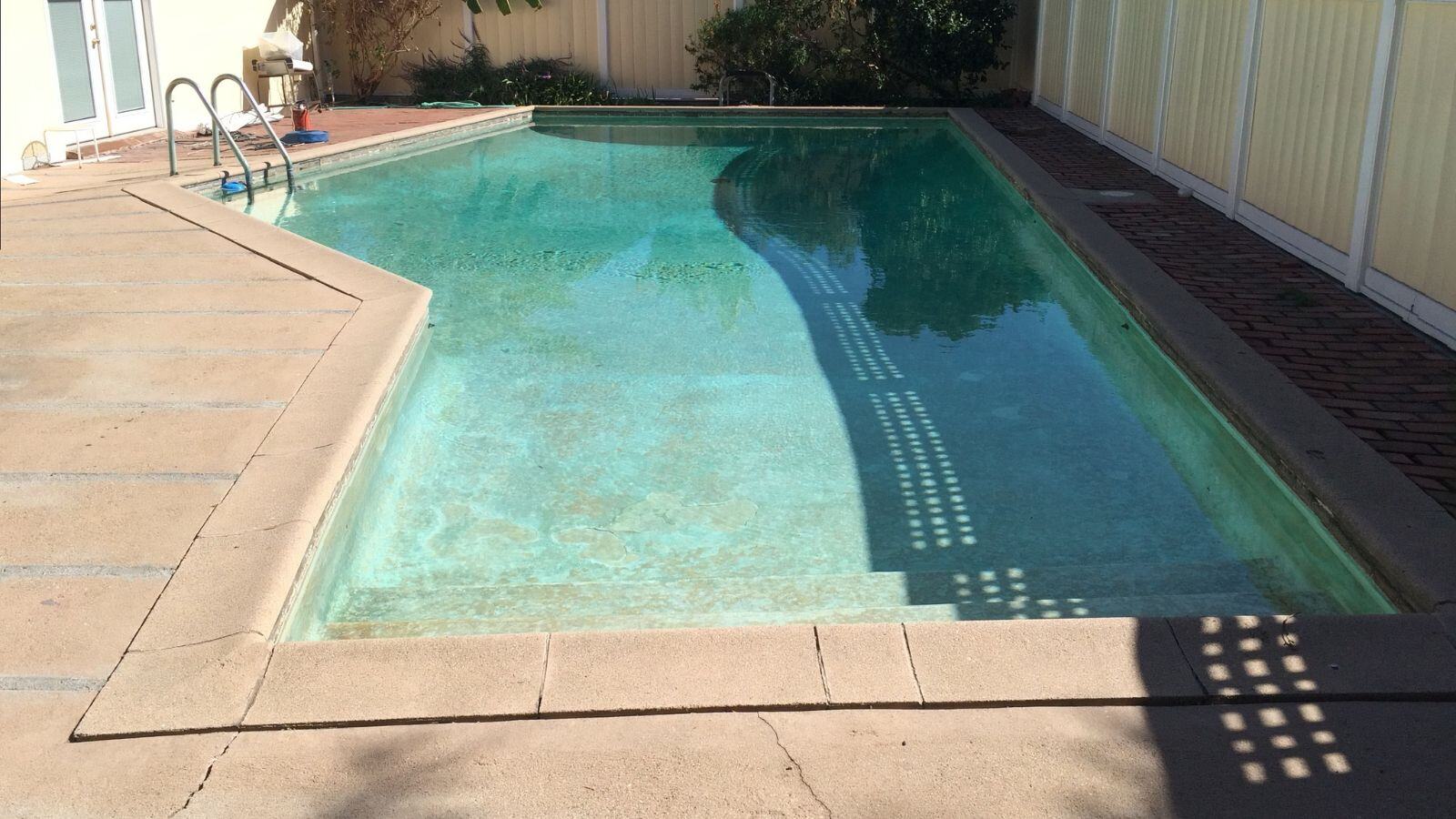
 Daniela Escudero : Apr 21, 2025
Are you considering replastering & upgrading your pool tile? Discover how a professional remodel can revive your pool safely, beautifully, and up to...
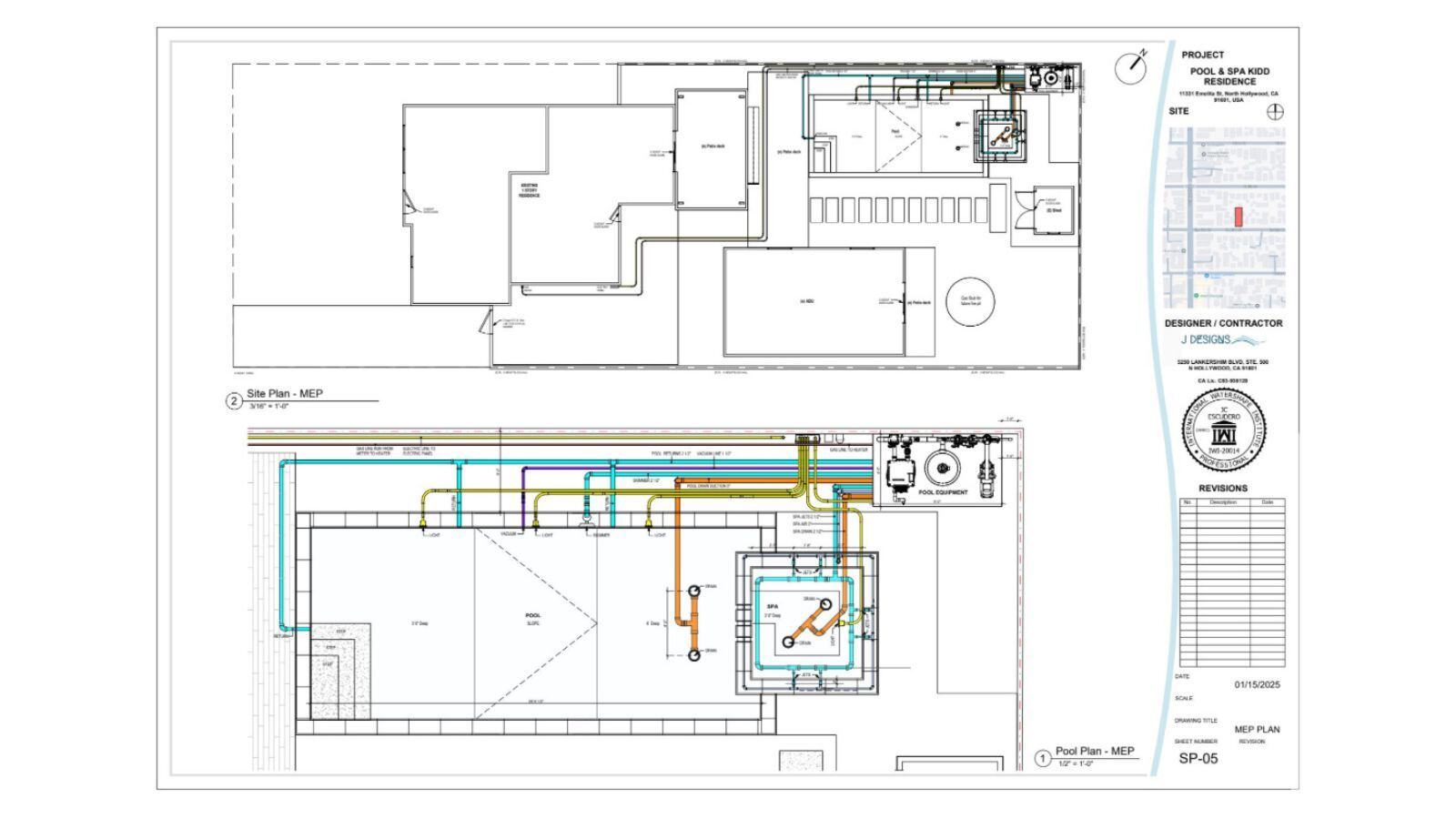 JC Escudero : Jun 22, 2025
Unlock the secrets to designing an efficient and safe swimming pool plumbing system with this comprehensive guide in Los Angeles.