
Stainless Steel Pools in Los Angeles: When Do They Make Sense?
 JC Escudero: Oct 1, 2026
When most homeowners picture a swimming pool, they probably picture a concrete or shotcrete structure built into the ground.
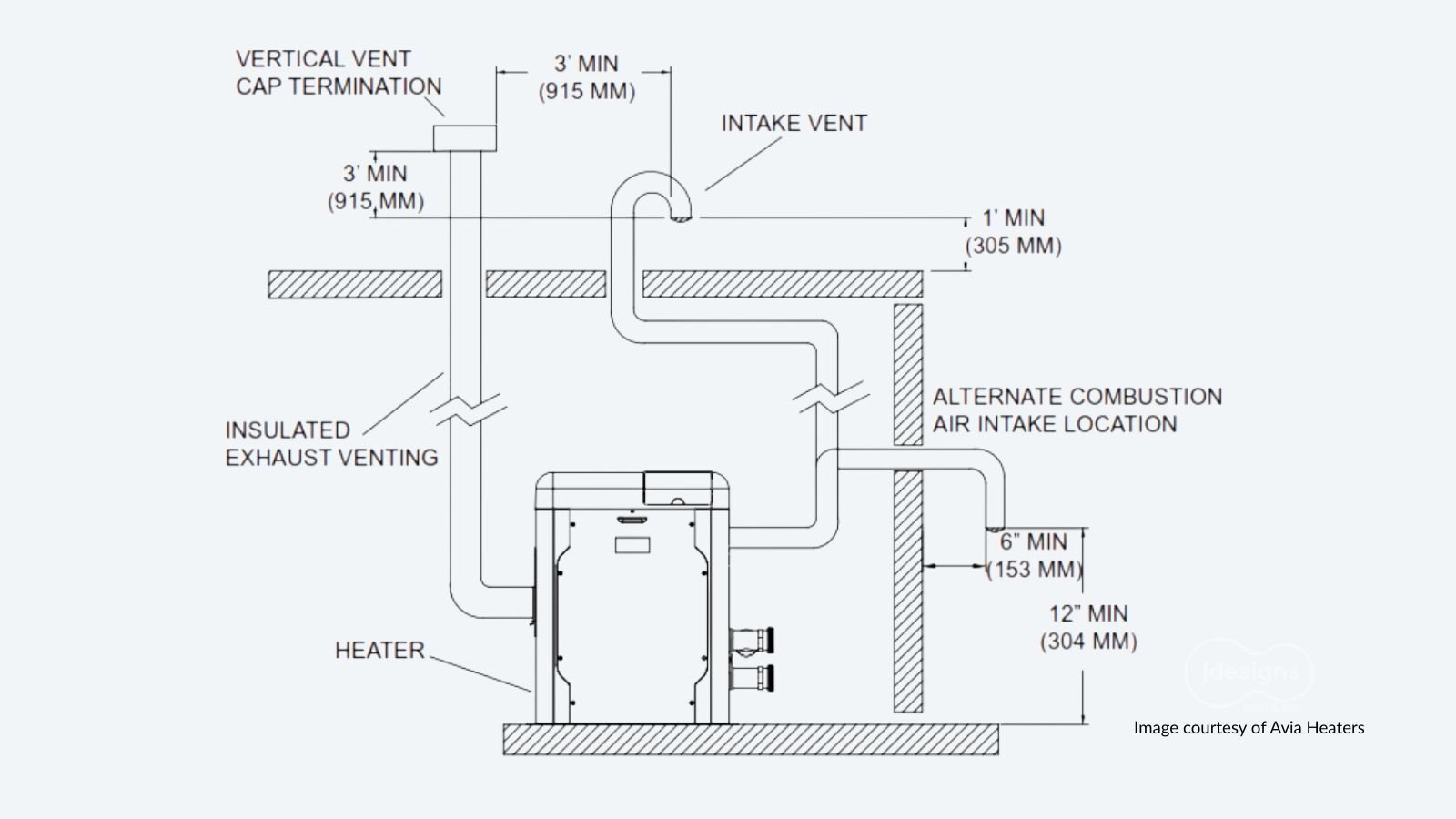
A warm pool on a cool evening feels like luxury. But behind that comfort is a powerful piece of equipment quietly doing its job, your pool heater. In reality, most heaters are installed outdoors with enough ventilation, which is why it's not too common to hear about this. How do you know your heater is installed properly? In this article, we will explain the differences so you can prevent poisoning or worse health issues.
What most homeowners don’t realize is this: If installed incorrectly, a pool heater can become a life-threatening hazard.
This isn’t about fear; it’s about awareness, proper design, and doing things the right way.
The main risk is not heat, water, or electricity. It’s Carbon Monoxide (CO).
Carbon monoxide is:
Invisible
Odorless
Tasteless
In high enough concentrations, it can be deadly within minutes.
At its core, a pool heater works by burning gas, usually natural gas or propane, to create heat. When everything is working properly, this process produces Carbon Dioxide (CO₂).
Carbon dioxide is a normal gas we breathe out every day. It’s also what your heater is supposed to produce when it has the right amount of oxygen and proper airflow. In an open, well-ventilated space, CO₂ is not considered dangerous in typical amounts.
But here’s where things can go wrong.
If the heater doesn’t get enough oxygen due to poor ventilation, blocked airflow, or improper installation, the flame can’t burn cleanly. Instead of burning the fuel completely, it burns only part of it.
That incomplete burn creates Carbon Monoxide (CO).
Carbon monoxide doesn’t behave the way most people think.
It doesn’t simply rise like smoke
It doesn’t just sink and disappear
Instead, it mixes with the air around you.
Once inhaled, it enters your bloodstream and prevents oxygen from reaching your organs. This can lead to:
Headaches
Dizziness
Confusion
Loss of consciousness
And in severe cases, death.
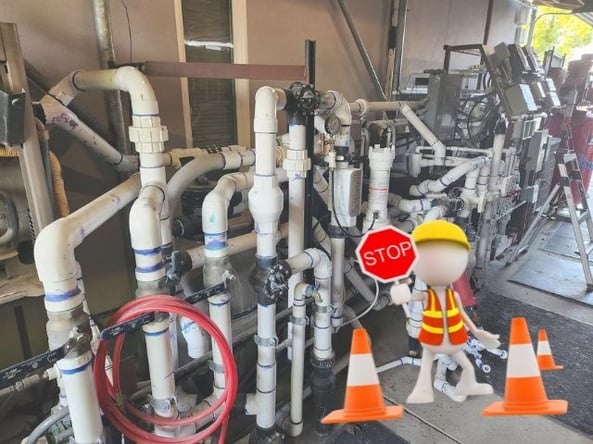
In our experience, most issues don’t come from the heater itself, but from where and how it’s installed.
Problem areas include:
Tight side yards with no airflow
Equipment installed under decks or overhangs
Heaters placed too close to doors or windows
Enclosed equipment rooms without proper venting
Poorly designed drainage pits that trap air
These conditions allow exhaust gases to build up rather than dissipate.
What the Codes Require (Simplified)
Pool heater installations are governed by safety standards like:
California Mechanical Code and NFPA 54
These codes exist for one reason: to keep people safe.
Distance from openings. Heaters should be installed:
At least 5 feet away from doors, windows, and vents. With extra caution in tight or enclosed spaces
Proper venting (for indoor installs). If your heater is inside an equipment room, the exhaust must be vented outside the structure
Fresh air must be brought in for proper combustion. Adequate airflow
Every heater needs:
A way to bring air in. A way to push exhaust out. Without both, gases can accumulate quickly.
Always refer to the manufacturer recommendations that validates the warranty and safety
Even if a heater was installed years ago, conditions can change: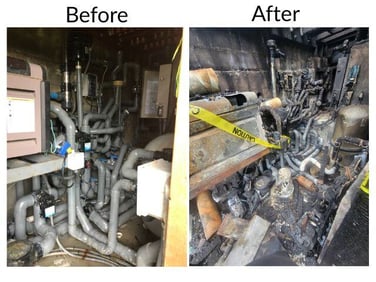
Landscaping grows and blocks airflow
Home additions create enclosed spaces
Equipment rooms get sealed “to look cleaner.”
Vents get clogged or damaged
No ventilation rooms can overheat the equipment and create a fire hazard
What was once safe can slowly become hazardous.
You may have heard that gases like CO₂ “sink” and remain near the surface.
Here’s the reality:
Carbon Monoxide (CO) mixes evenly with air
In still environments, it lingers and accumulates
In poorly ventilated areas, it can reach dangerous levels quickly
So it’s not about rising or falling, it’s about air movement.
How We Approach It at J Designs Pool & Spa. We don’t just install heaters, we design safe systems.
That means:
Evaluating airflow, not just placement
Avoiding “dead air” zones
Respecting both code and real-world conditions
Planning for long-term changes in the space
Because safety isn’t just about passing inspection, it’s about protecting families.
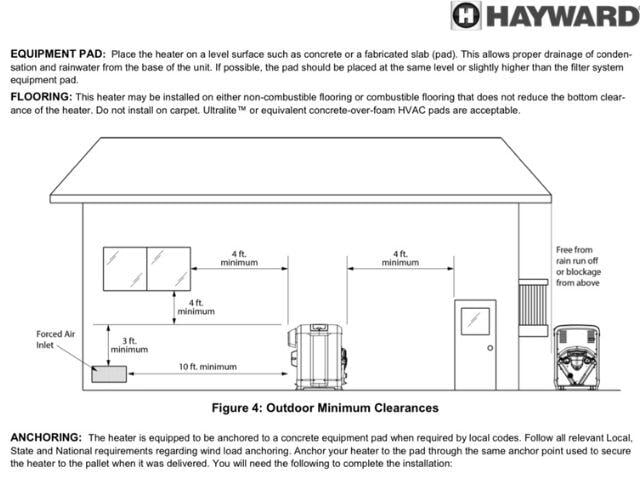
If you have a pool heater, take a moment to answer the following questions. If you are missing any of these, it's time to call a professional to ensure your safety.
Is it too close to a window or door?
Is it installed in a tight or enclosed space?
Has anything been built around it over time?
Do you have a carbon monoxide detector nearby?
If something doesn’t feel right, it’s worth having it inspected.
A pool should be a place to relax, recharge, and enjoy time with family. With the right design and installation, it absolutely is.
But when it comes to gas heaters, details matter, and cutting corners is never worth the risk. If you are comparing heating options, we also encourage you to explore the heater-related articles in our blog section to better understand the different systems available and how to choose the right solution for your project.

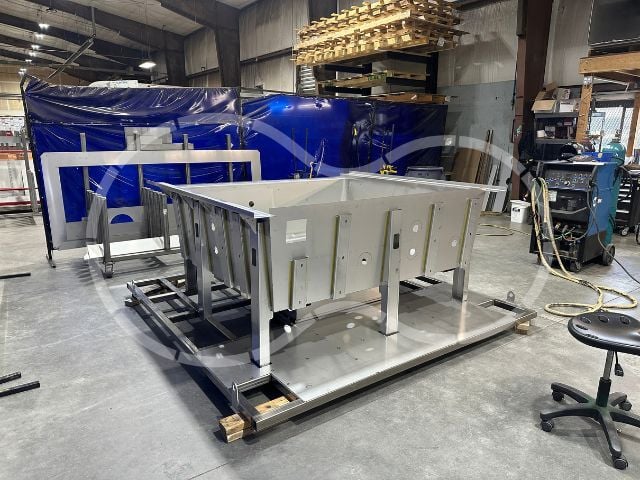 JC Escudero: Oct 1, 2026
When most homeowners picture a swimming pool, they probably picture a concrete or shotcrete structure built into the ground.
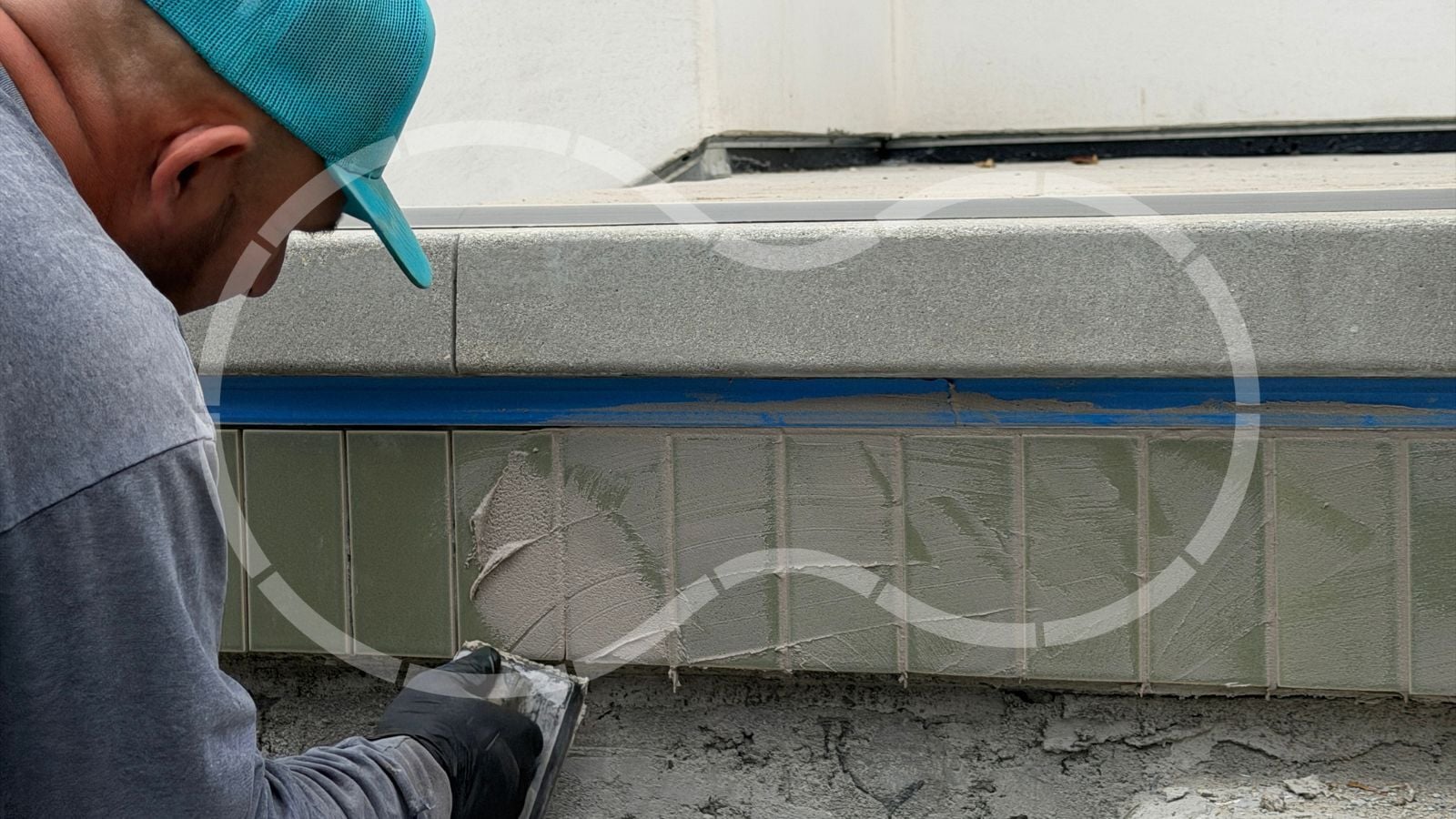 JC Escudero: Sep 26, 2026
When most homeowners choose tile for a swimming pool, they naturally focus on the tile itself: the color, shape, texture, and overall design, because...
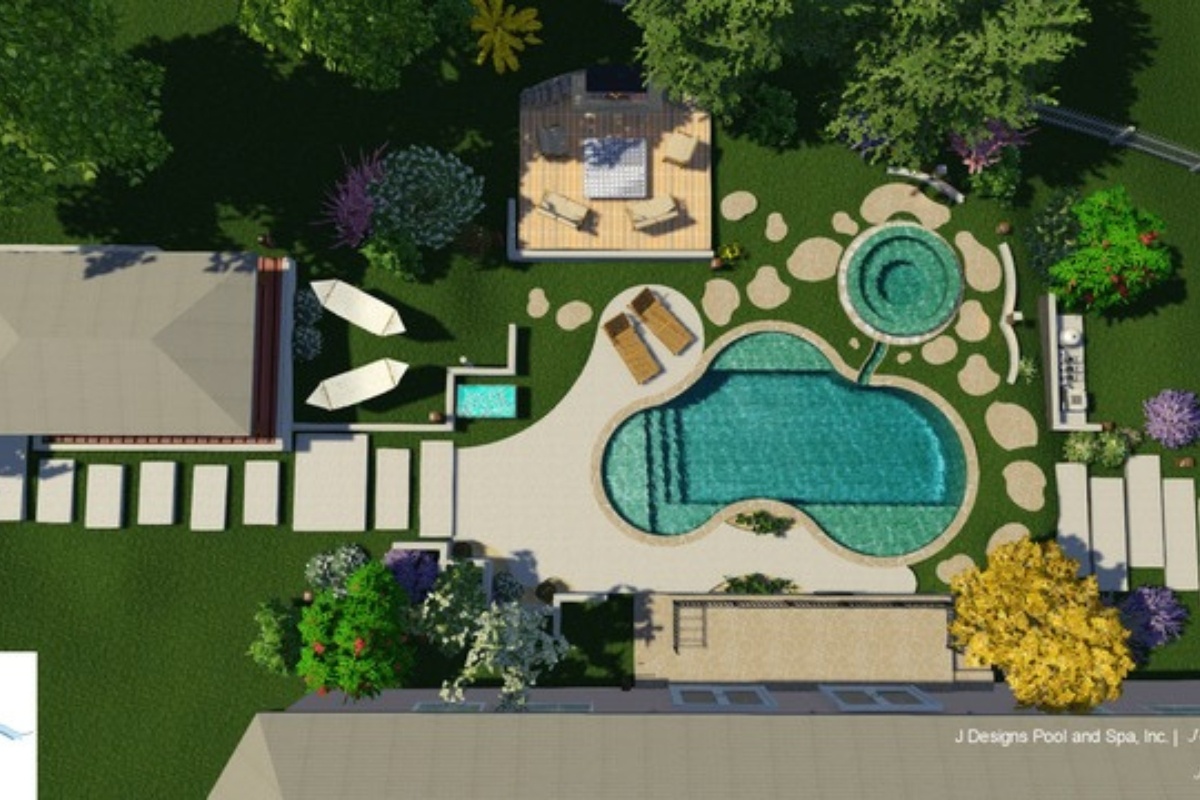 JC Escudero: Sep 23, 2026
Planning a custom pool involves dozens of decisions about shape, depth, materials, and features. Get one wrong, and you could face expensive rework...
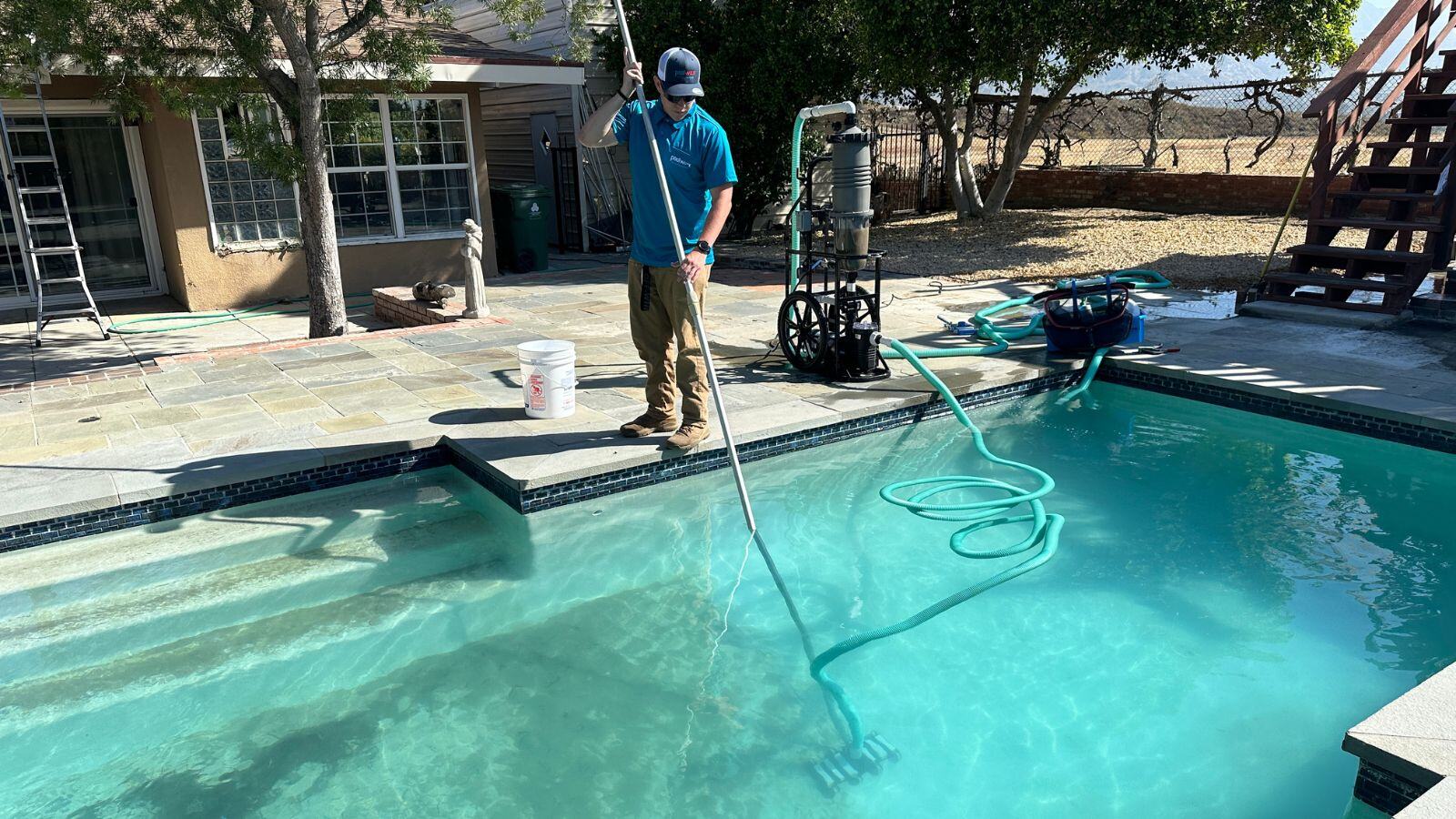
Pollen in pools can cause cloudy water, algae, and filter clogs. Learn how to remove pollen and keep your pool clear with simple maintenance tips.
 JC Escudero : Feb 22, 2026
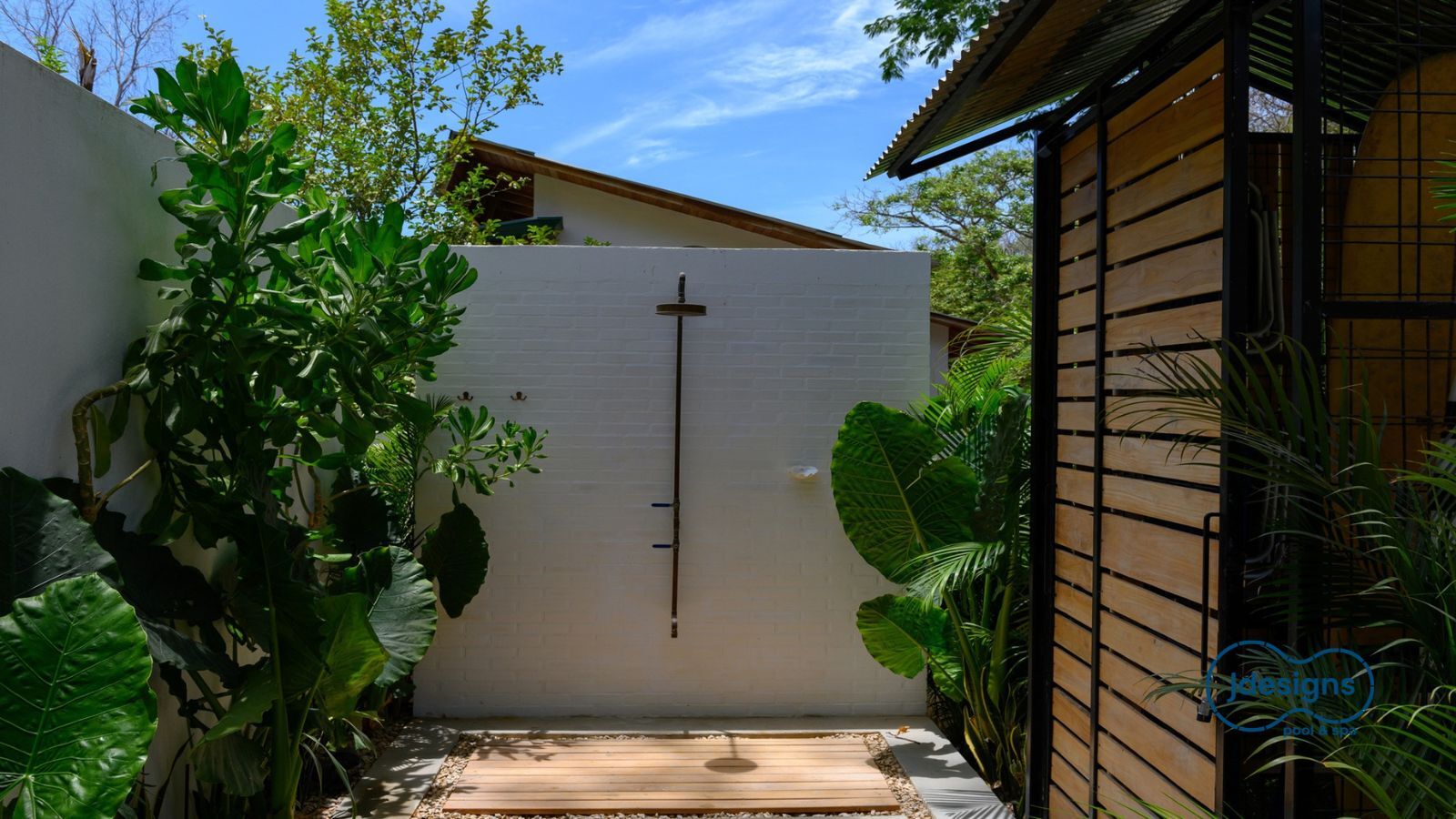
Discover how outdoor showers have become a must-have luxury for pools, and learn which design, placement, features are best for your backyard pool in...
 Daniela Escudero : Sep 8, 2022
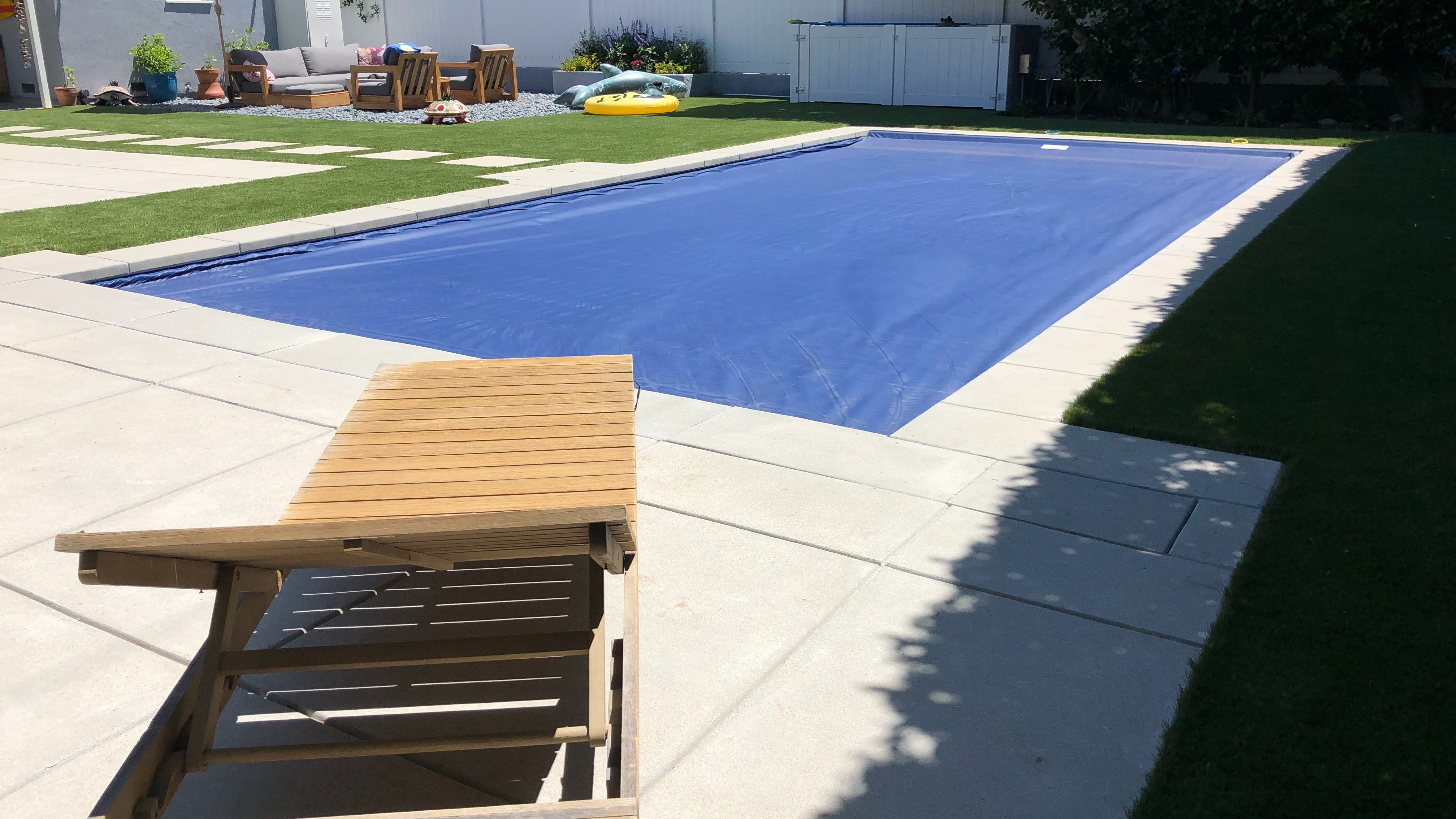
Discover the pros and cons of different pool covers: solar, vinyl, mesh, and automatic options. Find the right cover for your pool.