
How 3D Pool Design Prevents Construction Mistakes
 JC Escudero: Sep 23, 2026
Planning a custom pool involves dozens of decisions about shape, depth, materials, and features. Get one wrong, and you could face expensive rework...
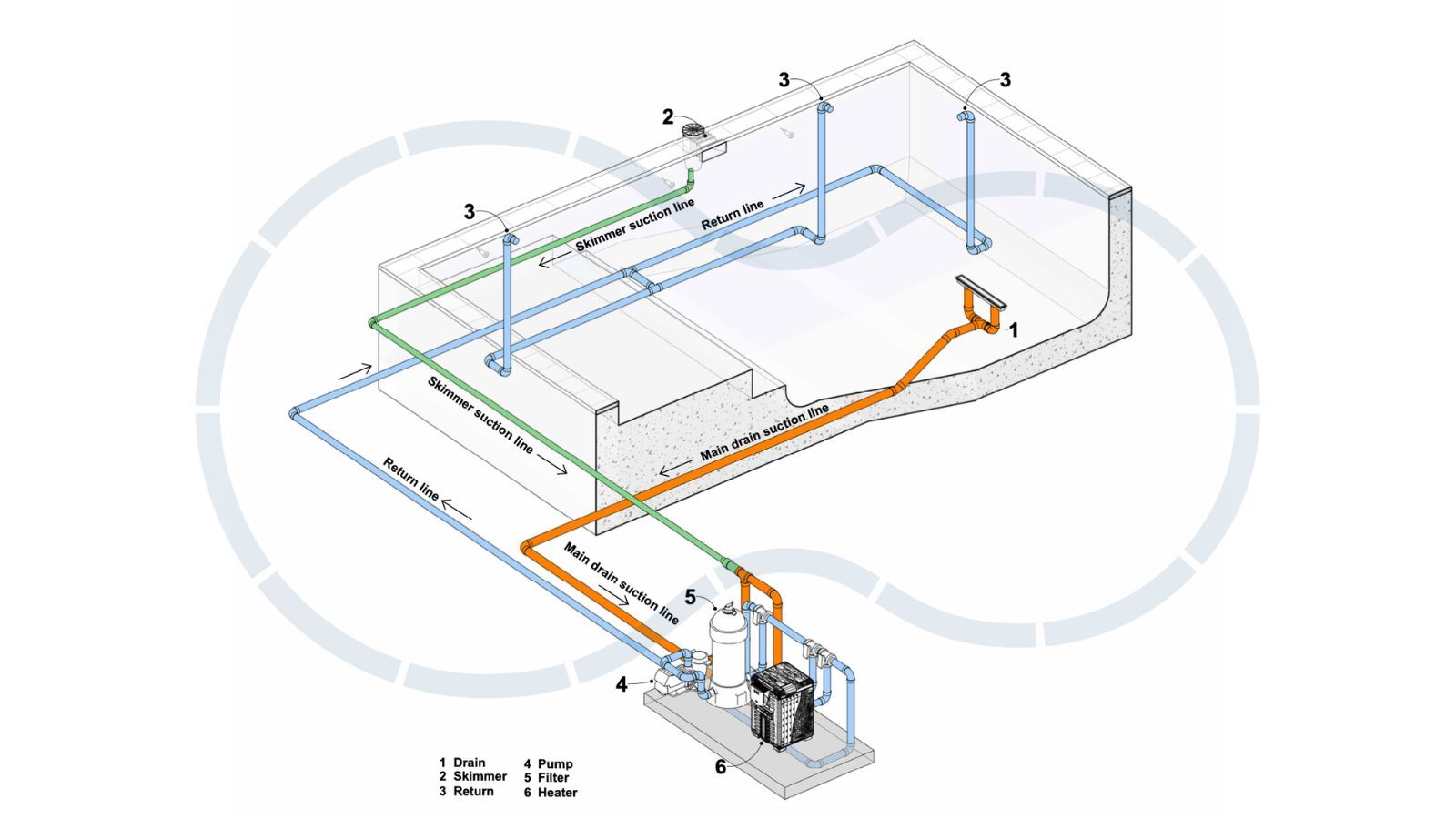
Owning a swimming pool is a luxury; proper maintenance keeps it clean and enjoyable. Are you finding it challenging to keep your pool water crystal clear and safe for swimming? Understanding the critical components of your pool’s system can make all the difference. This guide will demystify the essential systems, from circulation and filtration to smart automation, that keep your pool in top condition, making pool maintenance simpler and more effective.
At the heart of every swimming pool's functionality are its circulation and filtration systems, both vital to maintaining water clarity and hygiene. Imagine the circulation system as the pool’s cardiovascular system, constantly moving water through filtration. This movement is essential, as stagnant water can quickly become a breeding ground for bacteria and algae. By keeping the water moving, the circulation system helps ensure it reaches every part of the pool, preventing dead zones where contaminants can accumulate.
Filtration works hand in hand with circulation, acting as the pool's kidneys by filtering out impurities. Water is pushed through a filter medium that captures debris, from leaves and dirt to microscopic particles that are invisible to the naked eye. This process is crucial to maintaining a healthy, inviting pool environment. Regularly monitoring and maintaining your filtration system can help prevent clogs and ensure your pool remains a sanctuary of clear, sparkling water.

The pool pump is the powerhouse of your pool’s circulation system, responsible for drawing water from the pool, pushing it through the filtration system, and returning it to the pool.
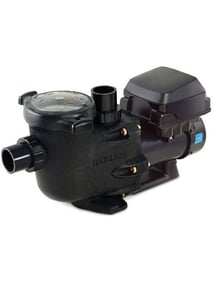 This process keeps the water moving and helps keep it clean and well-maintained. The pump consists of three key components: the lint trap, the impeller, and the motor. The lint trap catches larger debris, like leaves and twigs, before it enters the pump and causes damage. The impeller, a rotating component, then propels the water through the system with precision. Finally, the motor powers the entire operation, ensuring consistent water flow.
Understanding how your pool pump works is crucial because it directly impacts the efficiency and longevity of your entire pool system. A well-maintained pump ensures proper water circulation, reducing the risk of algae growth and keeping the pool water safe for swimming. Regular maintenance, such as cleaning the lint trap and checking the motor, can prevent costly repairs and extend your pump's life. By investing time in understanding and maintaining your pool pump, you can enjoy knowing your pool is in good hands.
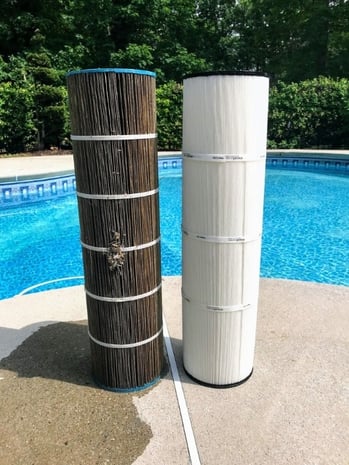
The pool filter is an unsung hero in the quest for pristine pool water. It removes impurities from the water, including dirt, debris, and microscopic contaminants. The filter medium, made of sand, diatomaceous earth, or cartridges, traps these particles as water passes through it, leaving clean, clear water behind. This process not only improves the pool's appearance but also plays a critical role in swimmers' health and safety by removing harmful bacteria and algae spores.
Regular pool filter maintenance is essential to ensure its effectiveness. Over time, the filter medium can become clogged with debris, reducing its ability to clean the water. To prevent this, regularly clean or replace the filter medium. A clean filter helps maintain optimal water flow and prevents strain on the pump, contributing to your pool system's overall efficiency and longevity.
The allure of a warm pool is hard to resist, especially when it allows you to extend your swimming season beyond the summer months. Several heating options are available, each with its own set of advantages. Natural gas heaters are famous for their efficiency and ability to raise the water temperature quickly. However, if you're looking for a more environmentally friendly option, consider a solar heater, which uses the sun's energy to warm your pool. Electric heaters and heat pumps are also available and balance efficiency and cost.
Choosing the right pool heating option depends on several factors, including your budget, climate, and environmental concerns. For instance, while natural gas heaters are effective, they can be costly to operate over time. On the other hand, solar heaters are more sustainable but require a significant upfront investment. Whichever option you choose, adding a heater to your pool system can significantly enhance your swimming experience, letting you enjoy warm, comfortable water year-round.
In today’s fast-paced world, convenience and efficiency are more important than ever, and pool care is no exception. Automation and intelligent pool technologies have revolutionized how we manage and maintain pools, offering a level of control and ease that was unimaginable just a few years ago. These systems allow you to monitor and manage your pool’s components, filters, heaters, and lighting, from your smartphone or tablet. With a simple swipe or tap, you can adjust settings, monitor chemical levels, and even schedule maintenance tasks without leaving the comfort of your home.
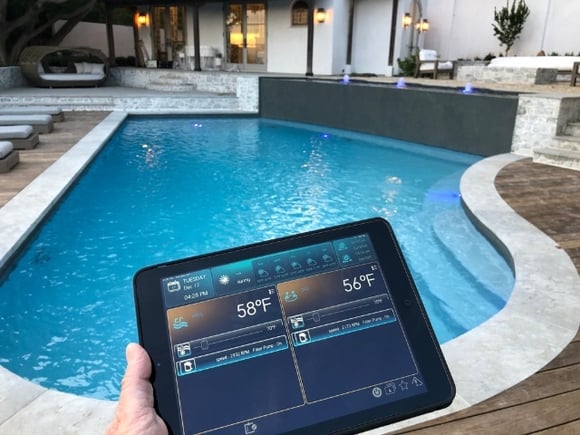
The benefits of intelligent pool technology go beyond convenience. By automating routine tasks and monitoring your pool’s systems in real time, you can keep your pool in optimal condition, reduce the risk of issues, and extend the life of your pool equipment. These technologies can also help you save energy and water, making your pool more environmentally friendly. Investing in intelligent pool technology is not just about keeping up with the latest trends, it’s about taking control of your pool care and enjoying a cleaner, safer, and more enjoyable swimming experience.
Maintaining your swimming pool doesn't have to be daunting. By understanding the key components, circulation and filtration systems, pumps, filters, and heaters, you can take control of your pool’s health and keep it safe, clean, and enjoyable for you and your family. As you explore ways to enhance your pool care routine, consider adding automation and smart technologies to simplify maintenance and improve efficiency.
Your next step is to explore advanced pool care tips or schedule a professional maintenance check to keep your pool in peak condition year-round. Want to dive deeper into pool maintenance? Check out our article, The Ultimate Guide to Pool Water Chemistry, to keep your water perfectly balanced and safe.
Curious about how new sanitation methods can simplify pool care? Alternative Pool Sanitation Methods offers a detailed look at the latest innovations.
 JC Escudero: Sep 23, 2026
Planning a custom pool involves dozens of decisions about shape, depth, materials, and features. Get one wrong, and you could face expensive rework...
 JC Escudero: Sep 19, 2026
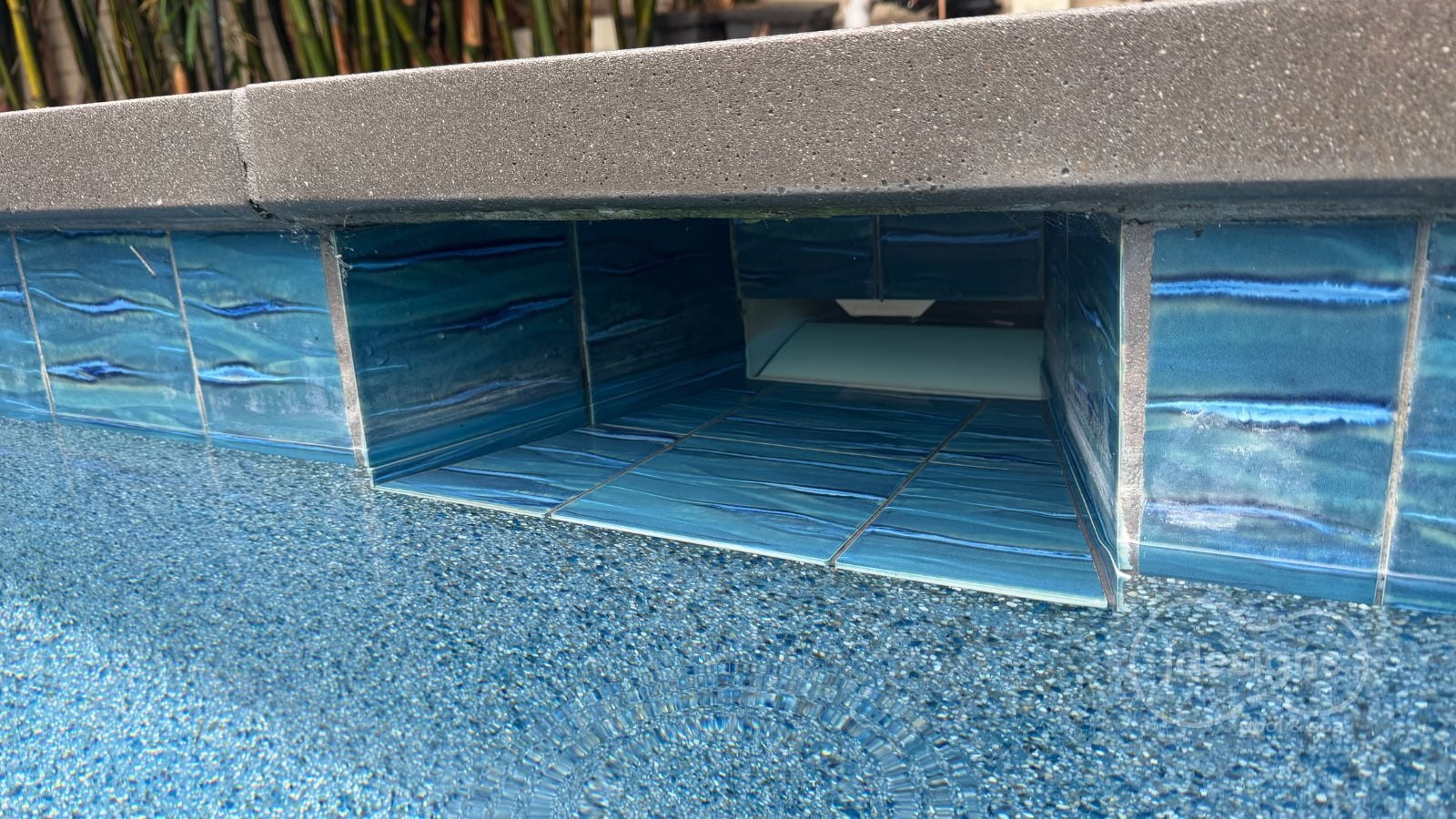
Your pool's circulation doesn't simply begin at the pump.
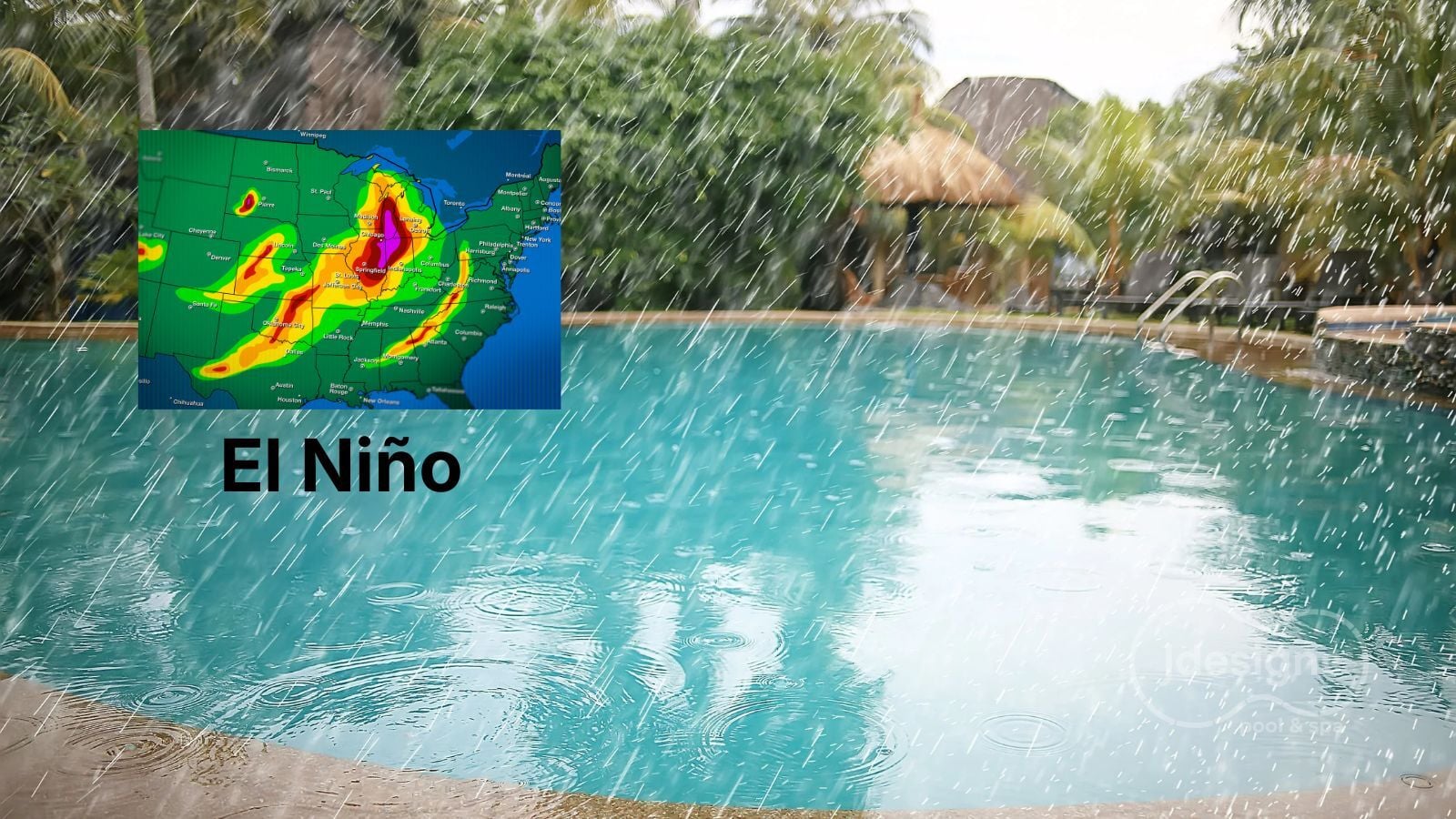
After heavy rain, don't automatically shock your pool or add chemicals. Test the water first.
Get answers to the most common pool questions after heavy rain, from chlorine and algae to equipment, drainage, and El Niño preparation.
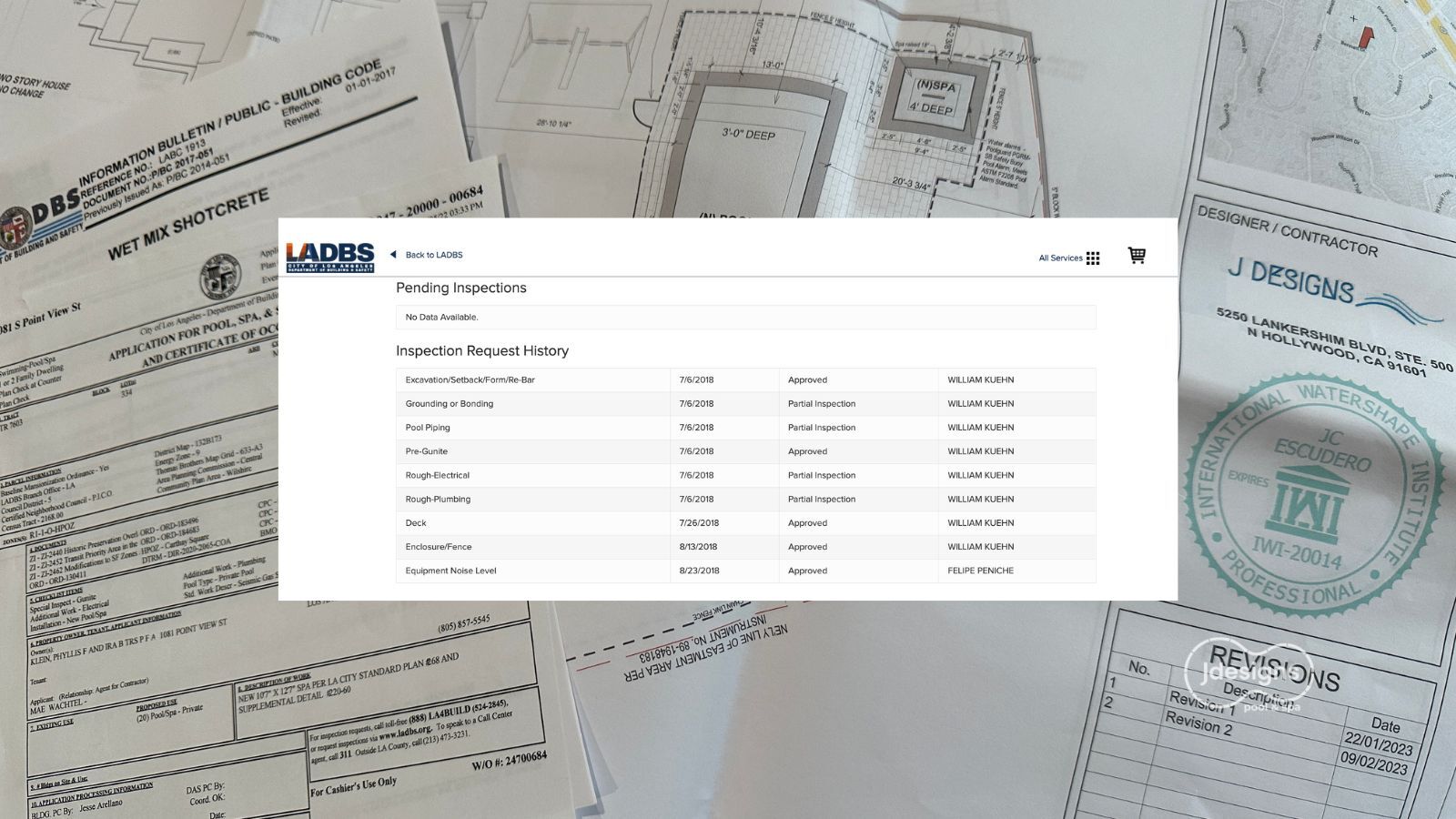
Have an unpermitted pool in Los Angeles? Learn about fines, safety risks, code violations, legalization, and what buyers and sellers should know.
JC Escudero : Sep 19, 2026
Learn what a pool skimmer does and how its placement, plumbing, water level, and landscaping affect pool circulation and equipment performance.