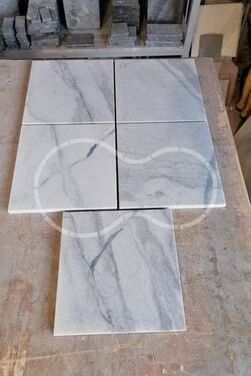
Natural Stone for Swimming Pools: The Complete Guide to Choosing the Right Material
Natural stone can transform an ordinary swimming pool into something extraordinary. From the timeless elegance of marble to the warm, textured...
5 min read
JC Escudero
:
Published
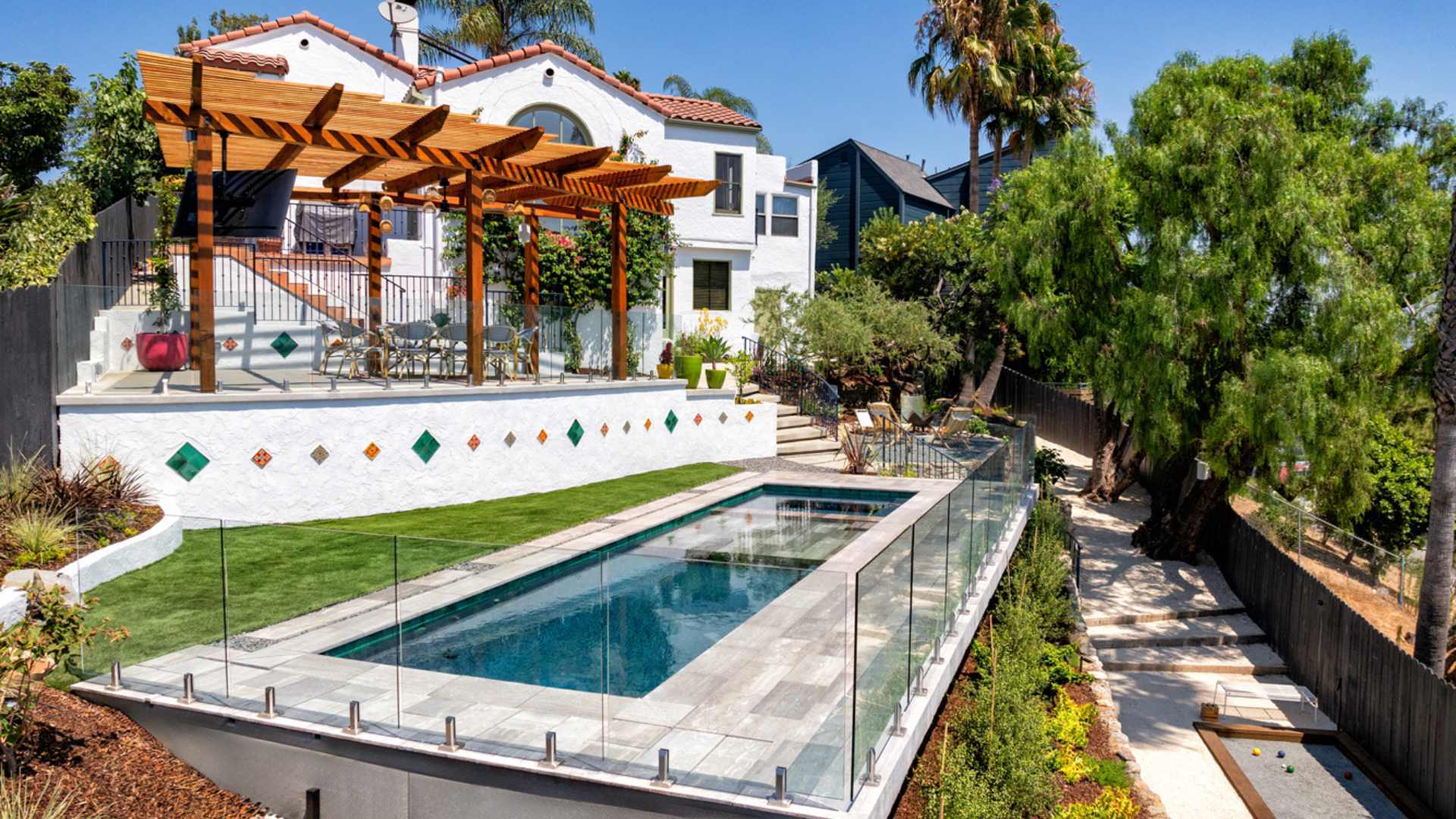
Natural stone can transform an ordinary swimming pool into something extraordinary. From the timeless elegance of marble to the warm, textured appearance of travertine and the distinctive character of granite, natural stone offers a range of colors, patterns, and finishes that manufactured materials often struggle to replicate.
But choosing stone for a swimming pool involves more than finding a color you love.
A swimming pool is a demanding environment. Stone can be exposed to water, pool chemicals, sunlight, temperature changes, cleaning products, and repeated wetting and drying. Depending on its composition and installation, a material that looks beautiful when first installed may develop stains, surface etching, flaking, or other problems over time.
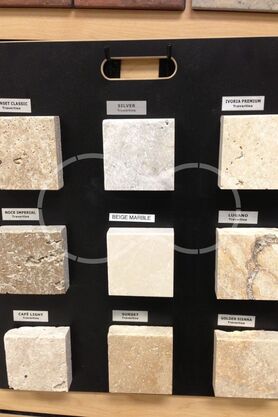
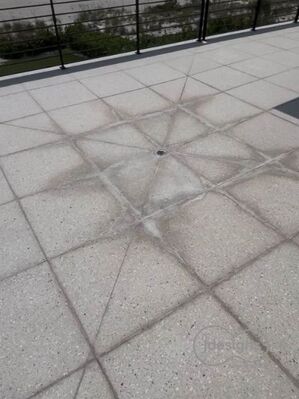
The key is understanding what stone you are buying.
Natural stone is formed by geological processes over thousands or millions of years. Each type has its own mineral composition, structure, porosity, and physical properties. Those characteristics help determine how it responds to water chemistry, heat, moisture, and everyday use.
Natural stone can bring texture, character, and a distinctive architectural finish to your pool. But a beautiful showroom sample does not tell you how that material will perform under wet feet, strong sunlight, or repeated exposure to pool water.
Choosing stone is a little like choosing flooring for your home: what works in one room may not belong in another. A pool deck, coping edge, and submerged surface each place different demands on the material.
This J Designs guide explains the main benefits, common problems, and questions to ask before choosing natural stone for your pool and outdoor living space.
The goal isn’t simply to choose the most beautiful stone. It’s to choose the right stone for the right application.
Before comparing colors, identify the application:
A stone suitable for a patio is not automatically suitable inside a swimming pool. Different materials can work together visually without requiring the same stone everywhere.
Natural stone offers variations in color, veining, texture, and fossil detail that give each installation its own character. Those variations also mean performance depends on the specific product, not simply its name.
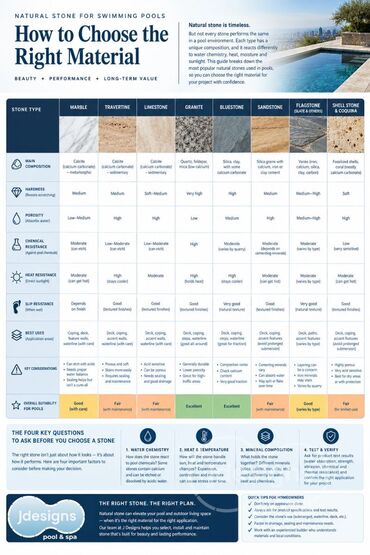
| Material | Main benefits | Problems to understand |
|---|---|---|
| Travertine | Warm colors, natural texture, and a range of finishes for coping and decking. | Pores and voids vary. Assess filling, absorption, strength, staining, and acid sensitivity. |
| Limestone | Subtle tones and an understated appearance that complements many architectural styles. | Many varieties are acid-sensitive; absorption and outdoor durability vary. |
| Marble | Distinctive veining and a refined appearance. | Many varieties can etch or stain. A polished appearance does not establish safe wet traction. |
| Granite | Often hard and abrasion-resistant, with a crystalline appearance. | Evaluate surface heat and wet traction. Finish, minerals, and treatments still affect performance. |
| Bluestone | Blue-gray tones and attractive textured surfaces. | The name covers different rock types. Verify composition, absorption, heat, and exterior suitability. |
| Sandstone | Earthy colors and a natural, textured appearance. | Porosity and the minerals holding the grains together affect weathering, splitting, and chemical resistance. |
| Slate and other flagstones | Distinctive textures and natural variation. | Some products can flake, separate in layers, or develop mineral staining. Flagstone describes a paving format, not one rock type. |
| Shell stone and coquina | Fossil details and distinctive light-colored surfaces. | Carbonate content, porosity, and variable strength require careful selection for the intended exposure. |
Use this comparison to narrow your choices, not to rank every stone from best to worst. Ask for the exact product name, source, relevant test data, and intended-use guidance.
Many marbles, limestones, and travertines contain calcium carbonate, which is vulnerable to acids. Acidic cleaners or chemically aggressive water can etch the surface, leaving dull areas, roughness, or pitting.
Etching is not the same as staining. A stain changes the stone’s color; etching changes the surface itself. A sealer that helps resist stains does not make acid-sensitive stone immune to etching.
Maintain appropriate pool water balance and use cleaning products approved for the specific stone. Qualified pool-care professionals can help manage water chemistry without treating a single test reading as the whole diagnosis.

As splashed water evaporates, dissolved salts can concentrate on or within stone. Depending on the material and exposure, salt crystallization can contribute to staining or deterioration. This deserves particular attention around salt-chlorinated pools, but dissolved salts are not exclusive to those systems.
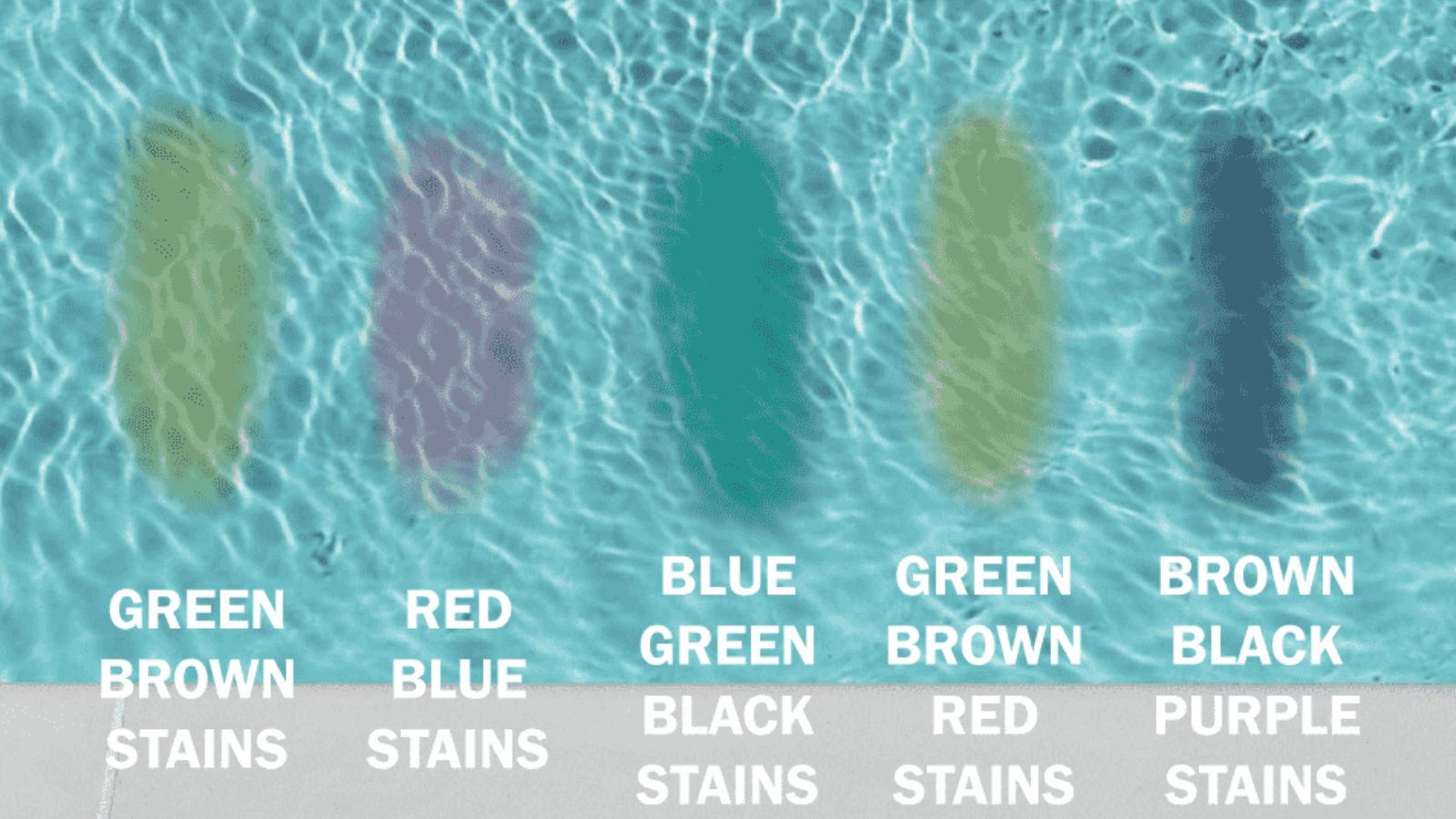
White deposits, rust-colored staining, and surface flaking do not necessarily have the same cause. Have the material and moisture conditions evaluated before attempting aggressive cleaning.
A textured appearance alone does not prove that stone provides adequate grip when wet. Ask for wet, barefoot slip-resistance information relevant to the exact finish and planned application.
Barefoot comfort also matters in Los Angeles sunshine. Color, finish, material, and shade influence surface temperature. Lighter colors may help, but no stone name guarantees a cool deck. Evaluate samples in representative outdoor conditions when practical.
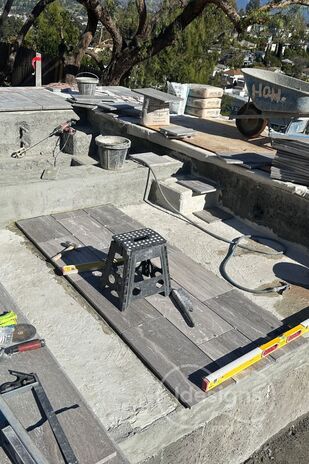
Stone, concrete, mortar, and grout expand and contract as temperatures change. If the installation restricts that movement, stress can contribute to cracking or loss of bond.
Proper support, compatible setting materials, drainage, and correctly designed movement joints are essential. Persistent moisture, existing substrate cracks, or weaknesses within the stone can also contribute to failure.
A damaged finish should prompt a diagnosis of the cause, not simply a cosmetic patch.

Even a suitable stone can disappoint when the installation or care plan is wrong. Review these details before construction:
Sealers may reduce absorption or certain stains, but they cannot correct poor drainage, strengthen unsuitable stone, or compensate for incorrect installation.
Before you buy or decide on a natural stone this are the most impostant piece of information you need:
Travertine, Marble, Slate, Limestone, Flagstone and Granite are products of nature and hence are susceptible to pits, cracks, thickness and color variation. No two pieces are alike. These characteristics are not material flaws but signatures of authenticity. You must inspect the material prior to installation to verify the thickness, color, veining, or any other irregularity and prepare any blending required to meet the owner's approval.
Look at the installed cost and ongoing care, not just the price of the stone. If the maintenance requirements do not fit your priorities, compare exterior-rated manufactured alternatives using the same criteria. A stone-like appearance does not establish pool suitability either.

Natural stone can be a rewarding choice when its appearance, performance, and maintenance requirements fit your project. The strongest decision combines the right material with thoughtful installation and a realistic care plan.
At J Designs Pool & Spa, we help you evaluate material selections as part of the complete pool environment, balancing design with comfort, serviceability, and long-term performance.
If you are planning a new pool or renovation, we invite you to discuss your material options with our team. Understanding the trade-offs before construction can clarify your decision and help you avoid preventable problems. If you are still exploring, start by identifying where the stone will be used and which maintenance commitments you are comfortable making.
Related reading: The Biggest Ignored Fact in Pool Construction
If you are ready to take the next step and start your personalized backyard experience, just click on the link below to meet one of our designers.
Natural stone can transform an ordinary swimming pool into something extraordinary. From the timeless elegance of marble to the warm, textured...
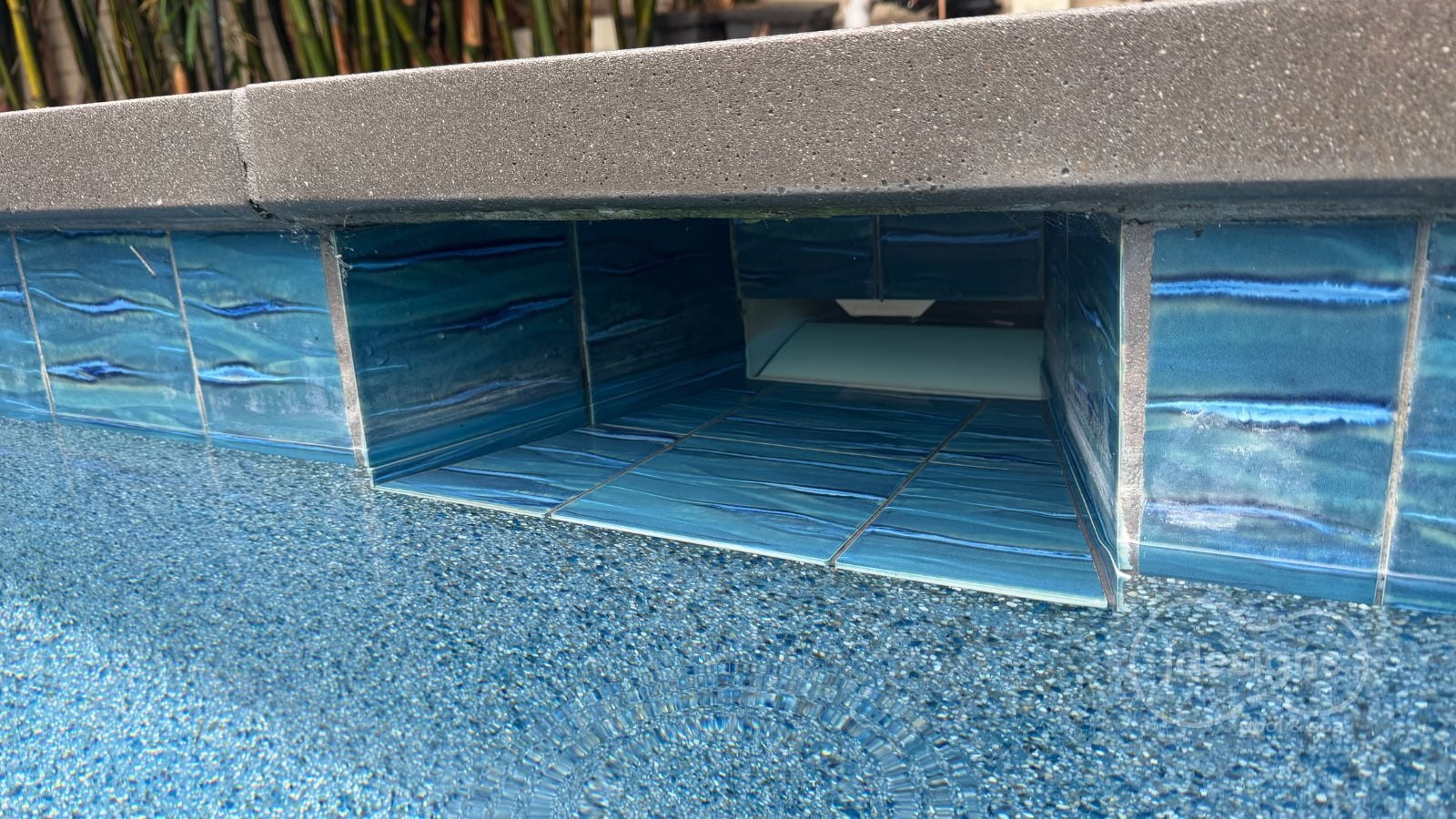
A pool skimmer is not simply a plastic part set into the pool wall and connected to a pipe. Its elevation, structural support, surrounding concrete,...
When most homeowners picture a swimming pool, they probably picture a concrete or shotcrete structure built into the ground.
Pool plaster stains ruining your pool? Learn how to identify, remove, and prevent stains from organic debris, metals, and poor water chemistry.
Do you know why your pool tiles are coming loose or falling off? Learn the real causes, hidden risks, and when to call a pool tile repair expert.
Is the pool plaster dusty or fading? Learn how MicroGlass protects new and older pool finishes, helping homeowners avoid costly replastering.