
Buying or Selling a House With an Unpermitted Pool in Los Angeles: Risks, Fines & What to Do
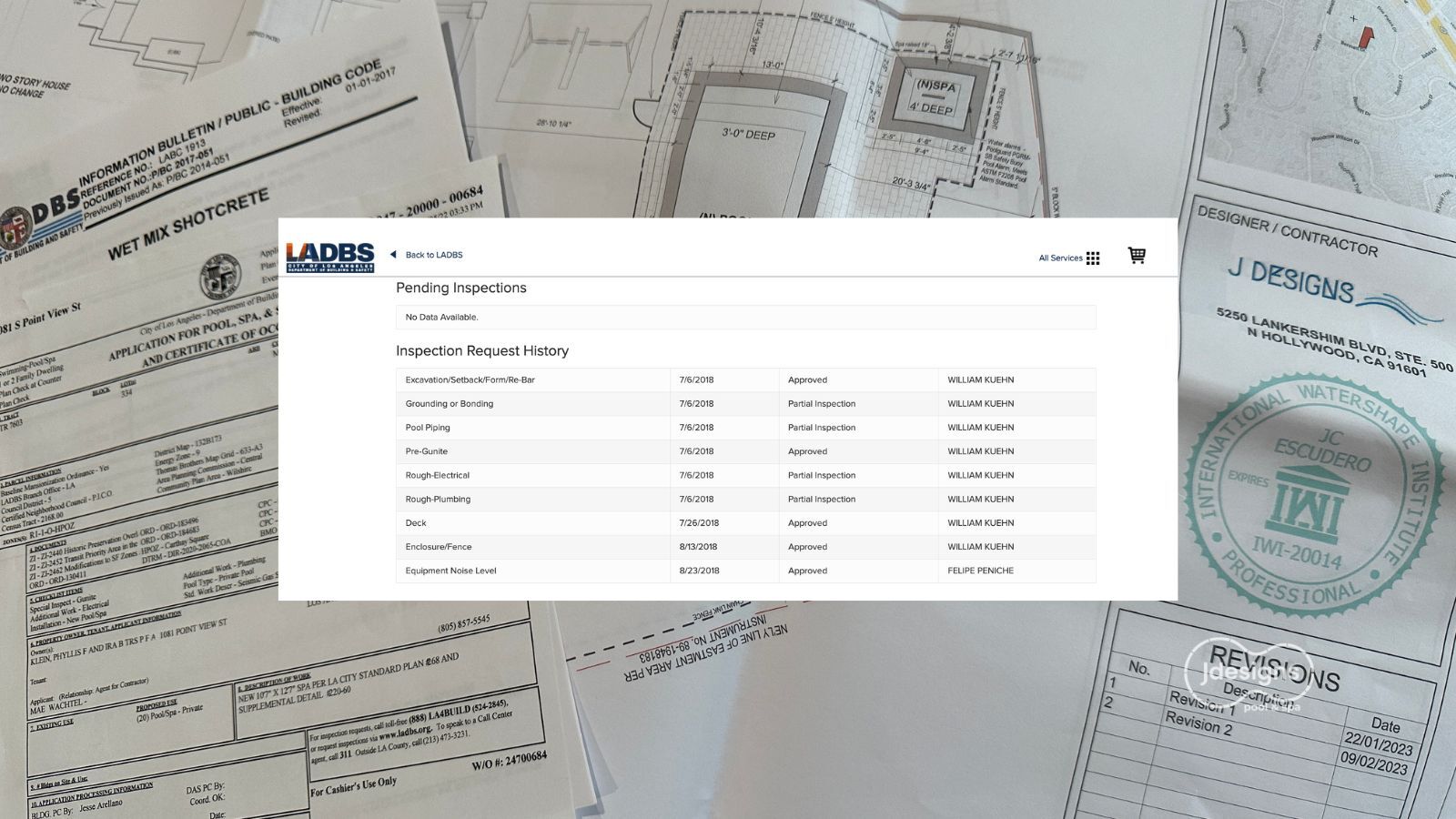
An unpermitted pool in Los Angeles is more than a missing permit. It may also mean there are no approved plans or inspection records confirming how...
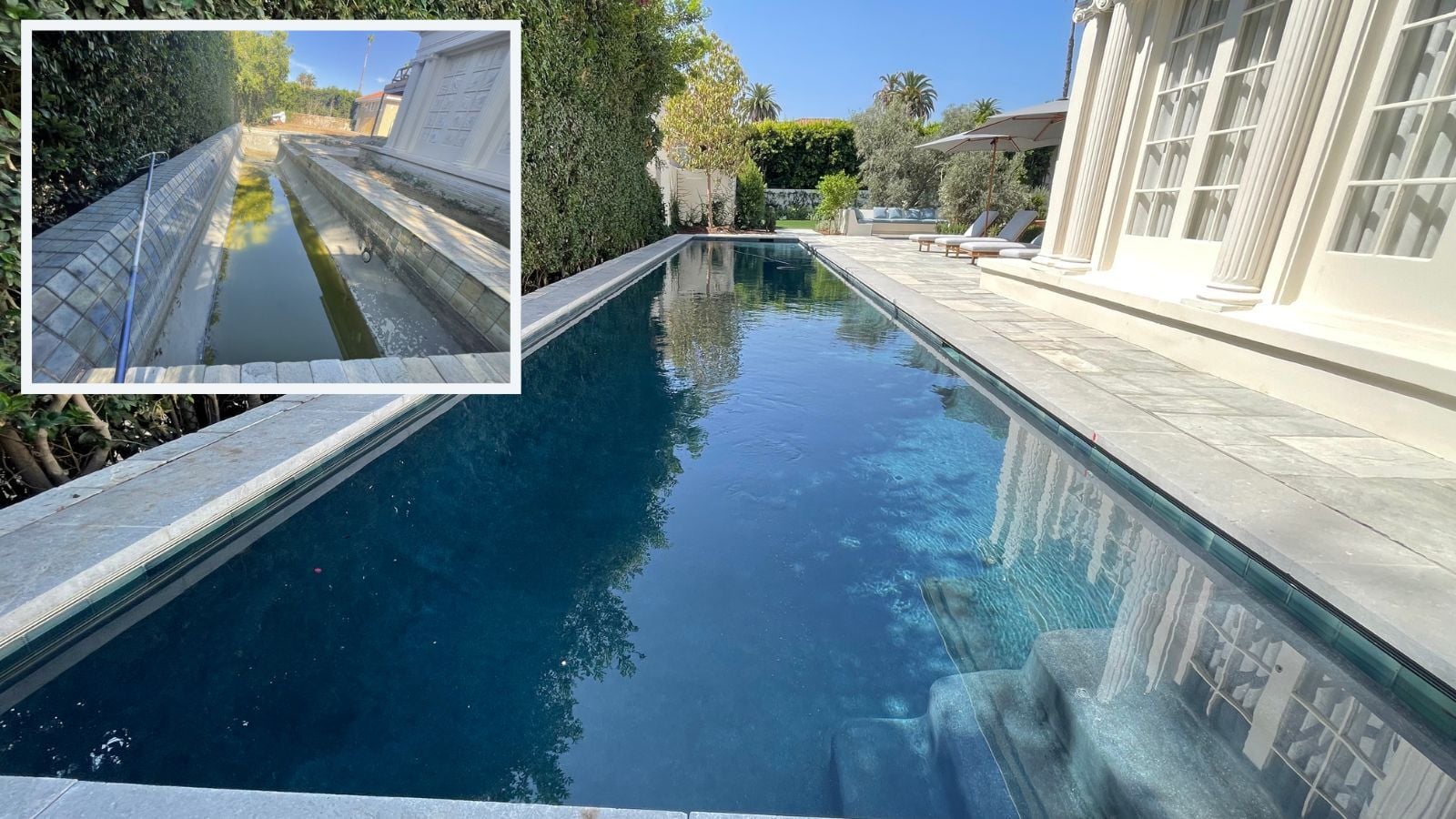
Can an existing swimming pool be expanded, reshaped, or connected to a new spa or other construction without compromising its structural integrity?
In many Los Angeles pool remodeling projects, the answer is yes, but only when the modification is designed and built as a structural system, not treated as a simple concrete addition. Homeowners may want to enlarge a pool, add an integrated spa, create a Baja shelf or tanning ledge, reconfigure an outdated shape, or repair a damaged section of the shell. The critical question is how the new work will connect to the existing pool.
Without proper planning, movement between old and new construction can contribute to cracking, leaks, settlement, and visible separation, problems that can compromise both performance and the investment in your backyard. A properly engineered pool expansion or remodel can integrate the original shell and new construction into one continuous reinforced-concrete structure.
That process may include approved engineering plans, structural epoxy anchors, properly connected reinforcing steel, applicable inspections, and professional shotcrete placement, with each element selected and installed for the specific site and design.
At J Designs Pool & Spa, we approach pool remodeling in Los Angeles with the understanding that luxury is not only about appearance. It is also about structural integrity, California building codes, craftsmanship, and long-term peace of mind. In this guide, you will learn when a structural pool modification is necessary, how new construction is connected to an existing pool, which shortcuts to avoid, and what a quality-first process looks like from engineering through shotcrete.
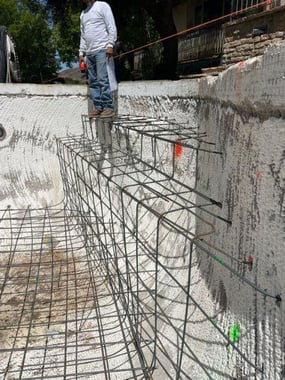
Homeowners may want to improve how the pool functions, modernize an aging design, create a better outdoor living experience, or correct construction deficiencies before they lead to more expensive problems.
Common structural pool modifications include:
- Expanding the pool to create more room for swimming or entertaining
- Adding an integrated or raised spa
- Installing a Baja shelf or tanning ledge
- Creating built-in seating or a shallow lounging area
- Reshaping an outdated pool to better fit the property and lifestyle
- Rebuilding sections affected by cracking, settlement, leaks, or deterioration
- Adding retaining walls or other structural features on sloped or complex sites
- Correcting deficiencies from previous construction
When planning a Los Angeles pool remodel, every modification should support both how the backyard is used and the property's long-term performance. Each project requires a different design and engineering response, but the central challenge remains the same: connecting the new work to the existing pool so it performs as a durable, structurally integrated system.
One common misconception in pool remodeling is that an expansion can be created by simply placing new concrete against the existing pool shell. Although the new concrete may harden next to the old structure, that alone does not create an engineered connection designed to transfer loads and resist movement as one system.
This distinction matters in Los Angeles, where soil movement, hillside conditions, water pressure, and long-term loading can all affect a pool structure. If the old and new construction move independently, the connection may develop cracks, leaks, separation, or other structural problems over time.
A properly engineered pool expansion or reshape requires more than additional concrete. It requires a designed connection between the existing shell and the new construction, typically incorporating approved structural epoxy anchors, overlapping the reinforcing steel, applicable inspections, and properly placed shotcrete. The goal is to create one integrated reinforced-concrete structure designed for the specific property, not simply cover the joint between two separate pours.
Some pools may not be a good candidate due to existing conditions such as deterioration or deficiencies that may be present
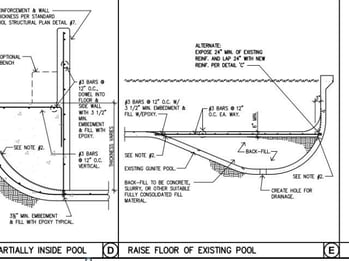
An existing pool expansion begins with approved structural plans, not with demolition or concrete placement. For a Los Angeles pool remodeling project, the engineer evaluates the existing shell, site conditions, proposed changes, and the loads the completed structure must resist. The plans then identify where new reinforcing steel and post-installed anchors will connect to the existing pool.
Contractors drill into the existing concrete shell at the locations, diameters, and embedment depths specified by the approved plans. Before the structural epoxy is installed, each hole must be cleaned using the methods required by the engineer and the anchor manufacturer.
Dust, debris, and other contaminants can interfere with the bond between the adhesive and the concrete. Proper hole preparation is therefore essential to achieving the specified strength of the connection. This step should be documented before the reinforcing steel is installed or the work is covered.
A structural-grade adhesive anchor system selected for the project is injected into the prepared holes according to the approved plans and manufacturer’s installation requirements. Reinforcing steel is then embedded to create the designed connection between the existing pool shell and the new construction.
These are not general-purpose construction adhesives. Structural adhesive anchors must be appropriate for the concrete condition, installation method, embedment depth, spacing, and loads identified by the engineer. In Los Angeles, the approved plans may also identify the required evaluation report, product approval, and inspection procedures for the specified anchor system.
Structural connections should be inspected before they are concealed. When the permit and approved plans require special inspection, a registered deputy inspector observes and documents the applicable work. Depending on the project, this may include verifying the hole preparation, anchor type, embedment depth, adhesive installation, reinforcing-steel placement, and compliance with the engineer’s specifications.
This inspection creates an important record that the connection was installed as designed. It also gives the engineer, inspector, contractor, and homeowner an opportunity to address problems before the work progresses to the next phase.
Los Angeles pool remodeling projects may involve both a registered deputy inspector and a city building inspector, but their responsibilities are different.
A registered deputy inspector performs special inspections for specific structural work identified by the building code, permit, or approved plans. The deputy documents the work observed and reports compliance or deficiencies through the required process. This helps maintain transparency through the process.
The city building inspector performs inspections on behalf of the local building department and verifies compliance with the permit, approved plans, and applicable building-code requirements. The city inspector’s role is broader than observing one specialized structural connection.
We treat documented engineering and inspection as part of a quality-first pool remodeling process. Clear plans, approved materials, qualified inspection, and careful workmanship help protect the homeowner’s investment while supporting the long-term performance of the finished pool.
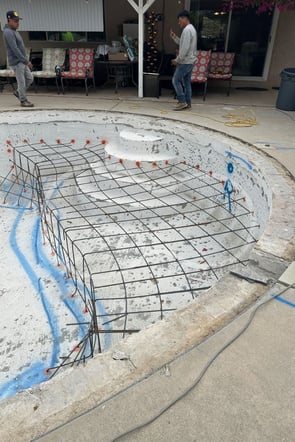
Connecting old and new concrete is only part of a structural pool remodel. The concrete provides mass and compressive capacity, while the reinforcing steel helps resist tension and transfer forces through the modified area.
When the engineer’s design retains existing reinforcement, the new reinforcing steel must be connected at the locations and in the configuration shown on the approved plans. Multiple connections help distribute forces between the original pool shell and the new construction rather than concentrating movement or loading at a single point. The required bar size, spacing, embedment, lap, splice, and connection details are project-specific and should never be improvised in the field.
The goal is not simply to place new concrete against the old shell. It is to create a continuous reinforced-concrete system with a properly engineered load path between the existing structure and the new pool expansion or remodel.
After the post-installed anchors and adhesive have been installed and accepted as required, crews place additional reinforcing steel and tie the new cage together in accordance with the approved plans. Depending on the design, the cage may include reinforcement for the pool floor, walls, bond beam, spa, Baja shelf, or other structural features.
Each bar must be positioned, supported, spaced, and secured so it remains in the designed location during shotcrete placement. Before concrete is placed, the steel assembly is inspected as required by the permit and approved plans. This is the final opportunity to verify the reinforcement and connection details before they are concealed within the shotcrete.
For homeowners, this work behind the finished tile and coping matters just as much as the visible design. In a Los Angeles pool remodel, the reinforcing cage is part of the structural system that must support water pressure, respond to site conditions, and contribute to the long-term performance of the finished pool.
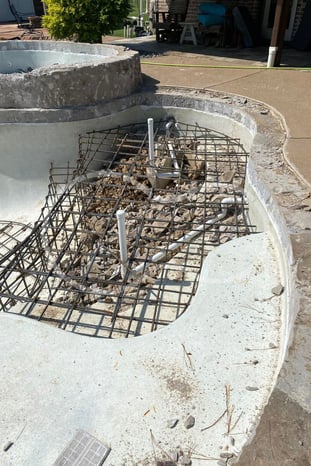
What happens beneath a pool expansion or remodel can be just as important as what is visible at the surface. When an existing pool is reshaped, or a section is removed, any resulting voids must be addressed according to the engineer’s plans and the site’s soil, drainage, and loading conditions.
Broken concrete, demolition debris, oversized rock, or miscellaneous fill should not be used as an improvised substitute for an engineered foundation. Unless the material is approved, properly sized, placed, and compacted for the specific application, it may create inconsistent support beneath the new construction. Over time, differences in compaction or settlement can transfer stress into the pool shell and contribute to cracking, separation, leaks, or structural movement.
The appropriate solution depends on the project. It may involve removing unsuitable material and using engineered fill, controlled low-strength material, concrete, or properly placed structural shotcrete, as specified by the engineer and approved plans. The objective is to create uniform, stable support for the new structure—not conceal a void and hope the finished surface holds.
For homeowners, this is an important question to ask during a pool remodel: What is beneath the new concrete, and how will it be supported? The construction beneath the finish should be planned and documented with the same care as the visible design.
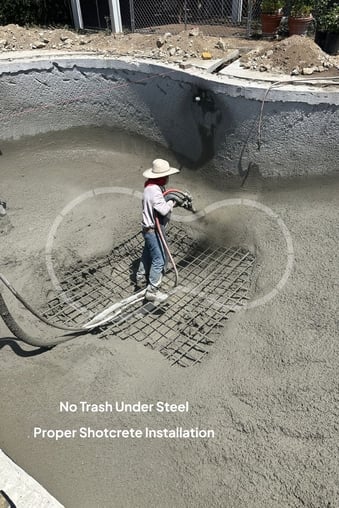
Once the reinforcing steel has been inspected and accepted as required by the approved plans, shotcrete placement begins. Shotcrete is concrete pneumatically projected through a nozzle at high velocity. That impact helps consolidate and densify the material while allowing it to bond to properly prepared concrete and previously shot surfaces.
In this context, monolithic does not mean that the entire pool must be placed in one uninterrupted pour. It means the completed shell is designed and built to perform as one integrated reinforced-concrete system. Proper mix design, nozzle technique, reinforcement placement, surface preparation, and curing all contribute to that result.
A planned construction joint is not automatically a cold joint. When shotcrete is placed in multiple sections or layers, the receiving surface must be prepared by removing rebound, overspray, laitance, and other material that could interfere with the bond. The surface is then cleaned and brought to the condition required by the project specifications before the next placement.
With proper preparation and application, sequential shotcrete can develop a strong bond and act monolithically. A cold joint or weak plane can result when placement is delayed or the receiving surface is not properly prepared. The quality of the transition between placements therefore matters as much as the shotcrete itself.
In Los Angeles, inspection requirements for shotcrete depend on the applicable building code, permit, approved plans, and jurisdiction. For projects within the City of Los Angeles, the pool-construction bulletin calls for continuous inspection of shotcrete and gunite pools. The qualified inspector identified for the project verifies that the work follows the structural design and applicable requirements. This may include the reinforcing steel, substrate preparation, shotcrete placement, and required quality-control documentation.
A registered deputy inspector is required for designated structural work, while the city building inspector performs jurisdictional inspections. Homeowners should confirm the required inspection sequence before shotcrete placement begins and before structural work is covered.
When required, these inspections are not a formality. They document that the pool remodel is progressing according to the approved plans and applicable building-code requirements. Skipping required inspections or bypassing engineering requirements can introduce structural risk and complicate final approval.
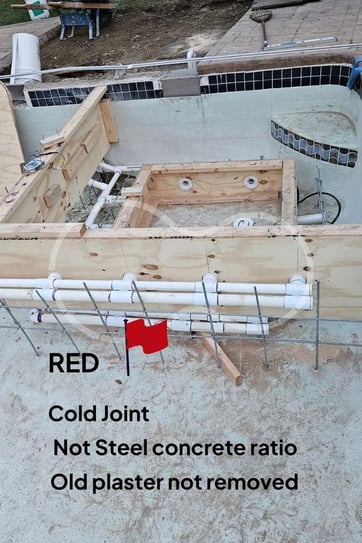
Not every pool expansion or structural remodel is performed to the same standard. Homeowners do not need to act as engineers, but they should ask questions if a contractor cannot clearly explain the plans, materials, connection details, or inspection process.
- No approved structural plans for the proposed pool modification
- An anchor or epoxy product that is not identified in the plans or supported by the required product and installation documentation
- Reinforcing-steel connections that do not match the engineer’s drawings
- Connection details that appear improvised or rely on a single isolated connection where the plans call for multiple connections
- Voids or excavations filled with demolition debris, unsuitable rock, or unapproved material instead of properly engineered and compacted fill
- Required special, continuous, or deputy inspection that is missing or undocumented
- Shotcrete placed without the required inspection, surface preparation, or quality-control documentation
- Visible gaps, unprepared interfaces, or separation between old and new concrete
- Structural work covered before the required inspection or documentation is complete
- Poorly prepared shotcrete construction joints, including rebound, overspray, laitance, or debris left at the interface
- No clear explanation of the approved construction sequence or who is responsible for inspections
These signs do not automatically prove that a pool modification has failed, but they do warrant clarification before the work continues. Homeowners should request the approved plans, confirm the specified materials, ask which inspections apply, and obtain documentation before structural work is concealed.
In a Los Angeles pool remodel, code compliance and construction quality should come before convenience or the lowest initial price. A lower bid may reflect omitted engineering, inspection, documentation, or site-preparation work, details that can become expensive to correct later. Asking the right questions early helps protect the structure, the homeowner’s investment, and the long-term performance of the finished pool.
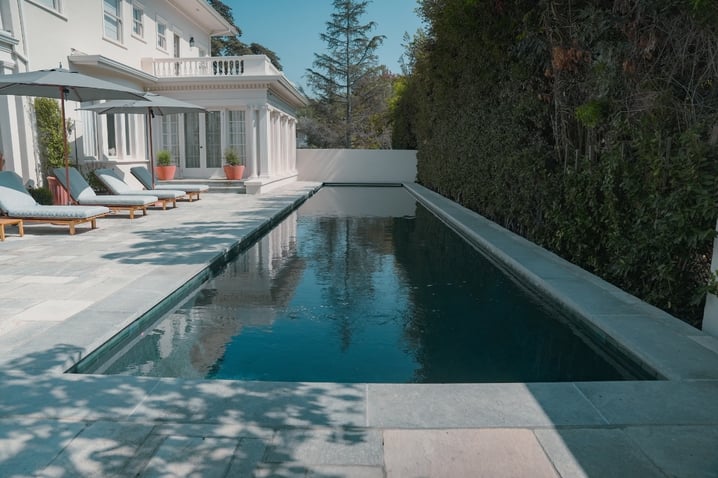
When a structural pool modification is engineered and built correctly, the goal is not to leave an old pool beside a new addition. The goal is to integrate the original shell and new construction into one reinforced-concrete system designed for the property, site conditions, and intended use.
- Approved structural plans tailored to the existing pool and proposed change
- Structural anchors selected and installed according to the engineer’s plans and manufacturer requirements
- Reinforcing-steel connections and the new steel cage built as detailed by the engineer
- Properly prepared and placed shotcrete
- The inspections and documentation required by the permit and local jurisdiction
Together, these elements create a more reliable load path between the original pool and the new construction. They also help the remodeled pool perform as a unified structural system over time.
The result is more than a larger, reshaped, or updated pool. It is a remodeling project built with transparency, technical care, and long-term peace of mind. In Los Angeles, site conditions, code requirements, and inspection procedures are project-specific, which is why structural pool work should follow approved plans rather than improvised field decisions.
At J Designs Pool & Spa, this quality-first approach places structural integrity, craftsmanship, and the homeowner’s investment at the center of every pool remodeling project.
If you are considering expanding, reshaping, repairing, or adding a spa or Baja shelf to an existing pool, begin with an evaluation of the existing shell, site conditions, drainage, plumbing, and proposed design. Understanding the structural path before construction begins can help you make informed decisions, avoid costly surprises, and protect your investment.
A durable pool modification requires more than placing new concrete. Depending on the project, it may require approved engineering plans, properly specified materials, connected reinforcing steel, required inspections, prepared substrates, and shotcrete placement that follows the approved design and applicable California building requirements.
Ready to explore your options? Schedule a consultation with J Designs Pool & Spa to discuss how your existing pool can be expanded, reshaped, or upgraded. Our team can help you understand what may be feasible for the property and which engineering and construction steps should be planned before work begins.

An unpermitted pool in Los Angeles is more than a missing permit. It may also mean there are no approved plans or inspection records confirming how...
 JC Escudero: Sep 2, 2026
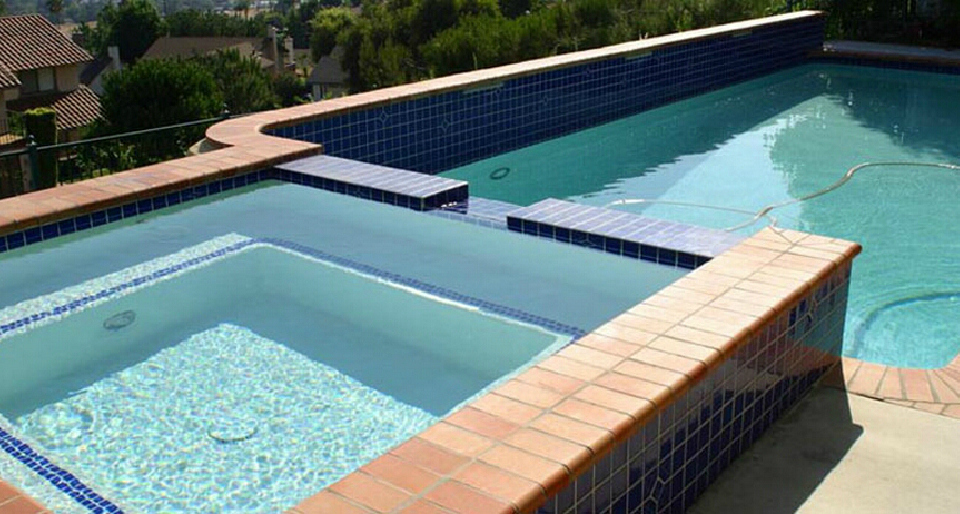
If you own a Spanish Colonial or revival-style home, clay coping can be one of the most beautiful ways to connect your pool while staying true to...
 JC Escudero: Aug 23, 2026
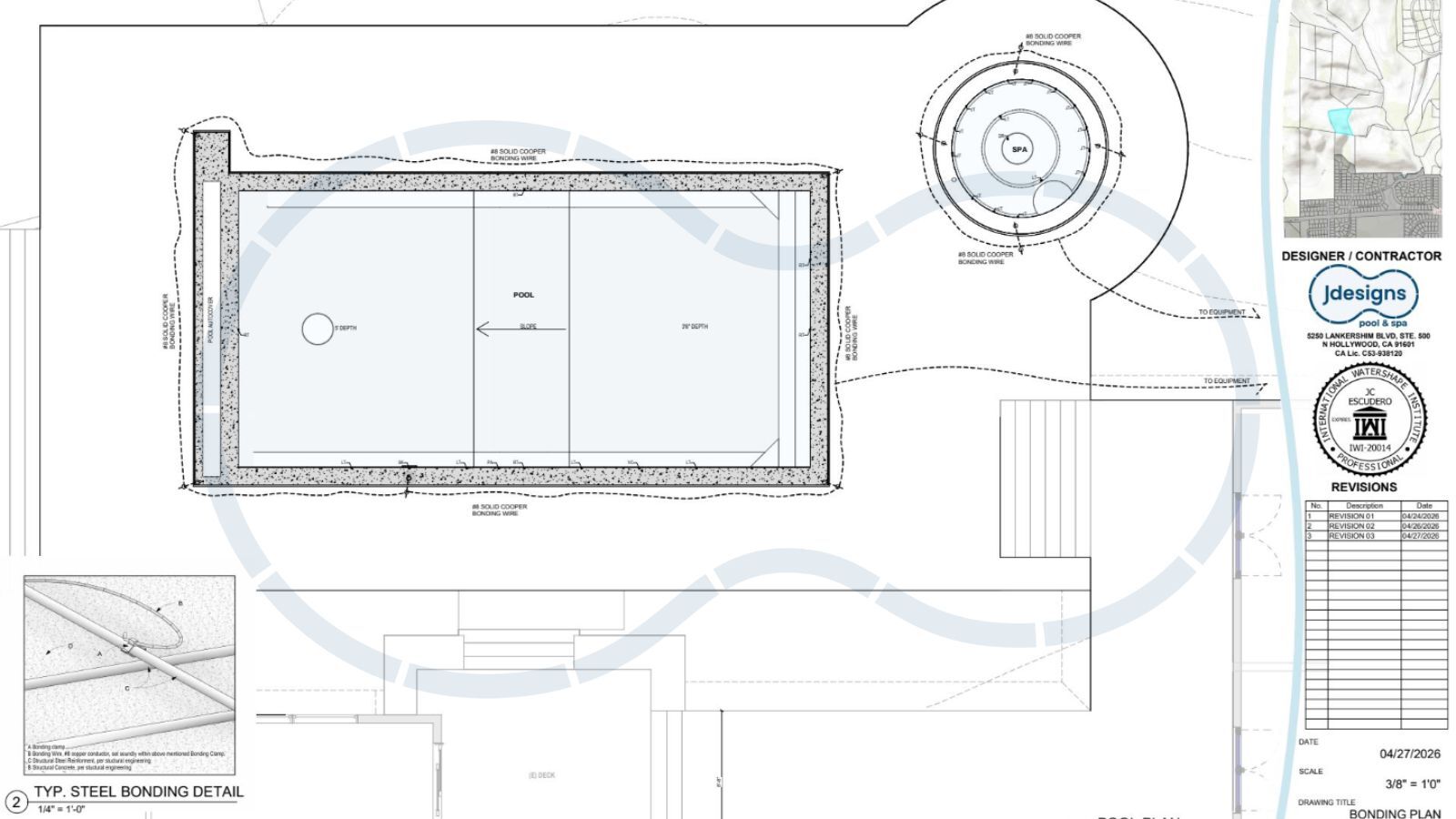
We are all very familiar with the statement that water is an electrical conductor; therefore, this also applies to the pool's surrounding areas and...
1 min read
JC Escudero : May 10, 2025
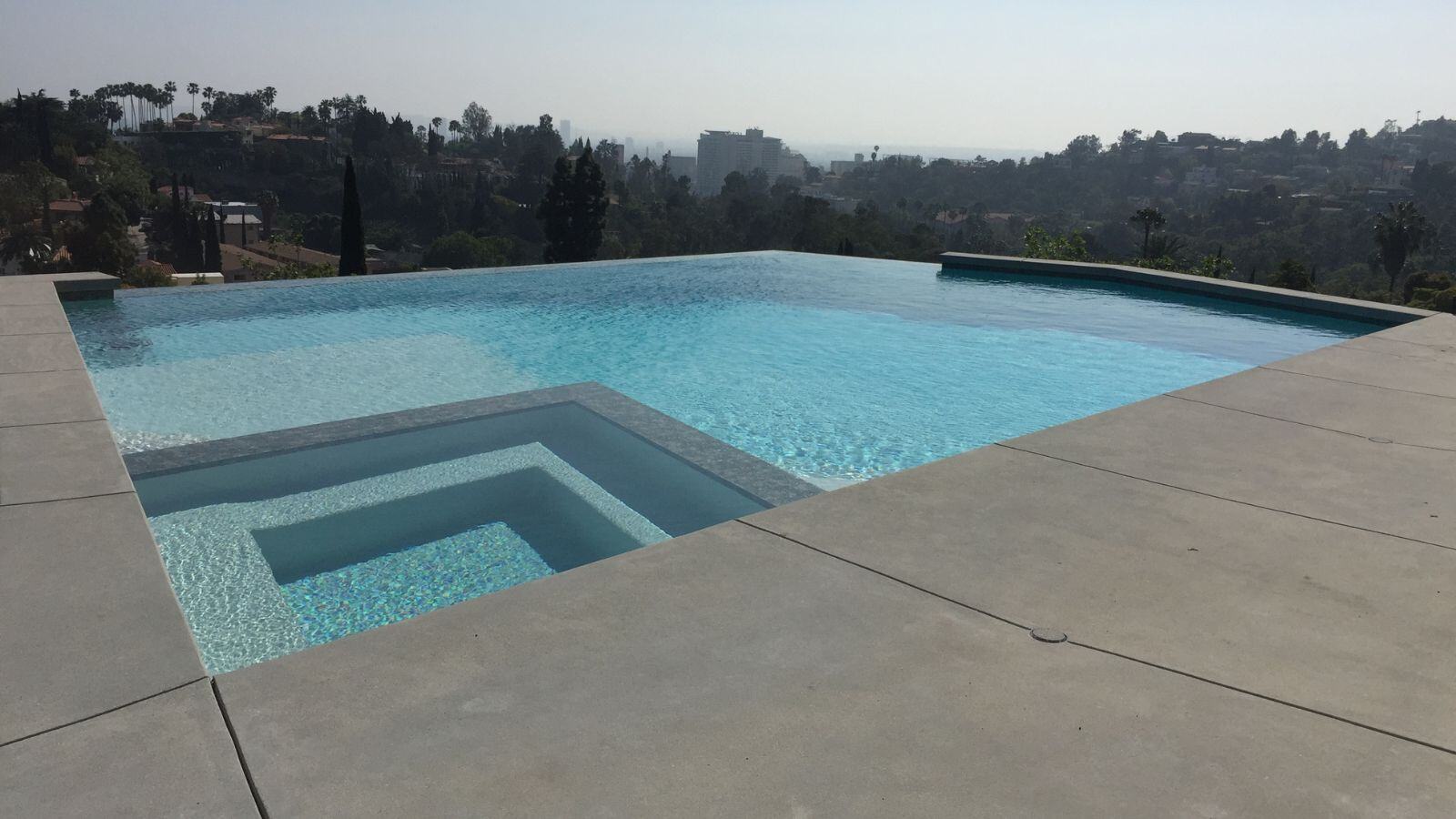
Building a pool on a hillside property in Los Angeles can feel both exciting and complex. You may be envisioning a beautiful outdoor retreat with...
1 min read
JC Escudero : Mar 29, 2025
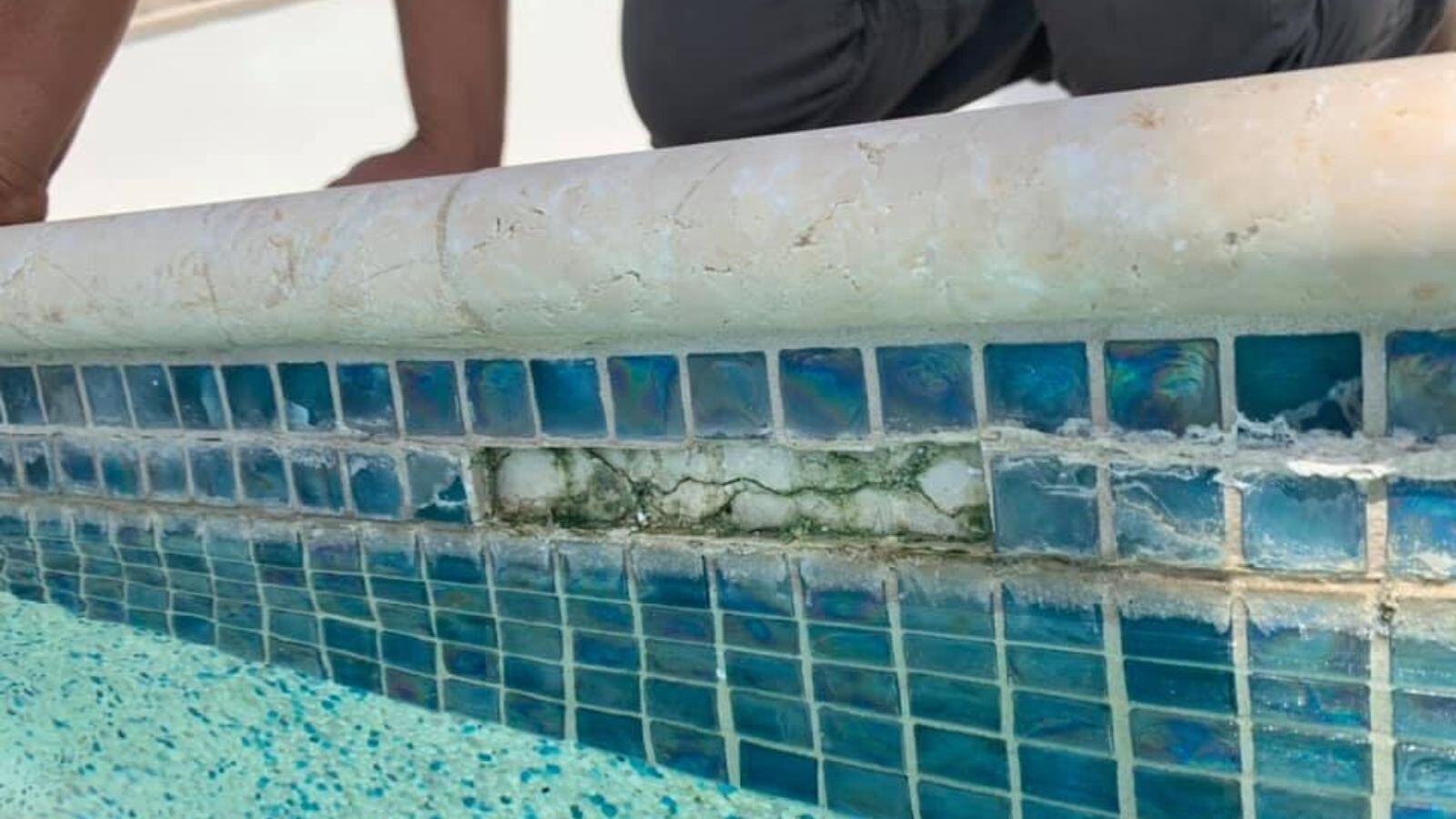
At J Designs Pool & Spa, we often get calls from homeowners worried about cracks in the tile around their pool’s waterline. The assumption? It may...
1 min read
Have you ever wondered what exactly a pool contract should include before you sign one? Building a new pool is one of the most significant...