
 Daniela Escudero
How 3D Pool Design Prevents Construction Mistakes
 JC Escudero: Sep 23, 2026
Planning a custom pool involves dozens of decisions about shape, depth, materials, and features. Get one wrong, and you could face expensive rework...
Have you ever wondered if your gas pool heater could be putting your family at risk? While these heaters are fantastic for extending swim seasons and adding comfort to your pool, improper installation or maintenance can lead to gas leaks, vent problems, or even safety hazards.
At J Designs, we’ve seen how skipping professional installation or cutting corners can result in costly repairs, dangerous situations, and shortened lifespans for pool heaters. In this guide, we’ll explore the risks of improper installation, real-life mistakes to avoid, and why trusting professionals is your best choice for a safe and worry-free pool experience.
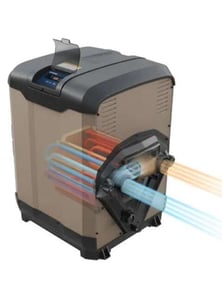
How a gas heater is installed significantly impacts efficiency, safety, and longevity. These systems use gas and electricity to create fire, producing toxic fumes (Carbon Monoxide) that must be vented safely. If installed incorrectly, these fumes can seep into living spaces or damage property, posing severe health and safety risks.
Some homeowners underestimate the importance of pool heaters, believing they don’t require the same level of care as home water heaters. This mindset often leads to dangerous mistakes, including improper placement and poor ventilation.
Bottom Line: A California Licensed (CSLB) C-53 or C-61 (D-35) professional installer ensures your gas pool heater is set up according to the manufacturer’s specifications, meets safety standards, and operates efficiently without endangering your family or property.
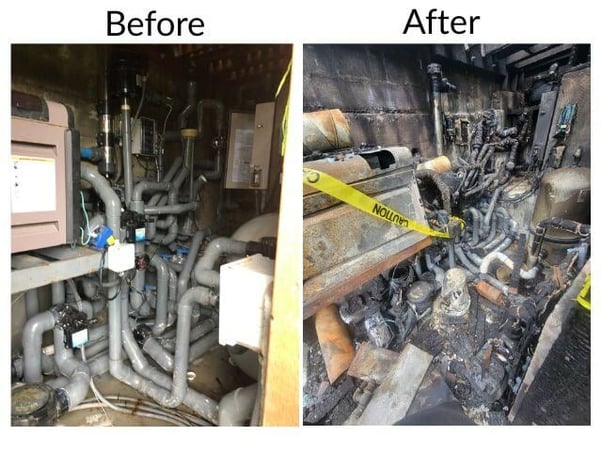
Professional installers have countless horror stories about bad setups, but one stands out:
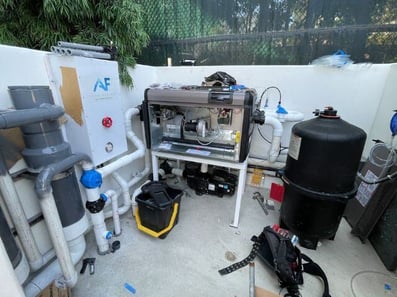
This equipment area had a large number of violations and installation issues. Additionally, the pool heater was located inside a covered area with no ventilation. Over time, this led to a fire that destroyed all the equipment and the above patio.
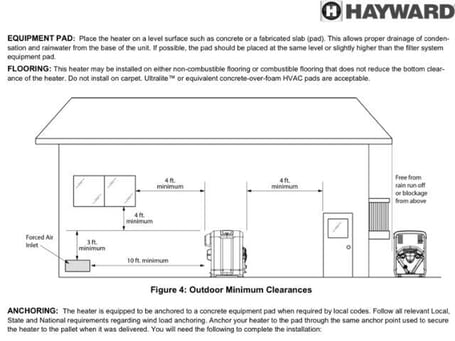
Another common mistake is placing heaters under decks or near windows. Although these placements may appear aesthetically pleasing, they block airflow and prevent safe venting, leading to the accumulation of toxic gases and potentially resulting in carbon monoxide poisoning, with disastrous outcomes.
Takeaway: Gas pool heaters need adequate airflow and proper venting, and only professional installers know how to achieve these goals safely and effectively.
.jpg?width=303&height=404&name=Heater%20Vertical%20Blog%20Visual%20(1).jpg)
Understanding the risks of improper installation and maintenance can save you from dangerous situations and costly repairs. Here are the most common hazards and how to address them:
.jpg?width=194&height=259&name=Heater%20Vertical%20Blog%20Visual%20(2).jpg)
Pro Tip: Regular inspections and maintenance by a professional can catch these issues before they become costly problems.
Problems with proper ventilation, electrical connections, and gas leaks are common hazards frequently identified during inspections.
Gas pool heaters are not a DIY project. They require proper training, adherence to strict safety guidelines, and specialized tools to install and maintain safely. Certified professionals follow safety standards from organizations like the National Fuel Gas Code Committee (NFGC), American Gas Association (AGA), and Canadian Standards Association (CSA). In California, a Contractor Licence is required to perform these installations.
What Professionals Do:
By hiring a licensed professional, you can have peace of mind knowing that your investment is safe, efficient, and compliant with all necessary regulations.
Struggling with improper installations or maintenance can turn a significant investment into a costly mistake; your gas pool heater might be putting your family and property at risk. Now that you’re aware of the risks—such as gas leaks, vent corrosion, and poor water flow—you understand the value of hiring professionals to manage your gas pool heater.
At J Designs, we are committed to helping you maintain a safe, efficient, and enjoyable pool. Schedule your consultation today and let us handle the rest!

 JC Escudero: Sep 23, 2026
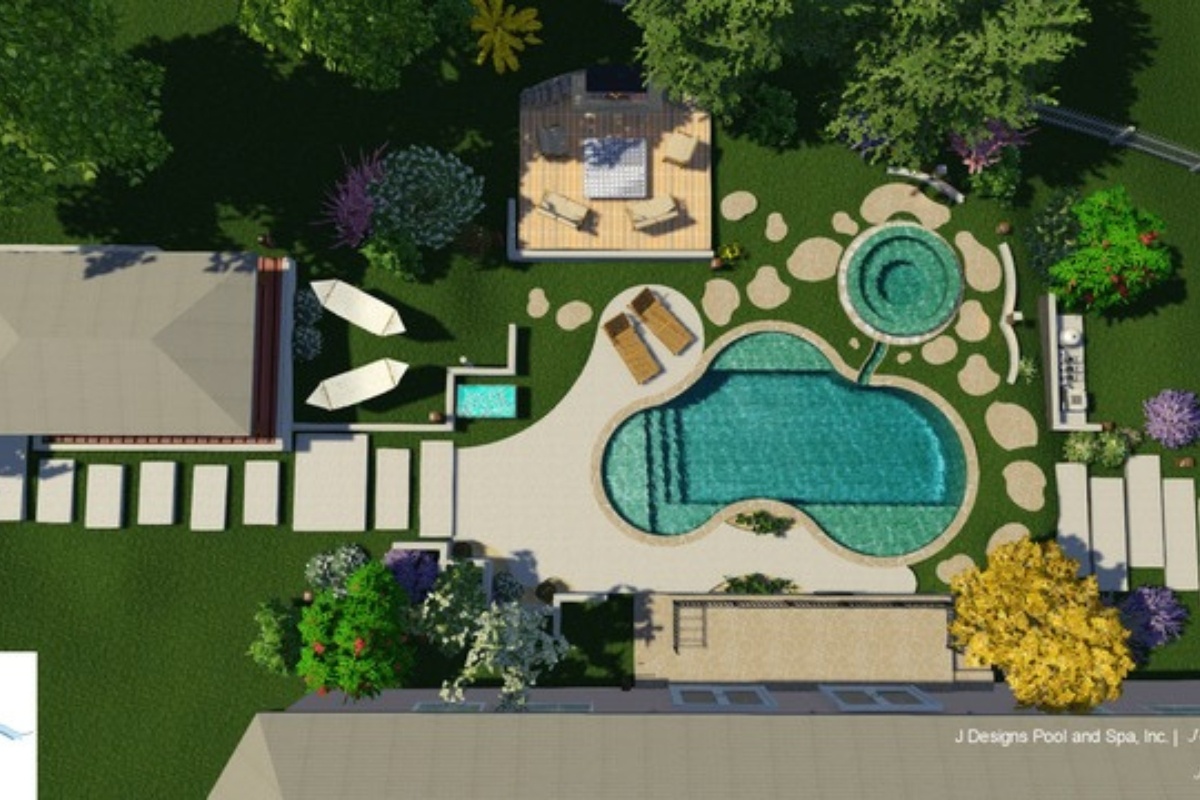
Planning a custom pool involves dozens of decisions about shape, depth, materials, and features. Get one wrong, and you could face expensive rework...
 JC Escudero: Sep 19, 2026
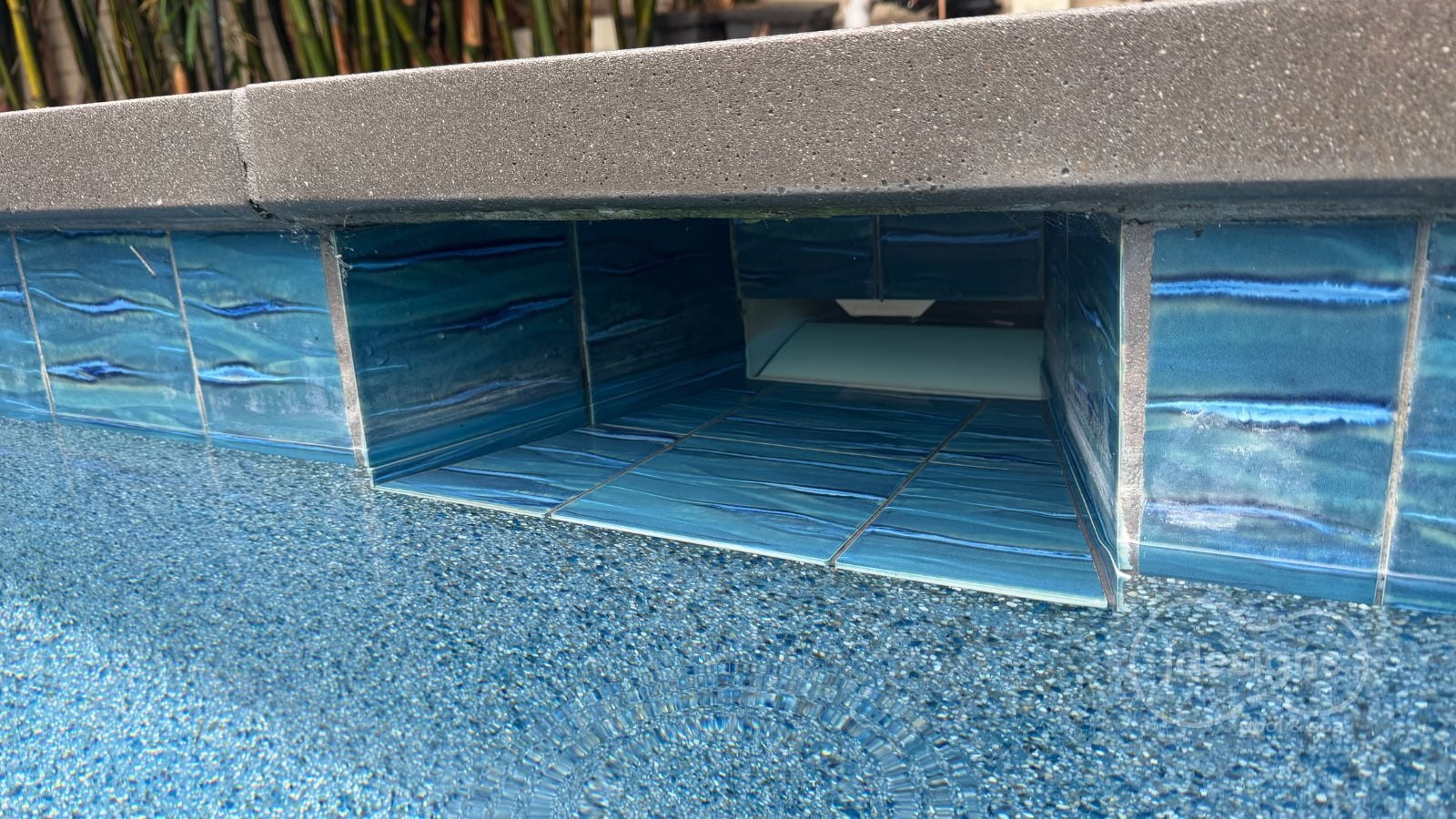
Your pool's circulation doesn't simply begin at the pump.
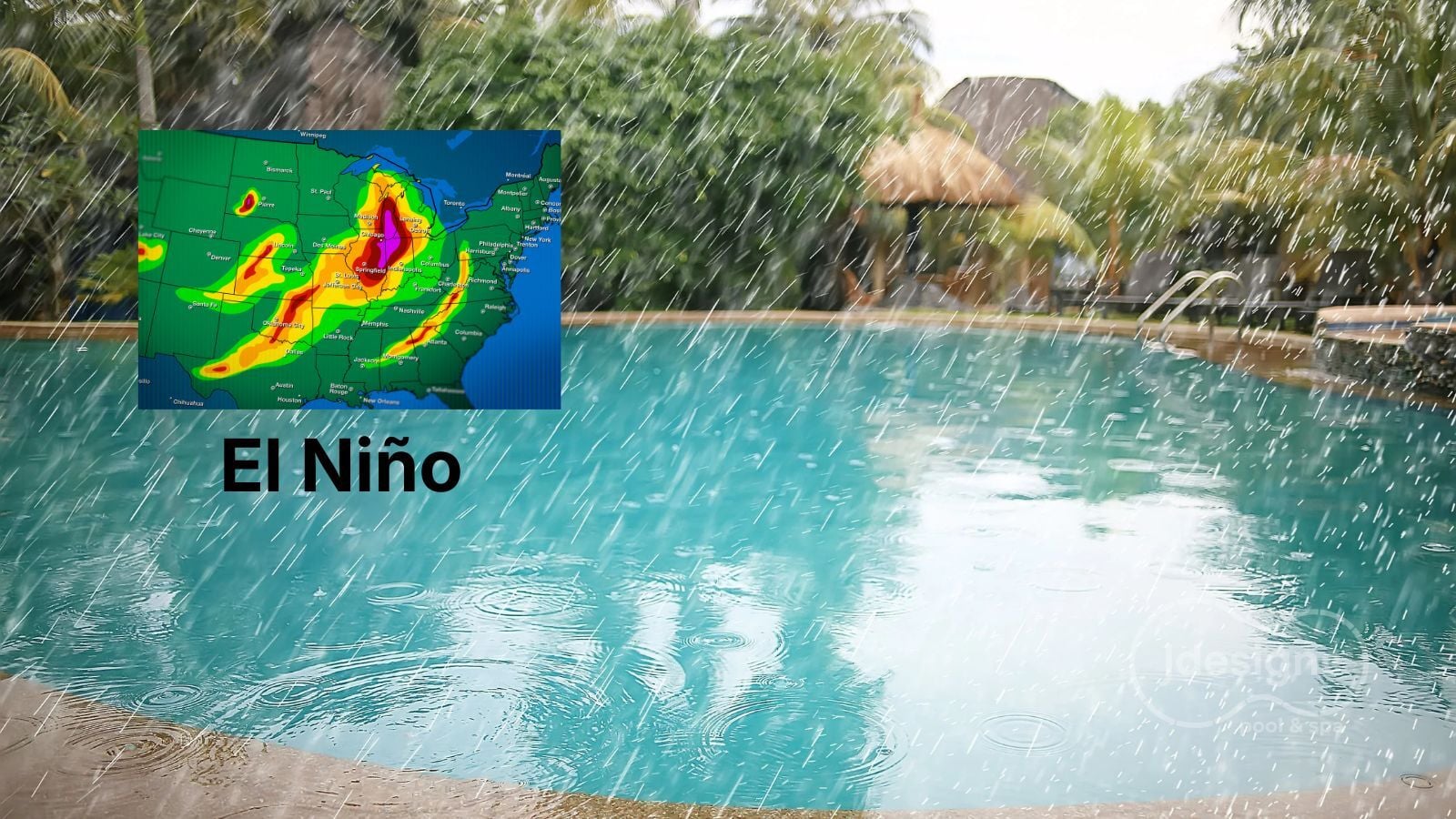
After heavy rain, don't automatically shock your pool or add chemicals. Test the water first.
 JC Escudero : Feb 22, 2026
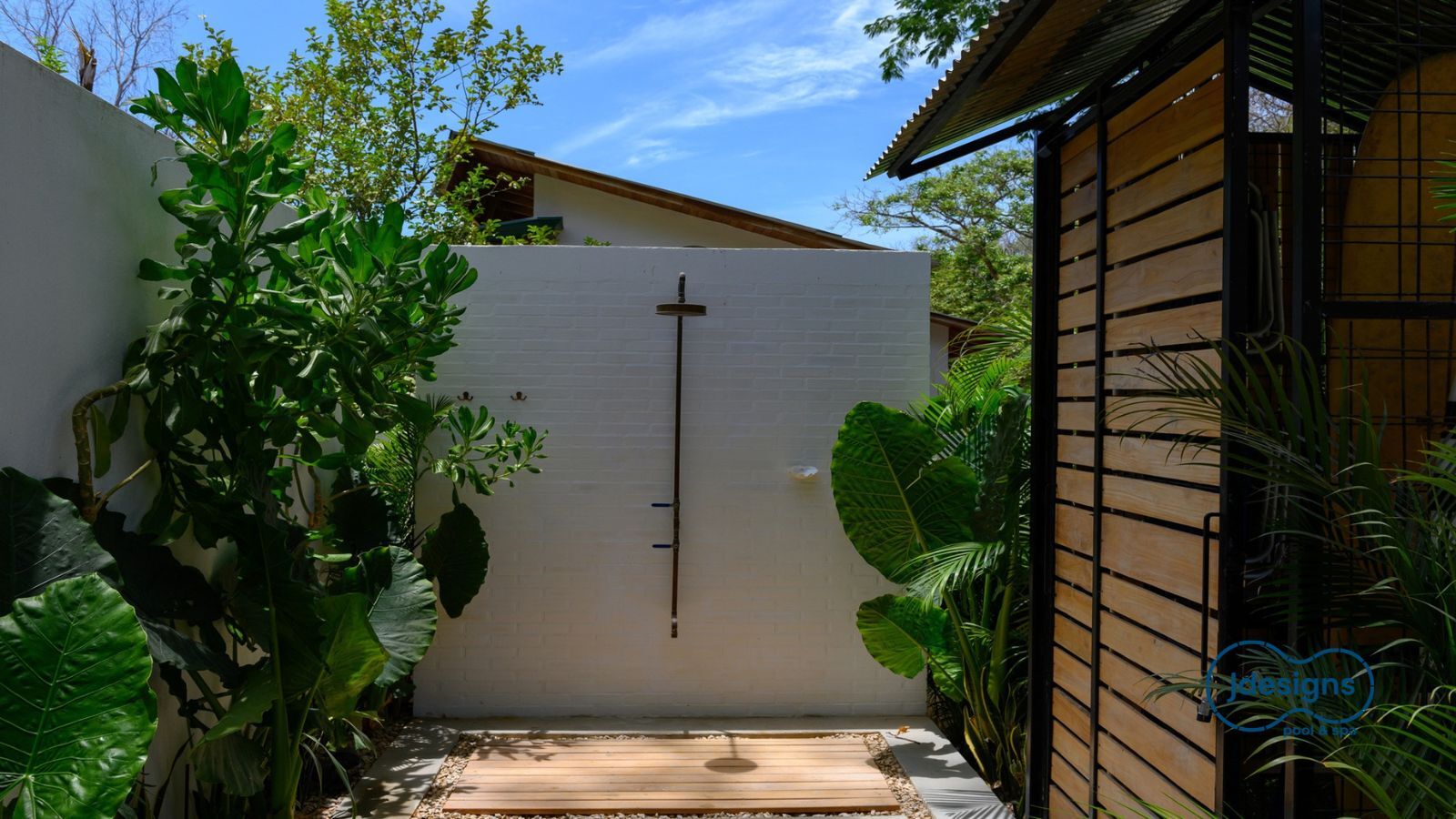
Discover how outdoor showers have become a must-have luxury for pools, and learn which design, placement, features are best for your backyard pool in...
 JC Escudero : Oct 4, 2025
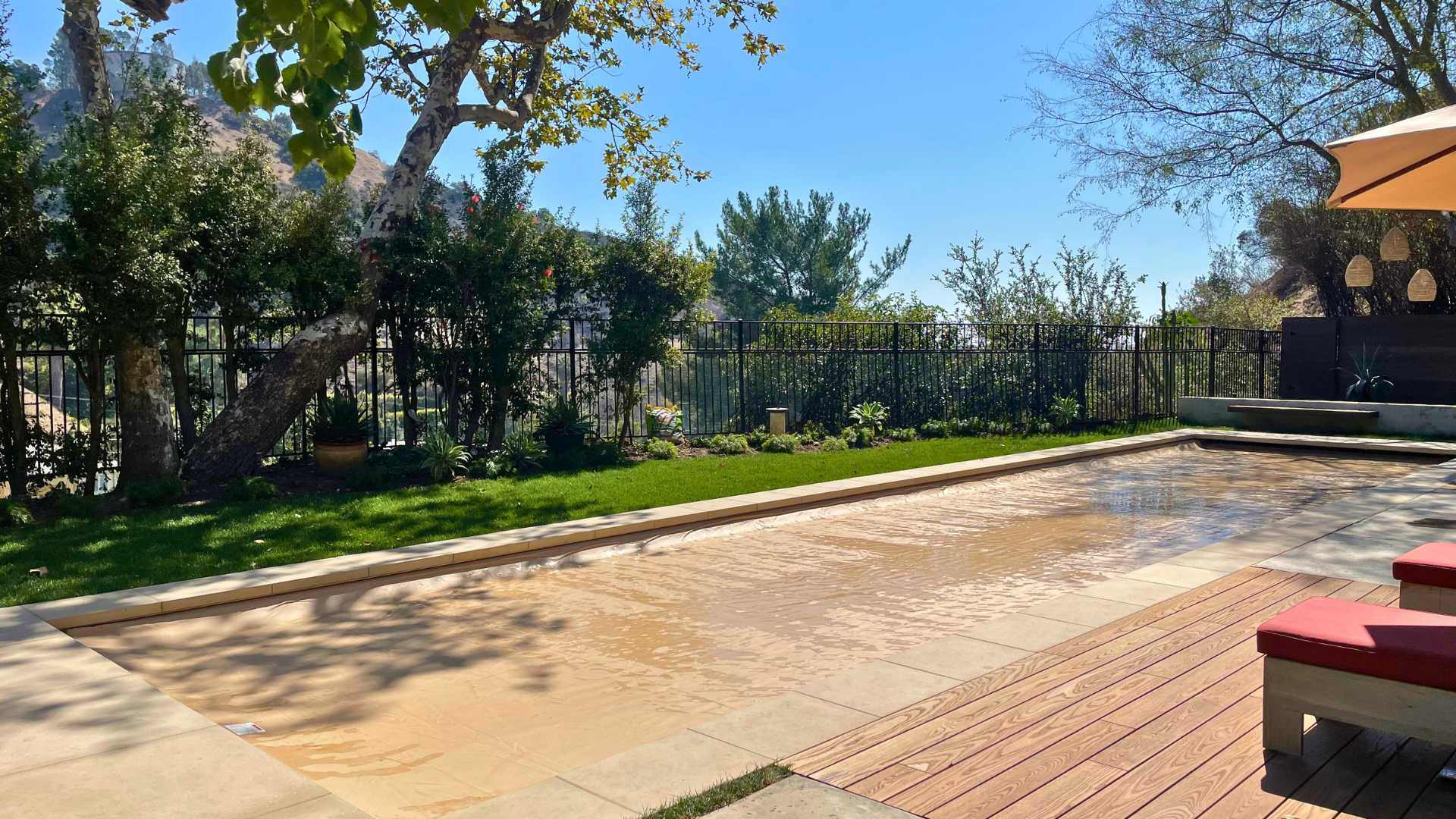
Thinking about an automatic pool cover? Learn about cover types, real installation costs, safety features, and what to expect before you buy.
 JC Escudero : Jan 7, 2026
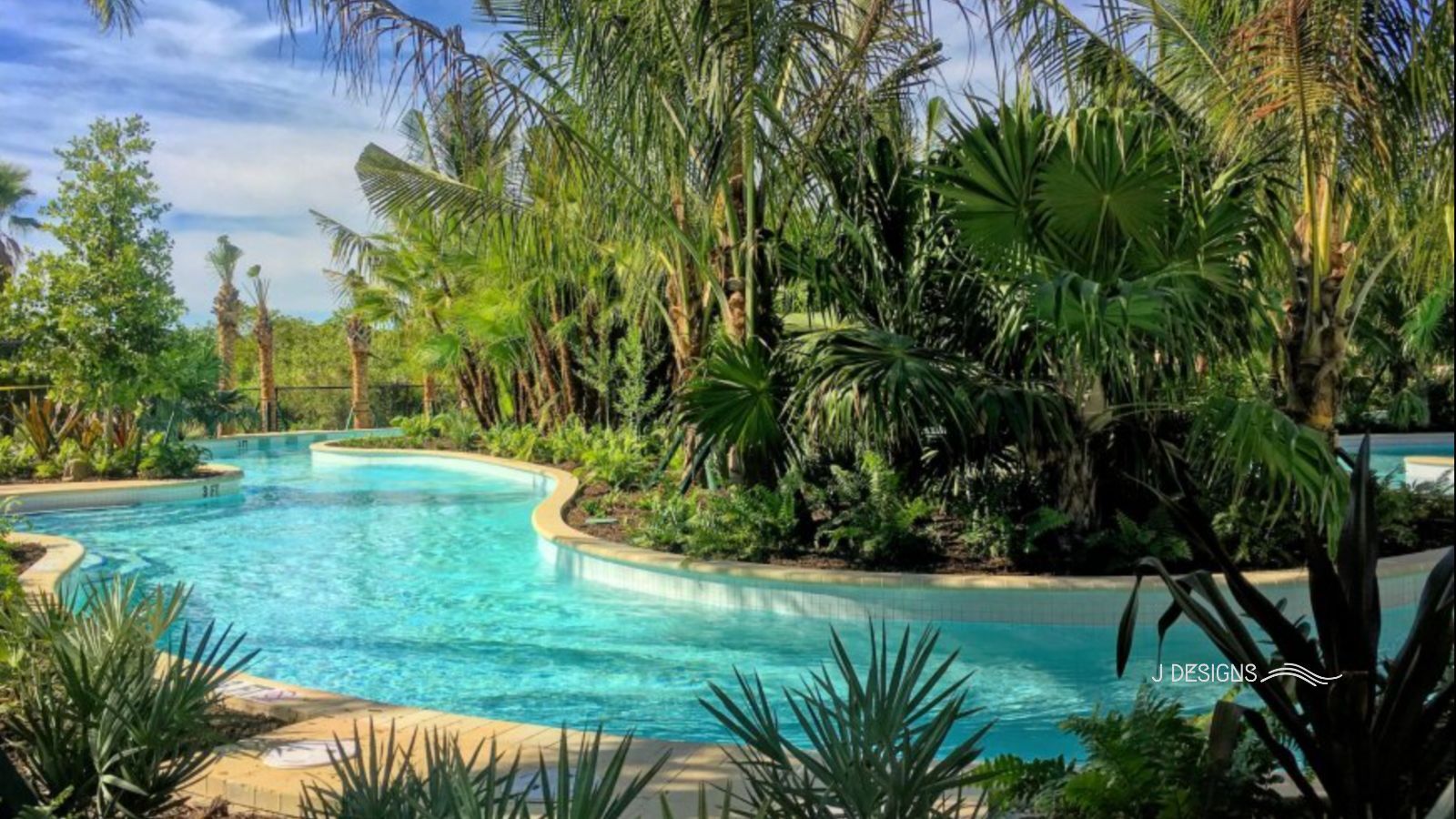
Learn how to design and install a residential lazy river. Explore costs, size needs, safety tips, and how Riverflow Pumps create a resort feel at...