
Stainless Steel Pools in Los Angeles: When Do They Make Sense?
 JC Escudero: Oct 1, 2026
When most homeowners picture a swimming pool, they probably picture a concrete or shotcrete structure built into the ground.
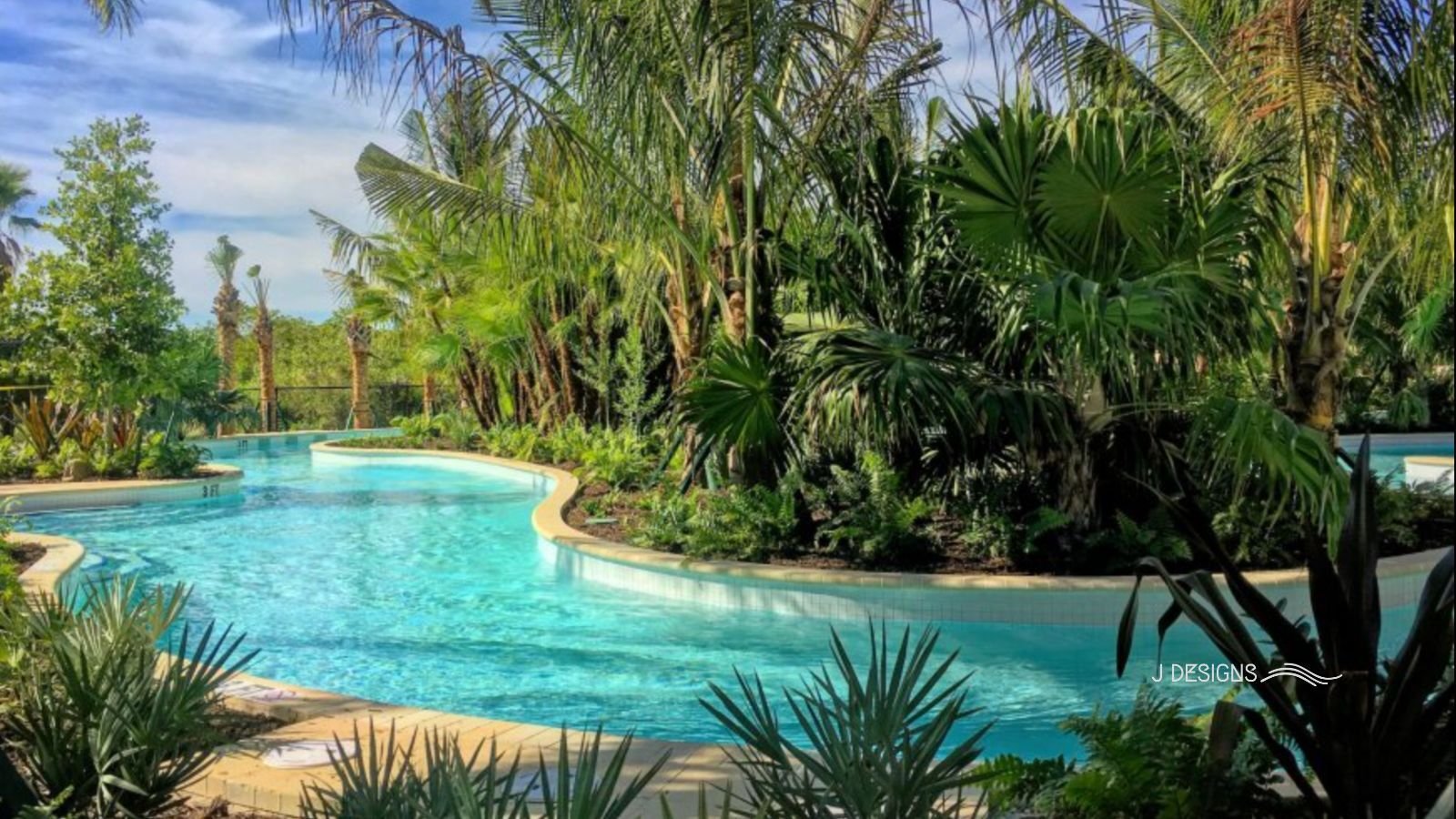
Imagine floating effortlessly through your own backyard oasis on a warm afternoon.
At J Designs Pool & Spa, we make that vision achievable by engineering bespoke residential lazy rivers that bring true resort-level experiences home. Have you ever wondered whether a lazy river can realistically fit your lifestyle, property, and budget? This guide is designed to answer that question clearly. We’ll demystify the design, technology, investment, and day‑to‑day realities of owning a residential lazy river in Los Angeles and similar markets so that you can make informed decisions with confidence.

A residential lazy river is a custom‑engineered water channel that uses specialized pumps to create a gentle, continuous current. Instead of a static pool where the water is essentially still, a lazy river moves water in a controlled loop, allowing swimmers and floaters to be carried along without effort.
A well‑designed backyard lazy river typically includes:
Engineered water channel. The channel is usually about 4–6 feet wide and approximately 3 feet deep. These dimensions are carefully chosen to balance comfort, safety, water volume, and current performance. The channel layout may be freeform (organic curves) or more geometric, depending on your design aesthetic and property layout.
High-output propulsion: Riverflow™ or equivalent current pump system. This is the “engine” of the lazy river. A high‑output current pump, such as Riverflow™, pushes large volumes of water in one direction to create that smooth, rideable current. These are not standard pool pumps; they are engineered to move more water at controlled speeds while maintaining energy efficiency.
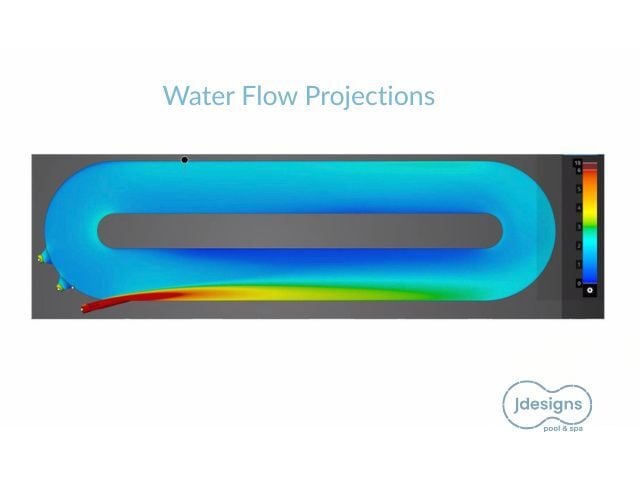
Strategically positioned intake/return inlets for balanced flow. Water is drawn from specific points (intakes) and returned through carefully located returns or jets. Proper placement and sizing ensure the current feels continuous and balanced throughout the loop, rather than fast in some areas and stagnant in others.
Advanced filtration and sanitation. Each element is precisely calculated for efficient circulation, water clarity, and unobtrusive comfort. Just like a pool, but often with higher performance requirements, the lazy river uses filters, pumps, and sanitation systems (such as chlorine, ozone, UV, or advanced oxidation) to maintain clean, clear, and healthy water.
Efficient circulation - Reliable water clarity - Comfortable, “invisible” operation that doesn’t distract from the experience
When all of these elements are correctly engineered and integrated, the result is an immersive aquatic retreat that feels effortless on the surface but is supported by highly technical systems behind the scenes.
A professionally engineered lazy river from J Designs is far more than a visual showpiece; it is a long‑term investment in health, happiness, and an elevated outdoor lifestyle. Below are the key ways a custom residential lazy river can transform how you use and enjoy your home.
Stress Reduction The gentle, rhythmic movement of water and the smooth current provide immediate sensory relaxation. Many homeowners describe the experience as similar to resort hydrotherapy, offering a tranquil escape from daily stress, without ever leaving home.
Hydrotherapy at Home. Floating, walking, or lightly swimming against a controlled current provides low‑impact resistance that supports:
- Joint mobility
- Muscle engagement
- Rehabilitation exercises.
This makes a lazy river suitable for users of many ages and abilities, including those seeking relief from chronic pain or recovery following injury or surgery.
Mental health and “blue mind” benefits. Immersion in a flowing, naturalistic water environment is increasingly recognized as restorative. The concept of “blue mind” refers to the calm, focused state that water environments can help create, supporting mindfulness, mental clarity, and overall emotional well‑being. Click on this link to learn more about the blue mind movement.
Multi-Generational Enjoyment. Unlike many traditional pools, which are used differently by each age group, a lazy river naturally brings people together. Young children, teens, adults, and grandparents can all enjoy the same feature, floating, playing, or simply relaxing side by side, making your backyard a preferred gathering place.
Year-Round Versatility. With the proper heating and advanced sanitation, a lazy river can be enjoyed year-round. It can support:
- Casual floating and quiet reading time
- Active play for kids and guests
- Light exercise by walking or swimming against the current
- Evening relaxation after work.
This versatility helps ensure that the feature is used frequently, not just on special occasions.
Social Engagement and memorable hosting: A lazy river adds a dynamic, ever‑interesting element to your gatherings. Picture sunset floats, themed events, or casual weekend get‑togethers where guests can choose between lounging, wading, or drifting along the current. It becomes a built‑in conversation piece and activity zone.
- Luxury Appeal: A backyard lazy river is instantly recognizable as a premium amenity. It communicates a level of design intention and investment that stands out even in high‑end neighborhoods. For prospective buyers, it signals a resort‑style lifestyle that’s difficult to replicate.
- Long-Term ROI: While every market is different, a thoughtfully designed lazy river offers:
Increased resale appeal - Expanded functional use of the property - A durable, high‑visibility improvement that helps your home stand out in listings and showings.
For many homeowners, the combination of daily lifestyle value and long‑term resale potential makes this a compelling investment.
- Your property’s architecture and elevation
- Existing or planned pools and spas
- How you and your guests will actually use the space.
Options include freeform channels that wind through landscaping, more structured geometric layouts, and integrated designs that connect directly with pools, spas, or sunken lounges.
- A lush, tropical retreat with rockwork, waterfalls, and dense greenery
- A clean, modern environment with crisp lines, underwater lighting, and in‑water seating
- A playful family‑focused zone with curves, splash features, and slide connections.
J Designs aligns every detail, material, lighting, planting, and adjacent features with your vision.
- Multi‑zone layouts (for example, combining a primary pool, spa, and lazy river loop)
- Specialty materials and finishes that withstand constant water movement and sun exposure
- Traffic flow, safety clearances, and access for maintenance.
The result is a feature that looks beautiful and performs reliably over the long term.
Technology Enabled: Modern lazy rivers can be fully integrated with smart pool and home automation systems. This can include:
- Variable‑speed pump controls to adjust current strength
- App‑based control of lighting, temperature, and schedules
- Remote system monitoring and alerts.
These tools help you manage energy use, schedule operation, and maintain comfort with minimal effort.
Sustainable Luxury: A well‑engineered lazy river is designed with responsible resource use in mind. That includes:
- Energy‑efficient pumps and heating equipment
- Proper hydraulic design to avoid wasted power
- Strategic plumbing and filtration sizing to support long‑term efficiency.
The goal is to deliver a luxurious experience that aligns with modern expectations for energy and water stewardship.
Every lazy river is both a technical achievement and an expression of personal luxury. We focus on creating a reliable, code‑compliant system that feels seamless in daily use. This amenity provides relaxation, wellness, and joy for your entire household while complementing your overall outdoor environment.
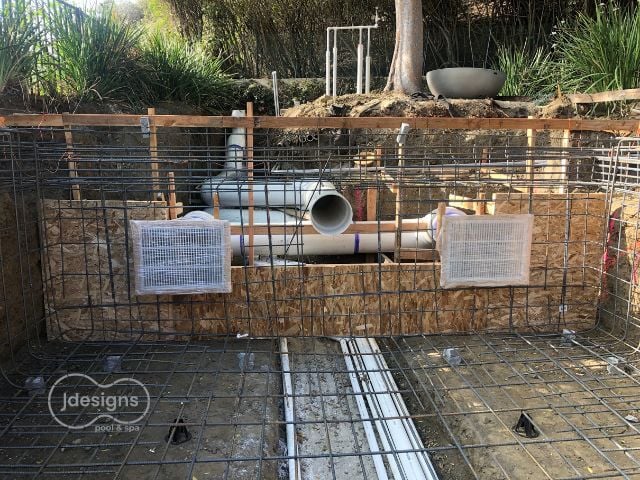
Successful lazy rivers do not start with excavation; they begin with a clear plan. Comprehensive site analysis and objective‑driven layout are essential to performance, safety, and long‑term durability.
J Designs collaborates closely with homeowners and, when applicable, their architects and designers to evaluate:
Anticipated swimmer load and guest profiles. How many people will typically use the river? Are they primarily adults, children, older family members, or a mix? This influences channel size, current strength, entry points, and safety design.
Desired current speed and use case: Do you envision a slow, meditative float, or a more active, fitness‑forward current? We often design for a range of speeds, using adjustable pumps so the river can shift from relaxation to light-exercise mode.
Integration with pools and spas vs. stand‑alone design. A lazy river can incorporate your preferences and property layout drive this decision.
Municipal permitting, zoning, and code compliance. In Los Angeles and similar jurisdictions, there are specific requirements governing: - Setbacks and property lines - Structural and safety standards - Electrical and bonding requirements - Fencing, access, and barrier codes. We coordinate with engineers, inspectors, and permitting agencies to ensure compliance and avoid costly delays or revisions.
Hydraulic and sanitation calculations specific to your footprint. Proper hydraulics (the science of water movement) is essential. We work with technical partners, including Riverflow™ and other industry leaders, to: Fine‑tune jet placement and sizing - Calculate flow rates and pump capacities - Ensure a uniform, turbulence‑free current - Match filtration and sanitation systems to the actual water volume and usage patterns.
This front‑end planning is what allows the finished lazy river to feel effortless and reliable once it’s built.
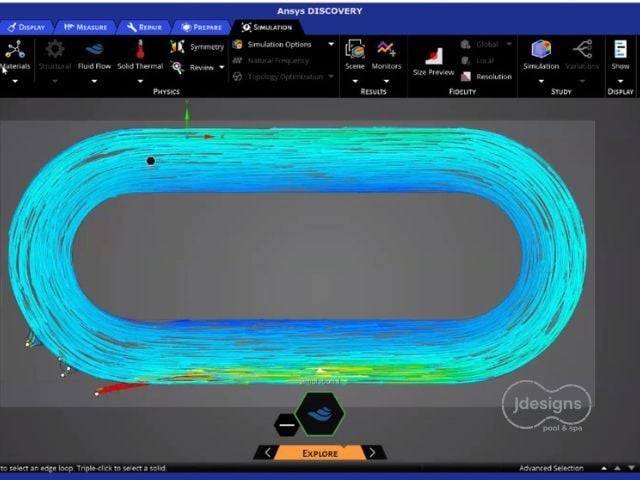
The Role of Riverflow™ Pumps: At the center of every high‑performing lazy river is a premium pump system. Riverflow™ pumps and comparable systems are specifically designed to move large volumes of water smoothly and efficiently, without the noise and turbulence associated with improvised setups.
Adjustable current: You can dial the flow up or down, moving from a slow, drifting experience to a more robust current for fitness or play.
Whisper-quiet operation to preserve tranquility. The equipment is engineered to run quietly, keeping the tranquility of your backyard.
Rugged, long-duration performance. These pumps are built for extended operating cycles and frequent use, which is critical when a feature is central to your outdoor living.
Energy efficiency for sustainable, continuous operation. Properly selected and sized pumps, paired with thoughtful hydraulic design, help control energy consumption even when moving large amounts of water.
Seamless compatibility with complex designs. Riverflow™ and similar systems can be integrated into multi‑feature environments that might include pools, spas, waterfalls, and other water features, all while respecting architectural constraints and structural requirements.
Without this level of specialized hydraulics and equipment, even the most visually impressive lazy river can suffer from poor performance, uneven currents, and premature wear.
Thanks to modern engineering and construction methods, lazy rivers can be adapted to a wide range of properties and site conditions.
Common configurations include:
Circling or intersecting existing pools. The lazy river may wrap around a central pool, connect at one or more points, or share a standard entry and exit. This can create the feeling of a private resort with multiple aquatic zones.
Distinct features along property lines, patios, or gardens. Some homeowners prefer the lazy river to trace the edge of the yard, weave through landscaped areas, or frame patios and outdoor lounges, turning the waterway into both a visual and experiential boundary.
Rooftop, hillside, or compact footprints. In more complex or limited properties, lazy rivers can be engineered on hillside foundations, integrated into elevated decks, or configured in creative loops to maximize use of smaller spaces. Structural engineering and careful planning are essential in these scenarios.
Frequently asked: Can a lazy river be added to my current pool? In many cases, yes. J Designs specializes in both new construction and sophisticated pool remodels that incorporate lazy river elements. This can involve reshaping the existing pool, adding channels, updating equipment, and reconfiguring decking and landscaping to create a cohesive, modern environment.
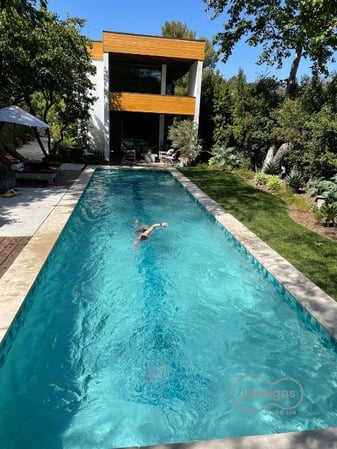
A lazy river can support many different lifestyles and design directions. During the design phase, we help you clarify how you want the space to feel and function, then translate that into a buildable plan.
Tropical Retreats: - Rockwork and waterfall entries - Dense, lush planting and natural textures - Dramatic, warm‑tone lighting to highlight movement and foliage
Family Adventure Zones: - Slides that feed into the river - Splash pads or shallow play areas adjacent to the channel - Playful currents and interactive features
Luxury Lounges: - In‑water chaises and tanning ledges - Shaded cabanas, integrated fire features, and custom seating areas - Layered lighting schemes for evening ambiance and safety
Wellness Enclaves: - Integrated spa areas with therapy jets - Gentle, meditative current settings for relaxation - Quiet zones for stretching, floating, or guided water‑based practices.
In all cases, the lazy river becomes a dynamic centerpiece, visually, acoustically, and experientially, elevating your backyard from a simple outdoor area to a curated environment.
A custom residential lazy river is a significant investment in both your property and your daily lifestyle. Costs are influenced by site conditions, size, complexity, materials, and the number of integrated features (such as spas, fire features, or outdoor kitchens). Typical turnkey projects range from:
What’s Commonly Included.
Precision excavation and soil preparation - Structural foundation work and concrete/shotcrete shell - Hydraulic design and pump systems sized for your river - Plumbing, filtration, and sanitation systems - Electrical infrastructure and control systems - Start‑up, programming, and basic owner orientation - All necessary design, engineering, and technical coordination
Cost-saving strategies considerations.
Homeowners can often manage overall investment by: - Integrating the lazy river with an existing or new pool structure rather than building two entirely separate systems - Simplifying the layout (fewer extreme curves, complex transitions, or multi‑level features) - Selecting durable, well‑performing materials that balance aesthetics and budget - Leveraging J Designs’ technical expertise to optimize space and hydraulics, reducing unnecessary overbuilding.
Infrastructure Essentials.
Electrical and Plumbing Requirements. Lazy rivers place more continuous demands on equipment than a standard pool. That makes proper electrical and infrastructure planning non‑negotiable.
Key electrical requirements typically include:
Plan electrical provisions early in the design phase, ideally before any construction begins. Retrofitting electrical infrastructure after concrete, decking, or landscaping is complete can be substantially more complex and expensive.
To maximize year‑round enjoyment, especially during cooler Los Angeles evenings and off‑season months, many homeowners choose to incorporate modern heat pumps into their lazy river systems.
Stable, comfortable water temperatures
Heat pumps are designed to maintain swim‑appropriate temperatures efficiently, often at a lower operating cost than traditional gas heaters under suitable conditions.
Quiet operation
Well‑selected, properly installed units run quietly, preserving the calm environment around your river.
Compatibility with other efficient systems
Heat pumps can be integrated with solar or high‑efficiency equipment strategies to manage energy use further.
Extended seasonal use
With controlled water temperatures, your lazy river remains inviting well beyond the traditional “swim season,” boosting the return on your investment.
A residential lazy river is a specialized aquatic system. To protect your investment, maintain water quality, and ensure user safety, ongoing professional care is strongly recommended.
Regular professional service
Certified pool operators should: - Test and balance water chemistry - Inspect and maintain pumps, filters, and valves - Verify that controls and safety systems are functioning properly.
Scheduled equipment maintenance
Proactive cleaning and service of pumps, filters, and heaters help extend equipment life and reduce the risk of unexpected breakdowns.
Consistent water chemistry management
Daily or near‑daily monitoring (manually or via automated systems) is important to: - Keep water clear and comfortable - Protect surfaces and equipment from damage - Ensure swimmer safety and hygiene.
Inspection of all jets, drains, and controls
Regular checks confirm that: - No obstructions are affecting the current - Suction outlets and safety covers are intact and compliant - Automation and emergency shut‑offs operate as intended.
Slip‑resistant surfaces and safe circulation design
Decking, steps, and entry areas should use materials and finishes that support traction when wet, and circulation systems must be compliant with current safety standards.
These are not “set‑and‑forget” features. Entrusting your lazy river to a licensed, experienced pool company helps ensure that it remains safe, beautiful, and reliable for years to come.
A J Designs' lazy river is a signature expression of comfort, creativity, and technical mastery. From initial concept through final walk‑through, homeowners can expect:
Clear, honest guidance about what is possible on their property. Coordinated design and engineering that respects both aesthetics and structure. Careful attention to safety, code compliance, and long‑term durability. A focus on building a feature that enhances daily life, not just curb appeal.

 JC Escudero: Oct 1, 2026
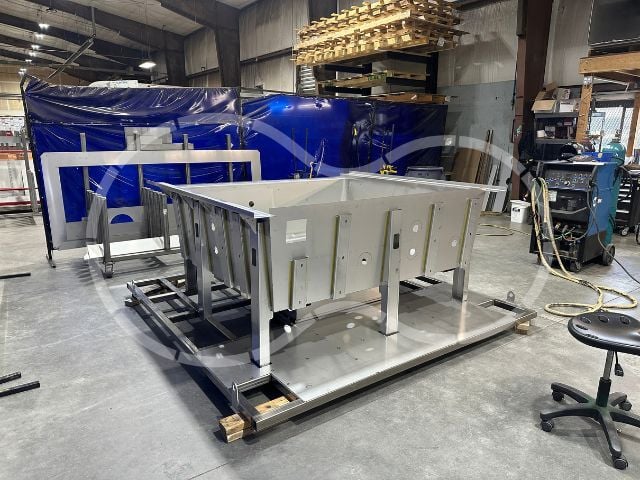
When most homeowners picture a swimming pool, they probably picture a concrete or shotcrete structure built into the ground.
 JC Escudero: Sep 26, 2026
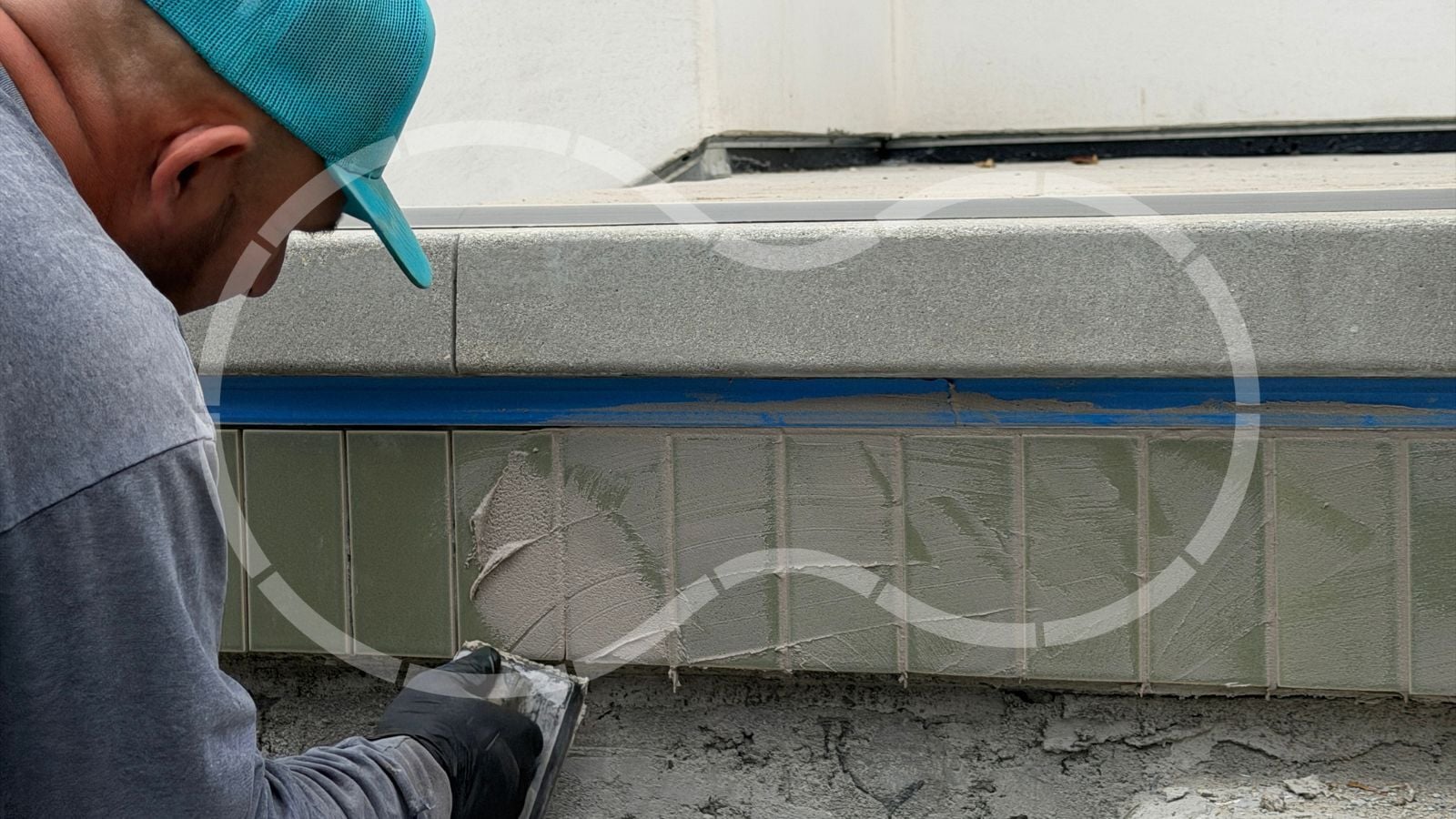
When most homeowners choose tile for a swimming pool, they naturally focus on the tile itself: the color, shape, texture, and overall design, because...
 JC Escudero: Sep 23, 2026
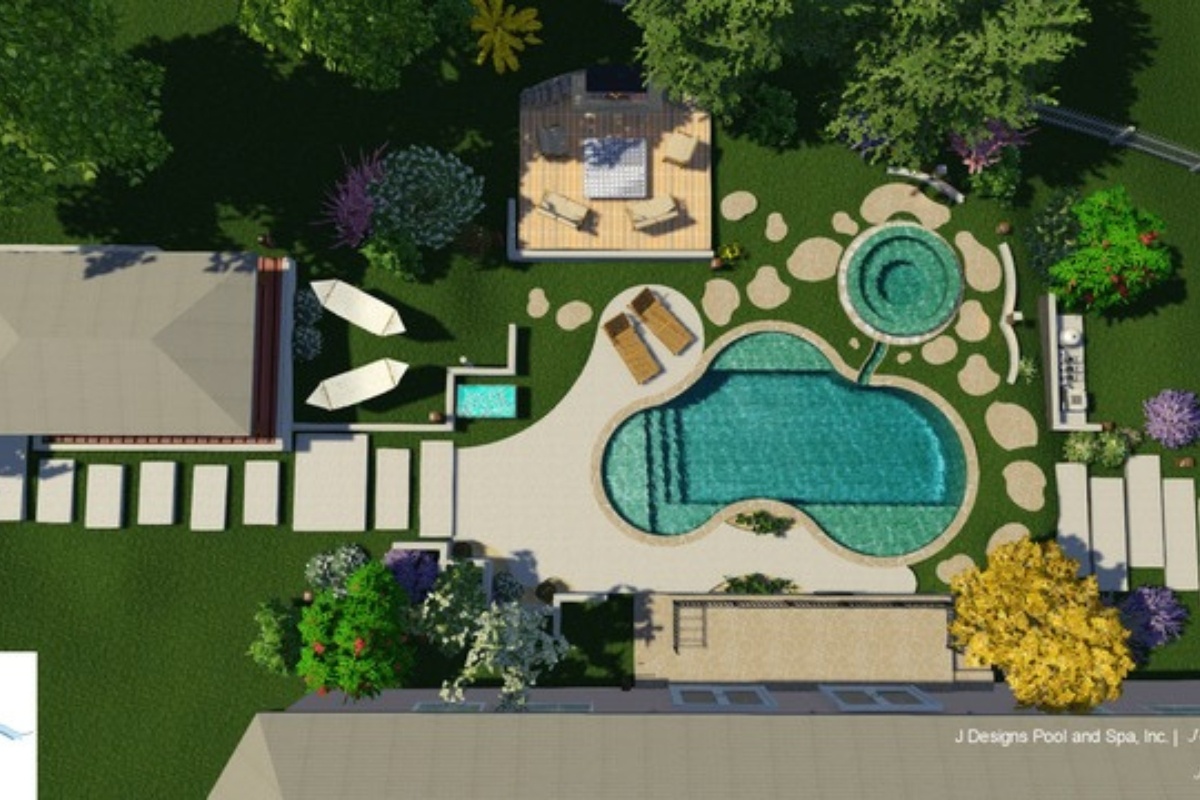
Planning a custom pool involves dozens of decisions about shape, depth, materials, and features. Get one wrong, and you could face expensive rework...
 JC Escudero : Sep 13, 2025
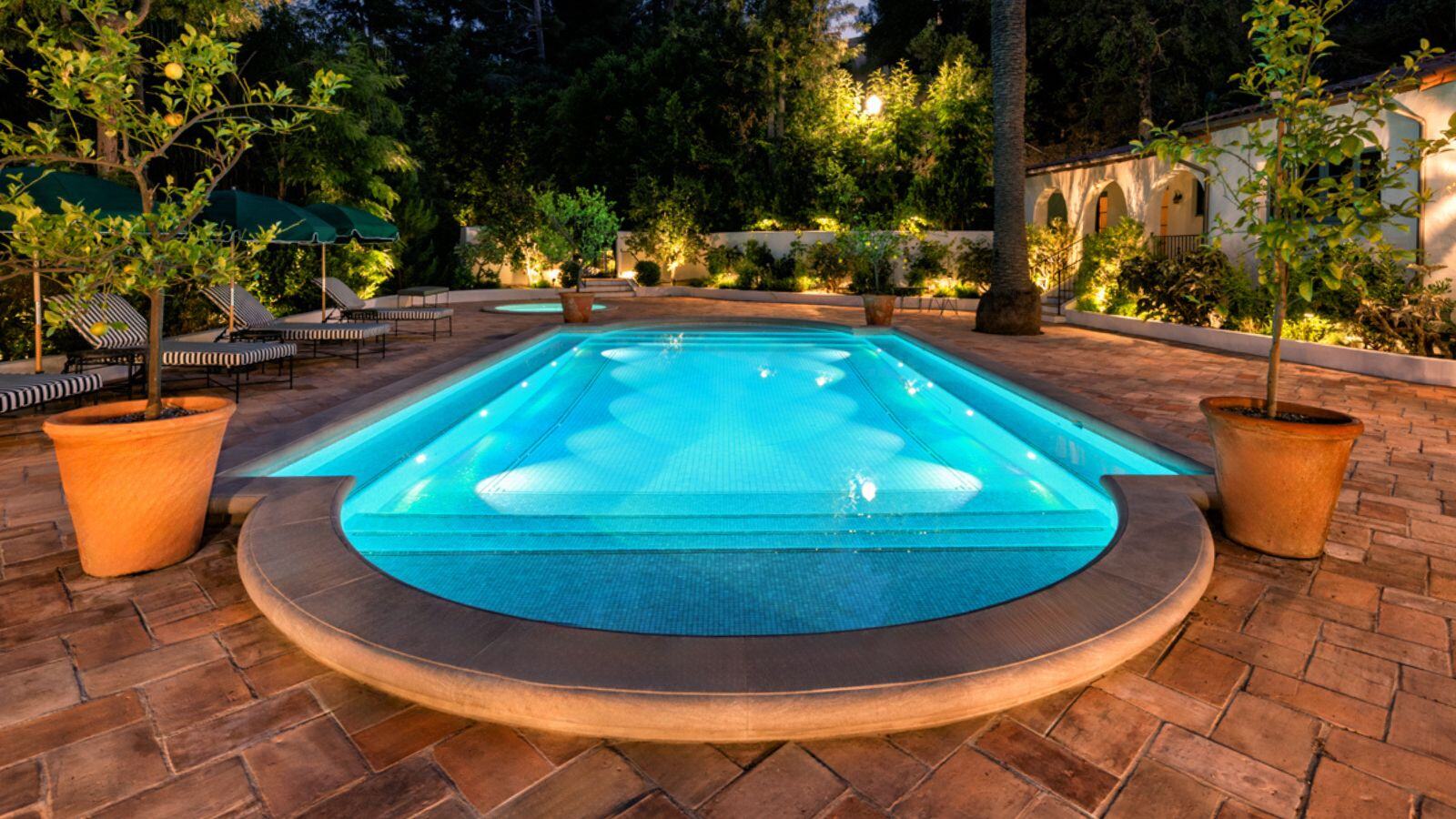
Learn how to design stunning pool and landscape lighting. Discover costs, pro tips, and mistakes to avoid for a safe and beautiful backyard oasis.
 Daniela Escudero : Aug 29, 2025
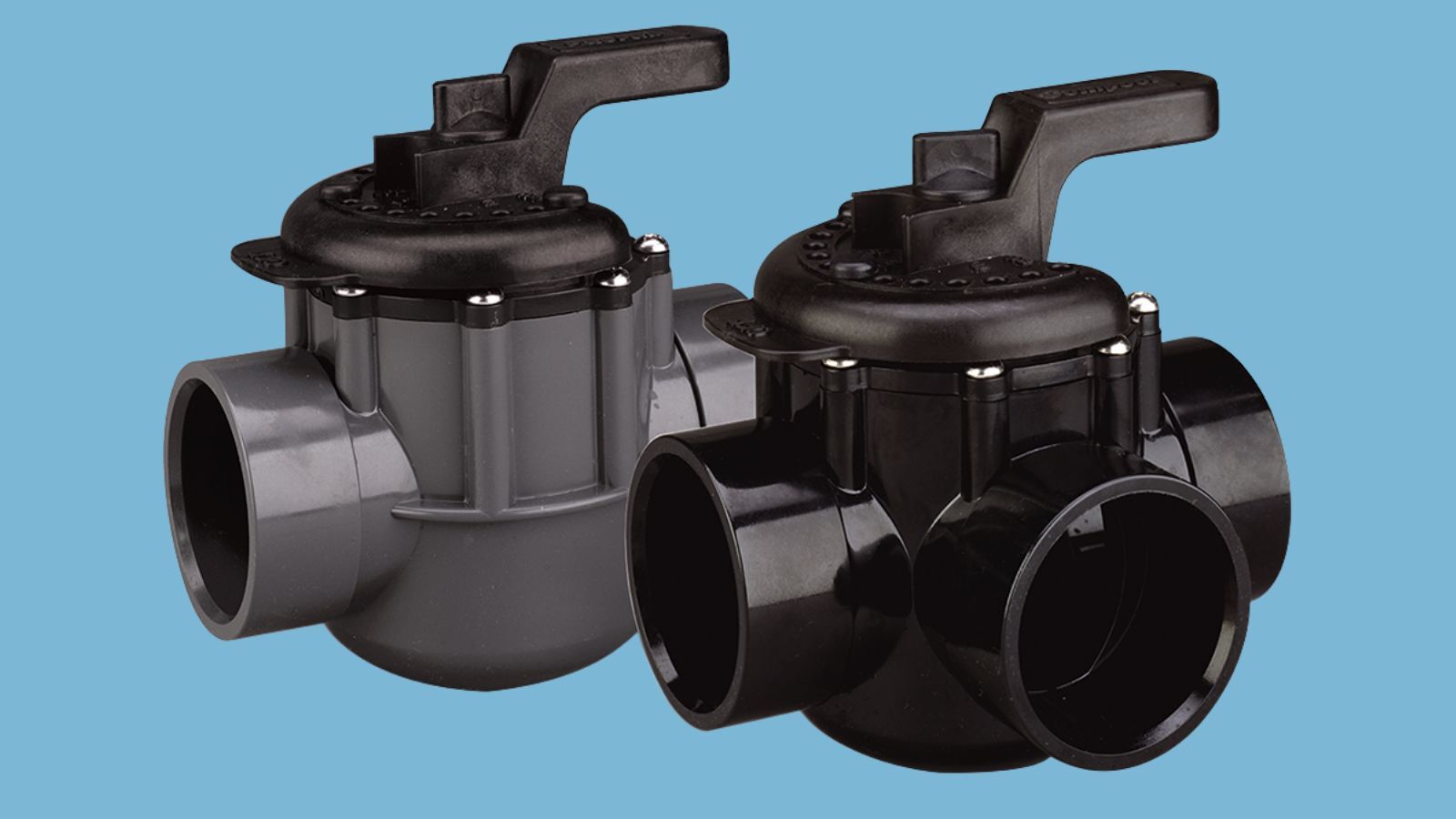
Leaky valves? Explore pool valve types. Learn which pool valve you need, what they cost, common problems to avoid, and how smart valves protect your...
 Daniela Escudero : May 25, 2026
Learn why late-stage pool design changes trigger re-engineering, permits, utility reviews, delays, higher costs, and how to avoid these unexpected...