
Stainless Steel Pools in Los Angeles: When Do They Make Sense?
 JC Escudero: Oct 1, 2026
When most homeowners picture a swimming pool, they probably picture a concrete or shotcrete structure built into the ground.
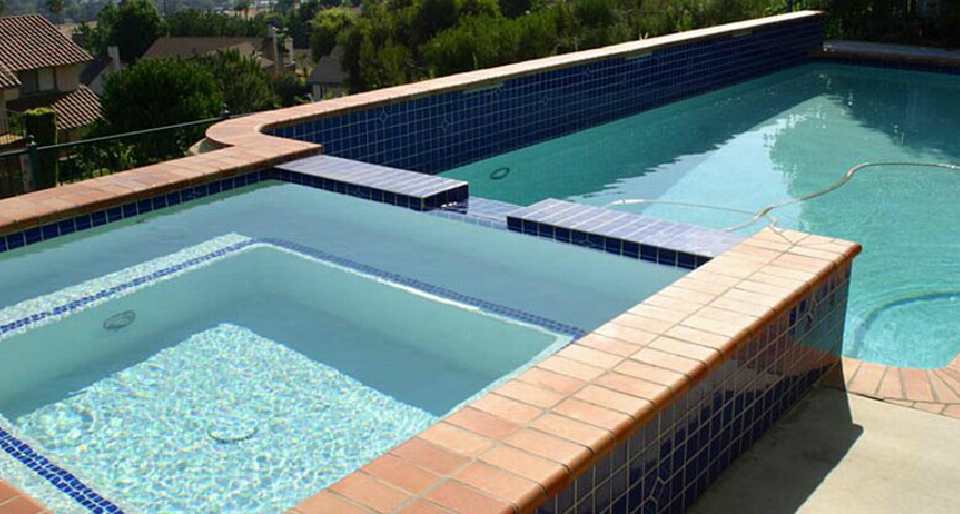
If you own a Spanish Colonial or revival-style home, clay coping can be one of the most beautiful ways to connect your pool while staying true to the architecture.
But with so many clay, terracotta, and brick-style products now available, how do you know which one is actually appropriate for a swimming pool?
Two products can look almost identical while being manufactured differently, absorbing different amounts of water, and requiring completely different installation and maintenance.
At J Designs Pool & Spa, after more than 25 years of building and renovating pools in Southern California, we've learned not to approve a material based on appearance alone.
We want to know how it was made, how it performs, and whether the manufacturer can support its use in the environment where we're putting it.
Here's what we look for, and what we believe you should ask before choosing clay coping for your pool.
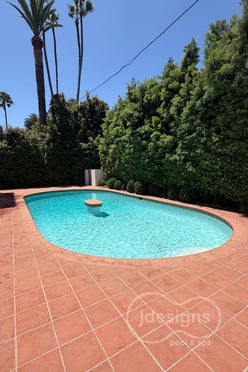
When we're designing around Los Angeles, Spanish, Spanish Colonial, or Mediterranean architecture, we don't start by asking what's trending in swimming pools. Clay brick has influenced architecture in general for centuries and is still in demand when we want to stay true to the architecture. The coping, in particular, has proven to be one of the most durable materials.
We start with the house.
Clay also complements materials already present in the architecture: stucco, clay roof tile, brick, iron, warm woods, natural stone, and handcrafted finishes.
Its natural variation can also help a new pool feel less manufactured and more connected to the property.
The goal isn't just to build a beautiful pool. It's to build one that looks like it belongs with the home.
That's what can make clay so compelling, and that's where homeowners need to be careful. A beautiful clay product may have been designed for a patio, wall, courtyard, or other exterior application. That doesn't automatically tell us whether we should put it at the edge of a swimming pool.
No, and this is probably the most important thing to understand.
There are many manufacturers, importers, suppliers, and handmade clay products available today. That gives architects, designers, builders, and homeowners incredible design choices. It also makes evaluating those choices more important.
Clay is a natural material. Where it comes from, its mineral composition, how it's processed, how it's formed, and particularly how it's fired can affect the finished product. That means two pieces of coping with a similar color and texture may perform very differently.
So when we encounter a clay product we've never used before, our experience doesn't automatically tell us to approve or reject it.
Our experience tells us what questions to ask.
We start with one basic question: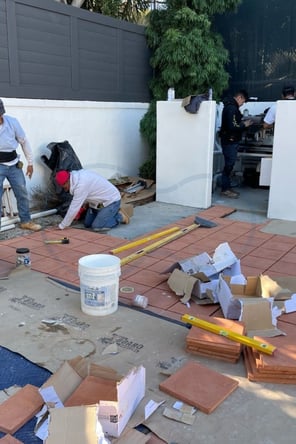
Where is this material actually going?
A product used on a wall isn't subject to the same conditions as coping at the edge of a swimming pool. Pool coping is exposed to sun, heat, foot traffic, movement, repeated wet-and-dry cycles, and chemically treated water.
Once we understand the application, we investigate the product itself.
Porosity matters around water.
Some clay products are relatively dense, while others absorb considerably more moisture. Because pool coping is repeatedly exposed to treated water, we want to understand that characteristic rather than assume the material is appropriate because it's rated for exterior use.
We want something more meaningful than "suitable for outdoors."
Has the product actually been recommended for the application we're considering?
We look for technical information about water absorption, strength, chemical exposure, installation, and other relevant performance characteristics. Depending on the product, recognized ASTM, ANSI, and TCNA standards and testing can also help us evaluate what we're looking at.
You don't need to know those standards. Your pool professional should.
"Just seal it" isn't an answer we're comfortable with.
If a sealer is required, we want to know which product the manufacturer recommends, whether it's appropriate for a pool environment, what maintenance it requires, and what happens as that sealer wears.
A sealer can be part of a good installation system, but it shouldn't be used to make an unsuitable material seem suitable.
We also must ask if the sealer may become slippery when the coping is wet.
The best coping can still fail when it's installed incorrectly.
Around a swimming pool, we're dealing with various materials and structures that can move in different ways. In Los Angeles, that's something we pay particular attention to. Proper setting materials, waterproofing where required, bonding, joints, and movement accommodation all factor into the decision.
We aren't evaluating only the piece of clay.
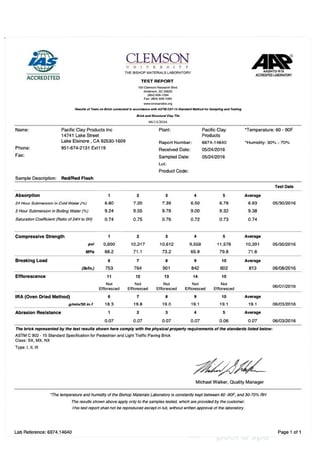
Sometimes we find a product that would look incredible on a project, and still don't feel comfortable using it. That's usually because we can't get satisfactory answers.
If a manufacturer can't provide meaningful information about how its product performs, doesn't clearly support the intended application, or can't explain the required sealing and installation system, we become cautious.
That doesn't necessarily mean it's a bad product. It means we don't have enough information to put our client's pool, and their investment, behind it.
Replacing failed coping later isn't simply a matter of buying another piece. Removal can affect adjacent tile, waterproofing, decking, labor, and other finished work. A material that seemed like a good value initially can become an expensive decision if it has to be replaced prematurely.
There isn't one clay manufacturer or product that's right for every Spanish-style home or every swimming pool. And that's really the point.
Start with the architecture. Find materials that genuinely complement the house. Then determine which of those materials have the performance, documentation, installation system, and maintenance expectations you're comfortable with.
With so many clay products available, our experience doesn't mean we've used them all. It means we've developed a process for deciding which ones we're willing to use.
At J Designs Pool & Spa, that's how we approach material selection. We want the coping to look like it belongs to your home on the day we finish your pool. But more importantly, we want good reasons to believe it will still belong there years from now.

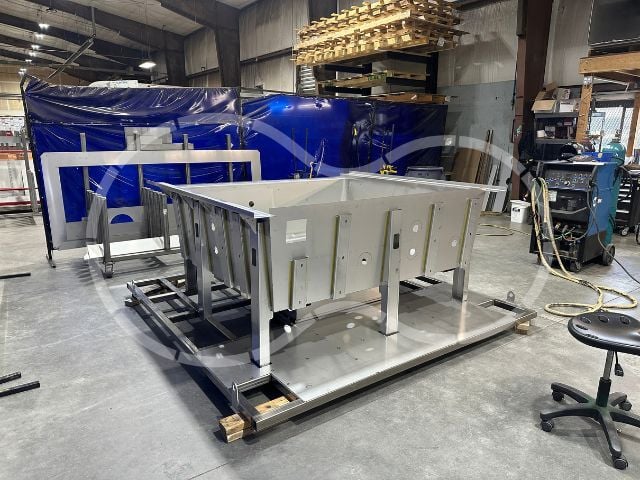 JC Escudero: Oct 1, 2026
When most homeowners picture a swimming pool, they probably picture a concrete or shotcrete structure built into the ground.
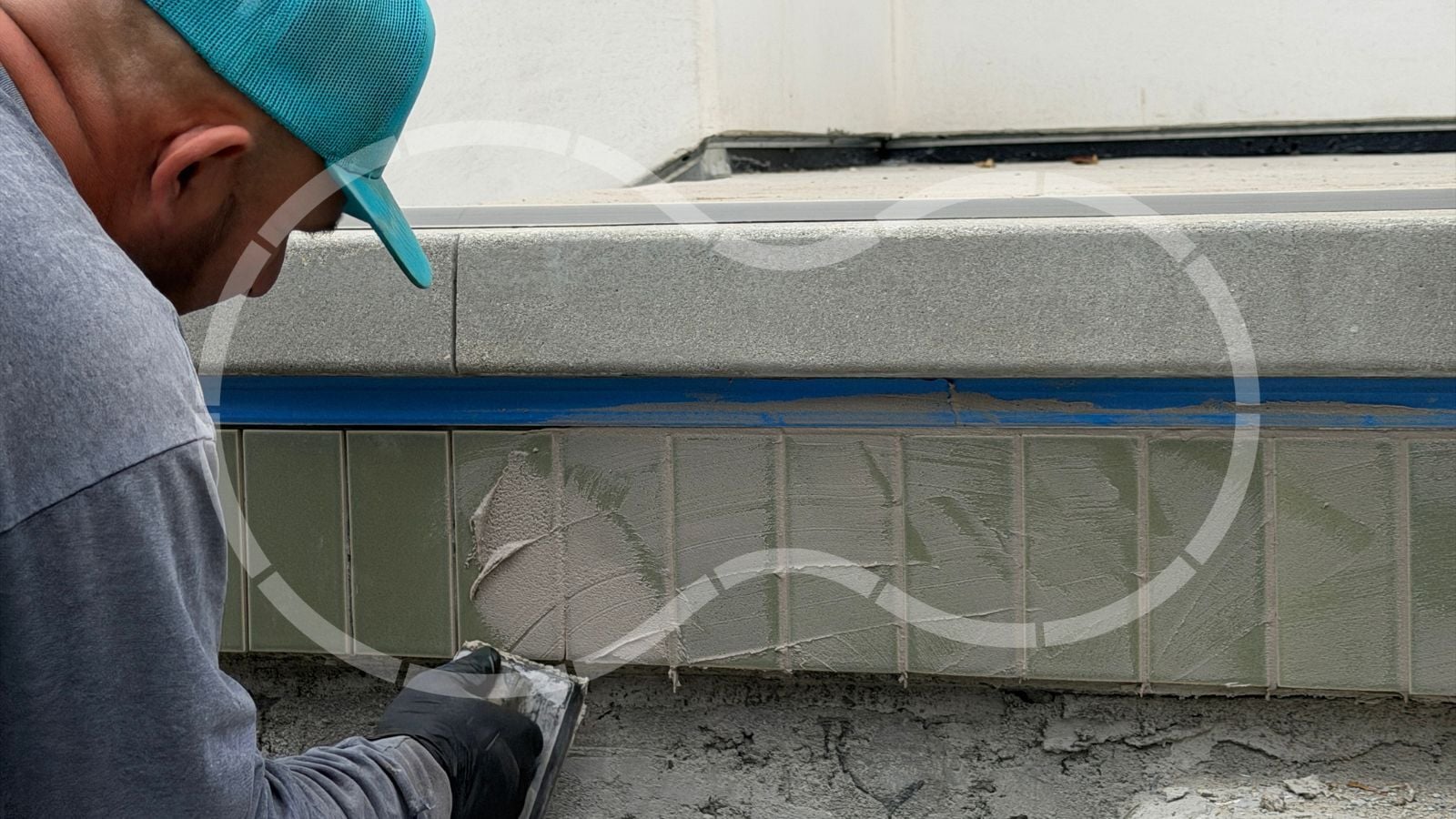 JC Escudero: Sep 26, 2026
When most homeowners choose tile for a swimming pool, they naturally focus on the tile itself: the color, shape, texture, and overall design, because...
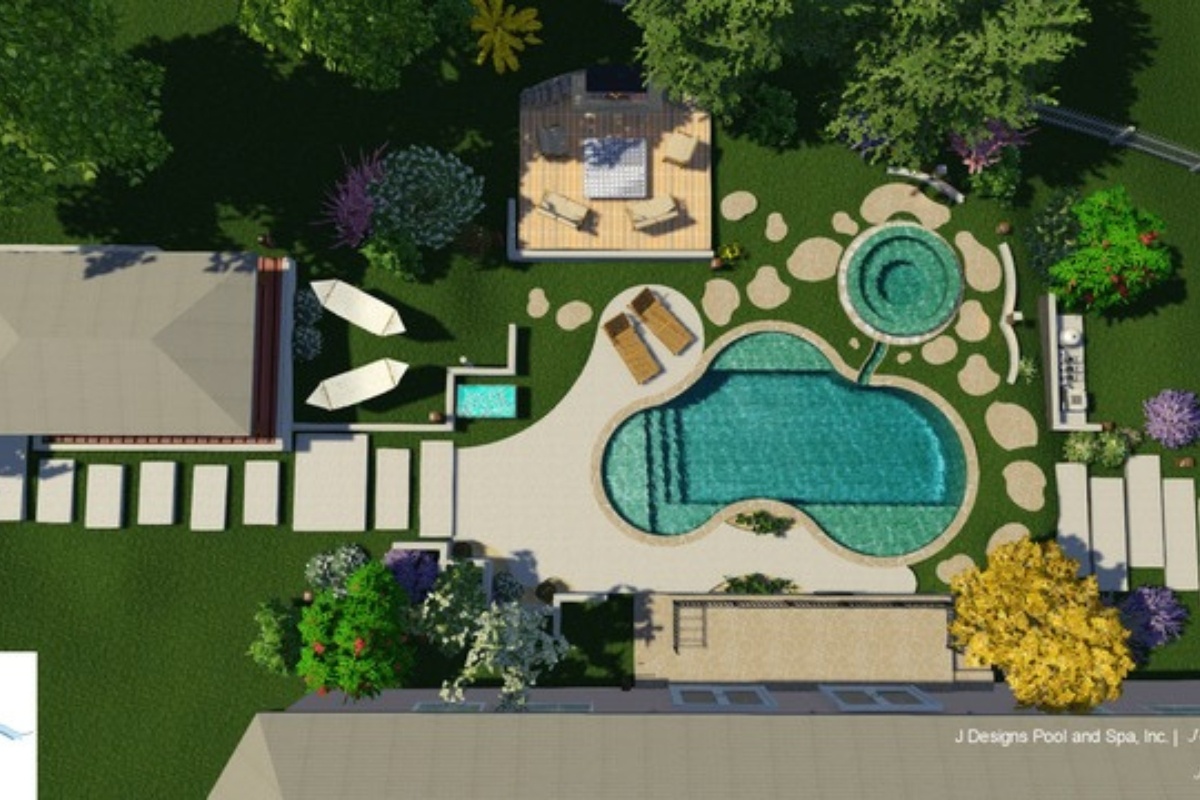 JC Escudero: Sep 23, 2026
Planning a custom pool involves dozens of decisions about shape, depth, materials, and features. Get one wrong, and you could face expensive rework...
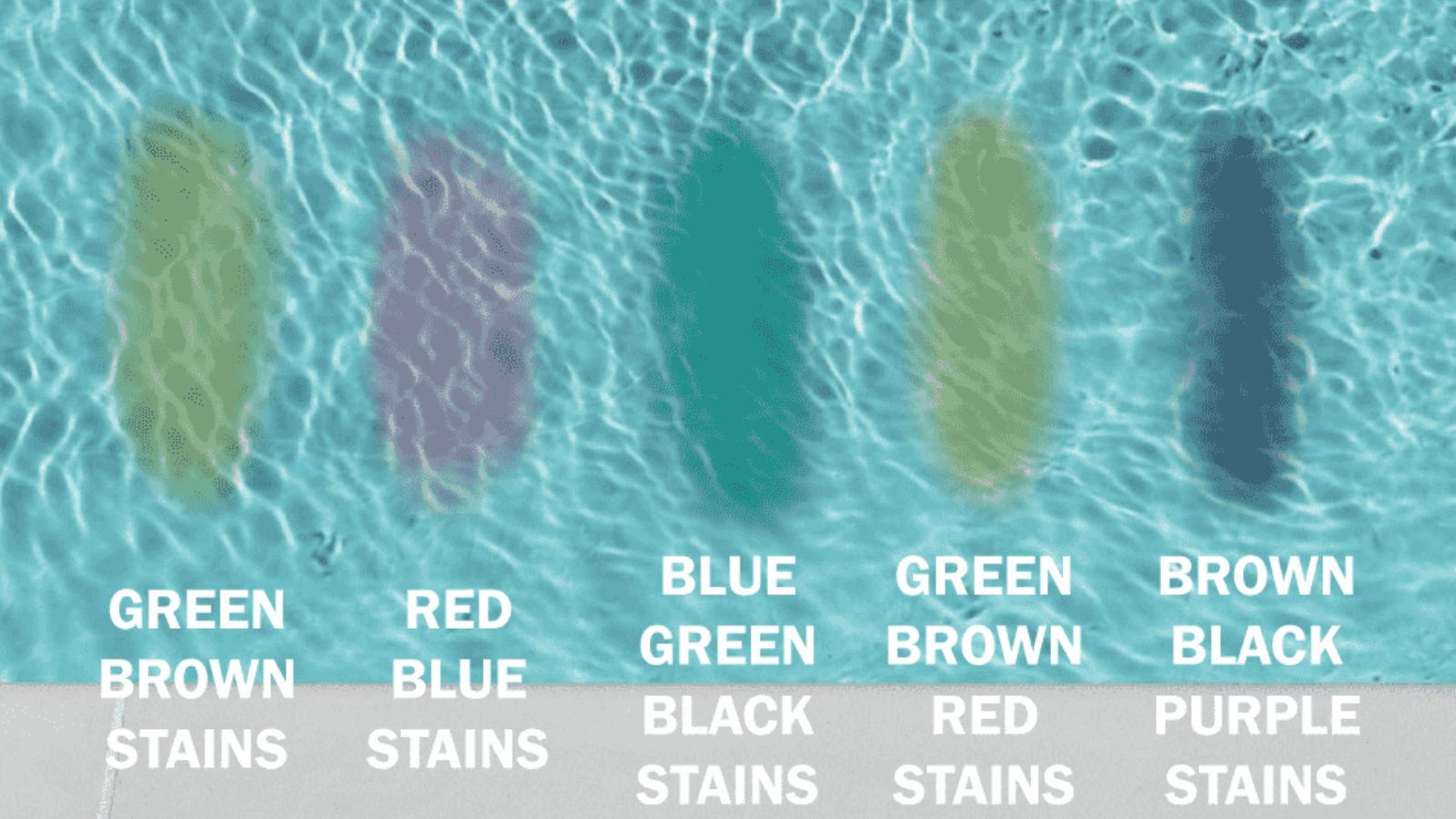 JC Escudero : Jul 17, 2025
Pool plaster stains ruining your pool? Learn how to identify, remove, and prevent stains from organic debris, metals, and poor water chemistry.
 Daniela Escudero : Apr 25, 2025
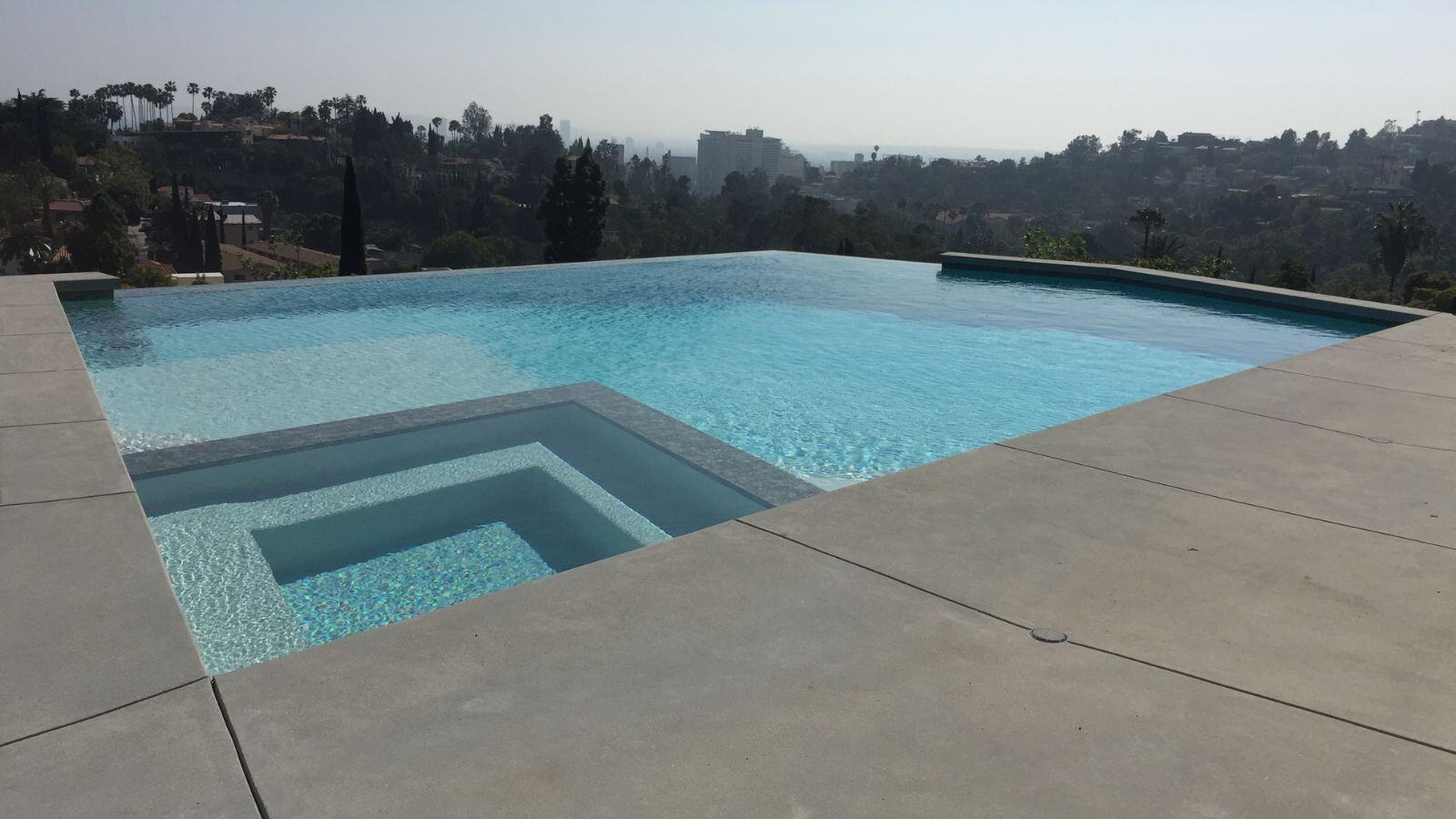
Explore pool hardscape options like grass, concrete, pavers, and pedestal decking. Learn costs, pros & cons, and drainage tips for your perfect...
 JC Escudero : Dec 17, 2025
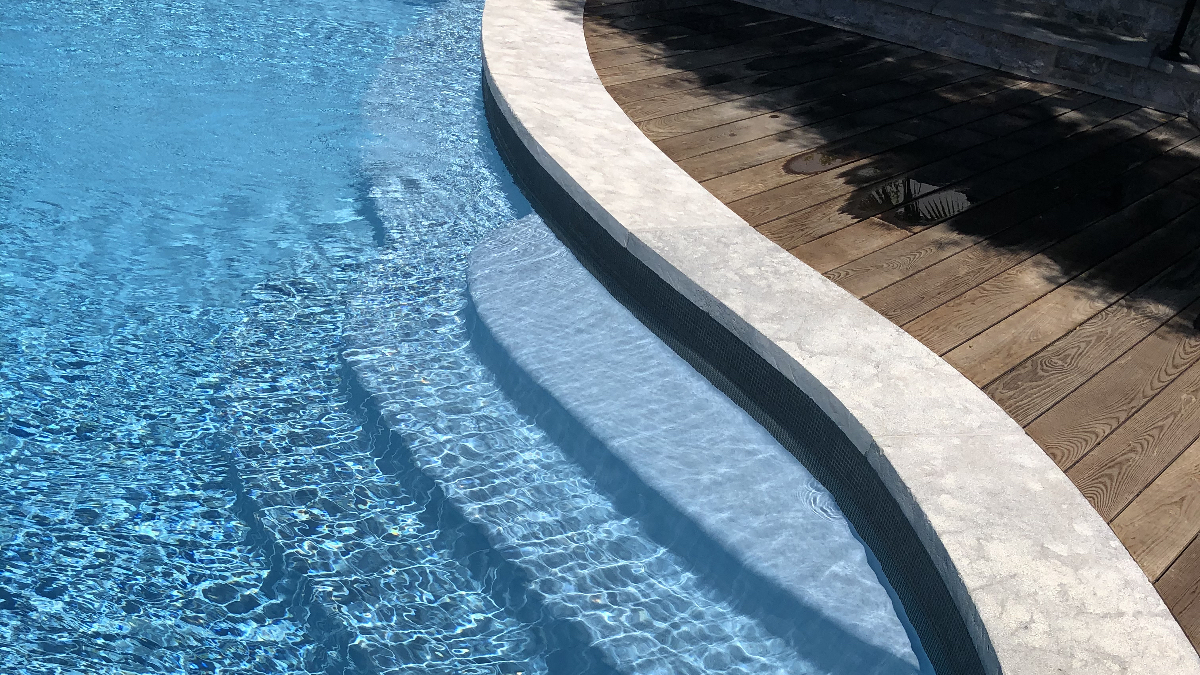
What is pool coping, and which materials last longest? Learn the best options, what to avoid, TCNA installation standards, waterproofing steps, LA...