
Stainless Steel Pools in Los Angeles: When Do They Make Sense?
 JC Escudero: Oct 1, 2026
When most homeowners picture a swimming pool, they probably picture a concrete or shotcrete structure built into the ground.
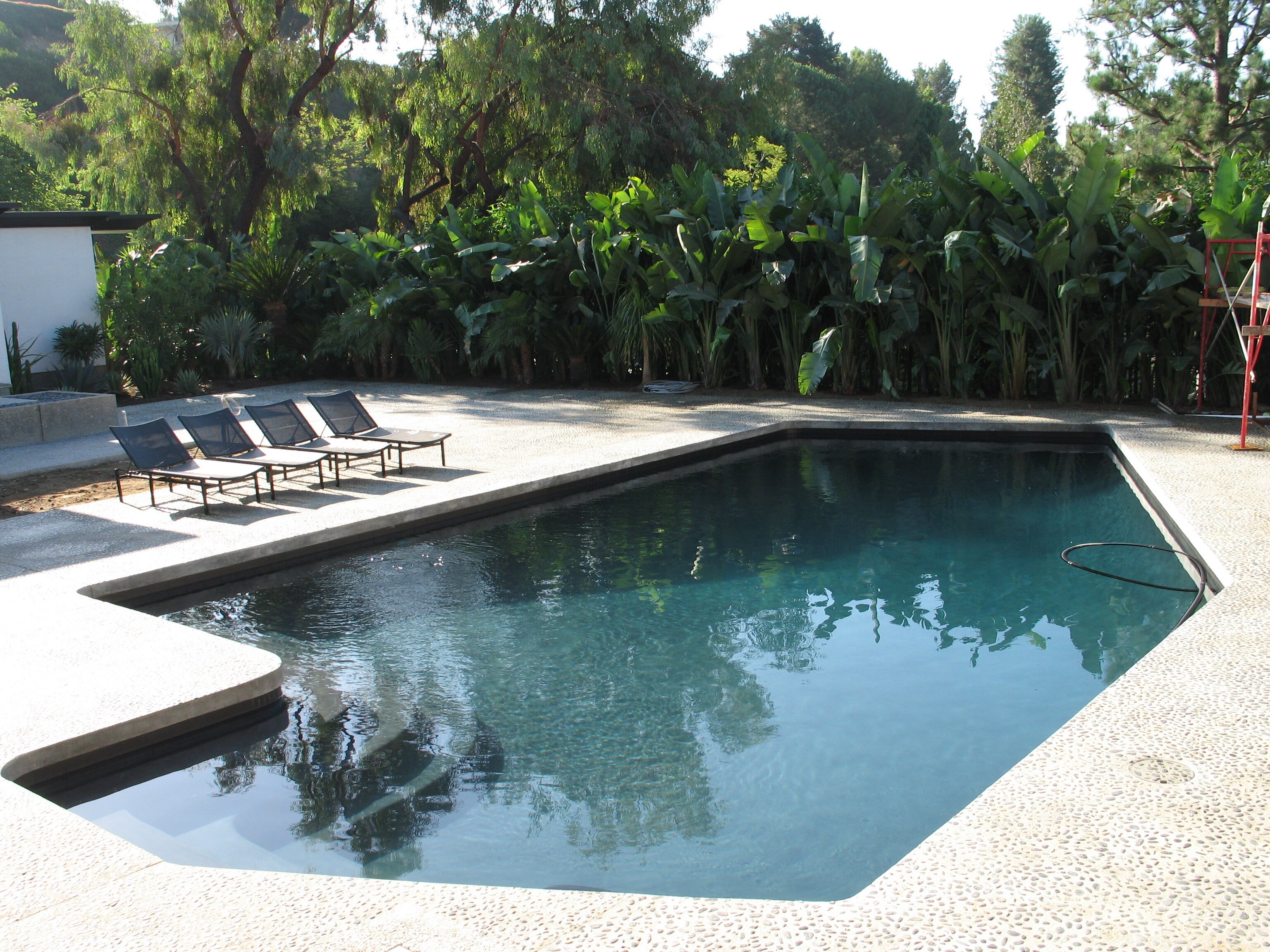
In Los Angeles, designing a true luxury pool environment is about far more than water and stone, it’s about creating a cohesive outdoor retreat that fits your architecture, hillside conditions, and everyday lifestyle, while staying low-maintenance in our sun, wind, and seasonal Santa Ana conditions. Your pool, hardscape, and landscape need to work together so the space looks refined, performs reliably, and remains easy to care for year after year.
At J Designs Pool & Spa, our decades of experience with Los Angeles backyards, soil conditions, and building standards allow us to recommend the best trees near pools, especially pool-friendly trees in Los Angeles that offer shade and privacy without invasive roots. We help you avoid trees that can damage your pool, crack decking, or overload your skimmers with debris, so you’re protecting your investment instead of paying for preventable repairs.
This guide will walk you through the best trees to plant near a pool, trees that won’t damage your pool, and smart placement strategies specifically for Southern California properties. You’ll be able to make confident, informed landscape decisions that preserve your pool’s structural integrity, minimize upkeep, and support a calm, resort-style oasis in your own LA backyard.
In many Los Angeles backyards, the biggest threat to a luxury pool isn’t visible from the surface, it’s the root systems under the pool that are quietly chasing moisture. Certain tree species develop aggressive root networks that push into saturated soil around your shell and plumbing, leading to serious tree roots and pool damage over time. The result can be cracked concrete and gunite shells, tree roots cracking pool decks and lifting coping, and even broken plumbing or drainage lines that are costly to locate and repair.
Even smaller, “ornamental” trees can create problems if they’re planted too close to the water’s edge. When roots are given direct access to the pool structure, they can undermine finishes, disturb decking, and shorten the life of an otherwise well-built investment, issues that are far more expensive to fix than choosing the right tree and placement from the start.
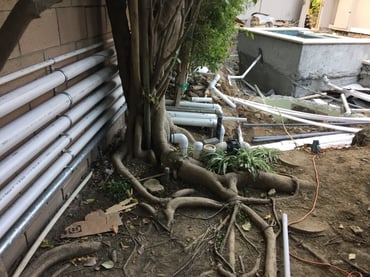
When we look at Los Angeles properties with luxury pools, the same “problem trees” show up again and again. Based on years of on-site observation and horticultural guidance, these are some of the worst trees to plant near a pool because of invasive roots or constant debris:
Ficus (Weeping Fig): Extremely aggressive root systems that disrupt plumbing, crack hardscape, and lift decking.
Willow Trees: Fast-growing, water-seeking roots that are notorious for breaking pipes and concrete.
Poplars: Wide-spreading, invasive root systems that travel well beyond the trunk and can undermine shells and structures.
Eucalyptus: Heavy, year-round leaf and bark litter combined with powerful roots, increasing both daily cleanup and long-term risk.
If you’re unsure whether a favorite tree belongs near your pool, it’s safer to treat it as a potential “messy tree near pools” and get a professional opinion. Partnering with a certified arborist or an experienced landscape designer who understands trees with invasive roots around pools will help you protect your investment instead of guessing.
Pro Tip: When in doubt, consult with a certified arborist or your landscape designer for regionally relevant guidance.
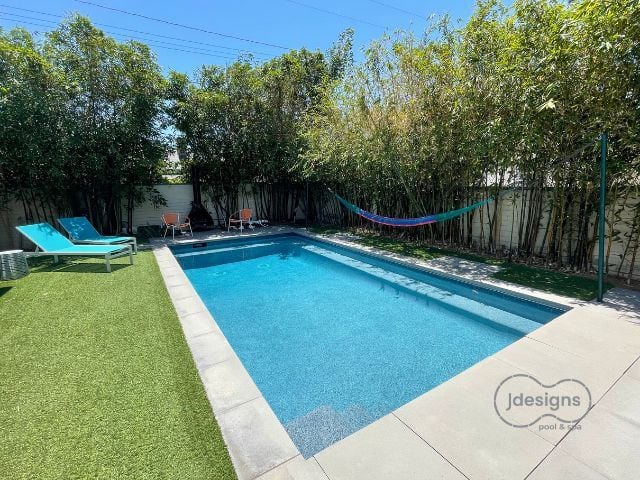
Bamboo can be an excellent design element around a luxury LA pool, delivering a clean, modern look and valuable privacy, but the type you choose matters just as much as where you plant it.
Pool-Friendly Clumping Bamboo Varieties to Consider
For Los Angeles privacy screens and contemporary pool backdrops, many homeowners gravitate toward:
Pro Tip: Even so-called “non-invasive” bamboo should never be placed directly into soil near your pool without a plan. Always use physical root barriers and thoughtful spacing so the planting enhances your outdoor living experience without slowly encroaching on your decking, walls, or neighboring structures.
If you want the benefits of shade, color, and privacy without risking root systems under your pool, focus on pool-friendly trees with non-invasive roots that perform well in Los Angeles.
For lush, low-maintenance landscapes that support pool longevity, we often recommend:
The right pool-friendly trees around your pool let you enjoy a vibrant, resort-style setting while protecting your investment from unnecessary structural stress and day-to-day cleanup.
For many Los Angeles properties, especially hillside lots or narrow side yards, there isn’t always room to plant trees in open soil. Containers and raised beds are a smart way to enjoy trees near the pool while keeping root growth controlled and away from critical structures.
When to Consider Containers Around a Pool
If you’re working with limited space, complex foundations, or simply prefer a cleaner, more contemporary look, container gardening allows you to:
Excellent Choices for Poolside Containers
These species pair especially well with luxury LA pools when planted in high-quality planters:
Best Practices for Containers & Raised Beds Near Pools
To protect both your trees and your hardscape:
Thoughtful use of containers and raised beds lets you enjoy the look of poolside trees even in challenging spaces, while maintaining strict control over root growth and protecting the structural investment you’ve made in your pool and surrounding hardscape.
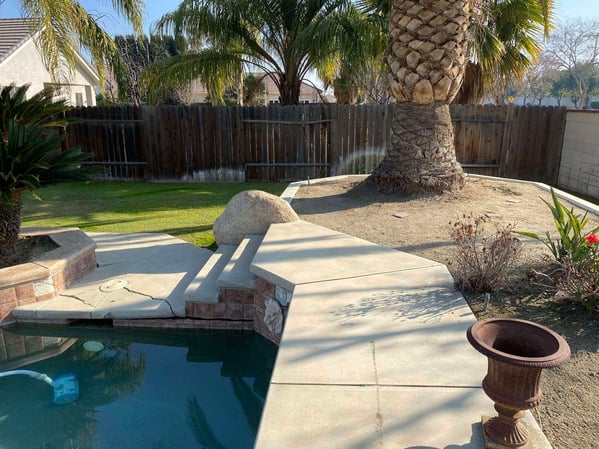
Choosing the right species is only half of the equation; how and where you place your trees around a luxury LA pool is just as critical for protecting the structure and finishes.
To reduce risk and long-term maintenance:
Pro Tip: Many pool and equipment warranties include fine print related to surrounding landscaping. Incorrect planting or root damage can void all or part of your coverage. Before installing new trees, review your pool’s warranty documents and consult with your pool builder or landscape professional so your design supports, rather than jeopardizes, your investment.
.png?width=411&height=411&name=Mothers%20Day%20Post%20-%20Instagram%20(3).png)
Even if roots aren’t a concern, the wrong canopy can quietly turn a luxury LA pool into a full-time chore. “Messy” trees near pools increase how often you need to skim, vacuum, and backwash, and can stain high-end finishes if you’re not careful.
When planning trees around your pool, try to:
Pro Tip: Thoughtful, selective planting keeps your pool looking pristine, reduces day‑to‑day maintenance, and helps preserve the clean, resort‑style aesthetic you invested in from the beginning.
Once a problematic tree has been removed from a pool area, it’s natural to wonder if you can simply replant it somewhere “safer” on the property. In practice, transplanting mature trees is unpredictable, especially in Los Angeles soils and microclimates. Large specimens often suffer significant transplant shock, fail to thrive, or continue to pose root risks in their new location.
From a long-term investment standpoint, the safer, healthier choice is usually to replace problematic trees with non-invasive alternatives that are intentionally selected and positioned for your specific site conditions and pool design. This allows you to reset the root zone strategy around your pool, rather than carrying old problems into a new spot.
The foundation of a premium outdoor environment is strategic tree selection guided by true expertise—balancing architecture, views, sun patterns, and the technical demands of your pool structure. Avoiding future root damage, stained finishes, and endless cleanup is just the beginning; smart planning also supports a calmer, more enjoyable outdoor lifestyle.
Pro Tip: Contact a professional Licensed Arborist when you think you have a protected tree, species on your property, as those trees require special permitting and care.
At J Designs Pool & Spa, our team helps you evaluate existing trees, determine where removal makes sense, and design a new, pool-friendly planting plan that harmonizes with your hardscape and water features. If you’re questioning whether to replant or start fresh, we can review your property, recommend non-invasive replacements, and coordinate layout so your trees, decking, and pool work together for decades.
“Schedule Your Tree & Pool Site Review”
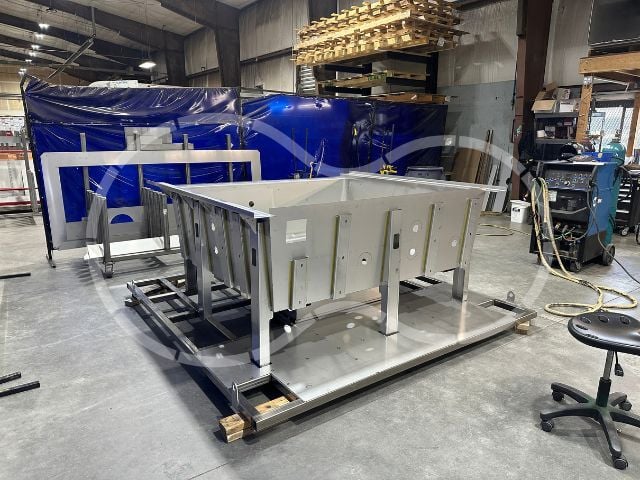 JC Escudero: Oct 1, 2026
When most homeowners picture a swimming pool, they probably picture a concrete or shotcrete structure built into the ground.
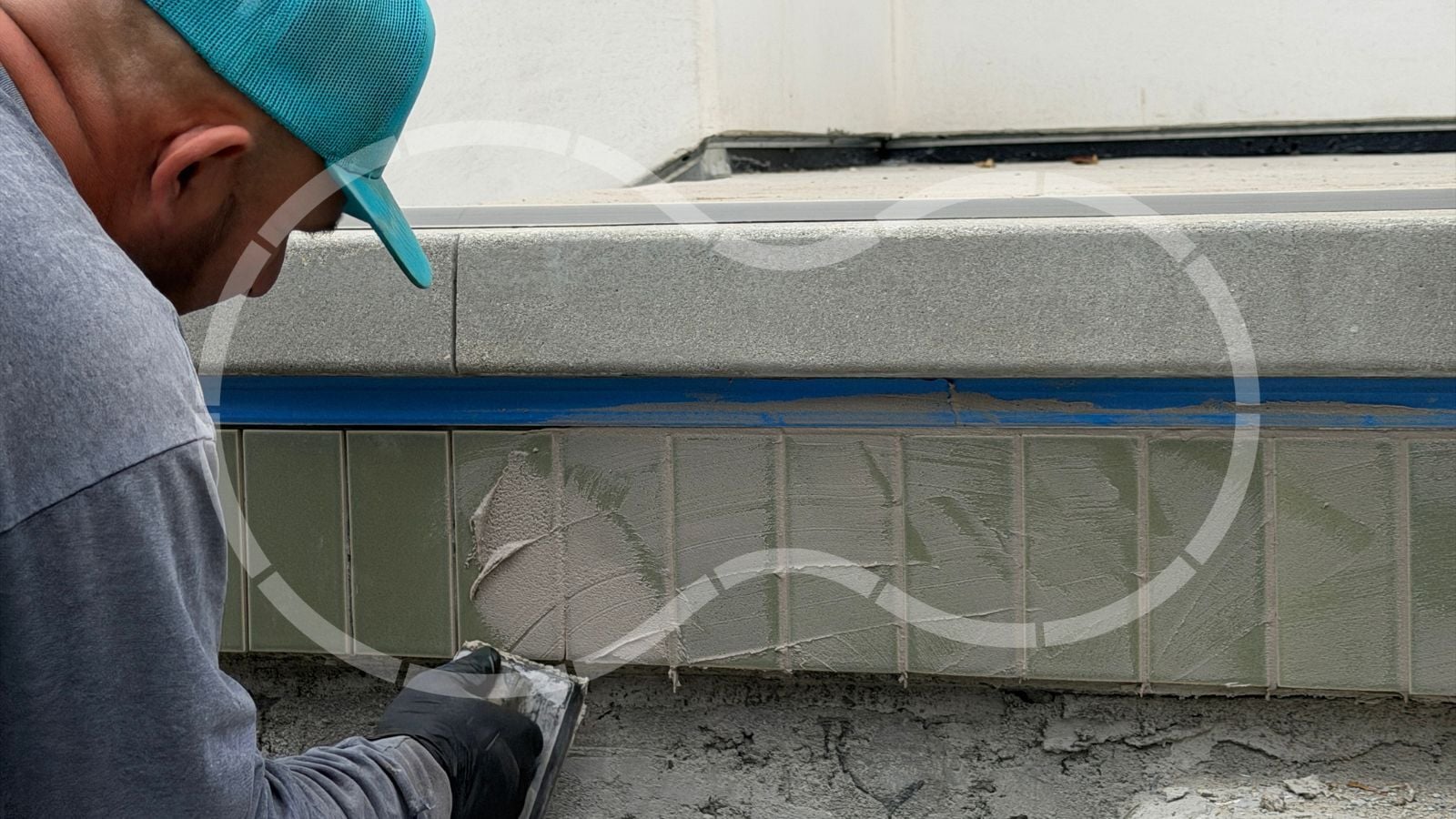 JC Escudero: Sep 26, 2026
When most homeowners choose tile for a swimming pool, they naturally focus on the tile itself: the color, shape, texture, and overall design, because...
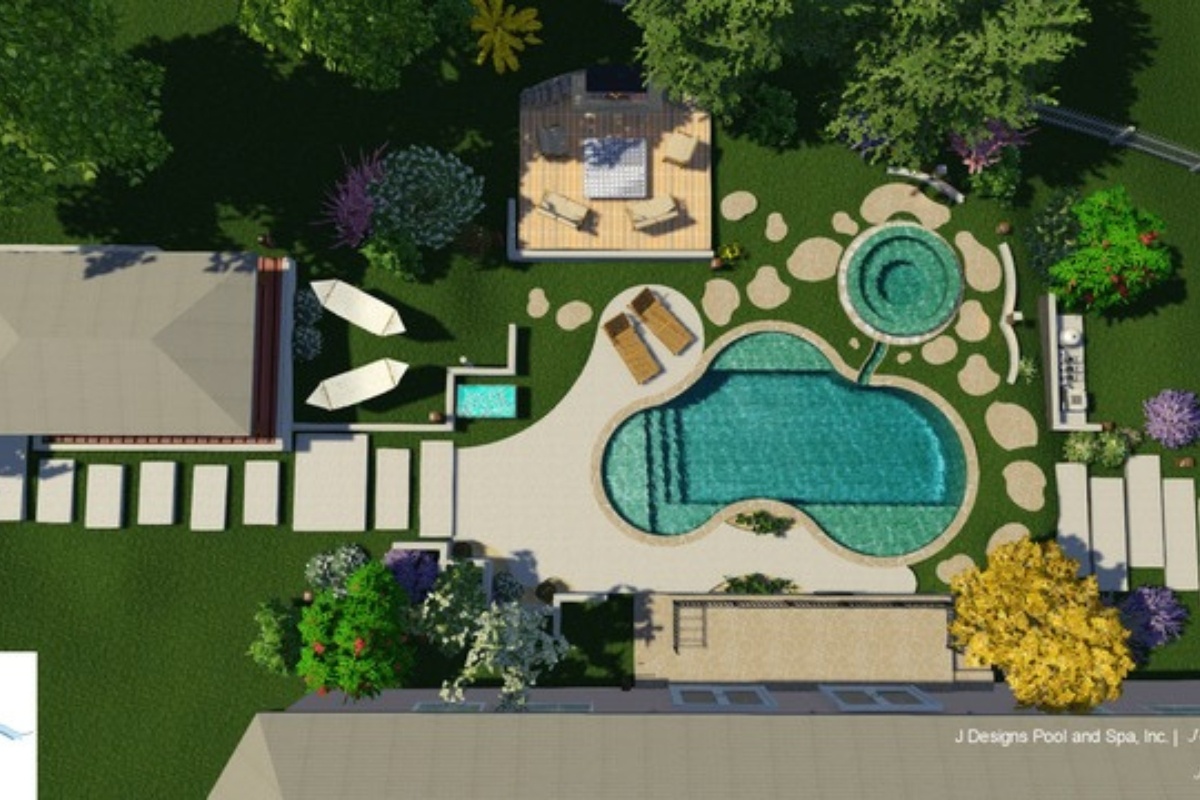 JC Escudero: Sep 23, 2026
Planning a custom pool involves dozens of decisions about shape, depth, materials, and features. Get one wrong, and you could face expensive rework...
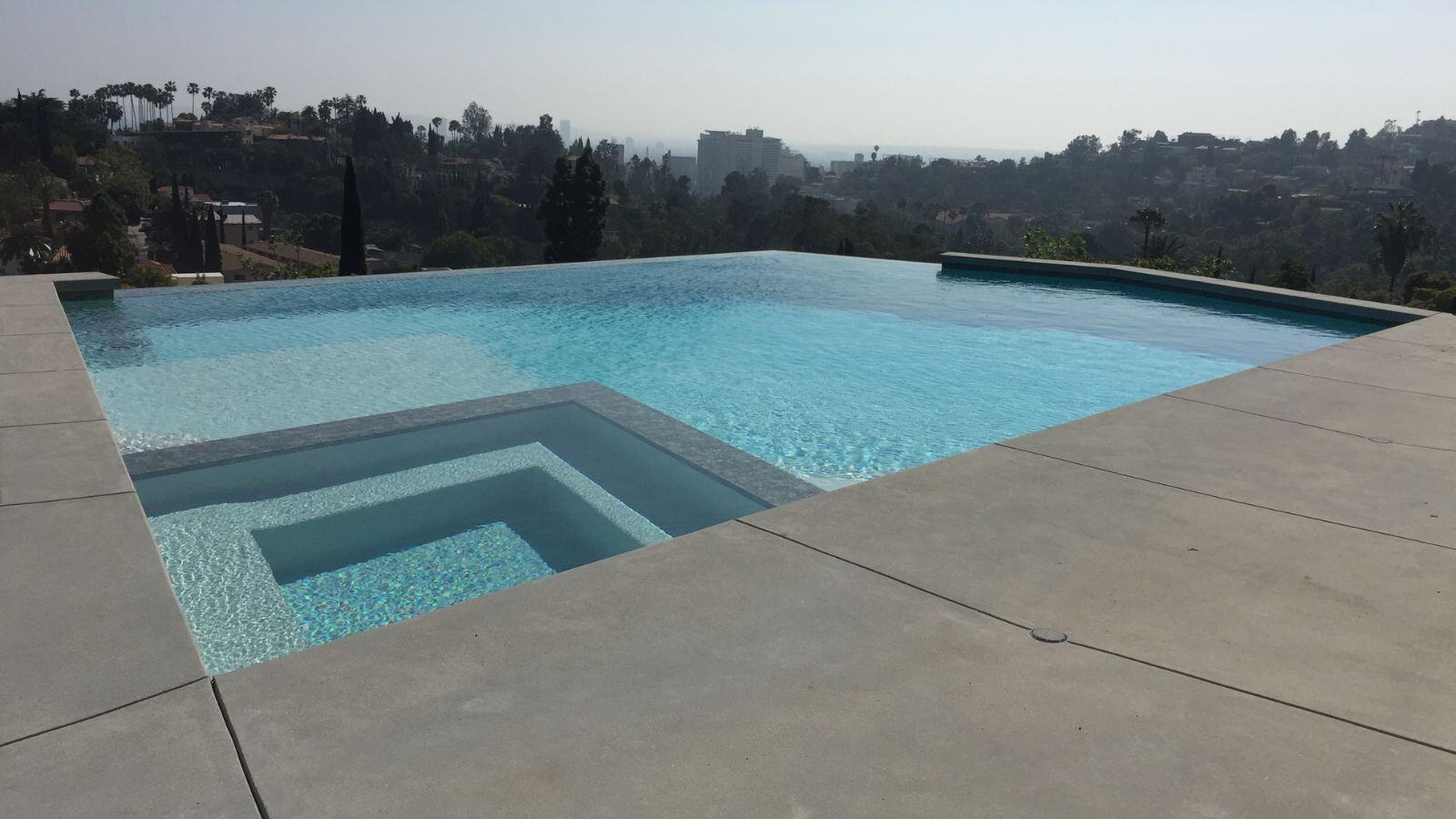
 Daniela Escudero : Apr 25, 2025
Explore pool hardscape options like grass, concrete, pavers, and pedestal decking. Learn costs, pros & cons, and drainage tips for your perfect...
 JC Escudero : Dec 10, 2025
Discover eco-friendly and luxurious LA pool designs. Make the optimal choice for your eco-conscious and upscale home. Find your ideal pool aesthetic...
 JC Escudero : Dec 17, 2025
What is pool coping, and which materials last longest? Learn the best options, what to avoid, TCNA installation standards, waterproofing steps, LA...