
 Daniela Escudero
How 3D Pool Design Prevents Construction Mistakes
 JC Escudero: Sep 23, 2026
Planning a custom pool involves dozens of decisions about shape, depth, materials, and features. Get one wrong, and you could face expensive rework...
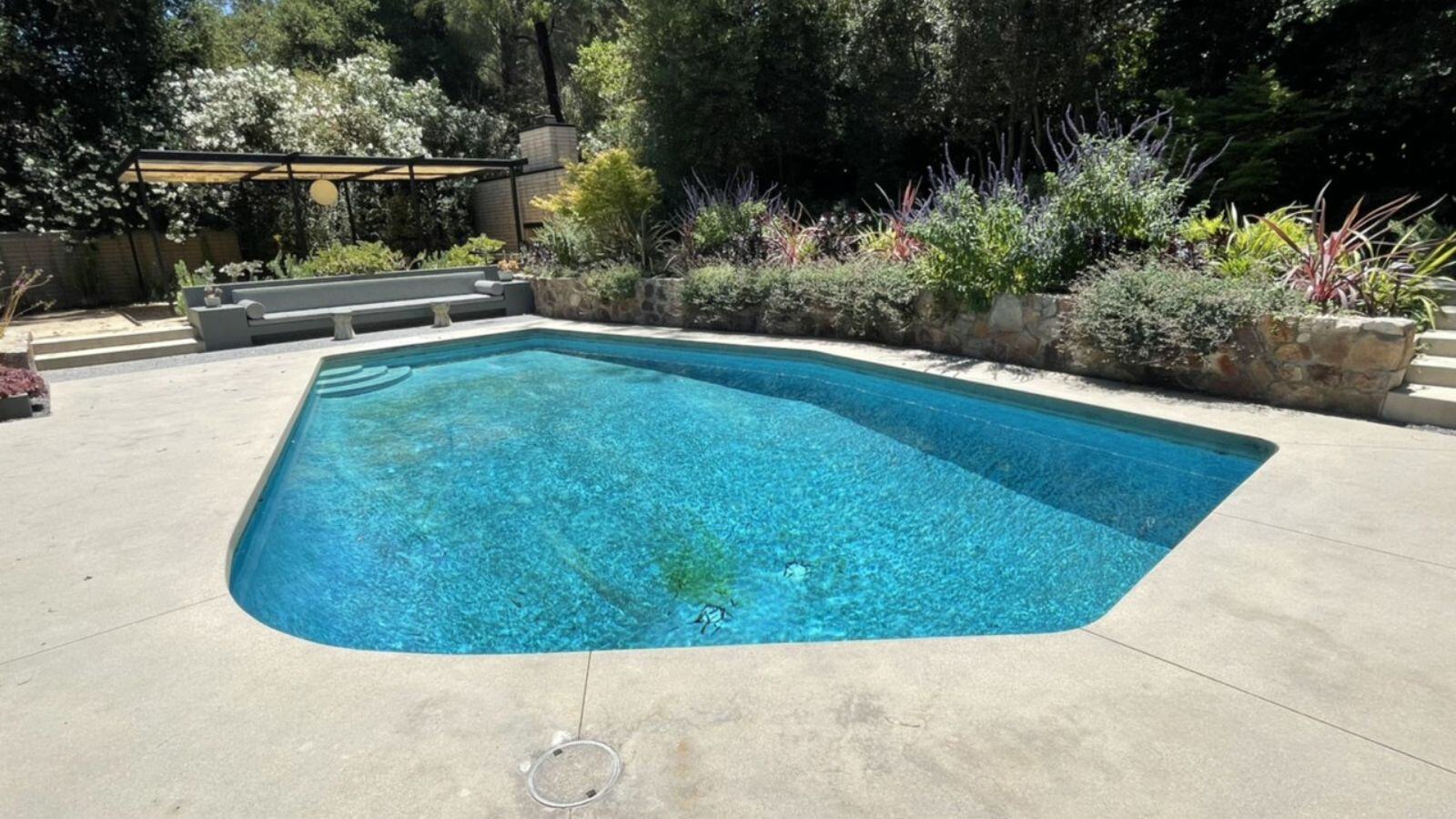
Salt chlorine generators have revolutionized pool care, making it easier for homeowners to keep pools clean. These systems automate chlorine production, reducing the need for manual chemical additions and eliminating chlorine storage concerns. While saltwater pools offer convenience, they also come with hidden risks—especially when it comes to plaster stains, surface damage, and long-term pool deterioration.
Many homeowners mistakenly believe salt pools require no maintenance, only to discover stains, scaling, or rough pool surfaces over time.
In this guide, we’ll break down: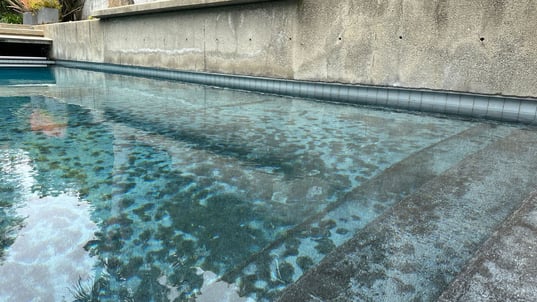
Salt systems create a unique chemical environment that, if not properly managed, can accelerate staining, metal corrosion, and calcium buildup. Here are the top reasons why stains and surface damage occur in saltwater pools:
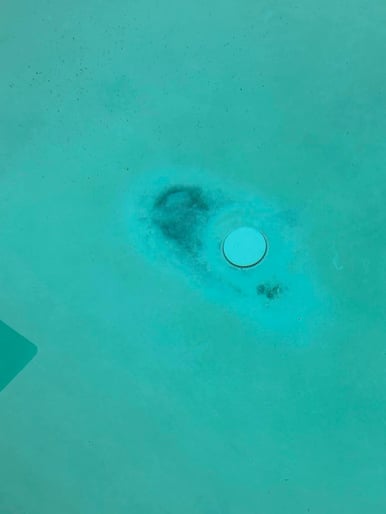
Saltwater increases the electrical activity between different metals in the pool (like ladders, light rings, and heat exchangers).
The titanium plates inside the salt generator can pull electrons from weaker metals like copper and iron, leading to metal stains.
This process, called galvanic corrosion, results in metal deterioration and staining.
Pool Heaters are often an easy target for high salt levels, which deteriorate the heat exchanger, cause additional metal staining, and ultimately result in heater failure.
Black or dark spots on the pool floor
Discoloration on metal fixtures, steps, or rails
A purple haze in the water
Pro Tip: How to prevent it:
Install a zinc anode (a metal piece that sacrifices itself to prevent corrosion on other metals)
Use phosphate-free metal removers to clear excess copper and iron from the water.
Regularly test for metal levels and adjust chemistry accordingly.
Saltwater pools naturally cause pH levels to rise, leading to calcium scaling and surface roughness.
High pH levels (above 8.0) cause irreversible surface damage if left unbalanced, making the plaster rough, discolored, and prone to staining.
White, chalky deposits on plaster surfaces
Rough or gritty texture on pool walls and steps
Brown or gray stains that don’t brush off easily
Pro Tip: How to prevent it:
Keep pH levels between 7.2 – 7.6 by testing weekly
Use mild acid treatments to prevent scale buildup
Brush pool walls regularly to prevent calcium deposits
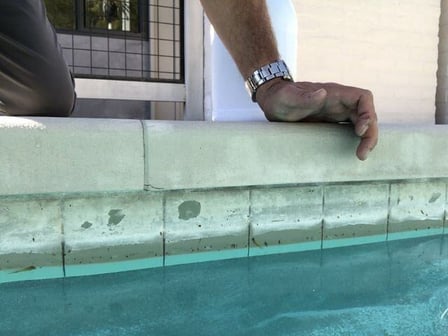
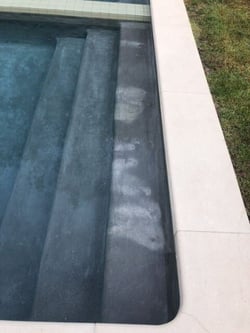
Not all salt is the same—low-quality salt contains impurities like iron and manganese, which stain the pool surface.
Even "99% pure" salt can introduce pounds of unwanted minerals into the water.
Salt that isn’t appropriately dissolved can settle on the pool floor, creating localized stains and rough deposits.Brown, orange, or black stains appear after adding salt
Rough patches where salt settled before dissolving
Pro Tip: How to prevent it:
Only use high-purity, pool-grade salt (avoid cheap salt from hardware stores)
Pre-dissolve salt in a bucket before adding it to the pool
Add salt slowly in the deep end while running the pump
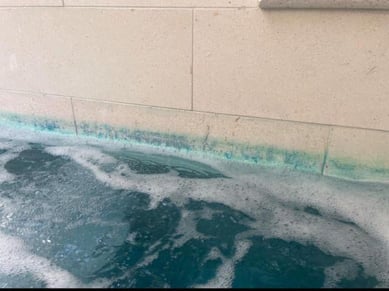
Some pool chemicals can’t handle the high chlorine levels inside a salt system.
Sequestering agents (used to prevent metal stains) break down faster, leading to staining.
Copper-based algaecides can dissolve unevenly, causing blue-green stains.
Stains that keep coming back even after brushing
Water that looks greenish or cloudy
Pro Tip: How to prevent it: Only use phosphate-free, salt-compatible chemicals
Avoid copper-based algaecides, which can worsen stains
Apply chemicals more frequently to account for faster breakdown
If stains have already formed, you don’t always need to drain the pool. Try this easy spot-treatment method used by professionals. (This is not recommended to do without proper training and the use of safety gear)
Pro Tip: Always test pH and alkalinity after using acid to prevent long-term damage.
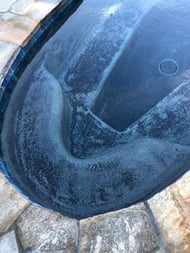
Salt chlorine generators make pool care easier but also have unique maintenance challenges.
At J Designs Pool & Spa, we help homeowners identify and resolve pool issues before they become costly problems. Need expert stain removal or salt system troubleshooting? Contact us today to schedule a consultation and keep your pool in top shape!

 JC Escudero: Sep 23, 2026
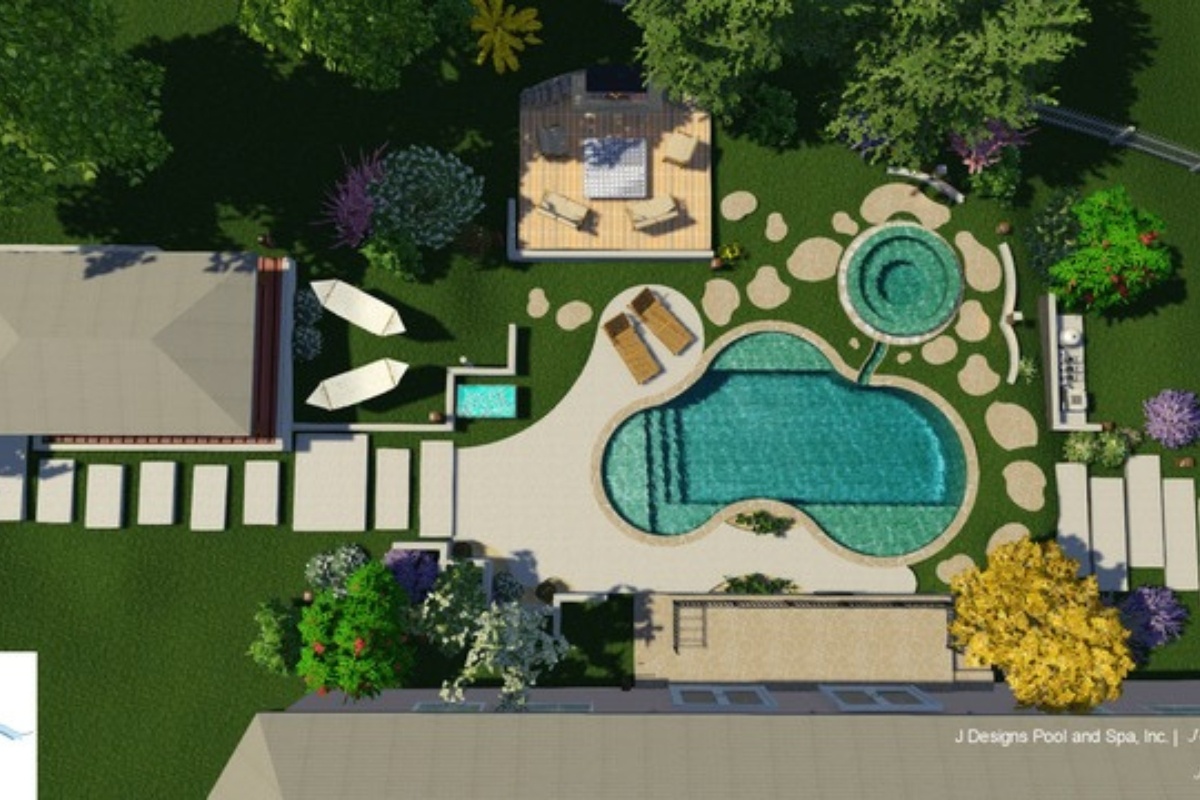
Planning a custom pool involves dozens of decisions about shape, depth, materials, and features. Get one wrong, and you could face expensive rework...
 JC Escudero: Sep 19, 2026
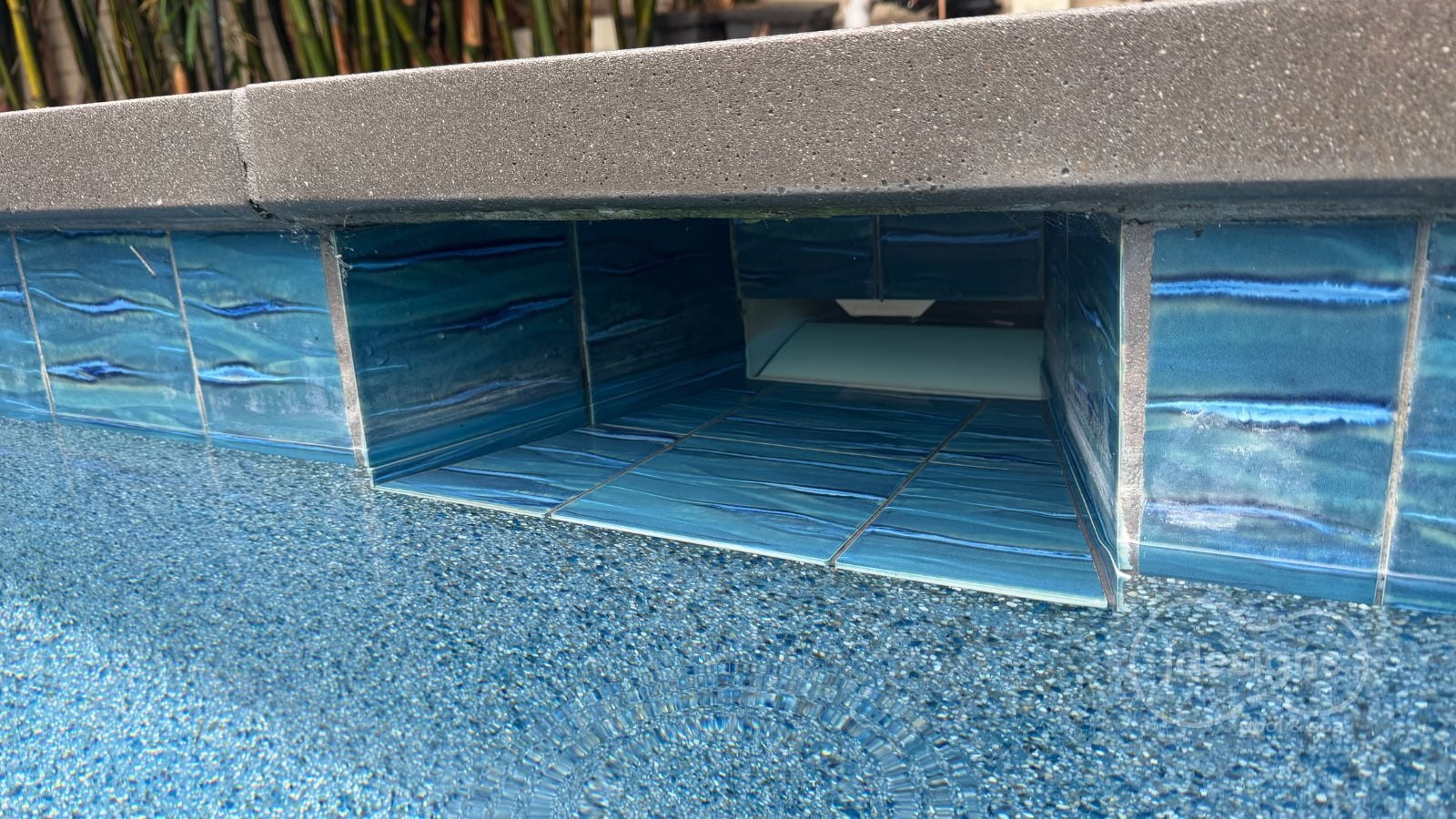
Your pool's circulation doesn't simply begin at the pump.
After heavy rain, don't automatically shock your pool or add chemicals. Test the water first.
 JC Escudero : Jul 17, 2025
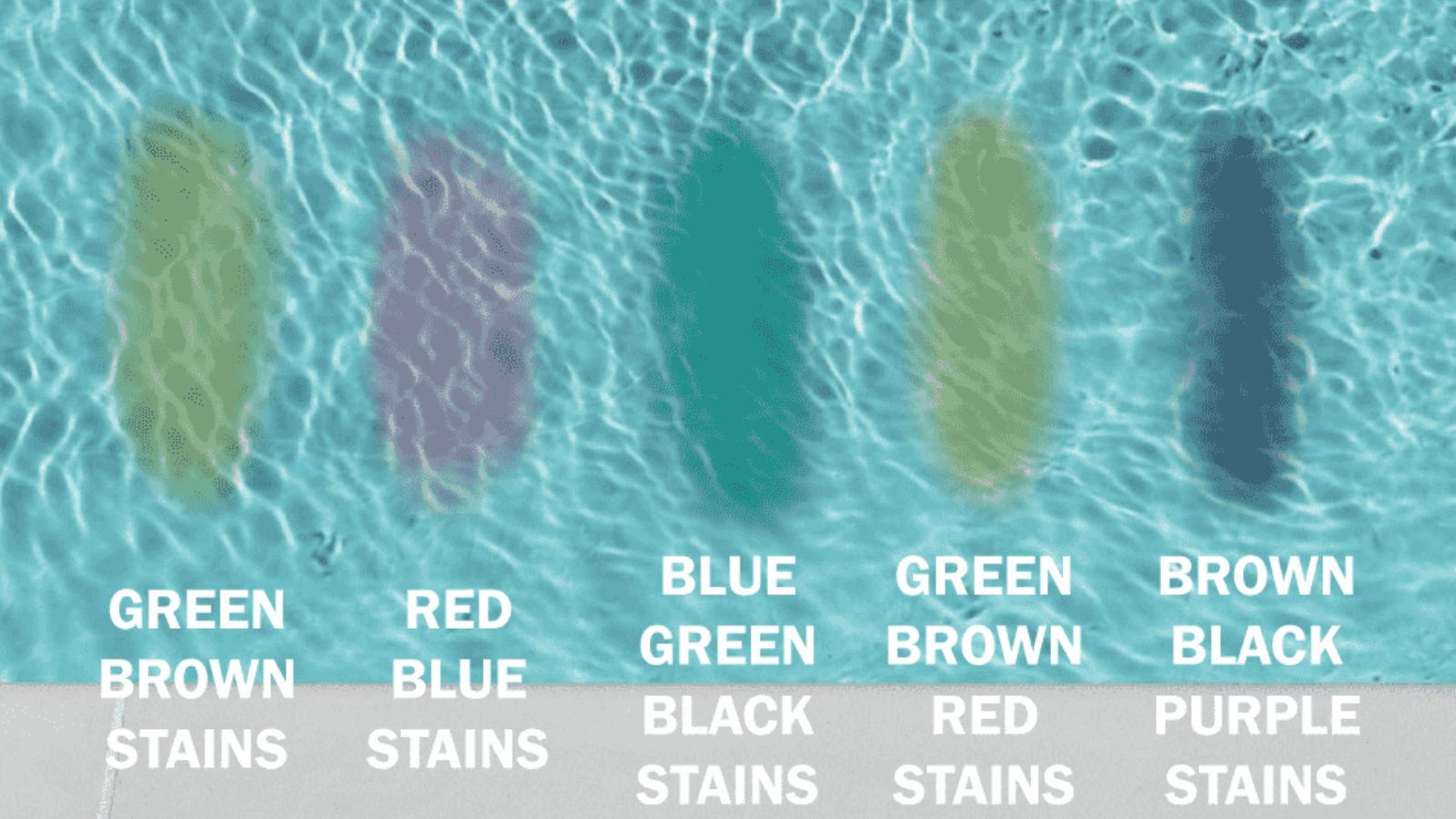
Pool plaster stains ruining your pool? Learn how to identify, remove, and prevent stains from organic debris, metals, and poor water chemistry.
 JC Escudero : Jan 17, 2026
Saltwater pool myths explained. Learn how salt affects pool materials, health, and what design choices prevent damage.
 JC Escudero : Mar 9, 2025
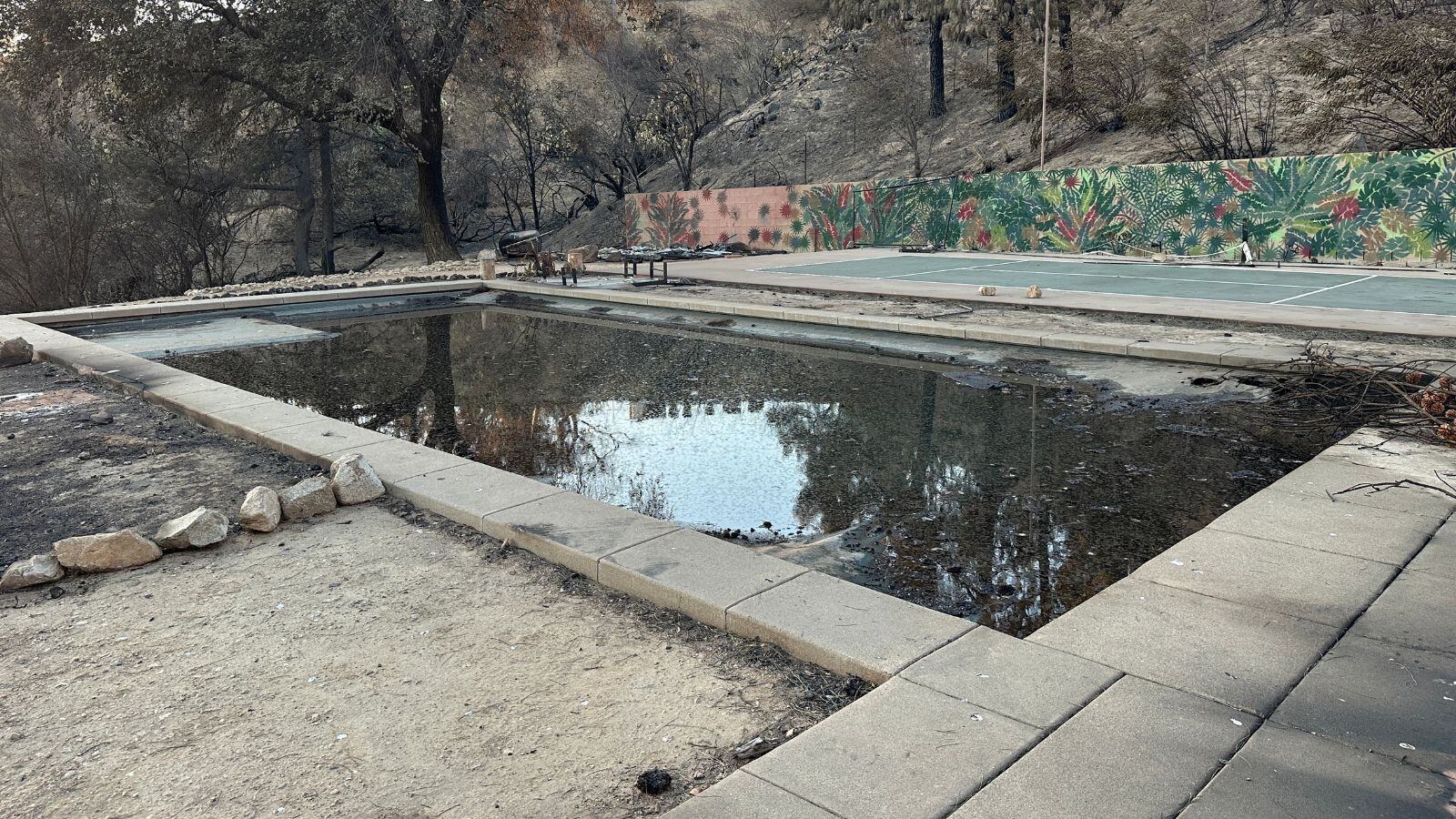
Wildfires in LA? Learn to assess the fire damage and restore your pool and backyard with expert help from J Designs Pool & Spa.