
 Daniela Escudero
How 3D Pool Design Prevents Construction Mistakes
 JC Escudero: Sep 23, 2026
Planning a custom pool involves dozens of decisions about shape, depth, materials, and features. Get one wrong, and you could face expensive rework...

Wondering if you really need one, or if it’s just a luxury that burns more gas than it’s worth?
At Pool Pros, we know that when it comes to pool heaters, there’s no one-size-fits-all solution. Whether you're trying to stretch your swimming season in Wisconsin or you're building a brand-new pool in sunny (and now gas-restricted) Los Angeles, you’ve got options, and we’ve installed just about all of them.
In this no-fluff guide, we’re breaking down every type of pool heater, natural gas, propane, heat pump, hybrid, solar, and geothermal, along with how they work, what they cost, and what you really need to know before pulling the trigger. Plus, we’ll fill you in on a brand-new regulation in L.A. that could make your heater choice for you.
.jpg?width=342&height=256&name=Heaters%20Horizontal%20Blog%20Visual%20(1).jpg)
This is the #1 question we get asked by new pool owners, and for good reason.
While temperature is mostly a matter of personal preference, there’s a science to keeping things warm without wrecking your water chemistry.
Once your pool water hits 84°F or higher, chlorine becomes 50% less effective. That means you’ll need to double up on chemicals to maintain safe levels. Our go-to recommendation? Set your pool heater to 82°F, it’s warm, comfortable, and won’t mess with your maintenance routine.
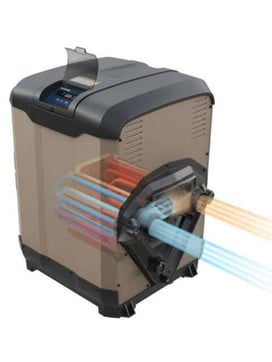
Natural gas pool heaters are your go-to for fast, reliable heat, especially when temps are low. We install the Pentair MasterTemp on most of our builds because of its reliability and performance.
Natural gas heaters will extend your swim season, even in cold weather.
Most gas heaters cap out at around 84% efficiency; going higher causes internal condensation and corrosion.
Expect to spend $5,000–$7,000 for a gas or propane pool heater.
Plan on $100+ in additional fuel costs per month during the swim season. Pool size and cover usage affect this.
Install during pool build for best savings. Expect $1,500–$2,000 for gas line trenching and hookup.
Minimal, but poor water chemistry will destroy your heat exchanger, and that’s a multi-thousand-dollar fix. Balance your water and fully winterize the heater to avoid freeze damage.
![Copy of [TEMPLATE] Vertical Blog Visual (2)](https://www.jdesigns.com/hs-fs/hubfs/Heaters%20comparison%20Blog/Copy%20of%20%5BTEMPLATE%5D%20Vertical%20Blog%20Visual%20(2).jpg?width=233&height=311&name=Copy%20of%20%5BTEMPLATE%5D%20Vertical%20Blog%20Visual%20(2).jpg)
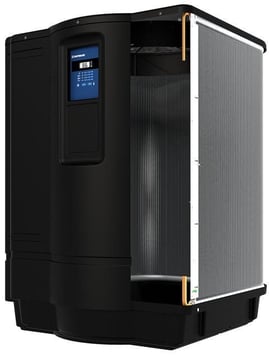
Alt text: Energy-efficient heat pump pool heater on concrete pad
Heat pumps transfer heat from the air, not by burning fuel. This makes them ultra-efficient but weather-sensitive.
They don’t work well below 58°F. If you live in a cooler region, you may lose weeks of swimming season with a heat pump alone.
COP rating of 300%–700%: That’s 3–7 units of heat for every unit of electricity used.
$5,000–$8,000
Electrical-only install. Expect $2,500–$3,500, depending on panel access and distance. Due to the voltage requirements, these units require significant electrical demand, and most use a 40-amp breaker or higher. For plumbing installation $500 to $800
Minimal. Titanium heat exchangers are more resistant to water chemistry issues. Just keep the unit clean and in a wind-blocked area.
![Copy of [TEMPLATE] Vertical Blog Visual (4)](https://www.jdesigns.com/hs-fs/hubfs/Heaters%20comparison%20Blog/Copy%20of%20%5BTEMPLATE%5D%20Vertical%20Blog%20Visual%20(4).jpg?width=215&height=287&name=Copy%20of%20%5BTEMPLATE%5D%20Vertical%20Blog%20Visual%20(4).jpg)
Combining a gas heater and a heat pump, hybrid units give you fast heat when it’s cold and efficient maintenance heat during warm months. Our favorite? The Pentair UltraTemp ETi.
93% gas thermal efficiency + high-performance heat pump = long-lasting savings.
$9,000–$11,000
Requires gas and electric, plus a thick concrete pad. Budget $5,000–$6,000 for install.
Low. Just keep it clean and balanced like any other system.
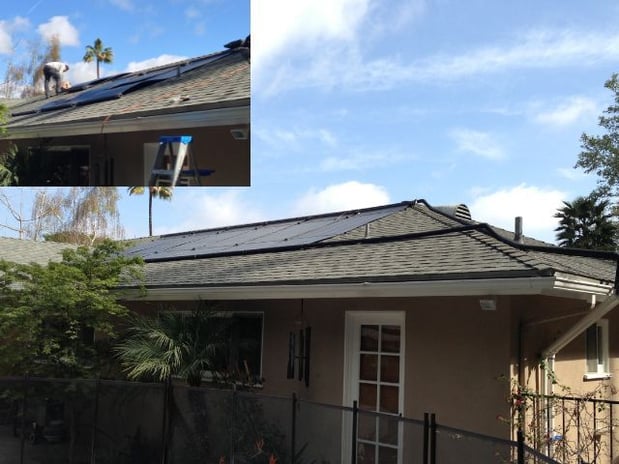 Solar pool heater panels installed on a residential rooftop
Solar heaters use black panels to absorb sunlight, with water flowing through them. It’s free heat, but only when the sun cooperates. The surface area available on your roof and the sun orientation are most important for achieving a favorable ROI.
Solar systems should be paired with gas or heat pump heaters for the best results.
Depends 100% on sunlight. Poor location = poor performance. Use a variable speed pump to maximize heat absorption.
$6,000–$12,000 depending on panel quantity and location.
$4,000–$6,000 including plumbing and automation.
High. Manual systems need constant monitoring. Automated valves and sensors are essential for hands-off performance.
Geothermal taps into the earth’s heat using buried coils and a heat exchanger. It’s efficient, but not a common practice.
$6,500-$10,000 if added to an existing system
New geothermal systems start at $50,000, so this is only realistic as an add-on.
Once installed, there’s almost no maintenance.
As of 2023, Los Angeles has banned the use of natural gas appliances in new residential construction, including pool heaters. This move is part of the city’s broader effort to reduce emissions and transition toward cleaner energy sources. If you're planning a new pool build in LA, you won’t be able to install a traditional gas-powered heater. Instead, you’ll need to explore electric alternatives like heat pumps, hybrid systems, or solar heating, which are fully compliant with the new ordinance. You can learn more about the regulation here.
Choosing the right pool heater can make or break your swimming season. Now that you understand the different types, along with their pros, cons, and costs, you’re one step closer to making the best decision for your pool. Here is a Department of Energy comparison of regions and various temperatures to help you decide which option is best for your pool. DE Heaters Comparison
Remember: the wrong heater can cost you more in the long run, whether it's through unexpected fuel bills, shortened swim time, or equipment damage.
And if you're in Los Angeles, your choice just got a lot simpler: natural gas heaters are off the table for new construction.
Need help figuring out what fits your climate, your budget, and your pool setup? Reach out to Pool Pros today. We’ll help you make a decision you’ll be warm and happy about all season long.

 JC Escudero: Sep 23, 2026
Planning a custom pool involves dozens of decisions about shape, depth, materials, and features. Get one wrong, and you could face expensive rework...
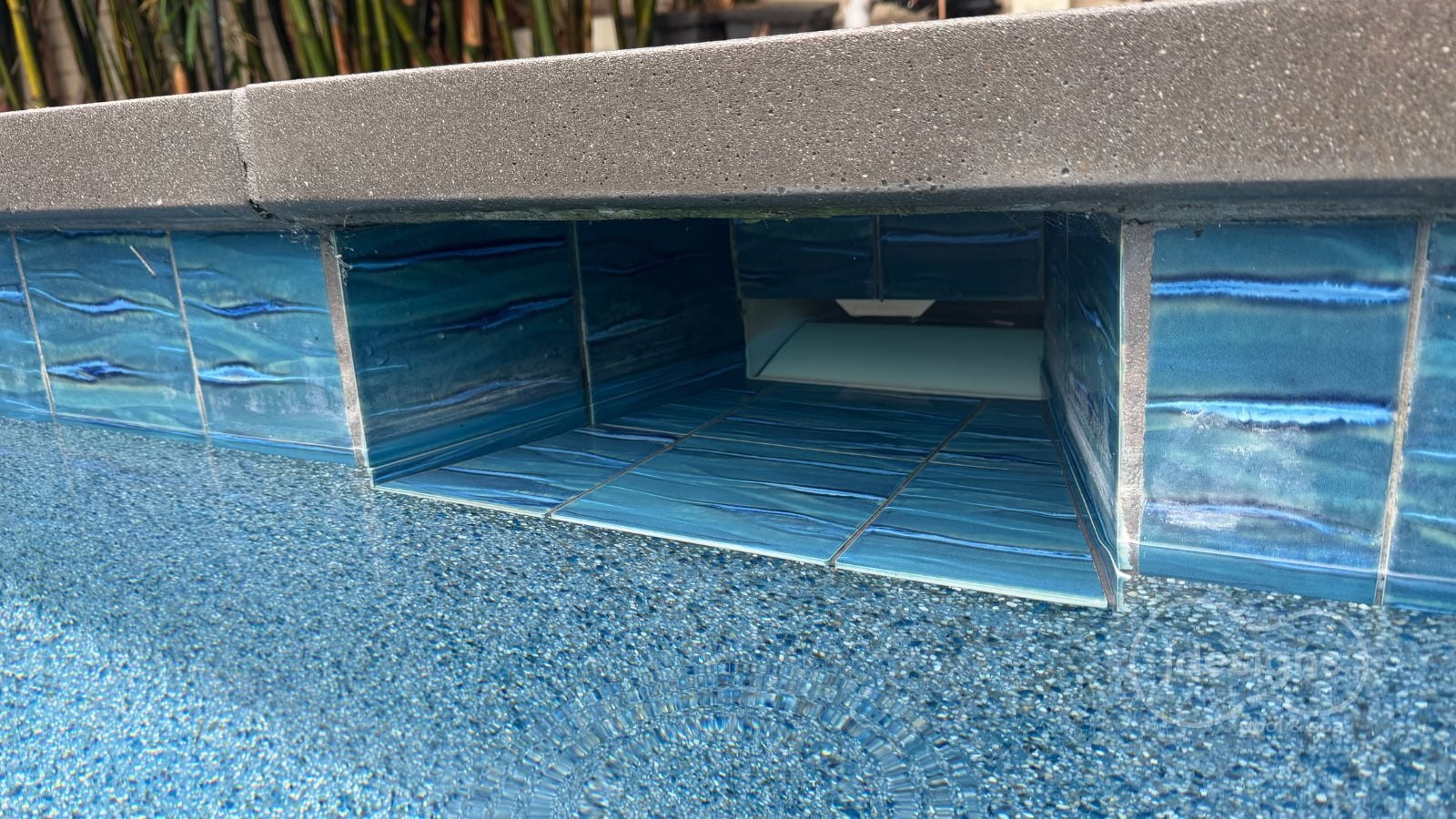 JC Escudero: Sep 19, 2026
Your pool's circulation doesn't simply begin at the pump.
After heavy rain, don't automatically shock your pool or add chemicals. Test the water first.
 JC Escudero : Nov 20, 2025
Find out how much it really costs to heat a pool with gas, what impacts efficiency, and how to reduce heating time and fuel use with smart upgrades.
 JC Escudero : Nov 11, 2025
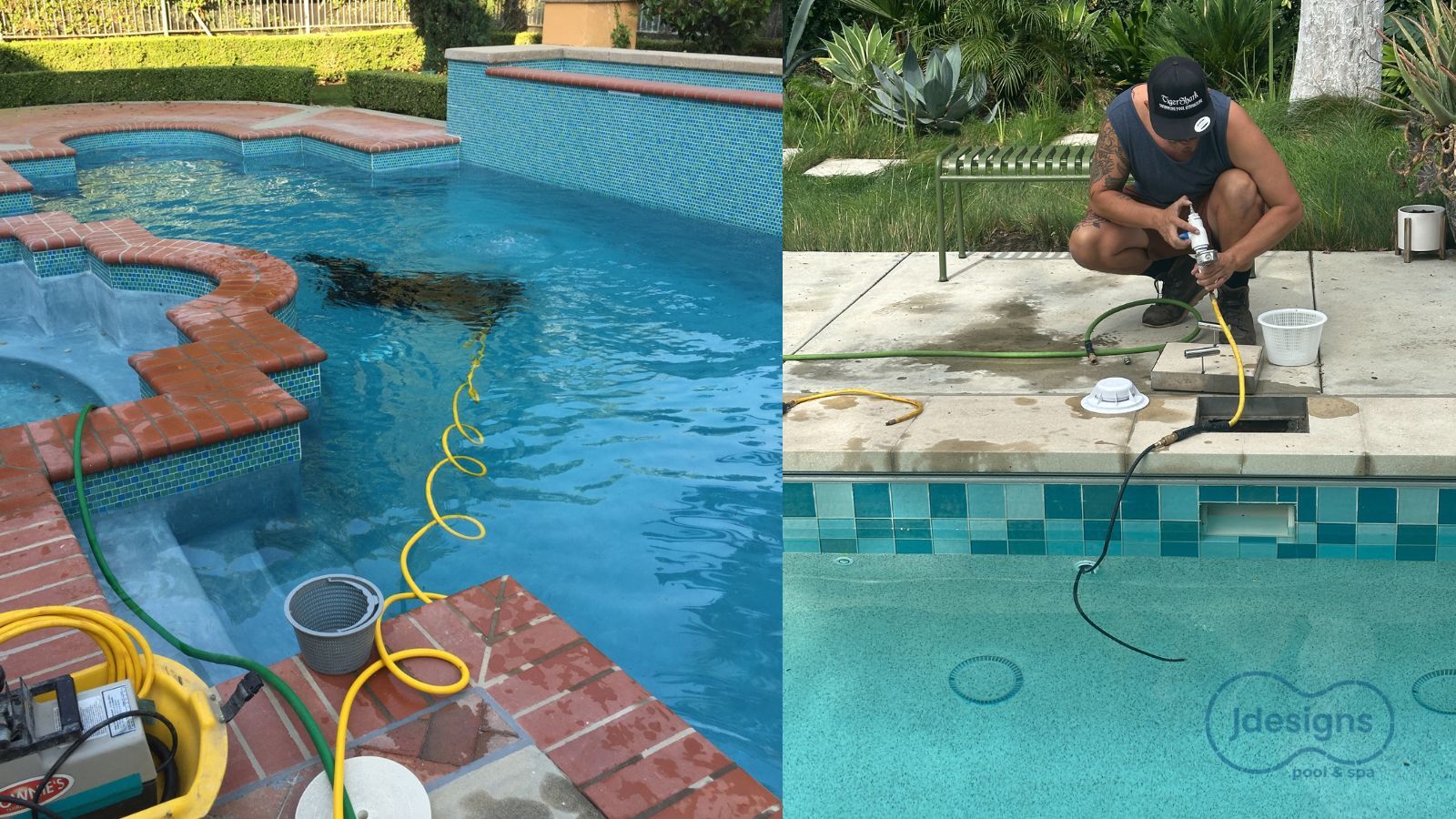
Think your pool might be leaking? Learn how to spot the signs, test for leaks, and choose the proper repair before it becomes a costly problem.
 JC Escudero : Oct 28, 2025
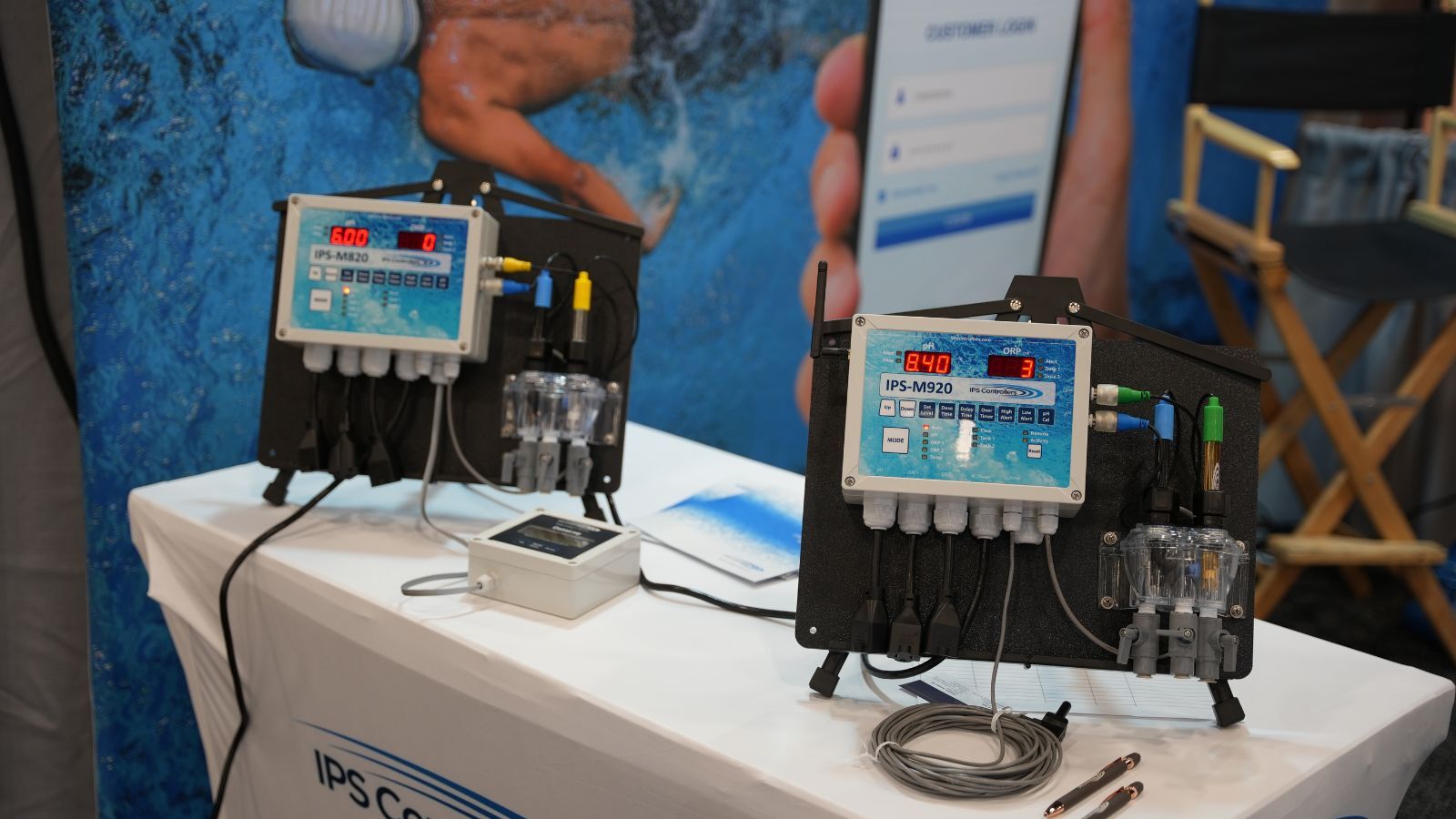
Explore the revolutionary world of automated pH control systems for pools, ensuring pristine water quality and optimal swimming conditions...