
How 3D Pool Design Prevents Construction Mistakes
 JC Escudero: Sep 23, 2026
Planning a custom pool involves dozens of decisions about shape, depth, materials, and features. Get one wrong, and you could face expensive rework...
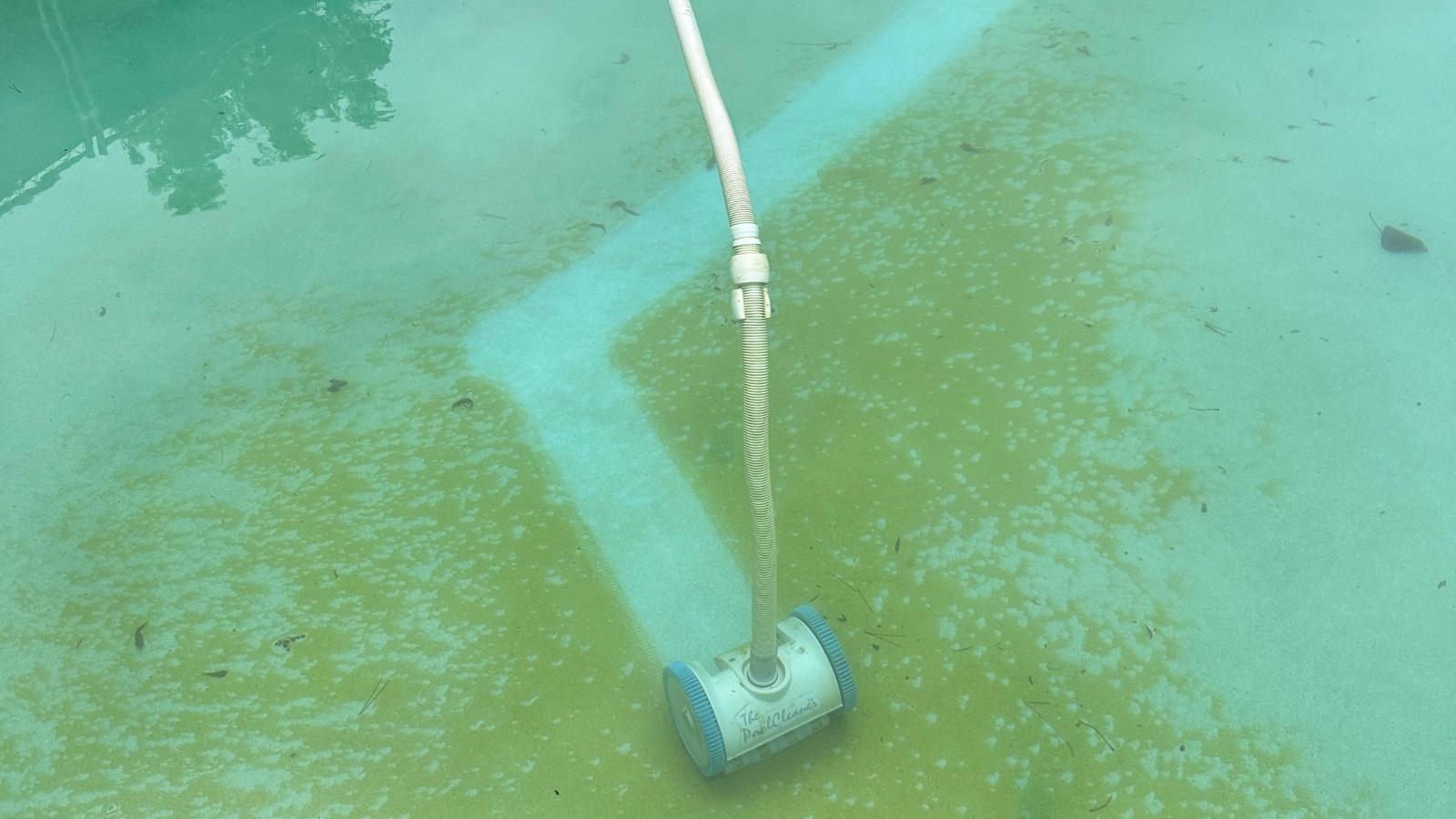
How often do you find yourself battling algae in your pool despite regular maintenance? Do you know the key factors that keep algae at bay? In this article, you'll discover proven strategies to maintain a clear, algae-free pool. We will cover water chemistry, circulation, algaecides, and professional tips to help you keep your pool pristine.
Pool owners must prioritize maintaining balanced water chemistry to create an algae-resistant environment. Regularly testing and adjusting pH, alkalinity, and sanitizer levels is essential for preventing conditions that favor algae growth.
By adhering to these guidelines, you safeguard your pool against unsightly algae and ensure a consistently welcoming environment for swimmers.

Quick Tips for Testing Water Chemistry:
Circulation and filtration are crucial to preventing algae growth by eliminating stagnation, where algae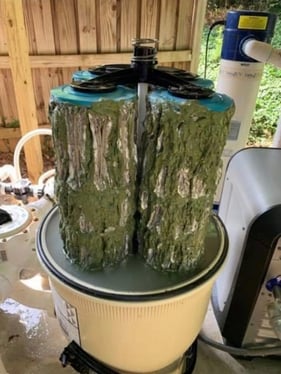 can thrive.
Common Filtration Tips:
Selecting the right algaecide is crucial for effective algae control. Here’s a quick comparison of your options:
Safety Precautions:
Example Use Cases:
Chlorine is your pool’s primary defense against algae. Maintaining proper levels ensures your pool remains clear and safe.
Step-by-Step Guide for Shock Treatment:
When in doubt, consulting a pool professional can save time and effort. Professionals provide customized solutions tailored to your pool's specific needs.
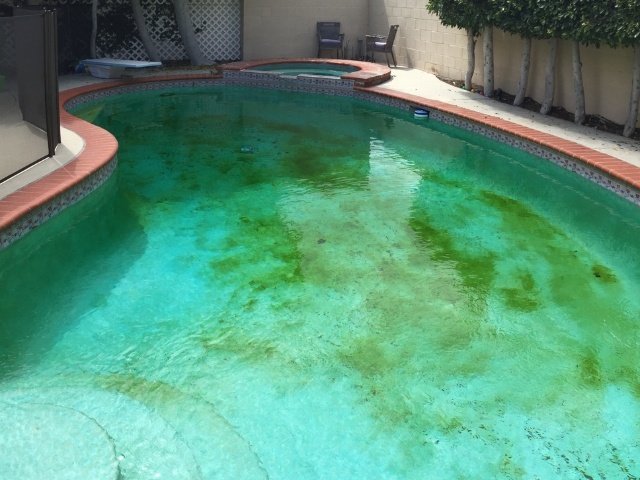
When to Call a Professional:
Maintaining a clear, algae-free pool involves understanding and managing water chemistry, ensuring proper circulation and filtration, using appropriate algaecides, and seeking professional help when needed.

Want to learn more about proper pool maintenance? Read this article on How To Clean Your Pool: 4 Basic Steps To DIY Maintenance to help you keep your pool pristine year-round.
For more personalized advice, contact us for a consultation on customized algae control strategies.
 JC Escudero: Sep 23, 2026
Planning a custom pool involves dozens of decisions about shape, depth, materials, and features. Get one wrong, and you could face expensive rework...
 JC Escudero: Sep 19, 2026
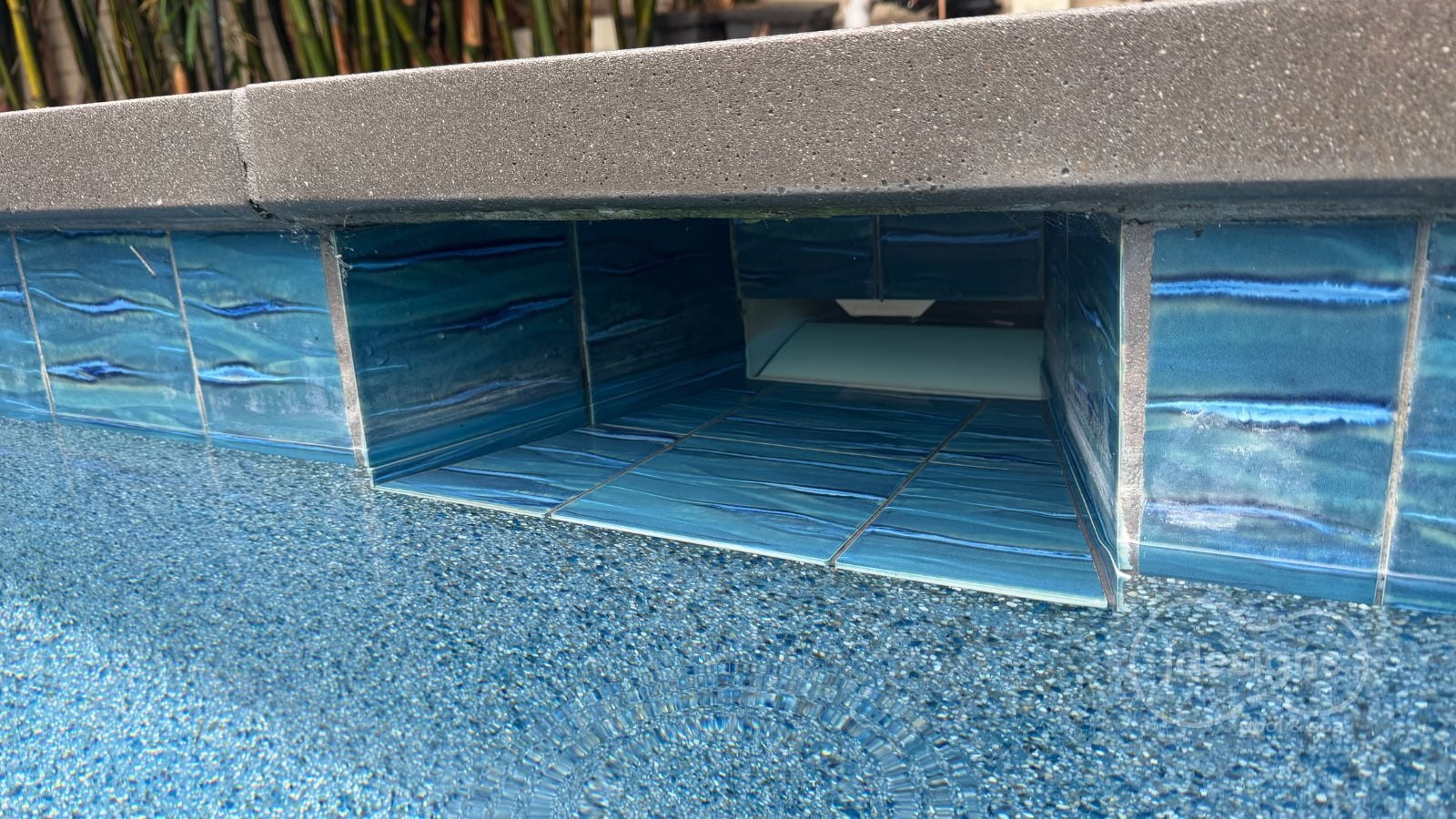
Your pool's circulation doesn't simply begin at the pump.
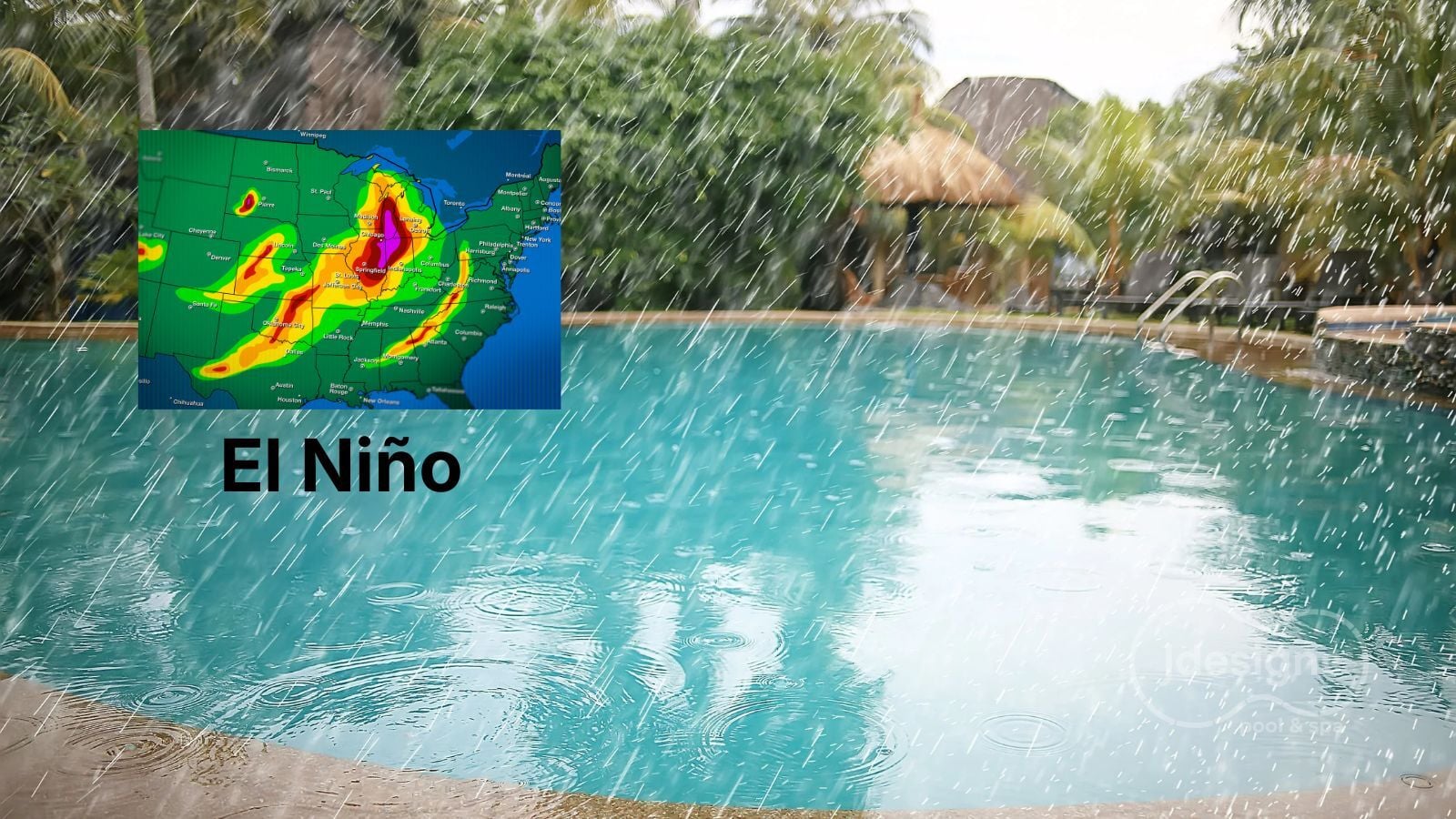
After heavy rain, don't automatically shock your pool or add chemicals. Test the water first.
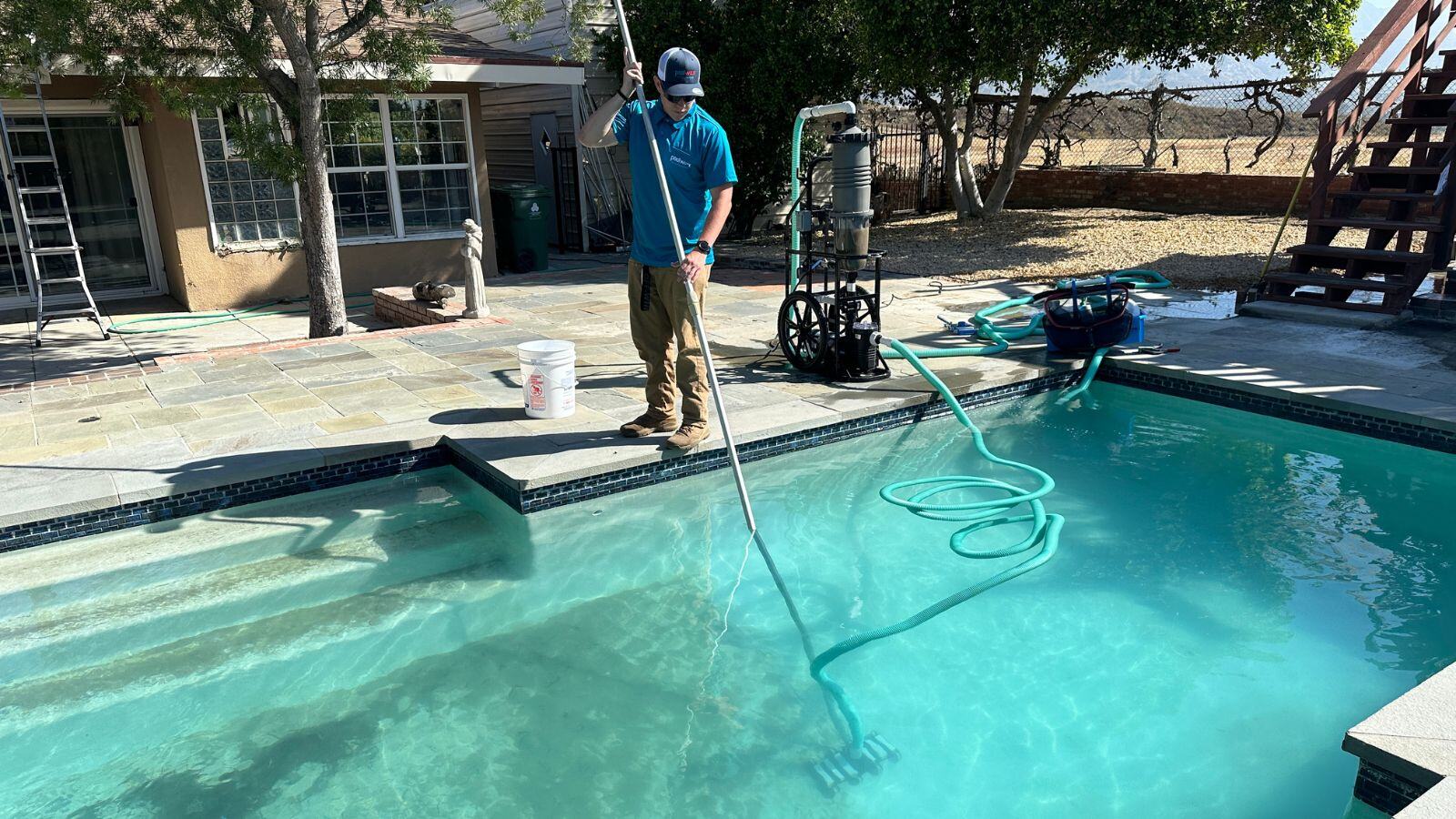
Pollen in pools can cause cloudy water, algae, and filter clogs. Learn how to remove pollen and keep your pool clear with simple maintenance tips.
 Daniela Escudero : Sep 22, 2025
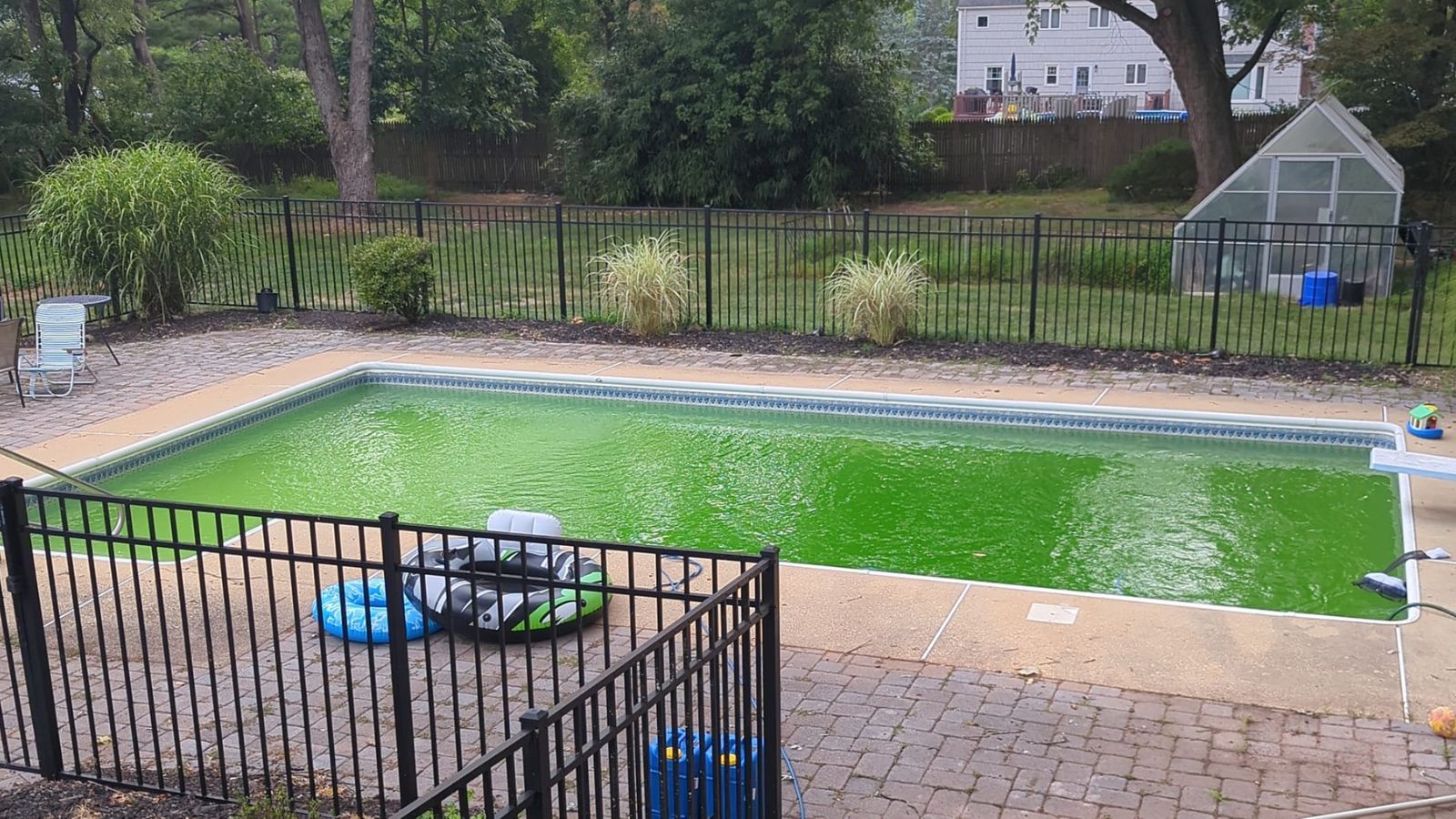
Learn what causes algae in your pool, how to kill it fast, and the proven steps to keep it from coming back—especially in hot summer weather.
 JC Escudero : Jul 4, 2026
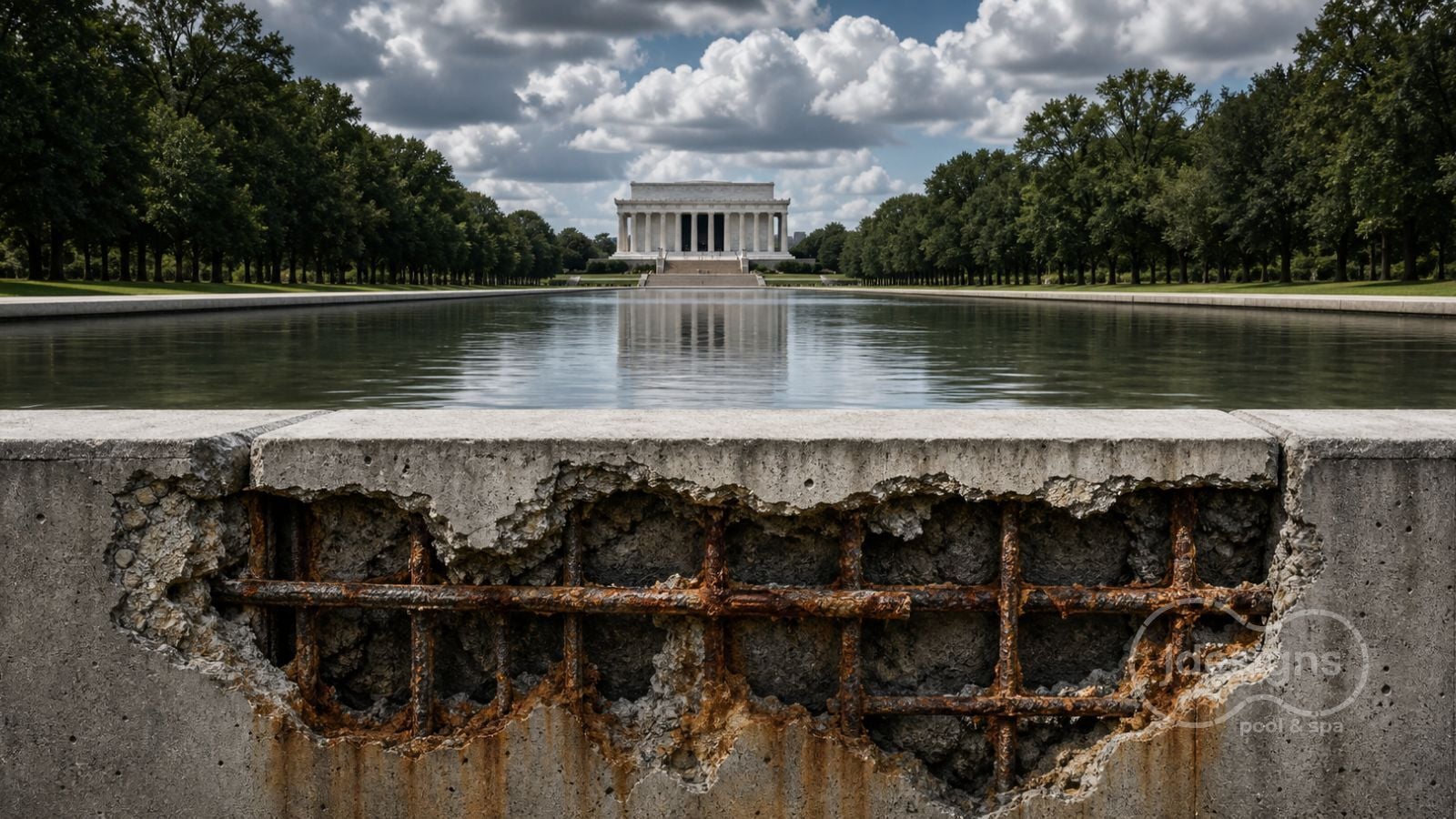
A pool expert explains the Lincoln Memorial Reflecting Pool failure, algae return, coating issues, and what may have gone wrong.