3 min read

Proven Tips to Keep Your Pool Algae-Free

Proven Tips to Keep Your Pool Algae-Free

Unlock the Secrets to an Algae-Free Pool: Expert Tips for Crystal-Clear Water

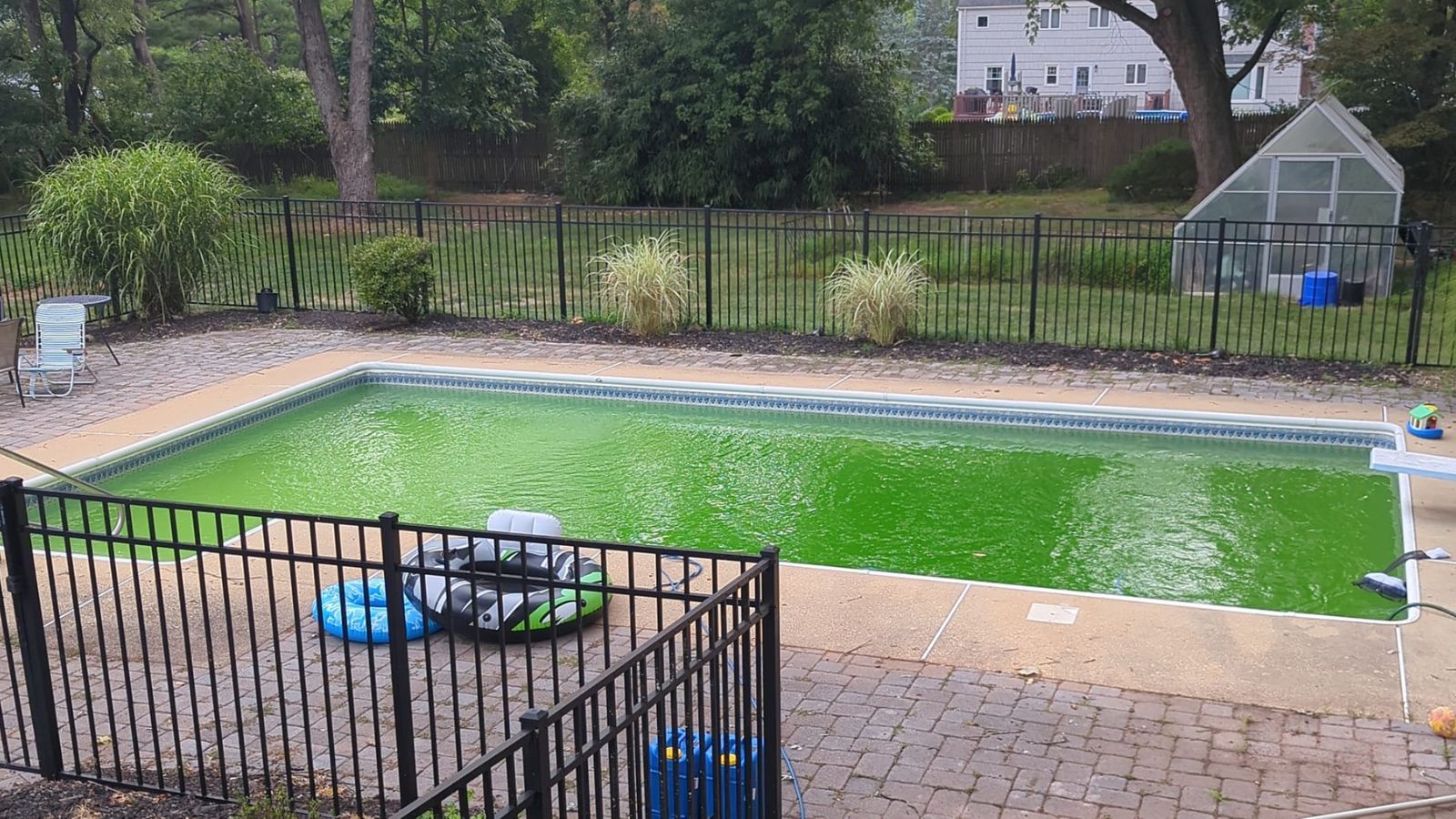
How often do you find yourself battling algae in your pool despite regular maintenance? Do you know the key factors that keep algae at bay? In this article, you'll discover proven strategies to maintain a clear, algae-free pool. We will cover water chemistry, circulation, algaecides, and professional tips to help you keep your pool pristine.

How to Balance Pool Water Chemistry to Prevent Algae Growth

Pool owners must prioritize maintaining balanced water chemistry to create an algae-resistant environment. Regularly testing and adjusting pH, alkalinity, and sanitizer levels is essential for preventing conditions that favor algae growth.

  • Optimal Levels: Keep your pool’s pH between 7.4 and 7.6 and alkalinity between 80 and 120 parts per million (ppm). These parameters help maintain water clarity and discourage algae proliferation.
  • Sanitizer Levels: Chlorine is typically used to disinfect the water and inhibit algae growth. Ensure your chlorine levels remain between 1 and 3 ppm. During heavy use or after rainfall, you may need to add more chlorine to maintain effectiveness.

By adhering to these guidelines, you safeguard your pool against unsightly algae and ensure a consistently welcoming environment for swimmers.

ph_test_kit

Quick Tips for Testing Water Chemistry:

  1. Use a reliable test kit to check your pool's water chemistry weekly.
  2. Adjust pH first, as it affects other chemical levels.
  3. After adjusting the chemicals, wait several hours and retest to ensure stability.

Effective Pool Circulation and Filtration Techniques

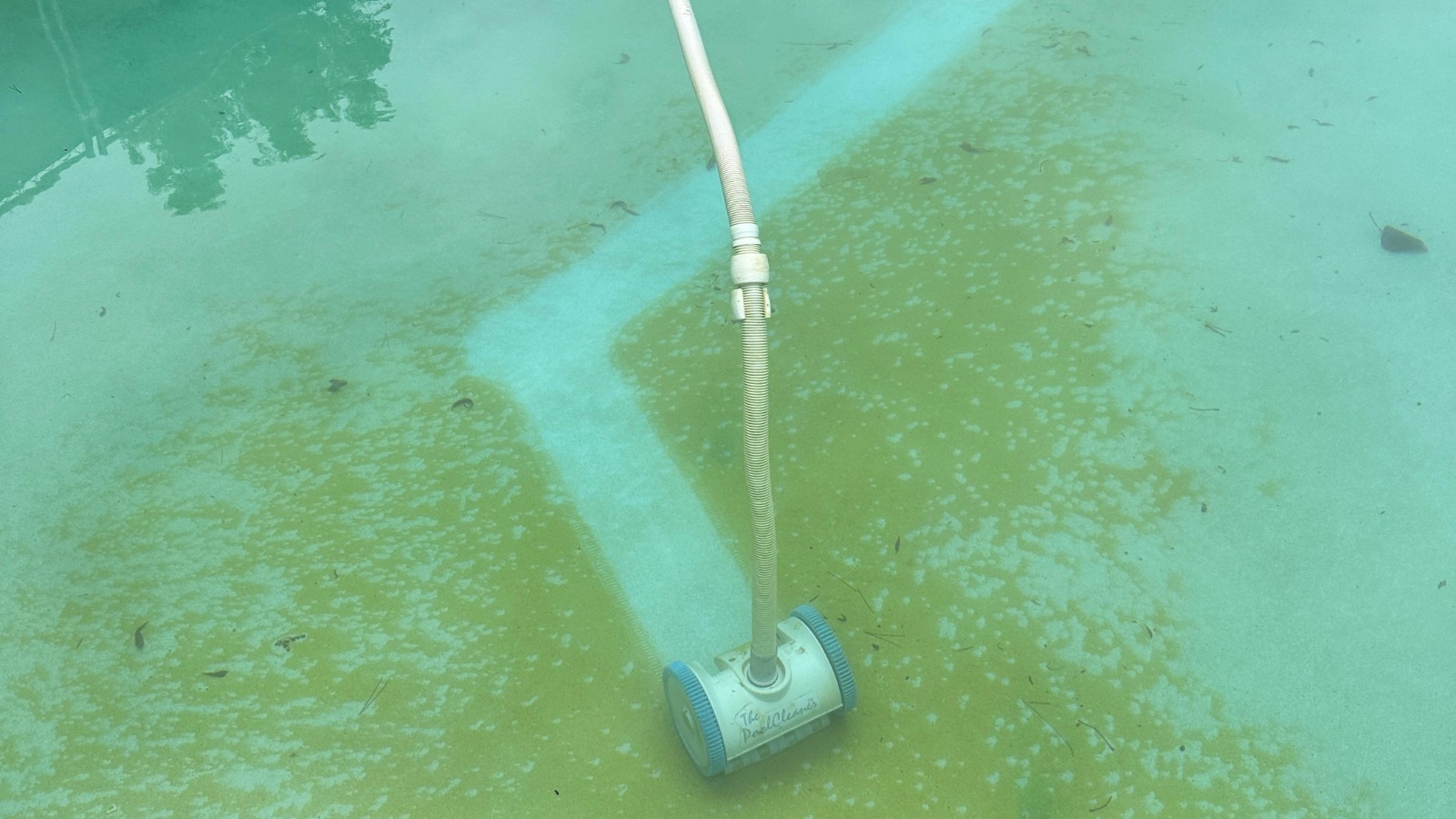
Circulation and filtration are crucial to preventing algae growth by eliminating stagnation, where algaealgae_covered_filter_example can thrive.
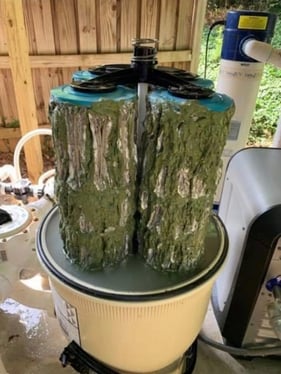
  • Circulation: Run your pool's pump for at least 8-12 hours daily. This promotes water movement, helping to distribute chemicals evenly and remove debris that could harbor algae spores.
  • Filtration: Use a high-quality filter and clean it regularly according to the manufacturer’s instructions. Regular backwashing or filter cleaning is essential to maintain efficiency and prevent algae from taking hold.

Common Filtration Tips:

  1. Choose a filter that suits your pool size and usage. Sand, cartridge, and DE filters each have unique maintenance needs.
  2. Clean or backwash your filter every 4-6 weeks during the swimming season.

Choosing the Right Algaecides: Quats, Polyquats, and Copper-Based Solutions

Selecting the right algaecide is crucial for effective algae control. Here’s a quick comparison of your options:

  • Quaternary Ammonium Compounds (Quats): Best for light algae infestations. They are cost-effective and break down algae cells gently.
  • Polyquats: Ideal for persistent algae issues. These algaecides are stronger and prevent foaming.
  • Copper-Based Algaecides: Provide a long-lasting solution by disrupting algae's cellular processes. Use them carefully to avoid staining and maintain pool chemistry balance.

Safety Precautions:

  1. Always follow the manufacturer's instructions when applying algaecides.
  2. Wear gloves and eye protection to prevent skin and eye irritation.
  3. Store chemicals in a cool, dry place, out of reach of children and pets.

Example Use Cases:

  • Use quats for minor algae that’s easy to control.
  • Opt for polyquats if you frequently battle algae or have a large pool.
  • Apply copper-based algaecides for seasonal treatments to prevent algae blooms.

Balancing Chlorine Levels to Combat Algae

Chlorine is your pool’s primary defense against algae. Maintaining proper levels ensures your pool remains clear and safe.

  • Optimal Chlorine Levels: Keep your chlorine levels between 1 and 3 ppm. Test regularly, especially during peak use times or after heavy rainfall, to adjust as needed.
  • Shock Treatments: For algae blooms, shock your pool with a high dose of chlorine. This should be done in the evening to prevent UV rays from reducing chlorine effectiveness.

Step-by-Step Guide for Shock Treatment:

  1. Measure and adjust the pH to 7.4-7.6 before shocking.
  2. Dissolve the shock treatment in water before adding it to the pool.
  3. Run the pump overnight to distribute the chlorine effectively.
  4. Test the water the next morning and adjust as needed.

Consulting Pool Professionals for Customized Algae Control Strategies

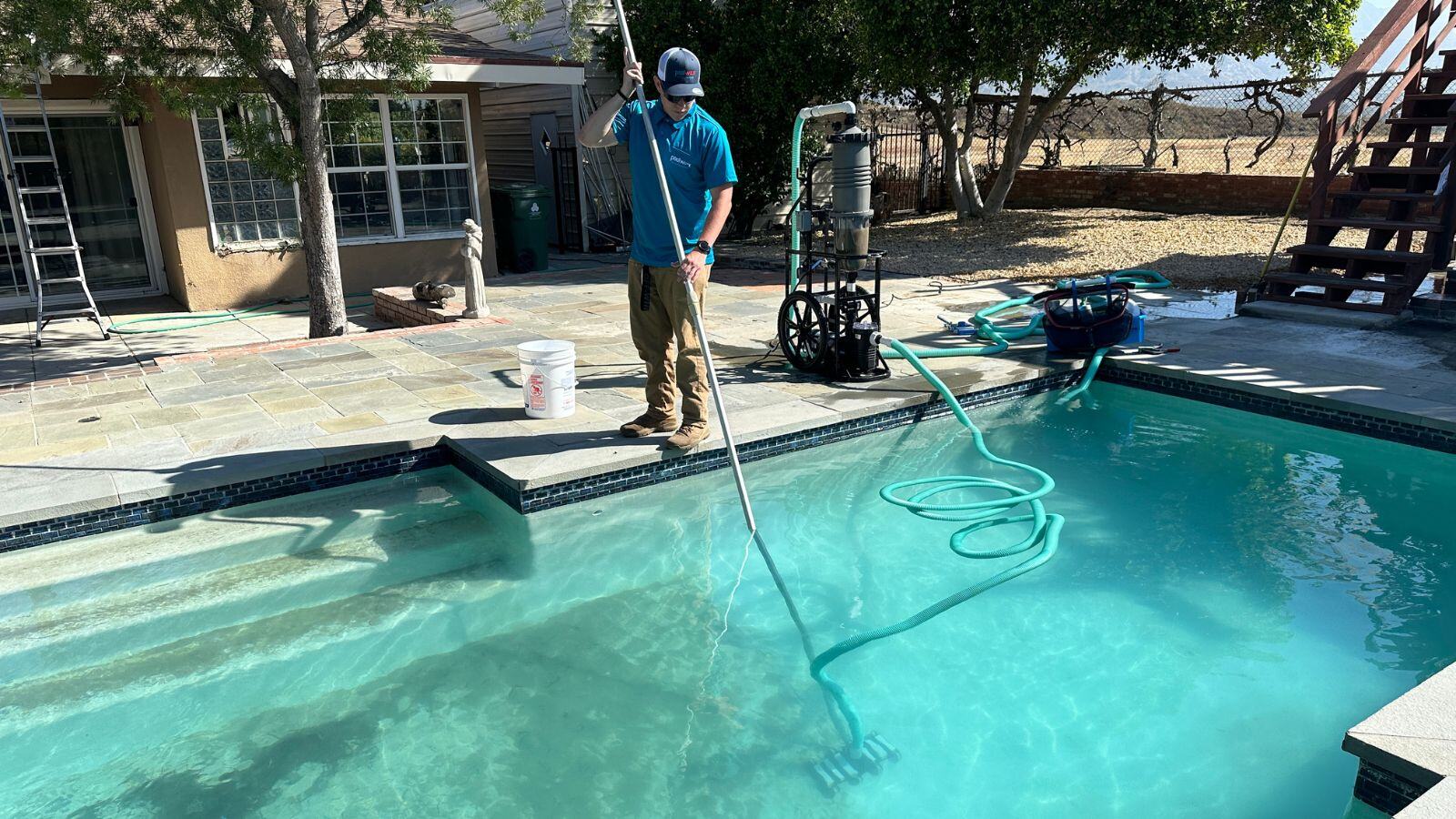
When in doubt, consulting a pool professional can save time and effort. Professionals provide customized solutions tailored to your pool's specific needs.
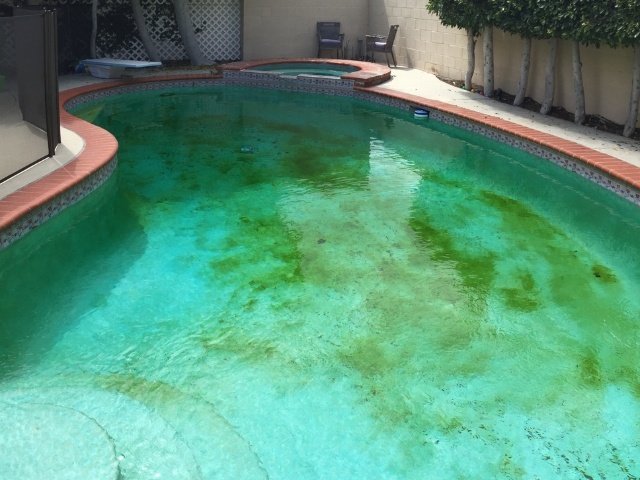
  • Professional Insight: Pool experts can help with precise chemical balancing, advanced filtration systems, and algae prevention techniques specific to your pool’s design and location.
  • Tailored Services: They offer services ranging from regular maintenance to emergency algae control, ensuring your pool remains in top condition.

green_algae_pool

When to Call a Professional:

  1. If you notice recurring algae problems despite regular maintenance.
  2. When you need advice on advanced pool equipment or chemical treatments.
  3. For complex issues like staining or water balance problems that are difficult to resolve on your own.

Maintaining a clear, algae-free pool involves understanding and managing water chemistry, ensuring proper circulation and filtration, using appropriate algaecides, and seeking professional help when needed.

Want to learn more about proper pool maintenance? Read this article on How To Clean Your Pool: 4 Basic Steps To DIY Maintenance to help you keep your pool pristine year-round.

For more personalized advice, contact us for a consultation on customized algae control strategies.
Can You Still Install a Diving Board in Los Angeles? What Homeowners Need to Know

Can You Still Install a Diving Board in Los Angeles? What Homeowners Need to Know

For many homeowners, diving boards bring back the best kind of pool memories: active afternoons, family fun, and a pool that feels made for...

Read More

The Importance Of Having Healthy Pool Water: Beyond Just Looking Clean

If your pool water looks clear but leaves swimmers with red eyes, itchy skin, or a strong chemical smell, the problem may not be the water’s...

Read More
Pool Cover Maintenance & Repair: Expert Tips for Protecting Your Investment

Pool Cover Maintenance & Repair: Expert Tips for Protecting Your Investment

Protecting Your Investment At J Designs, we believe that professional pool stewardship is about much more than installation; it's about setting...

Read More
Pollen in Pools: Causes, Problems & Best Removal Tips

1 min read

Pollen in Pools: Causes, Problems & Best Removal Tips

Why Pollen Is a Problem for Pools Pollen floats on the water's surface during springtime and is not easily oxidized (eliminated) by chlorine. Because...

Read More
Why Does My Pool Keep Getting Algae—And How to Get Rid of It

1 min read

Why Does My Pool Keep Getting Algae—And How to Get Rid of It

Why does your pool keep turning green—even though you clean it regularly?And how are you supposed to stop it when it seems to grow back overnight?

Read More
Why Do Pool Builders Stick to One Brand of Pool Equipment?

1 min read

Why Do Pool Builders Stick to One Brand of Pool Equipment?

Have you ever wondered why many pool builders tend to install only one brand of pool equipment? Is it truly because that brand is the best fit for...

Read More