
Stainless Steel Pools in Los Angeles: When Do They Make Sense?
 JC Escudero: Oct 1, 2026
When most homeowners picture a swimming pool, they probably picture a concrete or shotcrete structure built into the ground.
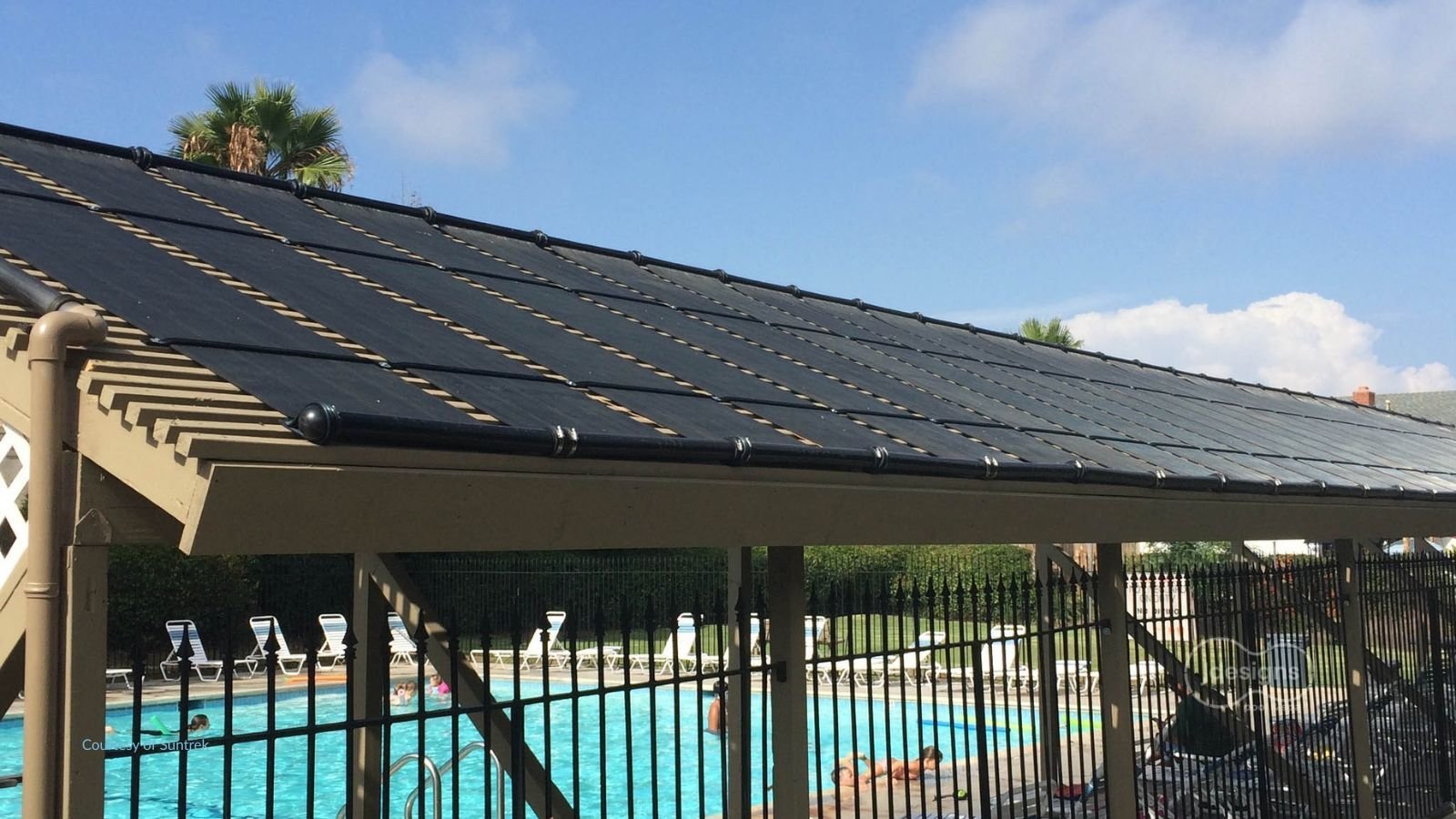
If you enjoy using your pool well past Labor Day, you’ve probably wondered how to keep the water warm and comfortable without watching your gas bill climb month after month. In Los Angeles, that question is becoming even more important as energy prices rise and California’s 2026 energy transition and updated Title 24 standards continue to reshape how homes are powered.
Solar pool heating is one option we evaluate with clients who want to extend their swim season while aligning with California’s move toward cleaner energy. In some backyards, it can be an excellent fit. In others, it’s helpful background information, but not the primary solution.
This guide will help you understand:
As pool and outdoor‑living designers, our role is to view solar as one component of an overall heating and lifestyle plan, not as a one‑size‑fits‑all answer.
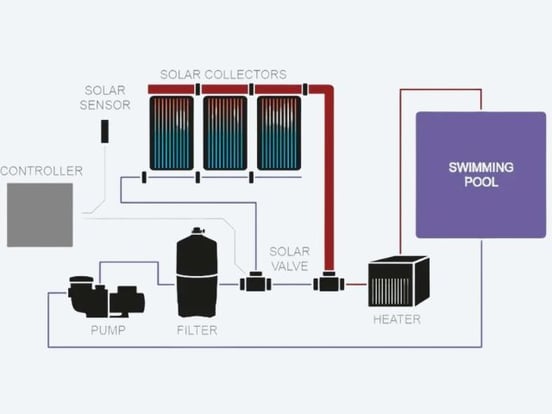
Solar pool heating systems use your existing pool pump to move water through solar collectors, typically installed on your roof. Instead of burning fuel to create heat, they transfer the sun’s energy directly into your pool water, something Los Angeles is well‑suited for, with more than 280 sunny days per year.
Here’s the basic sequence:
When the system is designed correctly for your roof, pool, and usage, it can provide consistent, “free” heat during our long LA shoulder seasons. When it’s not, it often becomes a nice supplement, but not the primary driver of comfort.
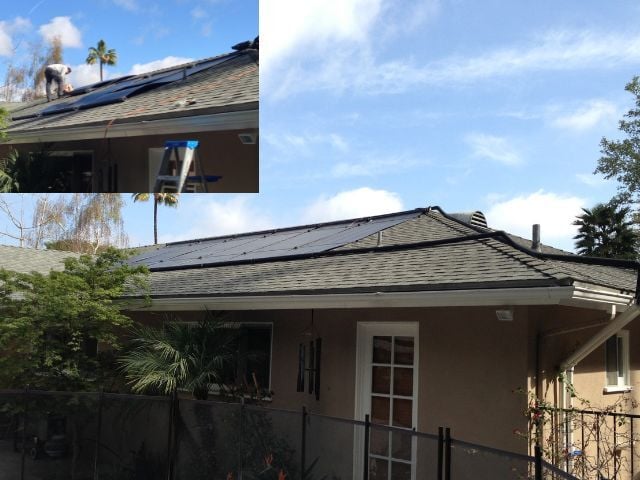
Solar performance is never identical from one property to another. It depends on a combination of factors we evaluate during design or remodel planning.
Solar systems are typically sized at 80–120% of your pool’s surface area, not by total gallons, because heat is lost at the surface.
During a design consultation, we look at how often you swim, what temperatures you consider comfortable, and whether solar alone can realistically meet those expectations, or if it should be paired with a gas or electric heat pump for on‑demand comfort.
![Copy of [TEMPLATE] Vertical Blog Visual](https://www.jdesigns.com/hs-fs/hubfs/Blog%20-%20Visual%20Assets/Solar%20Heating%20Blog/Copy%20of%20%5BTEMPLATE%5D%20Vertical%20Blog%20Visual.jpg?width=188&height=251&name=Copy%20of%20%5BTEMPLATE%5D%20Vertical%20Blog%20Visual.jpg) Southern California’s consistent sunshine is a major advantage, but how your roof “sees” the sun matters:
Southern California’s consistent sunshine is a major advantage, but how your roof “sees” the sun matters:
As pool designers, we’re not just checking whether solar can fit on the roof; we’re checking where it can be placed to perform well without compromising the architecture or future outdoor‑living plans.
Water must move through the collectors at the right speed to transfer heat efficiently. Performance is influenced by:
Poor hydraulic design can leave panels partially filled, reduce heat transfer, and strain your equipment. When we design or remodel a pool, we look at the entire plumbing system, not just how to “add panels” to what’s already there.
Even the best solar system has to compete with one major source of heat loss: evaporation. Certain design features increase that loss:
Pools with: Vanishing - infinity edges, waterfalls, sheers, and spillways tend to lose heat faster, especially when those features run for long periods.
A properly used pool cover can dramatically improve performance by:
When we design or remodel a pool, we factor in both how you want the water to look and sound, and how that will affect long‑term heating performance and operating costs.
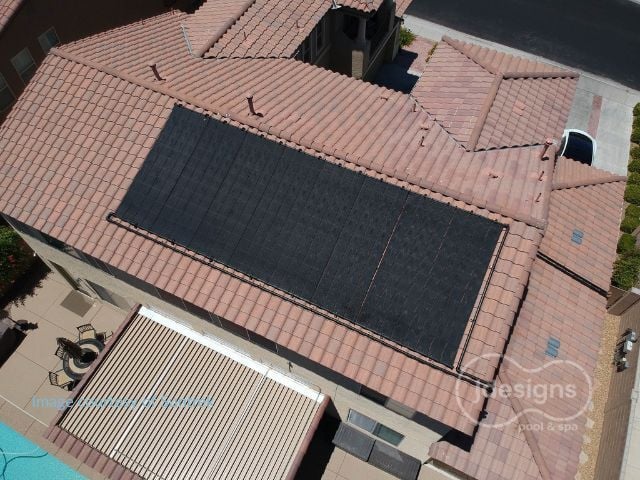
Sizing is where solar pool heating either becomes a genuine season extender or just a mild assist on the warmest days. In Los Angeles, getting this right is critical if you want predictable comfort rather than “some days it helps, some days it doesn’t.”
When a system is properly sized for an LA backyard, solar pool heating can:
Because our winters are relatively mild compared to the rest of the country, well‑designed systems in Los Angeles often perform better than national averages. That’s why we treat sizing as a design decision, not a guess.
An undersized solar system will still “do something,” but it rarely matches what homeowners picture when they think of a comfortably heated pool.
An undersized system often:
If you’re mainly curious about reducing the chill in shoulder seasons and don’t mind variability, a smaller or supplemental system may still be useful background to consider.
If you’re expecting a reliably warm, resort‑style pool for family, guests, or regular exercise, professional sizing becomes non‑negotiable. Our goal in design is to align:
You know up front whether solar can realistically be your primary heating strategy, or whether it should be part of a hybrid plan with a gas heater or heat pump.
Not all solar collectors are engineered the same, and that matters when you’re putting equipment on your roof in Los Angeles. Modern high‑performance systems are designed for three things:
When we evaluate solar for a project, these are the details we look at behind the scenes.
Most premium systems use UV‑stabilized polymer panels specifically formulated to live on a roof and work with pool water, day after day. They’re designed to:
Within each panel, thousands of small internal channels increase contact between the water and the heated surface. More contact area means more efficient heat transfer from Los Angeles sunlight into your pool, without adding more roof space.
For homeowners, the takeaway is simple: better materials and internal design usually translate into a longer‑lasting system, more consistent comfort, and a larger return on your investment.
The larger pipes at the top and bottom of each panel, the headers, are responsible for distributing water evenly across the entire collector surface.
Higher‑quality collectors use reinforced header pipes that:
Stronger header construction reduces long‑term leak risk and helps maintain performance as the system ages. This is part of what separates a short‑term “add‑on” from a system that can realistically stay on your roof for 15–20+ years.
How the panels are attached to your roof is just as important as the panels themselves, especially in Southern California. A well‑designed mounting system is engineered to:
Proper attachment is critical for both long‑term performance and roof protection.
From our perspective as pool and outdoor‑living designers, solar should feel integrated with the architecture, not as an afterthought bolted onto the roof. When we recommend solar, it’s because the panel technology, headers, and mounting approach all support a solution that is durable, efficient, and respectful of your home.
Modern solar pool heating systems don’t rely solely on timers. They use digital controllers and temperature sensors, so the system only runs when it can actually add heat to your pool.
In a typical Los Angeles setup:
That means:
For homeowners, the benefit is a largely hands‑off experience: once the controller is programmed correctly, the system turns itself on and off in the background, supporting your overall heating strategy without constant adjustment.
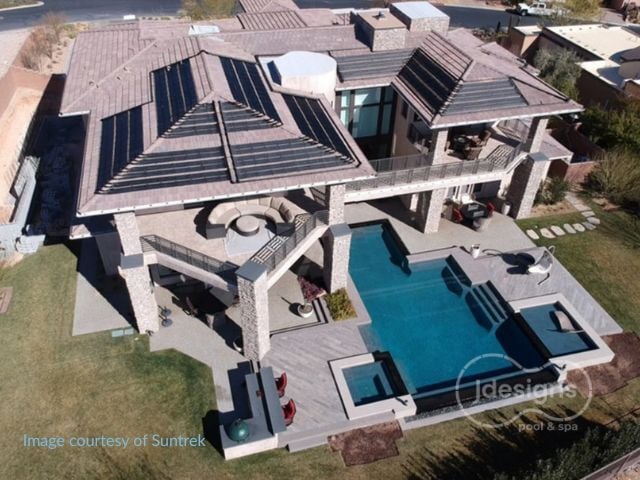
When solar pool heating and rooftop PV are planned together, they can share roof space and both perform well. The key is treating them as a single layout exercise, not two separate add‑ons.
With thoughtful design, both systems can operate efficiently without interfering with one another. We look closely at:
On many Los Angeles homes, there is enough usable roof area to support both a PV system and a properly sized solar pool heating system when the layout is engineered from a whole‑house perspective rather than pieced together over time.
Each system supports a different part of your home’s energy picture:
When they’re planned together, they can:
For homeowners planning future‑focused upgrades, integrating both technologies into a single, coordinated design can create a more resilient property, one where the pool experience, roof layout, and overall energy strategy are aligned instead of competing for space.
Solar pool heating is generally very reliable, but no system is completely maintenance‑free. Understanding where issues can occur helps set realistic expectations and highlights why design and installation quality matter.
Over time, certain connection points can wear or loosen, especially on older systems or those installed without attention to detail. The most common locations are:
Rubber couplings, fittings, and seals can degrade over time due to age, UV exposure, and movement. The good news is that proper design and installation dramatically reduce leak risk by:
Pro Tip: We specify in our plans the use of Schedule 80 thicker pipe and fittings that ensure UV resistance and add extra protection to the system.
Solar controls rely on small roof and water sensors to “tell” the system when to run. If those sensors fail or stop reading accurately:
The sensors themselves are typically inexpensive and simple to replace. However, the way they’re wired and protected makes a big difference in how long they last.
Well‑designed systems also pay attention to the conduits and wiring paths that serve these sensors:
Poorly planned wiring and conduit are a common hidden cause of sensor failures and intermittent control issues. In our projects, we treat the electrical layout for sensors and controls with the same care as the plumbing, so the automation that makes the system “smart” stays reliable over the long term.
Solar pool heating depends on water moving through the collectors at the right speed and in the right pattern. When the hydraulics are not designed correctly, you can see:
These are fewer “equipment problems” and more design problems. Proper hydraulic design, pipe sizing, routing, elevation changes, and pump selection prevent most flow‑related issues and protect both the solar system and the main pool equipment from unnecessary strain.
In Southern California, solar collectors must withstand Santa Ana winds and seasonal storms without shifting or pulling on the roof. If they’re not secured properly, high winds can:
High‑quality mounting systems are engineered for long‑term stability, with hardware, spacing, and attachment methods selected for local wind loads and roof types.
In practice, most serious wind or storm problems trace back to poor installation, not the solar technology itself. When collectors are mounted correctly and integrated with the roof structure, they should remain stable and serviceable for many years, even through occasional LA wind events.

California’s continued shift away from fossil fuels, driven in part by updated Title 24 energy standards, is changing how homeowners think about long‑term heating options. Gas heaters are still available, but:
In this environment, solar pool heating stands out because it offers:
For homeowners thinking beyond one or two seasons, solar pool heating can be an attractive way to align their backyard with California’s evolving energy landscape.
In a city like Los Angeles, where pools, energy costs, and building standards are all evolving at the same time, the difference between “some extra warmth” and a truly efficient solar pool-heating system comes down to design, hydraulics, and disciplined installation. When those pieces are done right the first time, you not only enjoy a longer swim season, you also protect your roof, your equipment, and your long‑term operating costs.
Schedule a consultation, and make your decision with clarity and confidence, backed by an LA‑based solar and pool design team that’s been doing this since 2007.

 JC Escudero: Oct 1, 2026
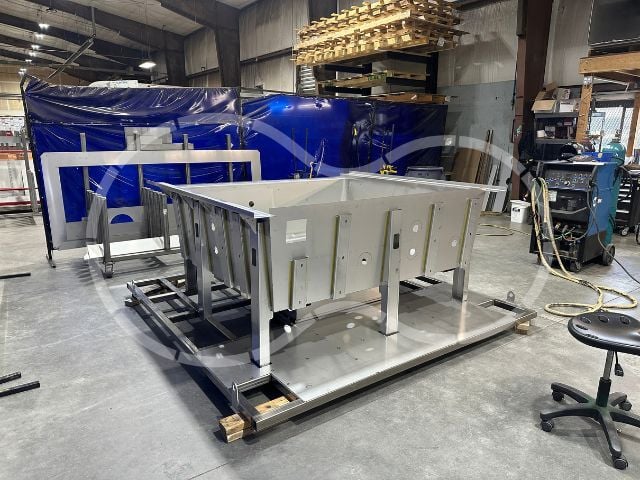
When most homeowners picture a swimming pool, they probably picture a concrete or shotcrete structure built into the ground.
 JC Escudero: Sep 26, 2026
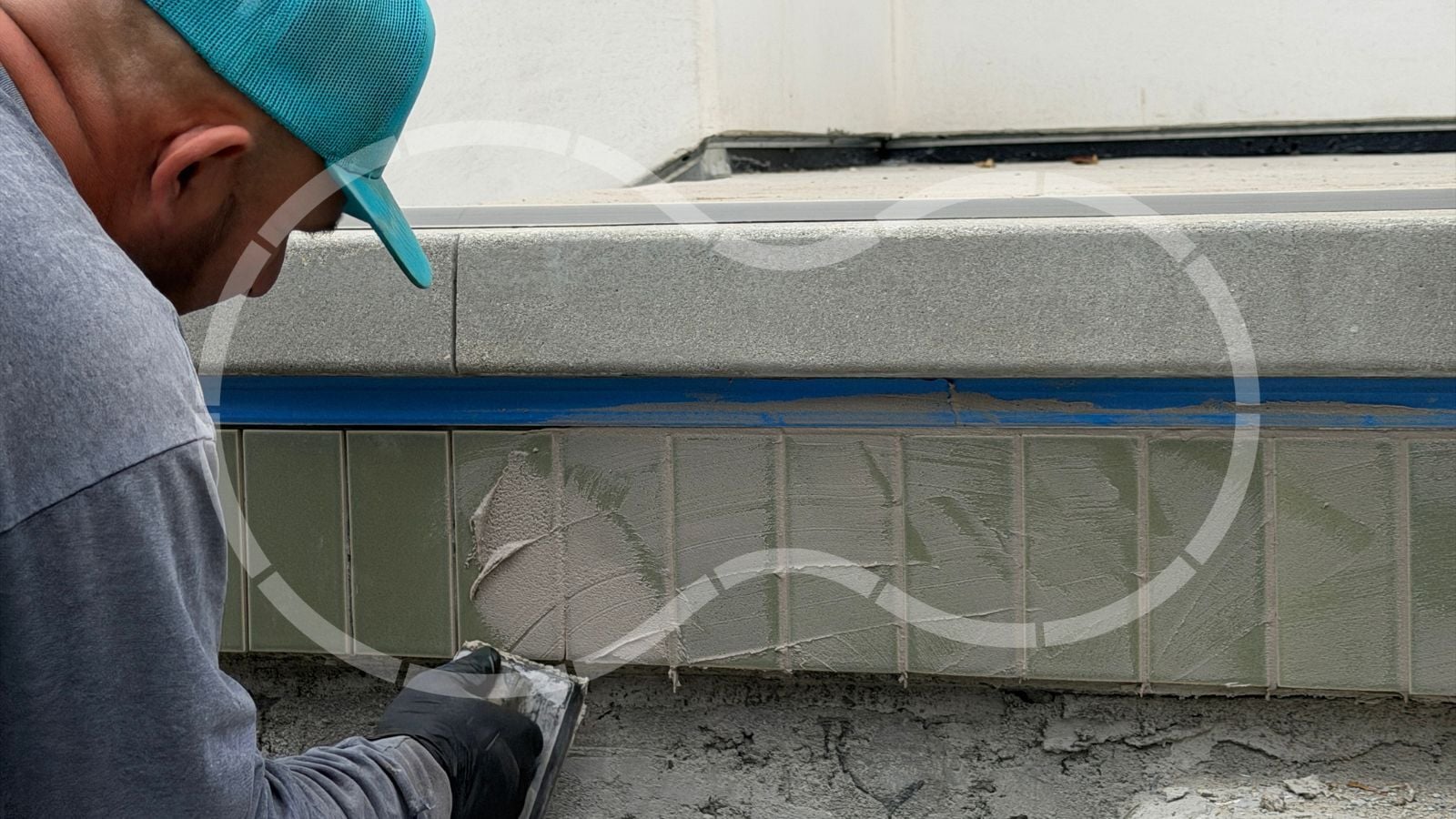
When most homeowners choose tile for a swimming pool, they naturally focus on the tile itself: the color, shape, texture, and overall design, because...
 JC Escudero: Sep 23, 2026
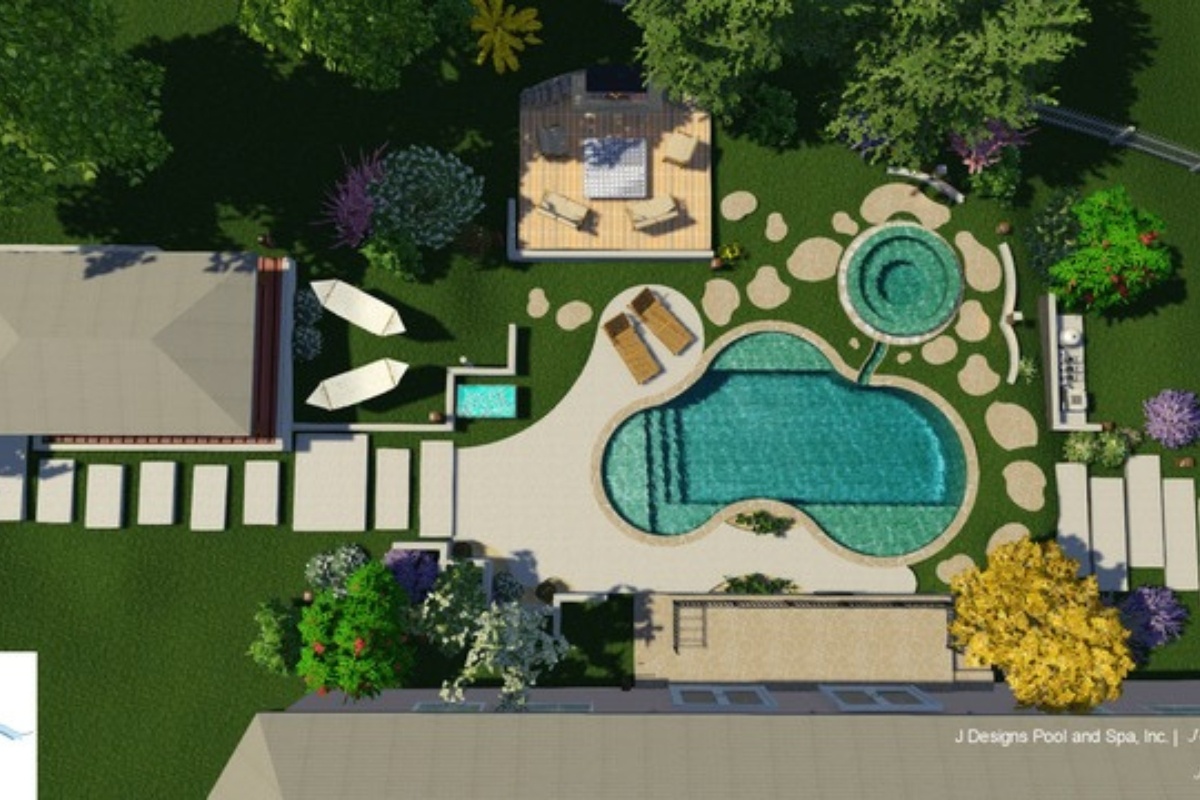
Planning a custom pool involves dozens of decisions about shape, depth, materials, and features. Get one wrong, and you could face expensive rework...
 JC Escudero : Feb 22, 2026
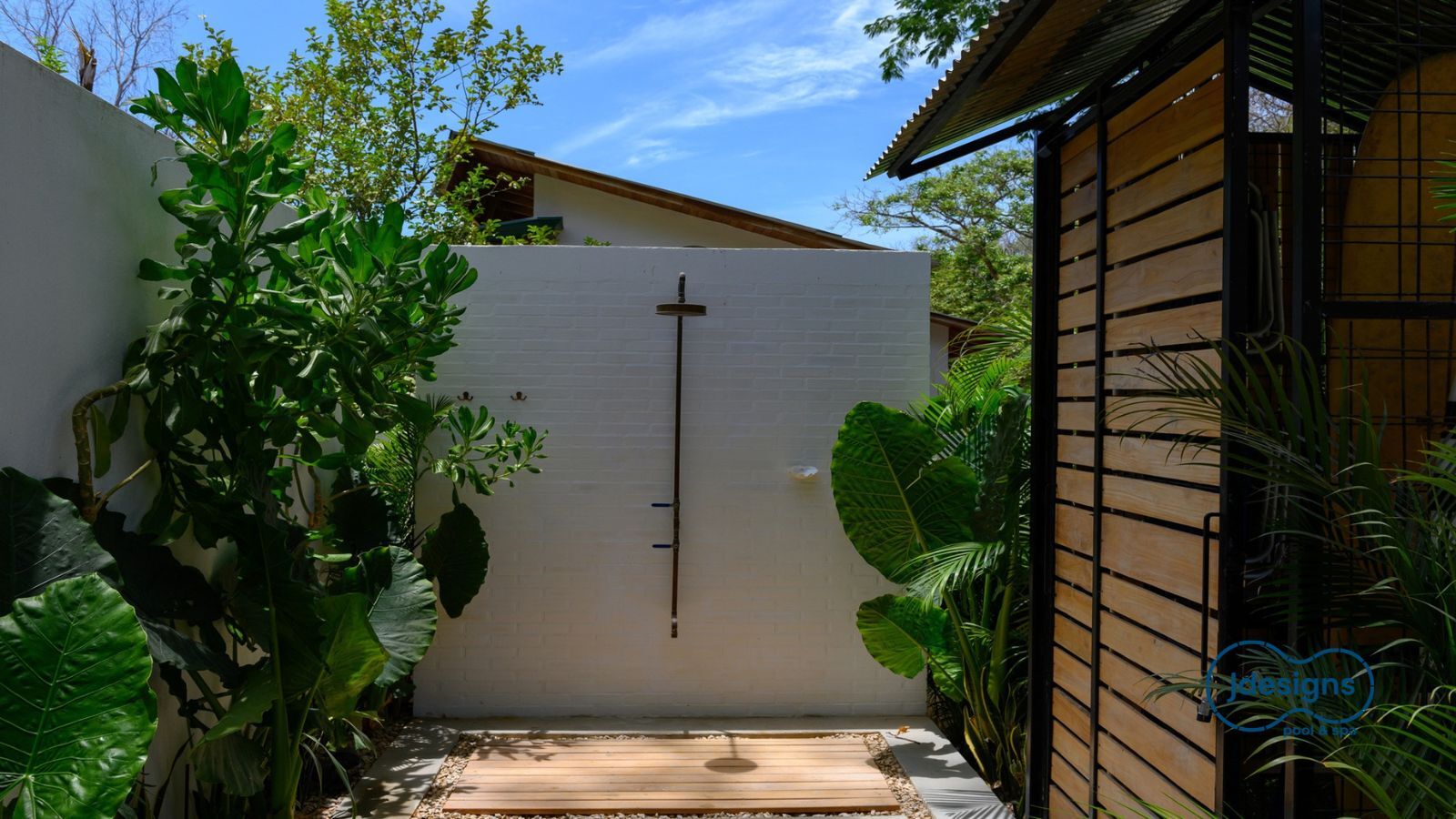
Discover how outdoor showers have become a must-have luxury for pools, and learn which design, placement, features are best for your backyard pool in...
 Daniela Escudero : Sep 8, 2022
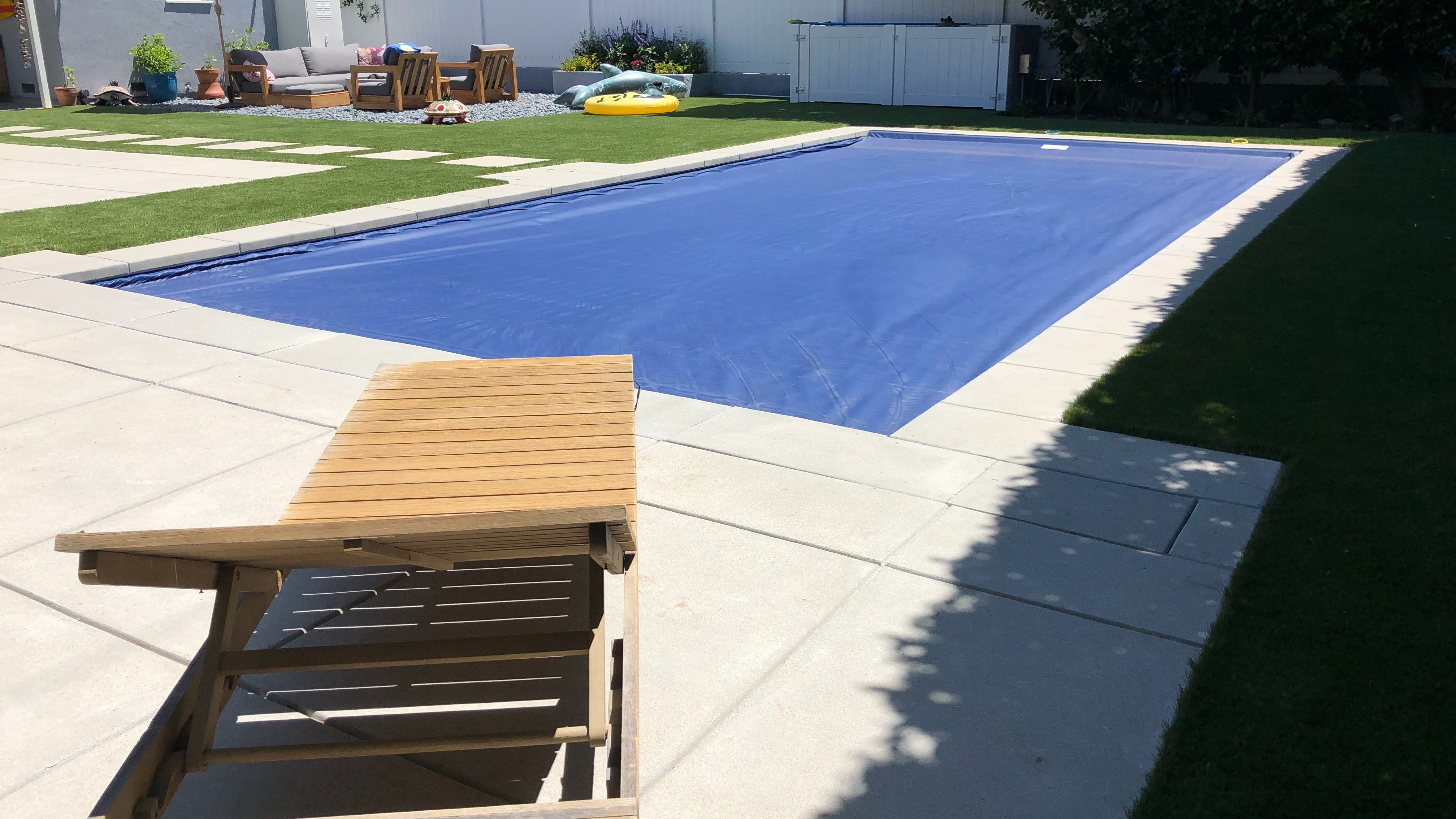
Discover the pros and cons of different pool covers: solar, vinyl, mesh, and automatic options. Find the right cover for your pool.
 JC Escudero : Jan 3, 2026
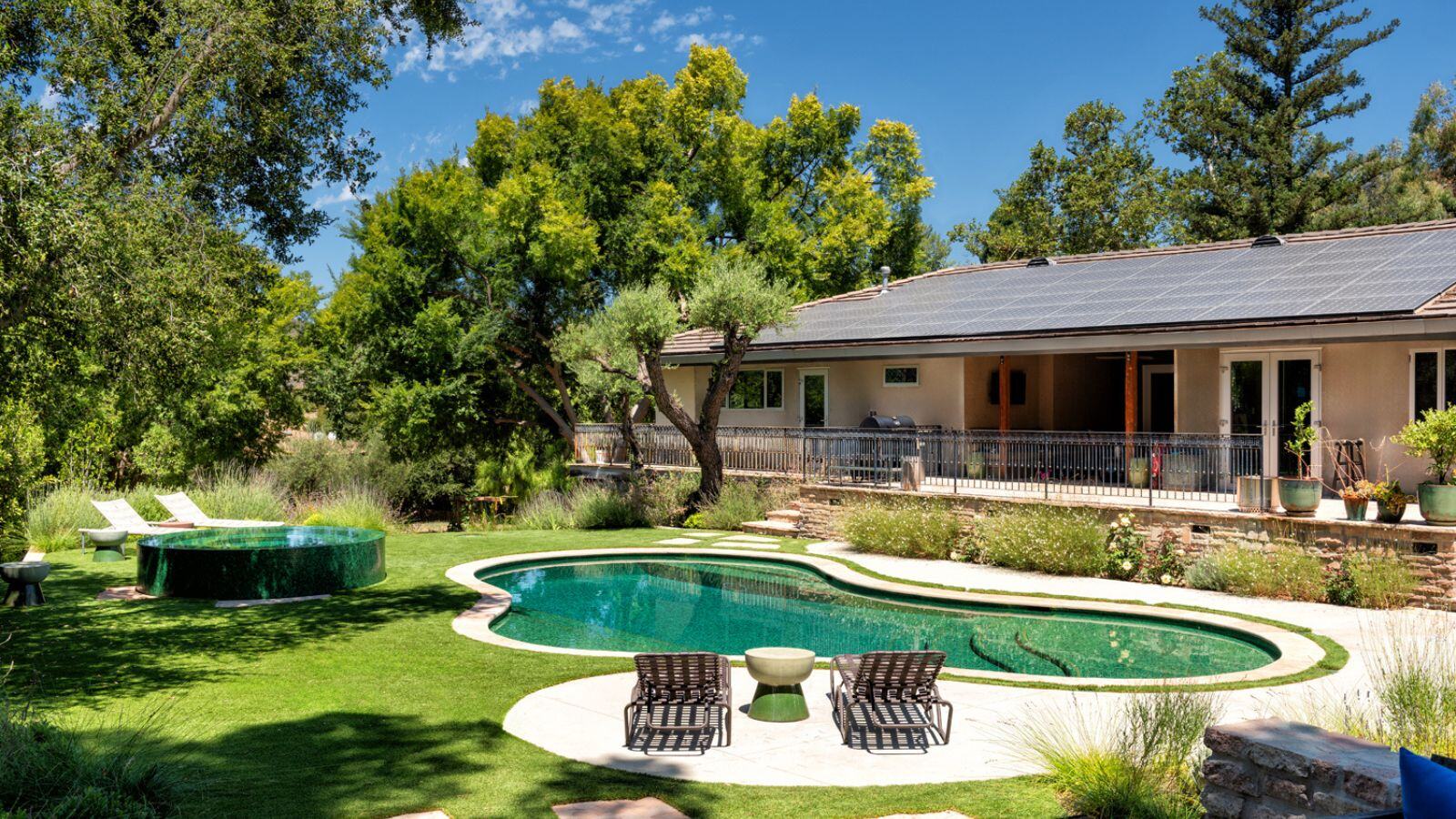
Discover the top 2026 pool design trends, from shapes and colors to fire pits, acrylic windows, and smart tech. Get inspired to build your dream pool.