4 min read
From Old to Bold: Transforming Your Los Angeles Pool’s Shape
JC Escudero : Updated on March 31, 2026
Remodeling Your Los Angeles Pool: The Perfect Time to Change Its Shape
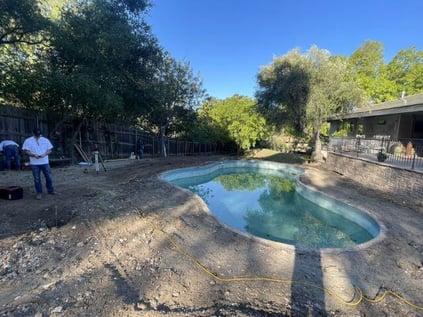
Swimming pools have come a long way from the deep, oversized designs of the past. Today, Los Angeles homeowners have endless options regarding pool shapes, sizes, and sleek features. If you're already planning a renovation, it's the perfect opportunity to rethink your pool's layout and make it more functional, stylish, and efficient.
Why Consider Changing Your Pool’s Shape?

One of the biggest concerns pool owners face with older designs is their massive water capacity, especially amid ongoing drought concerns and water-use restrictions, not to mention rising utility costs. Large pools are challenging to maintain, requiring excessive chemicals, energy, and time. In summer, the cost of keeping them clean and balanced skyrockets. Plus, heating a big pool can be nearly impossible without a major investment.
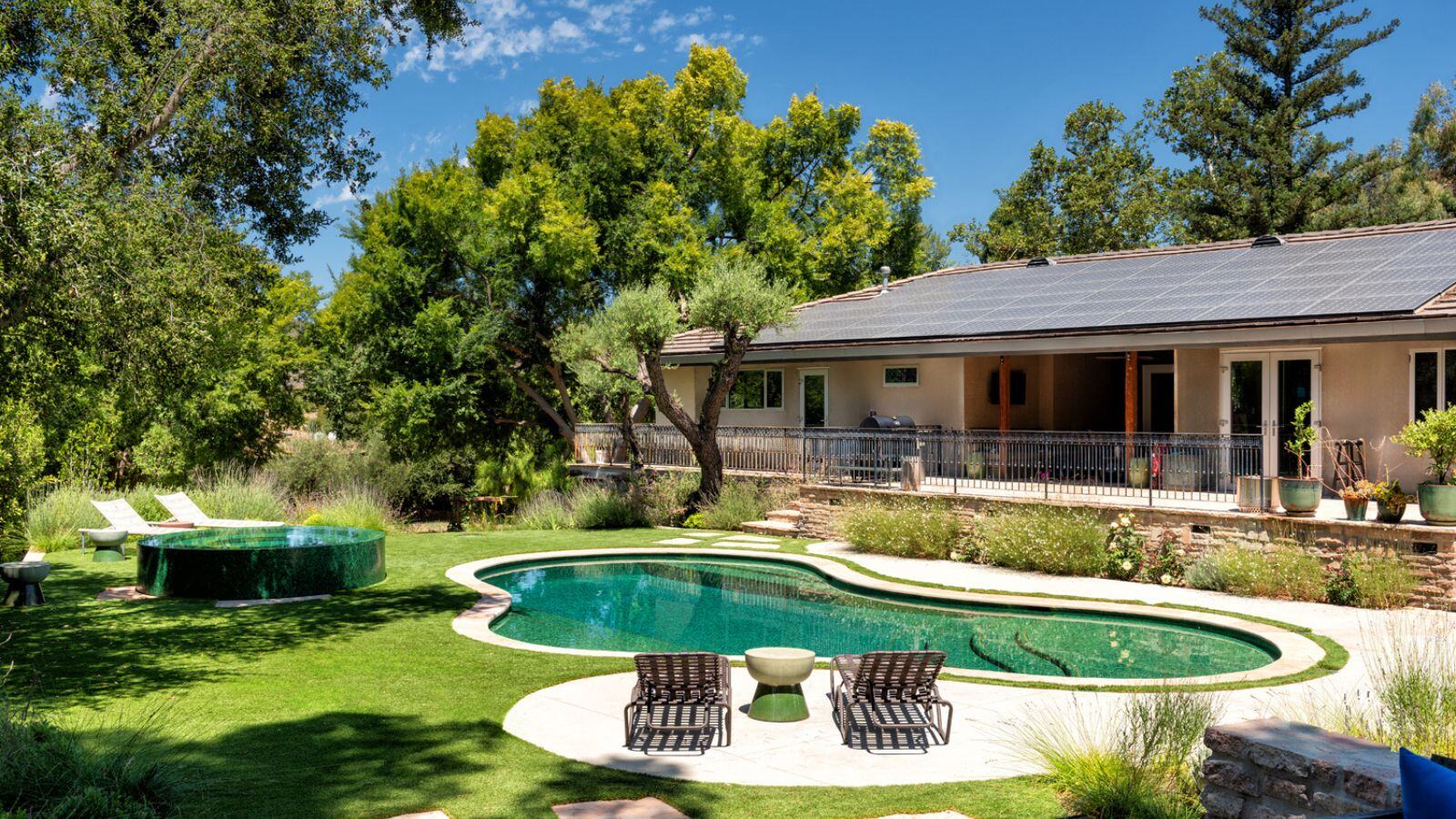
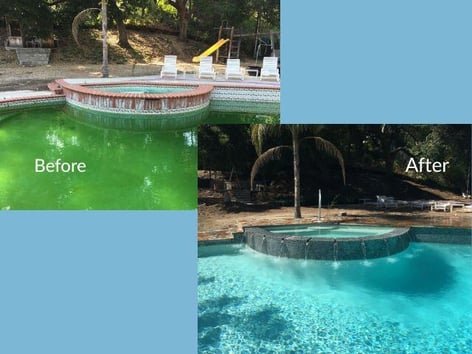
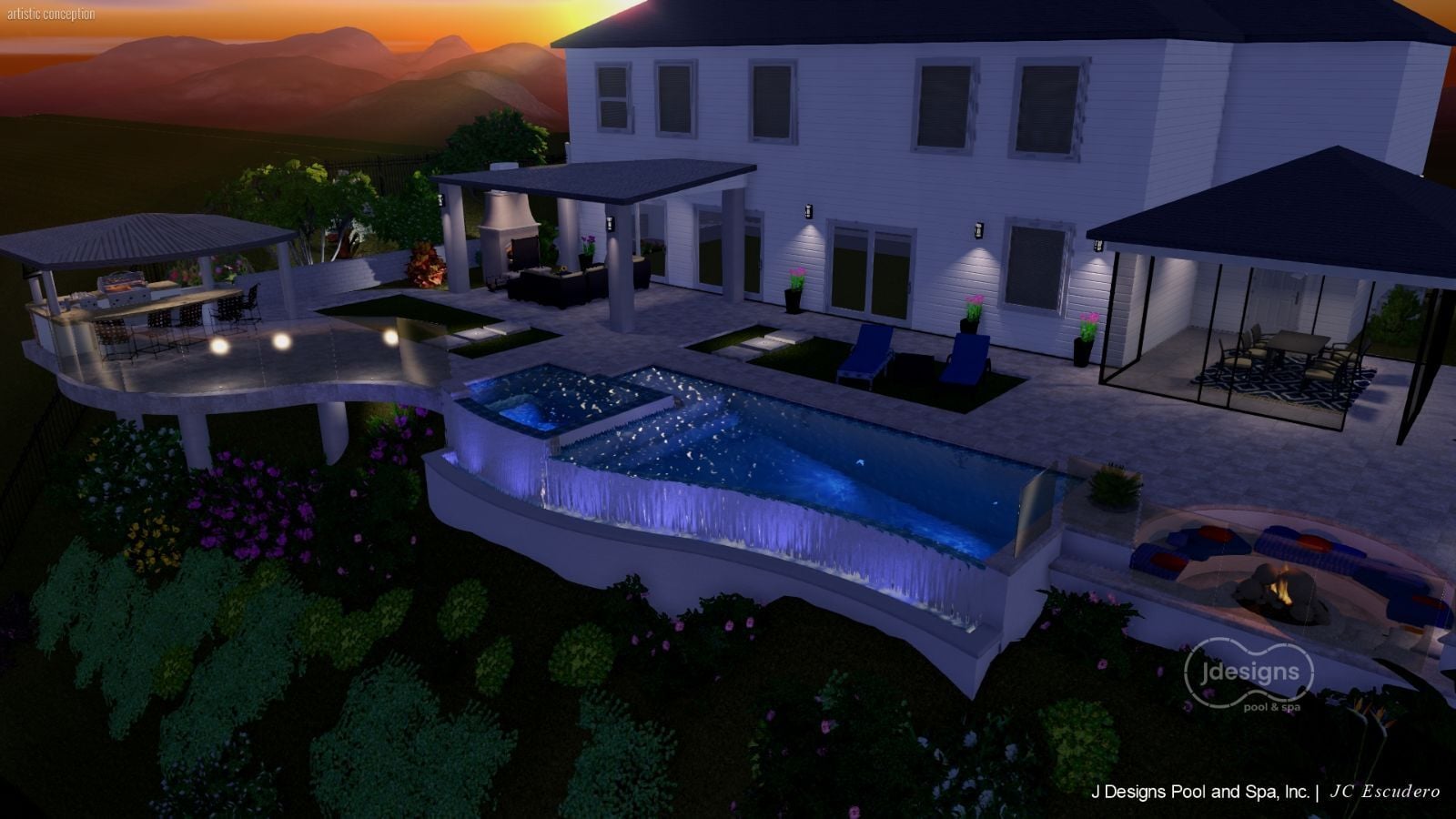
Reshaping your pool can address these issues while improving its aesthetic and functionality. Whether you want to downsize for easier maintenance, add a spa, or completely redesign your backyard oasis, the possibilities are endless.
Options for Reshaping Your LA Pool

-
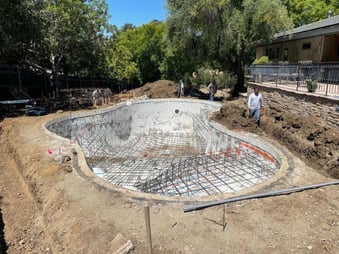
Raising the Floor – By making your pool shallower, you reduce water volume, making it easier to heat and maintain. This is a great option if your pool is deeper than necessary.
-
Adding Walls to Reduce Size – If you want a smaller footprint, building a structural wall inside the existing pool can help reduce the swimming area without completely demolishing the old shell.
-
Building a New Pool Within the Existing One — For some renovations, it makes sense to construct a brand-new pool inside the old one, reusing parts of the existing structure to save money.
-
Incorporating a Spa – Many pool owners choose to add a spa, allowing them to enjoy their backyard year-round with warm, relaxing water.
-
Upgrading with New Features – A pool shape change is the perfect time to install new lighting, update plumbing and electrical systems, and bring the pool up to modern safety and efficiency standards.

-
Adding Baja Shelves and Lounge Areas or Enlarging Steps creates more functional areas within your pool, enhancing usability and comfort. These modifications allow for better relaxation spaces and improve access, making your pool more enjoyable for all ages.
-
Removing Outdated Diving Boards – Older diving boards may not meet today’s safety standards and could pose a liability risk. As part of the renovation, considering their removal or ensuring compliance with modern designated jumping areas can help enhance overall pool safety.
Structural and Soil Considerations
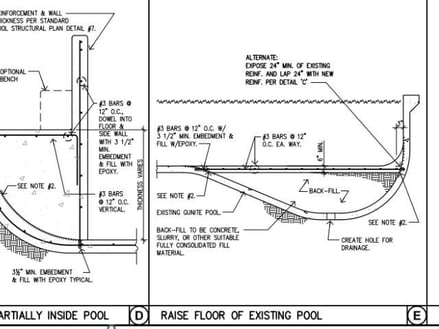
Plans courtesy of Pool Engineering, Inc.
Not all pools are good candidates for a shape change. For example, soil stability must be evaluated before making modifications if your pool is built on a hillside. A structural and soil engineer should be consulted to ensure that any changes won’t compromise the integrity of the pool or the surrounding land.
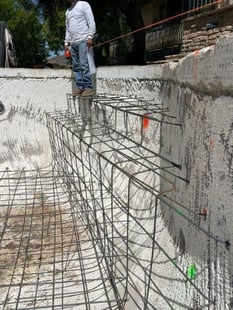
Steel serves as a pool's backbone, providing the concrete with the strength and flexibility necessary to support the weight of the water and the earth's pressure against the pool structure. In this regard, every detail and precise location specified in the engineer's plan for the new steel to overlap with the old steel is essential to ensuring the integrity of both structures as they become one.
Proper Concrete Application Matters
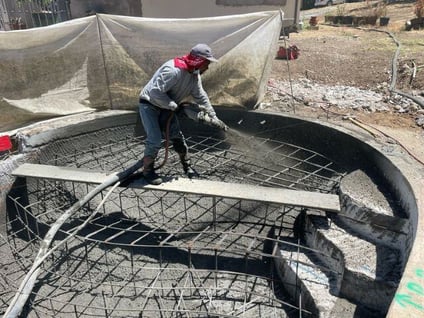
Proper concrete guidelines and shotcrete application methods are crucial for a successful pool transformation. Using non-structural fill, like dirt & broken concrete, instead of the approved materials can lead to improper installation, weak bonding between the old and new concrete, and potential structural issues. A poor bond can create a cold joint, resulting in cracks that compromise the pool's watertight integrity. Only a licenced engineer can provide the approved techniques and materials for modifying the pool structure to prevent cold joints, leaks, and long-term damage.
Compliance with Updated Building Codes
![Copy of Copy of [TEMPLATE] Horizontal Blog Visual (1).jpg 15-23-54-939](https://www.jdesigns.com/hs-fs/hubfs/Copy%20of%20Copy%20of%20%5BTEMPLATE%5D%20Horizontal%20Blog%20Visual%20(1).jpg%2015-23-54-939.jpg?width=360&height=270&name=Copy%20of%20Copy%20of%20%5BTEMPLATE%5D%20Horizontal%20Blog%20Visual%20(1).jpg%2015-23-54-939.jpg)
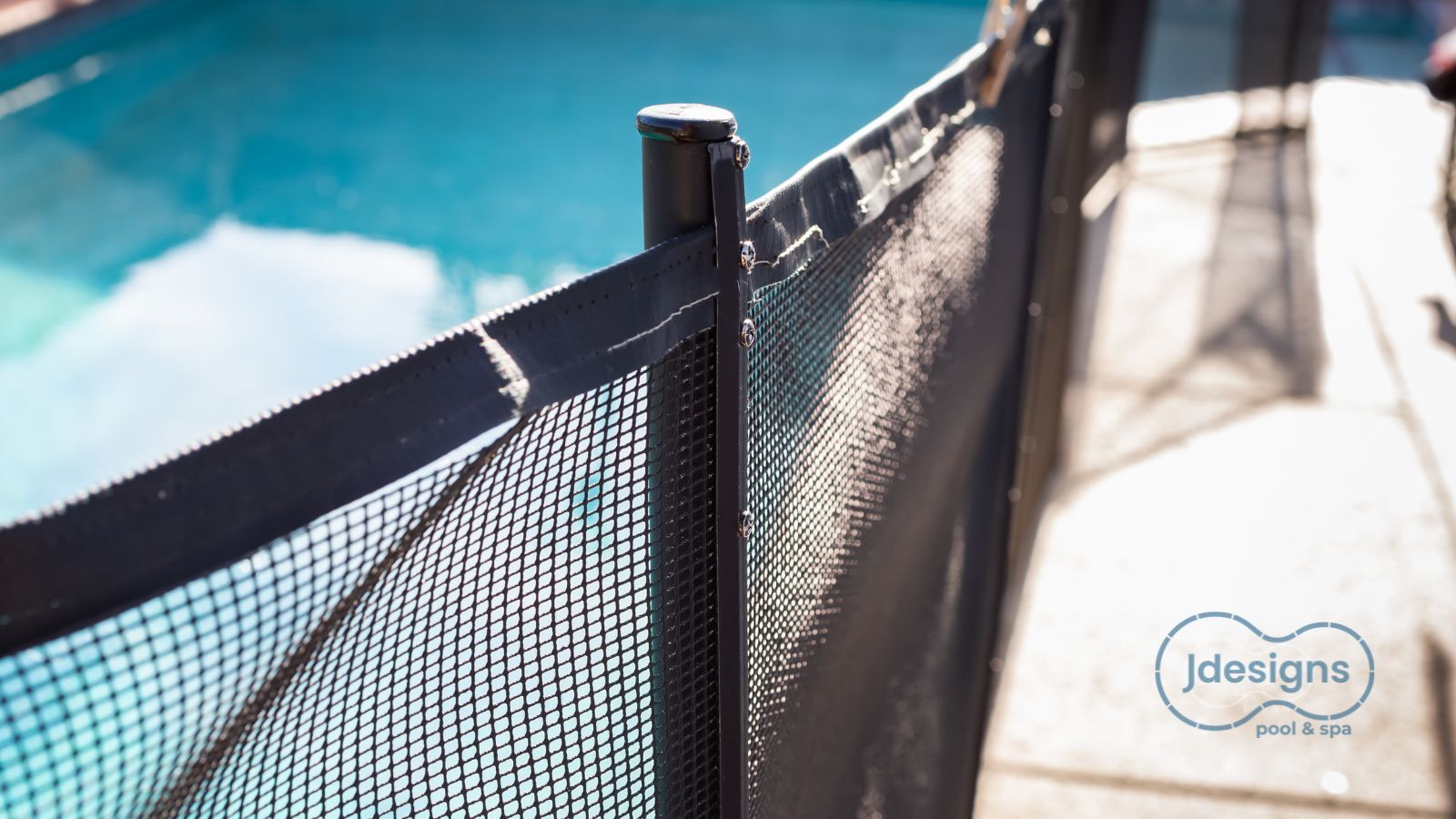
Due to newer city codes and ordinances, certain restrictions may apply when relocating pool equipment or adding new amenities. Renovations often trigger mandatory updates to bring all aspects of the pool up to code, including electrical systems, gas lines, and setback requirements. These regulations ensure safety and efficiency but can also impact project scope and costs. Working with professionals who understand these evolving codes is essential to ensure a smooth and compliant renovation.
Reshaping your pool during a renovation is an excellent way to improve functionality, reduce maintenance costs, and create a modern backyard space tailored to your needs. However, it’s crucial to follow expert recommendations to ensure the structural integrity of your pool and the surrounding area.

When is old too old
Often, we are in a bind, and we need to deliver the bad news to clients: Mr. Smith your pool has expired, and it's time to empty and remove the structure to make room for better, more FUN, efficient, up-to-modern building standards, not only for safety but also for longevity. But why?
The invisible fact: In some cases, the pool's concrete has suffered from water intrusion due to high water tables and deficient plaster-coat finishes that failed to protect the concrete shell. Over time, this condition has worsened, eroding the concrete that holds the structure together.
The visible fact: This second condition displays a noticeable deterioration in your pool floor, characterized by rust from the steel reinforcement bleeding through the concrete and appearing on the pool surfaces, mostly due to substandard construction practices.
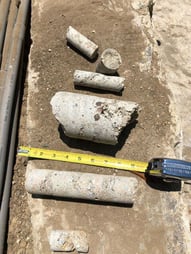
Additionally, the existing shell needs to be assessed. Core samples can determine whether the structure
(shotcrete shell) is strong enough to be modified. If major cracks, deterioration, or extensive wear and tear are found, it may be better to remove and rebuild it entirely.
Concrete compressive values come from the percentage of cement base (paste) mixed, which determines the structural strength and durability of the concrete your pool is made of. Another consideration is the effect of steel in corrosive conditions present in salt pools, which can lead to alarming deterioration that should deter anyone from using salt in pools unless they are designed to withstand the corrosive state.
If you're considering a pool transformation, now is the time to explore your options and work with experienced professionals to bring your vision to life. With the right approach, your newly constructed pool will offer enhanced enjoyment, efficiency, and long-term value. At J Designs, we have been reshaping pools since 2008 and have the expertise to guide you and redesign that old pool. Book a complimentary consultation with one of our designers by clicking the link below.
How Solar Pool Heating Works in Los Angeles (2026 Guide)
Warm Water, Lower Bills, and Smarter Long‑Term Planning If you enjoy using your pool well past Labor Day, you’ve probably wondered how to keep the...
Best and Worst Trees to Plant Near Your Pool
In Los Angeles, designing a true luxury pool environment is about far more than water and stone, it’s about creating a cohesive outdoor retreat that...