
4 min read

Pool Tile Cracks and Failure:  Causes, Risks, and Repair Options

Pool Tile Cracks and Failure: Causes, Risks, and Repair Options
Pool Tile Cracks and Failure:  Causes, Risks, and Repair Options
8:00

Are you wondering why your pool tiles are popping off? 

Is it just a minor cosmetic issue or a sign of something deeper?

Pool tiles that pop off, crack, or peel are rarely just surface problems. They’re often warning signs of poor installation, material failure, or even structural movement beneath the surface. If ignored or repaired incorrectly,  they can lead to water intrusion, bond beam cracking, and costly repairs.

In this article, you'll learn why pool tiles fail, how to spot early signs of damage, and why a licensed professional should always handle this job.

Top Reasons Pool Tiles Pop Off

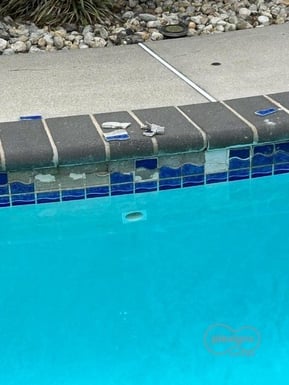
1. Poor Installation and AdhesionTile failure 2Vertical Blog Visual

The most common root cause of tile failure is improper installation. If the tile surface (substrate) isn’t thoroughly cleaned or the wrong adhesive is used, tiles will eventually loosen and fall off, right in front of your eyes.

Common errors include:

  • Failing to remove dust, grease, or construction debris before tiling

  • Skipping “back-buttering” (applying adhesive to both wall and tile)

  • Using adhesives and grouts that are not rated for constant water immersion


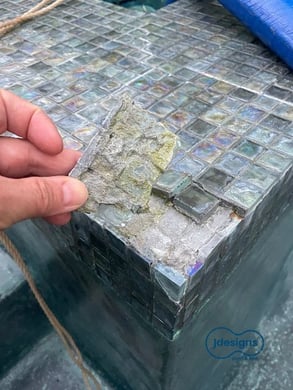
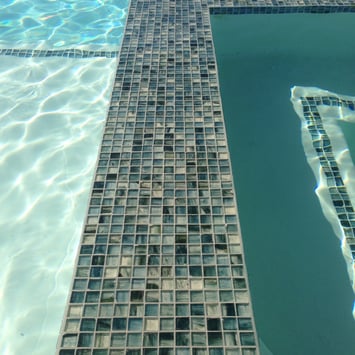
Tiles with mesh that dissolved under water

These shortcuts create weak bonds and hollow spots that allow water behind the tile, leading to failure over time.


2. Mesh-Backed Tiles in Submerged Areas

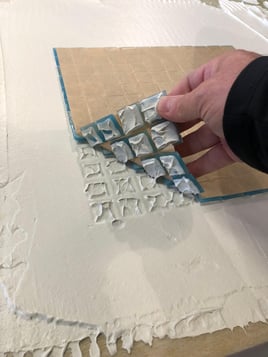
Mesh-backed mosaic tiles may be popular, but they’re not designed for submerged use.  Most cheap mesh materials dissolve underwater and perform poorly in the presence of pool chemicals.  In fact, if the manufacturer can't provide proof of the ANSI 137 certifications from the Tile Council of North America for the specific tile you choose, it means it's not approved for underwater installations.glass tile set - paper sheet

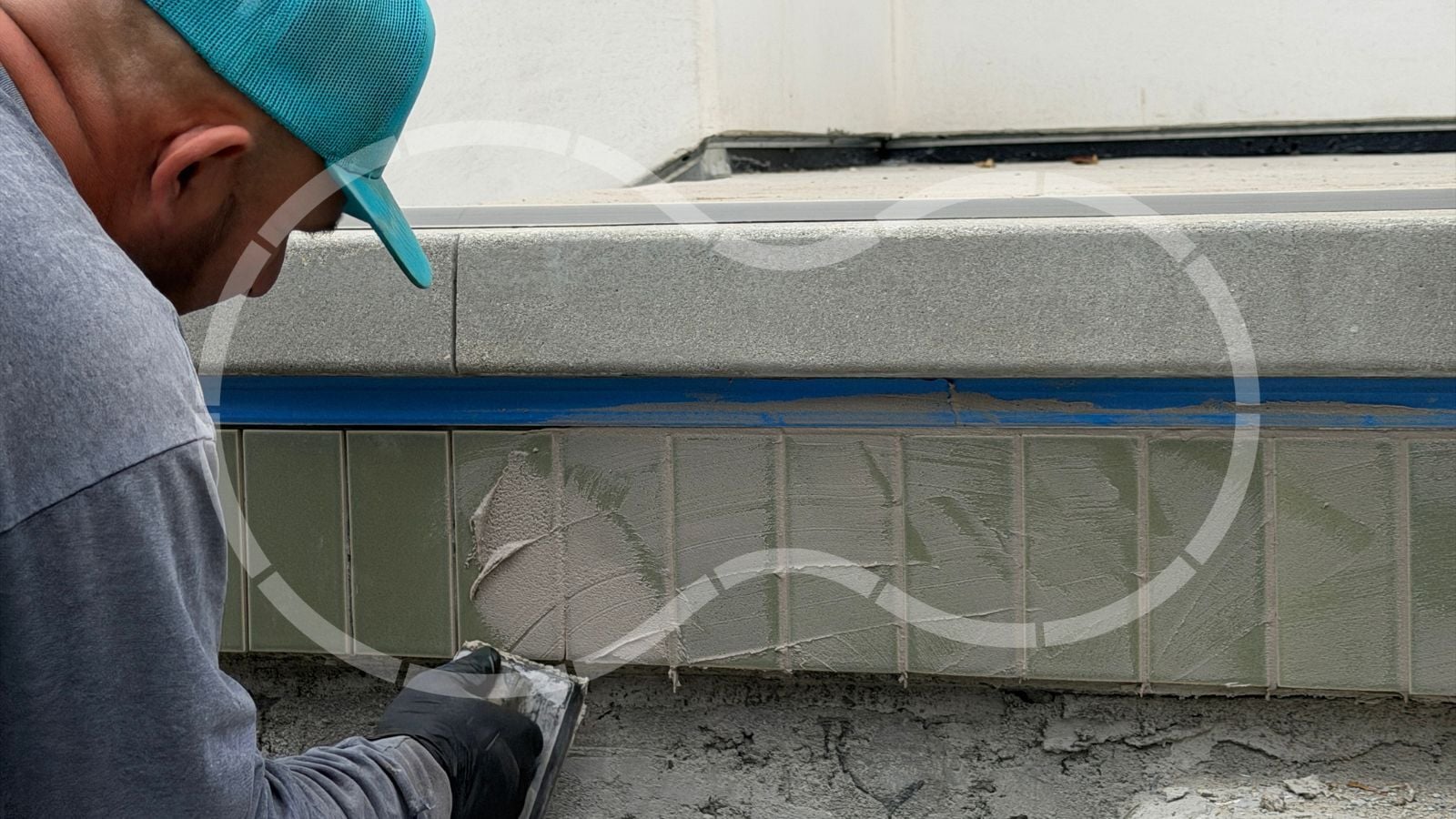
  • The mesh prevents full thin-set coverage. (95% of the tile surface coverage with the setting material is required for proper installation)

  • Tile installations fall short of the Tile Council of North America (TCNA) requirement of 95% mortar contact in wet environments.

  • Over time, the sheets detach in large sections, often as a single piece.

If mesh-backed mosaics were used in your pool’s waterline, the installation likely violates TCNA code and should be evaluated by a professional.

Tiles with 100% mortar - thinkset coverge

3. Structural Movement and Missing Expansion Joints

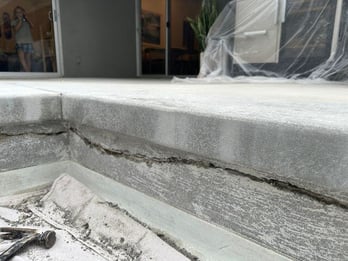
Pools are constantly under stress, from shifting soil, expanding decks, and temperature changes. Without a properly designed expansion joint between the coping and deck:

  • The pool deck pushes against the pool shell as it heats up

  • Tiles shear off in long horizontal lines

  • The bond beam (structural concrete under the tile) can crack

Once the bond beam (top of pool wall) is compromised, tile failure spreads rapidly, and repairs become more extensive.

4. Thermal Expansion and Ground Shifts

Tile failure 3 Blog Visual

Changes in temperature, including water temperature, cause the tile and shell to expand and contract.

  • Without room to flex, pressure builds behind the tile line, pushing out the most fragile component, "The Tile."

  • Substrate movement or cracking lifts tile rows off in chunks

  • Water behind the tile worsens the problem by dissolving and softening the adhesive

5. Freeze-Thaw Damage

(Yes, Even in LA)

Even small amounts of water trapped behind tile can freeze on cold nights.

  • Expanding ice pushes tiles off the wall

  • Repeated freeze-thaw cycles act like a jackhammer, widening cracks

  • The process breaks down both the adhesive and the concrete shell over time

The same piece of tile that is submerged is also exposed to the cold air and ambient conditions

6. Water Chemistry Imbalances

Imbalanced water conditions silently degrade adhesives, grout, and structural materials.

  • Low-calcium or acidic water pulls minerals from grout and concrete, dissolving those materials

  • The adhesive bond weakens as the thin-set mortar deteriorates

  • Grout erosion allows even more water intrusion into the structure

Maintaining balanced water chemistry isn’t just about swimmer comfort, it directly protects your tile, materials and the structure.


Why Pool Tile Repairs Should Never Be DIY

Pool tile failure isn’t a cosmetic issue, it’s always structural one.

While patching a few tiles may seem simple, DIY repairs often mask bigger problems and can lead to more expensive damage down the line.

Tile is Part of Your Pool’s Waterproof Barrier

  • Missing tiles allow water to penetrate and saturate the structure/bond beam

  • Over time, this leads to cracking, rebar rust, and concrete delamination

  • A proper repair must re-establish waterproofing, not just look good

Improper Fixes Hide the Real Problem

  • DIY fixes rarely address underlying expansion, movement, or substrate issues

  • Gluing a tile back without proper prep is a short-term cover-up

  • The problem usually comes back, faster and worse

Pools Handle Massive Loads

Your pool holds tens of thousands of pounds of water. Its structure, including the waterline tile, is engineered to manage pressure, movement, and chemical exposure.

Unqualified repairs can compromise this delicate system, turning a minor issue into a structural failure.

You May Void Warranties or Insurance Coverage

  • Many tile and thin-set manufacturers void warranties for improper repairs

  • Insurance may not cover damage from non-professional work, and even materials that are not for pool use

  • Hiring a licensed pro documents compliance and protects your long-term investment


What Happens If You Ignore Pool Tile Damage?

Expansion Joint 4 Horizontal Blog Visual

1. Structural Breakdown

Water intrusion leads to:

  • Bond beam (top of pool structure) cracking

  • Concrete rot or delamination

  • Rusting, expanding rebar behind the shell

Left alone, a small loose tile can turn into a full bond beam rebuild costing thousands.

2. Swimmer Safety Risks

  • Sharp tile edges cause cuts

  • Loose tiles on the floor are tripping hazards

What looks minor can become a real injury risk.

3. Water Chemistry and Sanitation Problems

  • Leaching minerals causes white, chalky deposits

  • Mold and algae grow in missing grout or porous surfaces

  • Harder to balance and clean water = more service calls and chemicals

4. Ballooning Costs

  • A $500 tile fix can escalate to a $10,000+ structural repair if ignored

  • Full waterline retiling is often needed once failure spreads


Is the Problem Structural? Look for These Signs

Tile failure 5 Blog Visual

Tile and Grout Red Flags

  • Horizontal cracks in tiles or grout

  • Large areas are detaching at once

  • Hollow or “drummy” sounds when tapped

  • Slow leaks - improper water level

Coping and Deck Movement

  • Loose or shifting coping stones

  • Missing or hardened expansion joints

  • The pool deck is rising or settling unevenly

Visible Structural Clues

  • Crumbling or soft concrete behind tiles

  • Rust stains = rebar corrosion

  • Vertical cracks running down from the waterline

Plumbing and Leak Clues

  • Ongoing water loss (beyond evaporation)

  • Cracks around skimmers, steps, or fittings

Any of these signs means the issue may extend beyond tile and requires professional evaluation.

When to Call a Licensed Pool Tile Expert

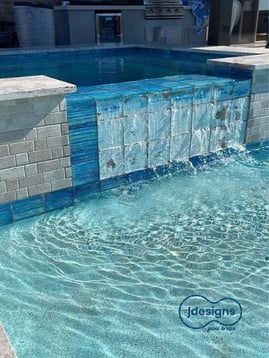
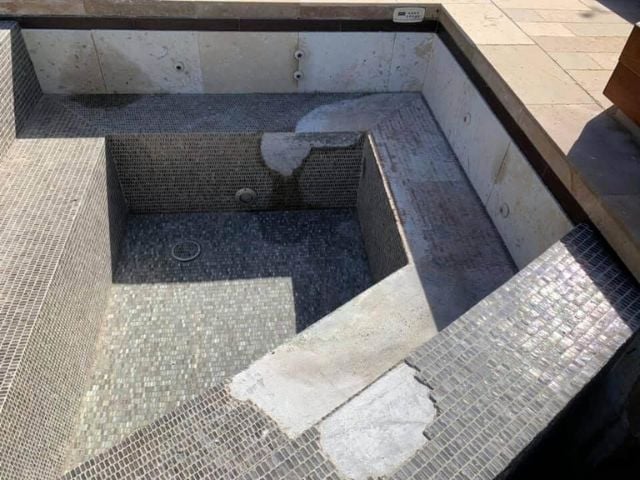
Spa spillway tiled-2

If you notice:

Widespread tile failure  Cracking at the bond beam   Deck shifting or falling tile lines   Persistent leaks or hollow tiles

It’s time to call in a licensed pool professional to inspect your project

Diagnose the root cause (not just surface symptoms)    Inspect the bond beam, shell, coping, and substrate   Recommend proper repair, whether it’s isolated or full retiling.


What Does It Cost?

  • Waterline tile repair: ~$35 - $50 per linear foot (labor + materials)

  • Structural repairs: Several thousand dollars,  depending on the extent

Don’t Patch It,  Protect It


Alternative_Sanitation_Ozone_Delamination

Most pool owners will encounter loose tiles at some point. But what you do next determines whether it’s a simple repair or a complete renovation.

Now that you understand the root causes of pool tile failure and the risks of DIY or delays, the next best step is to schedule a professional inspection.


From Quick Fixes to Long-Term Structural Protection

At J Designs Pool & Spa, we’ve helped homeowners protect and repair their pools since 2008. We specialize in:

  • Structural bond beam evaluation

  • Waterline tile reinstallation to TCNA standards

  • Long-term solutions, not just surface patches

  • Proper material selections

If you’ve noticed loose tiles, grout loss, or signs of more serious damage, contact us today to schedule your expert pool inspection. We’ll help you uncover what’s happening behind the scenes, and restore your pool with confidence and care.


Saltwater Pools: Myths, Problems & Smart Design Solutions

Saltwater Pools: Myths, Problems & Smart Design Solutions

Saltwater pools have become increasingly popular, and for good reason. Many homeowners like that the water feels softer on their skin, they don’t...

Read More
Pool Deck Pavers: Pros, Cons, Cost & What to Know Before You Commit

Pool Deck Pavers: Pros, Cons, Cost & What to Know Before You Commit

Imagine walking barefoot around your pool on a hot day. Is the surface cool, smooth, and safe? Or is it rough, slick, or already starting to crack?

Read More