
How 3D Pool Design Prevents Construction Mistakes
 JC Escudero: Sep 23, 2026
Planning a custom pool involves dozens of decisions about shape, depth, materials, and features. Get one wrong, and you could face expensive rework...
2 min read
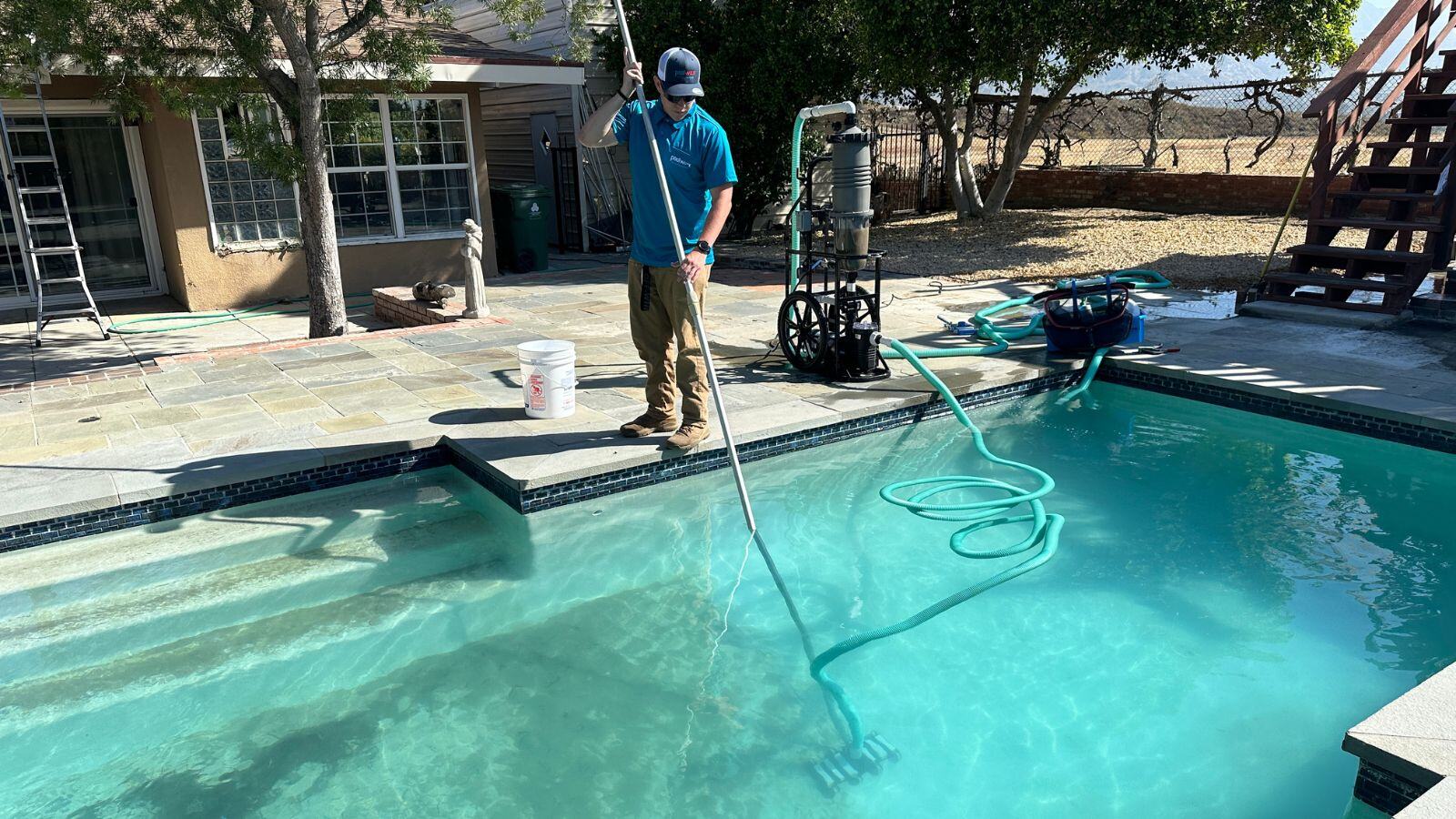
Pollen floats on the water's surface during springtime and is not easily oxidized (eliminated) by chlorine. Because it remains at the surface, it can be difficult to filter out, often accumulating along tile lines and inside skimmers. If left untreated, pollen can impact water quality and filtration efficiency in several ways:
.jpg?width=231&height=308&name=Pollen%20Vertical%20Blog%20Visual%20(1).jpg)
Consumes Sanitizer – Pollen is organic matter that depletes chlorine and other sanitizers, leading to lower levels and cloudy water.
Feeds Algae Growth – Pollen provides nutrients that encourage algae blooms, causing green or yellow-tinged water.
Clogs Filters – Tiny pollen particles can build up in filters and skimmers, reducing efficiency.
Harbors Microorganisms – Pollen can be a breeding ground for bacteria and other contaminants.
Causes Staining and Scum Lines – Pollen can mix with dirt and oils, creating scum buildup along the waterline.
.jpg?width=431&height=323&name=Pollen%20Horizontal%20Blog%20Visual%20(1).jpg)
Managing pollen effectively requires physical removal and optimized circulation and filtration. Follow these steps to have POLLEN-FREE WATER:
Use a fine-mesh skimmer to remove as much pollen as possible manually. This works best in the early morning before the wind spreads pollen across the water.
.jpg?width=195&height=260&name=Pollen%20Vertical%20Blog%20Visual%20(3).jpg)
Add a pool clarifier to help coagulate the tiny pollen particles, making them easier for your filter to capture. A weekly treatment during peak pollen season can significantly improve water clarity.
Increase filtration time to at least 10–12 hours per day to keep water circulating and push pollen into the skimmer and filter system.
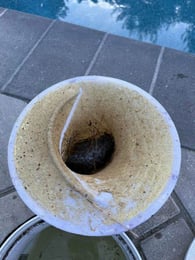
A scum sock or fine-mesh filter in the skimmer basket helps trap pollen before it reaches the pool pump and filter.
Regularly clean cartridge filters or backwash sand/DE filters to maintain efficiency. If pollen buildup is excessive, deep clean the filter.
If pollen has led to cloudy water or algae growth, shock the pool with a chlorine or non-chlorine shock treatment to break down organic matter.
Pool enzyme treatments help break down non-living organic contaminants like pollen, reducing strain on chlorine and improving water clarity.
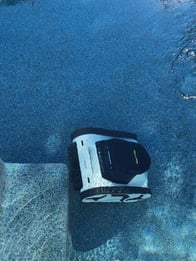
A solar cover or automatic pool cover minimizes pollen entry, reducing the need for frequent cleaning.
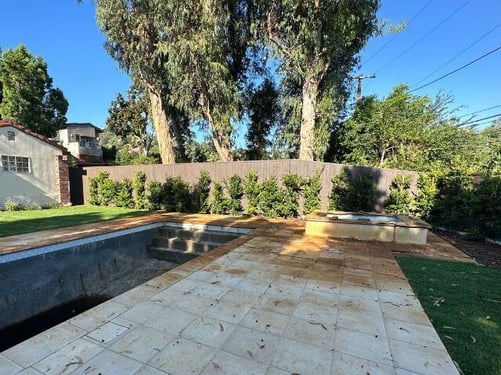
Properties with many trees can experience excessive pollen buildup, affecting water quality and staining pool surfaces, hardscapes, decks, tiles, and patios. Some materials, like certain sealed stones or composites, are more resilient and can be cleaned with aggressive solutions. However, common materials such as concrete, clay tiles, brick, and plaster are more porous and prone to staining. Pollen can create unsightly discoloration and stubborn stains that require specialized cleaning treatments if not regularly cleaned.
Effective pool maintenance depends on three key factors: circulation, filtration, and chemistry. Ensuring your pool has proper water movement and a clean filtration system is essential to removing pollen and other fine debris like ash or dust. By staying ahead of pollen buildup, you can keep your pool water clean, balanced, and crystal clear all season long.
Stay proactive—regular maintenance is essential for a hassle-free pool! Our partners at PoolWerx provide complimentary pool inspections; click this link to schedule an appointment and ensure your pool passes a health check.

 JC Escudero: Sep 23, 2026
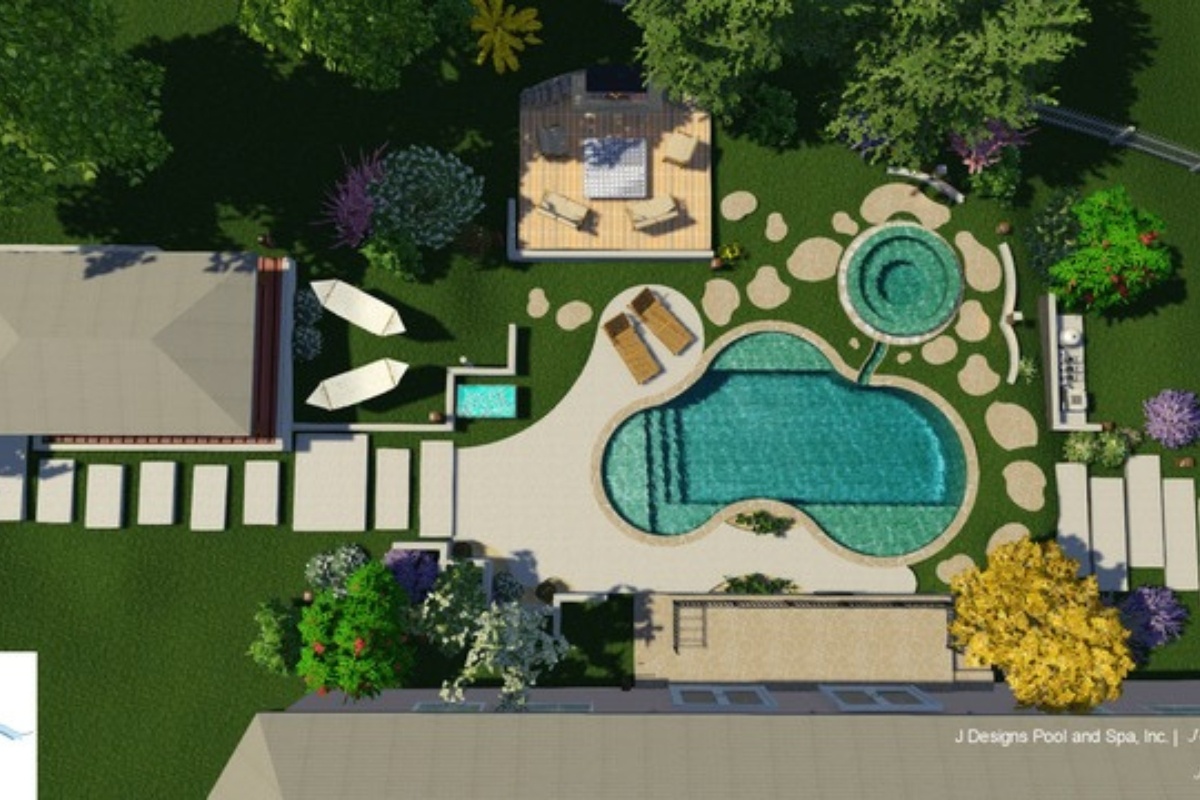
Planning a custom pool involves dozens of decisions about shape, depth, materials, and features. Get one wrong, and you could face expensive rework...
 JC Escudero: Sep 19, 2026
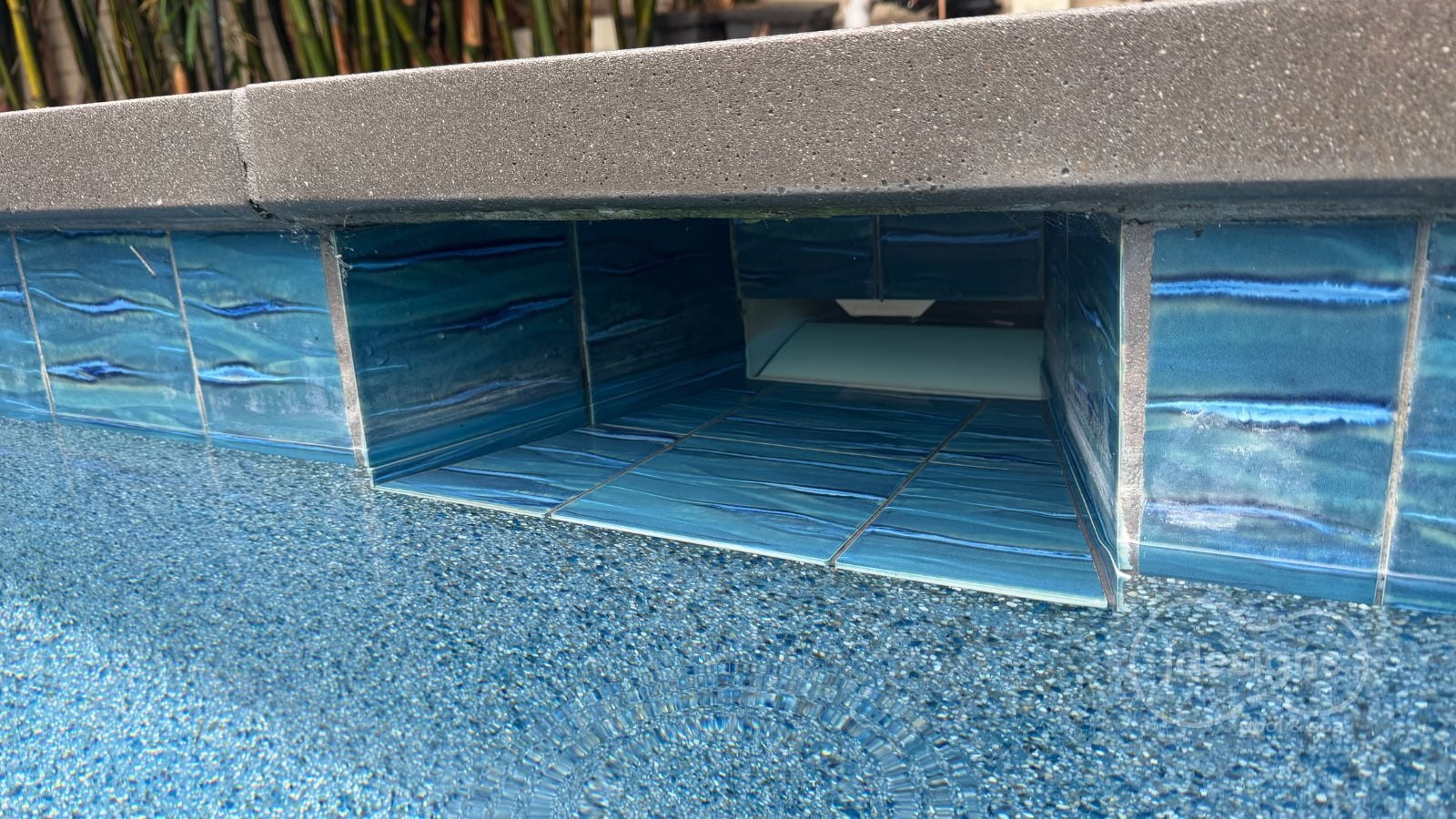
Your pool's circulation doesn't simply begin at the pump.
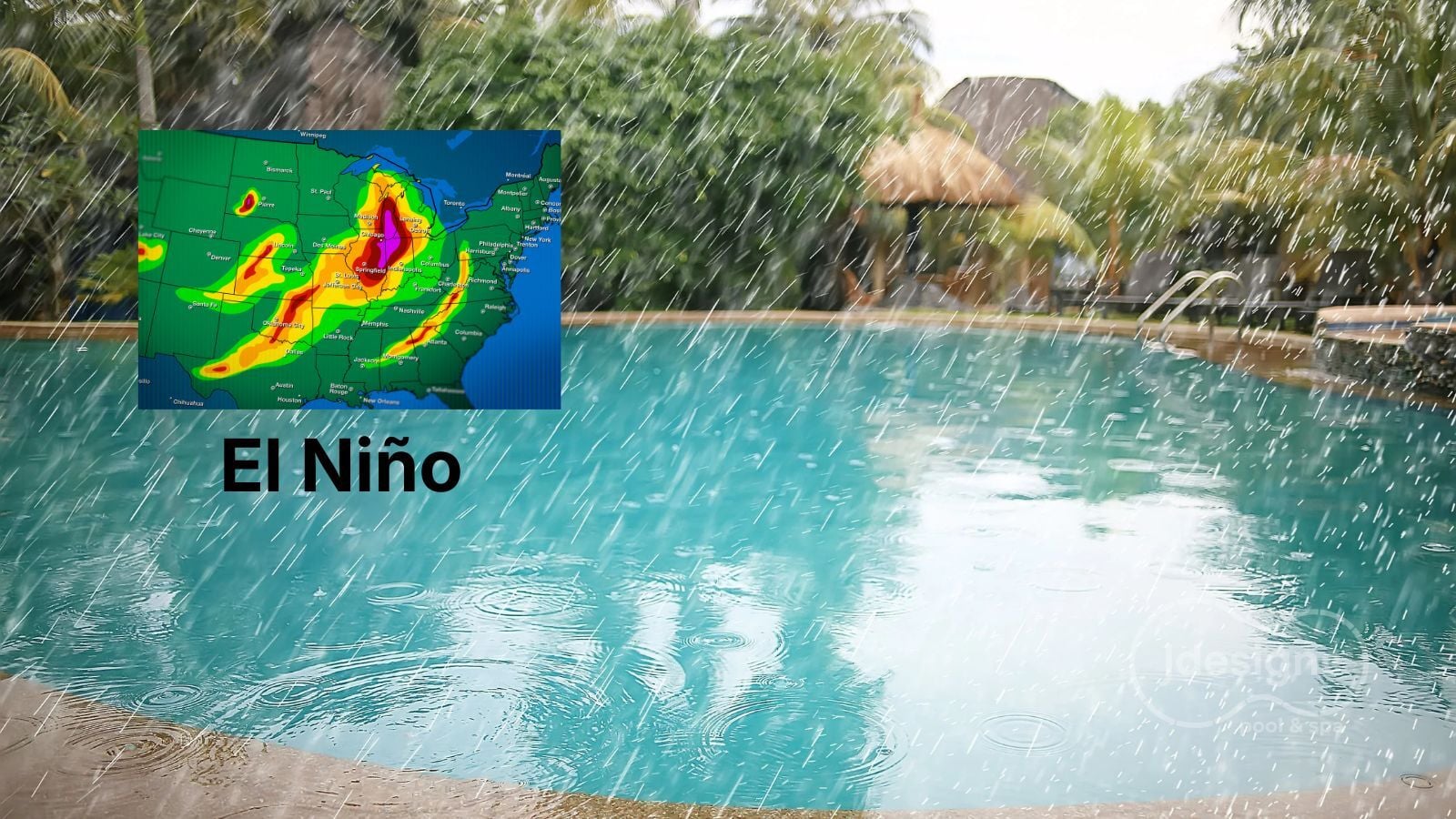
After heavy rain, don't automatically shock your pool or add chemicals. Test the water first.
 Daniela Escudero : Aug 12, 2025
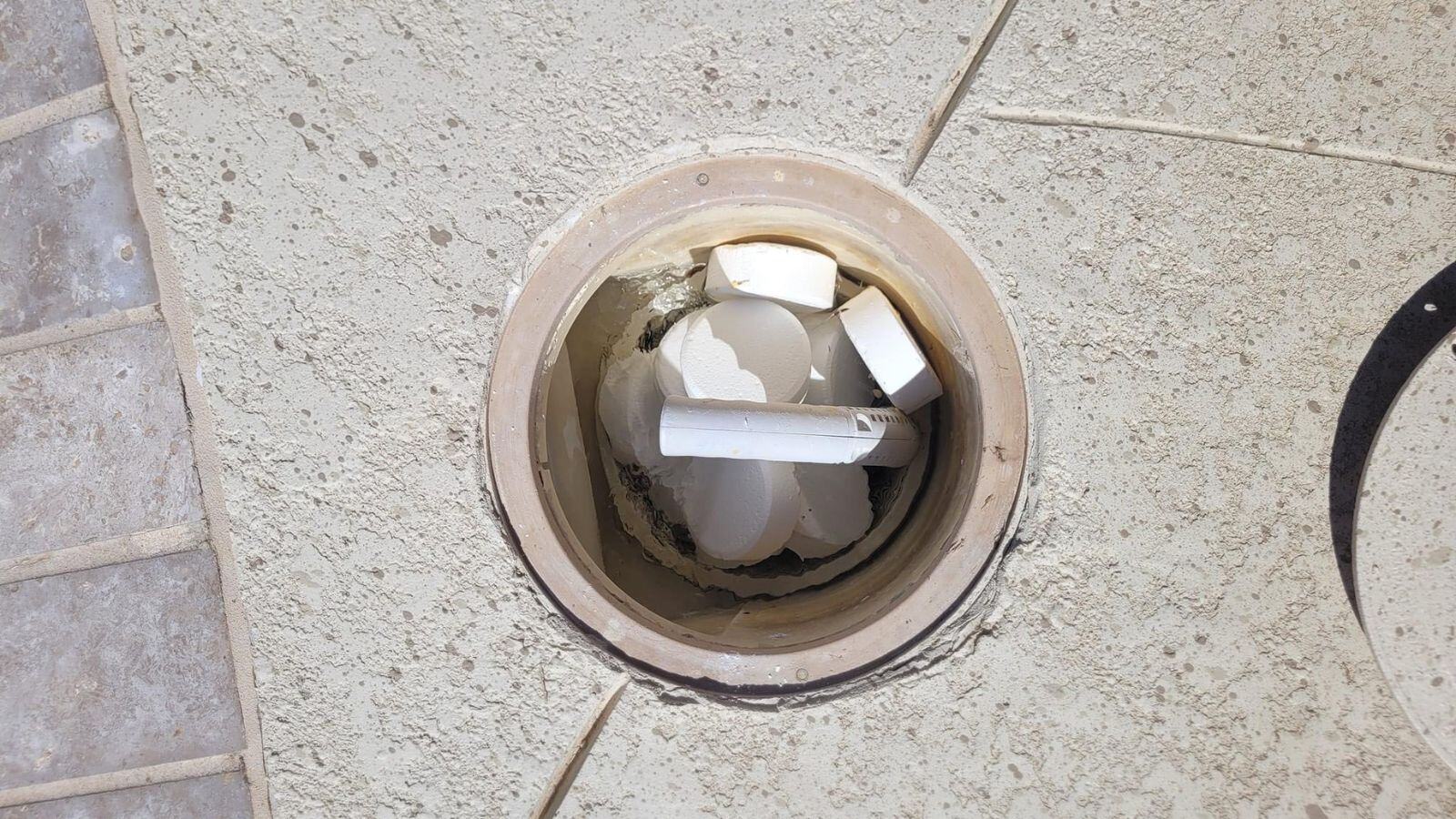
Explore the dangers of placing chlorine tablets directly in your pool's skimmer and learn safer alternatives for maintaining crystal clear water.
 Daniela Escudero : May 21, 2025
Salt pool stains are caused by corrosion, high pH, and poor salt quality. Find out how to prevent and remove stains for a crystal-clear pool!
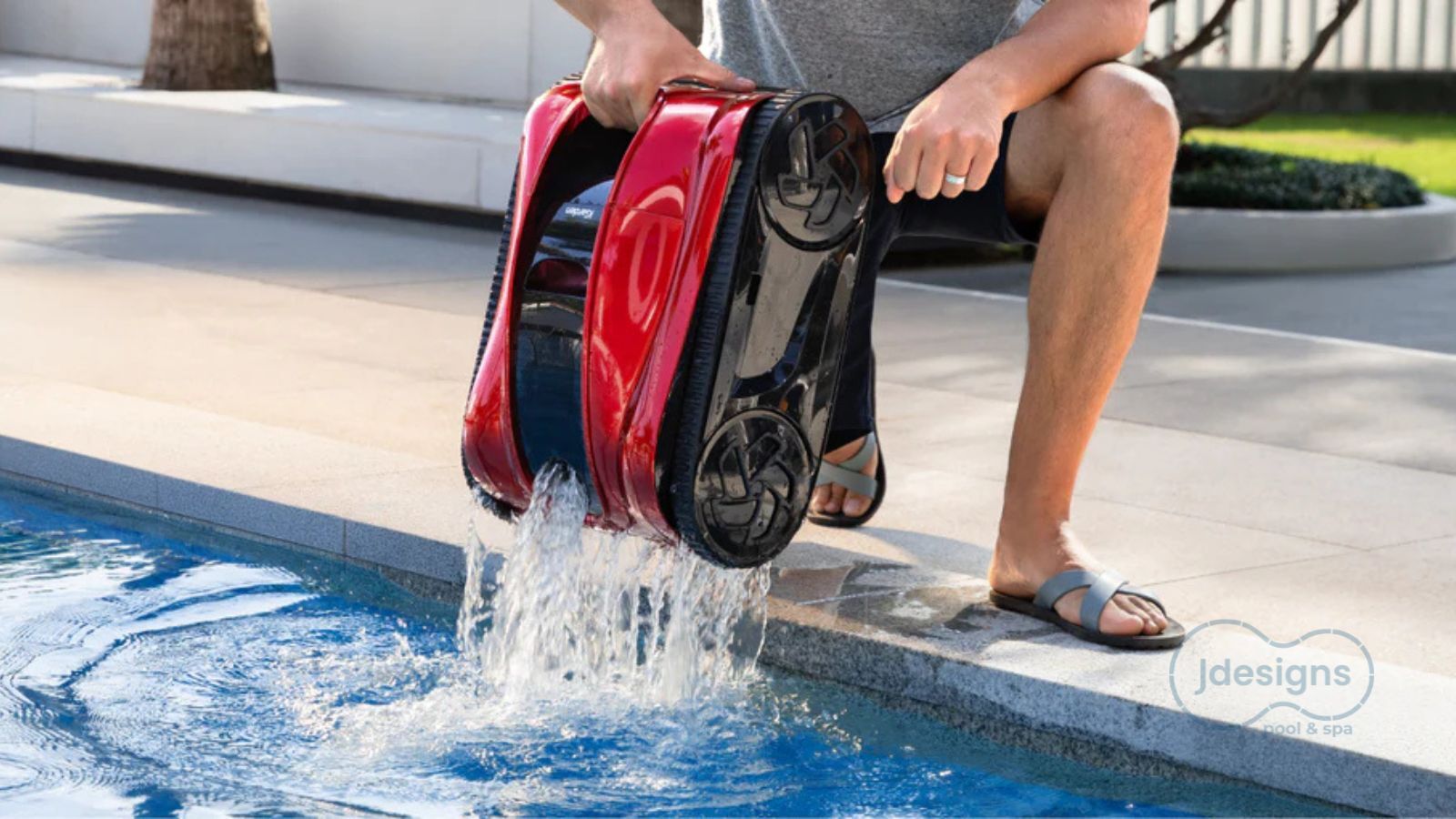
Compare corded, cordless & solar robotic pool cleaners by price, lifespan, and warranty to find the best fit for your pool in Los Angeles.