
How 3D Pool Design Prevents Construction Mistakes
 JC Escudero: Sep 23, 2026
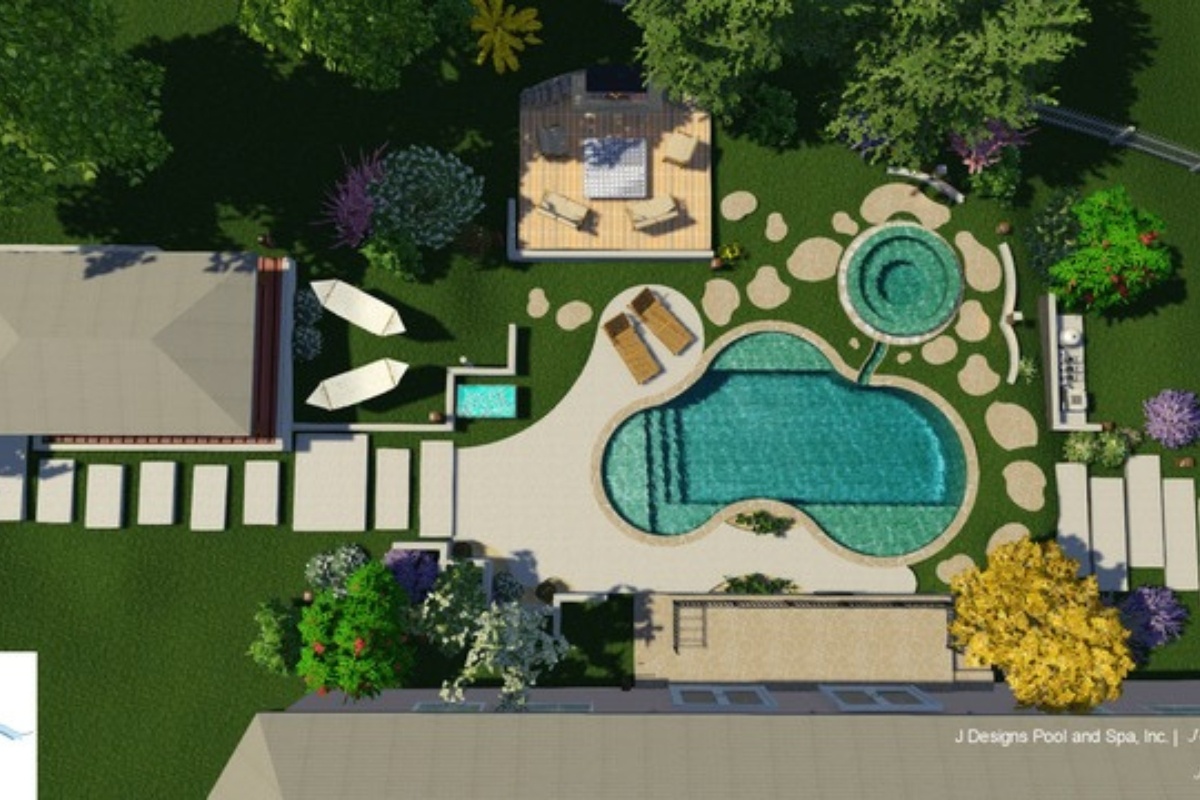
Planning a custom pool involves dozens of decisions about shape, depth, materials, and features. Get one wrong, and you could face expensive rework...
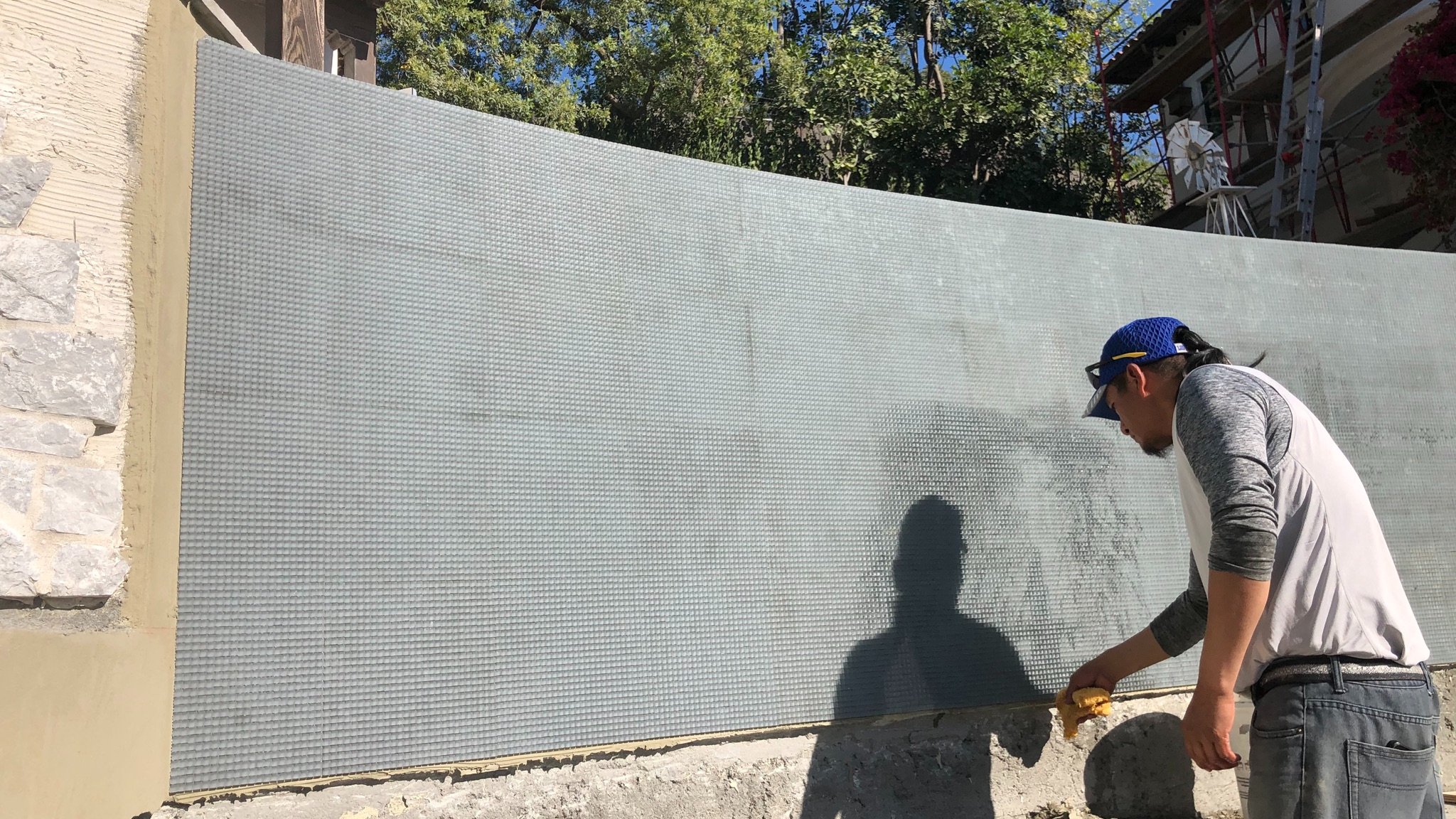
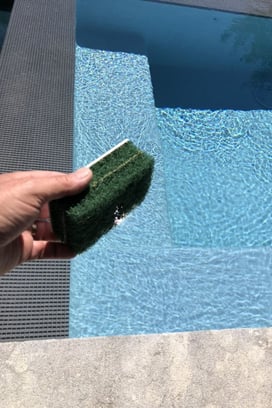
If you’ve already tried vinegar, bleach, or even those “deep clean” solutions from YouTube, you’re not alone. You scrubbed, buffed, maybe even blasted — and sure, it looked better… for a while. However, the stains returned, or the surface appeared dull, or worse — it began to pit or discolor.
In this article, you’ll learn:
From the outside, cleaning tile looks like a basic task — soap, water, scrub, done. But tile surfaces vary wildly in material, finish, and how they react to chemicals and abrasives. What works on one type of tile can permanently damage another.
Homeowners often jump to store-bought products or "hacks" thinking it’s safe — but here’s the truth:
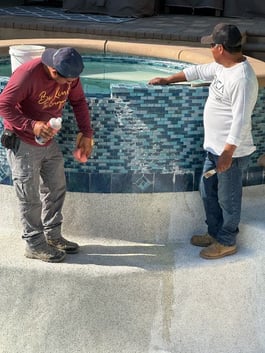
They work fast — because they’re corrosive. You might see instant results, but what you don’t see is the chemical wear happening underneath.
Why it’s a problem:
Vinegar, bleach, dish soap — the DIY cocktail. Cheap, right? Except you end up scrubbing for hours, breathing in fumes, and getting inconsistent results.
Why it’s a problem:
This one’s dangerous. It’s sold as a miracle method — but it’s overkill for most tiles. You’ll see a quick cosmetic improvement, but the long-term cost is surface degradation, pitting, and trapped moisture that causes bigger issues later.
If a cleaning method requires elbow grease + hours of buffing, it’s probably the wrong method. Hard scrubbing only:
The real issue is often below the surface, especially with older tile or textured finishes.
Let’s break it down beyond just price:
|
Factor |
DIY Cleaning |
Professional Cleaning |
|
Upfront Cost |
$50–$350+ |
$750–$2,000+ |
|
Time Required |
3–6 hours (plus prep/cleanup) |
1–2 days total |
|
Effort Level |
High (manual labor) |
Low |
|
Risk of Surface Damage |
Medium to High |
Low |
|
Lasting Results |
Low to Moderate |
High |
|
Warranty-Safe? |
Often No |
Usually Yes |
Most people don’t count the cost of doing it twice — or fixing what DIY damaged.
DIY cleaning is fine for:
You should call a professional when:
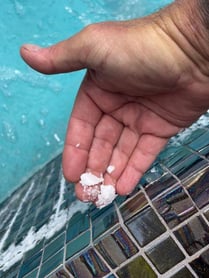
Tile isn’t one-size-fits-all. Each material reacts differently to cleaners and abrasives. Here’s a quick guide:
By matching the method to the material, you prevent long-term damage while keeping your tile looking its best.
Pros don’t just “scrub better.” They:
You’re not just buying a service — you’re buying longevity.
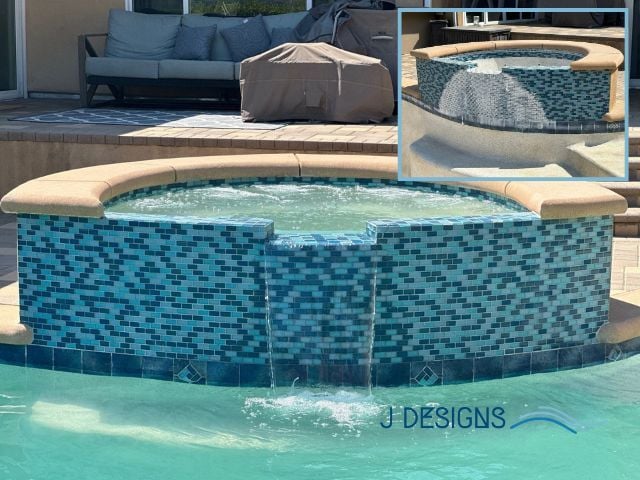
At first glance, tile cleaning appears to be something anyone can do. And sometimes, you can. But with the wrong cleaner — or too much scrubbing — you can go from “a little dirty” to permanently damaged.
So if you’re:
Pause before you grab the next cleaner. Your best next step? Learn more about How to Choose the Right Tile Cleaning Method Based on Surface Type — or book a free surface evaluation with no pressure, just answers.
You now know:
At J Designs, since 2008, we have helped homeowners clean smarter — not harder — with real solutions that protect your surfaces. In addition to these safe methods, prevention is always recommended and can help you minimize expenses for any of these remedies. Check how to fix chemistry issues, as these also prevent tile staining and buildup.
 JC Escudero: Sep 23, 2026
Planning a custom pool involves dozens of decisions about shape, depth, materials, and features. Get one wrong, and you could face expensive rework...
 JC Escudero: Sep 19, 2026
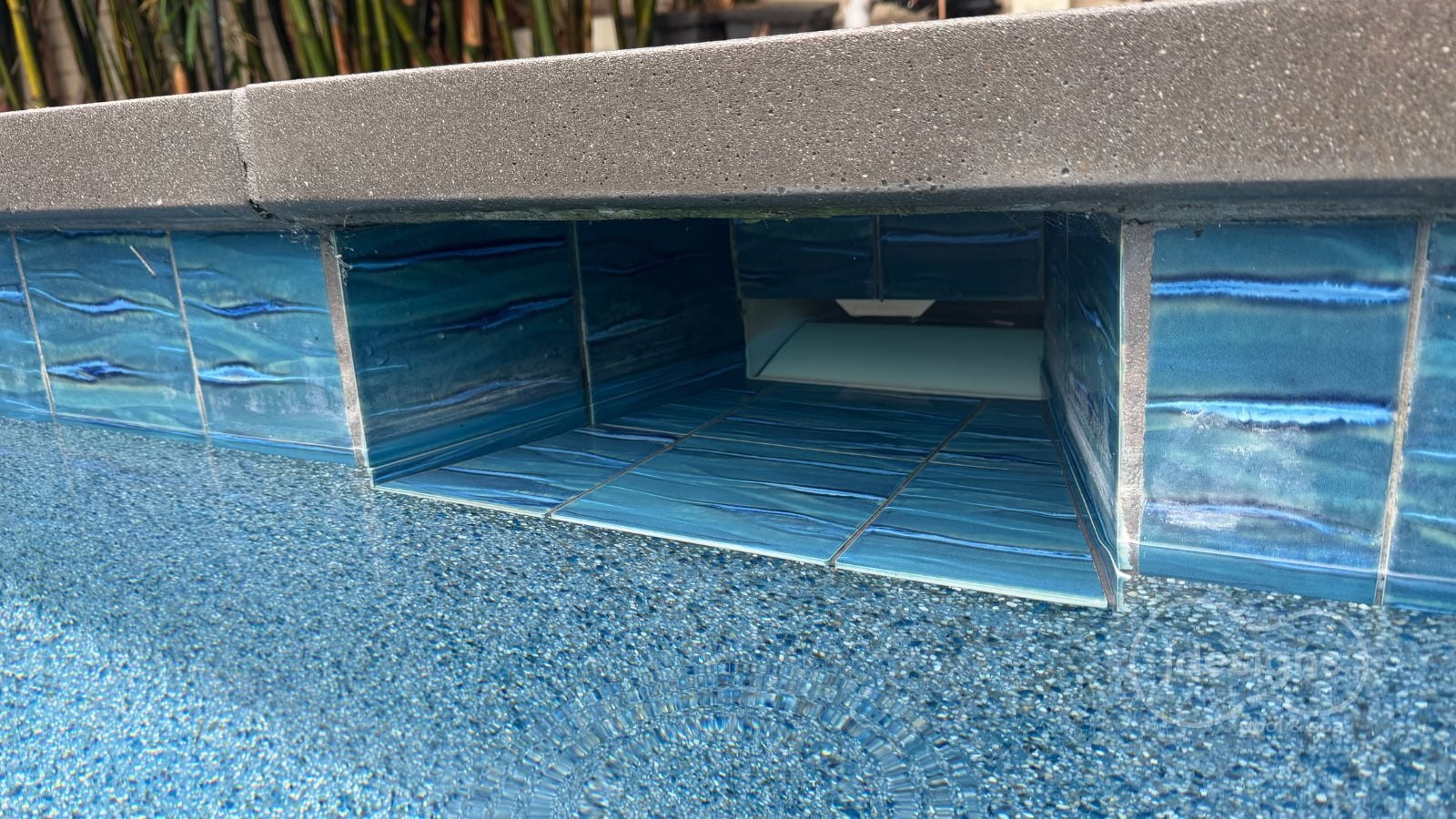
Your pool's circulation doesn't simply begin at the pump.
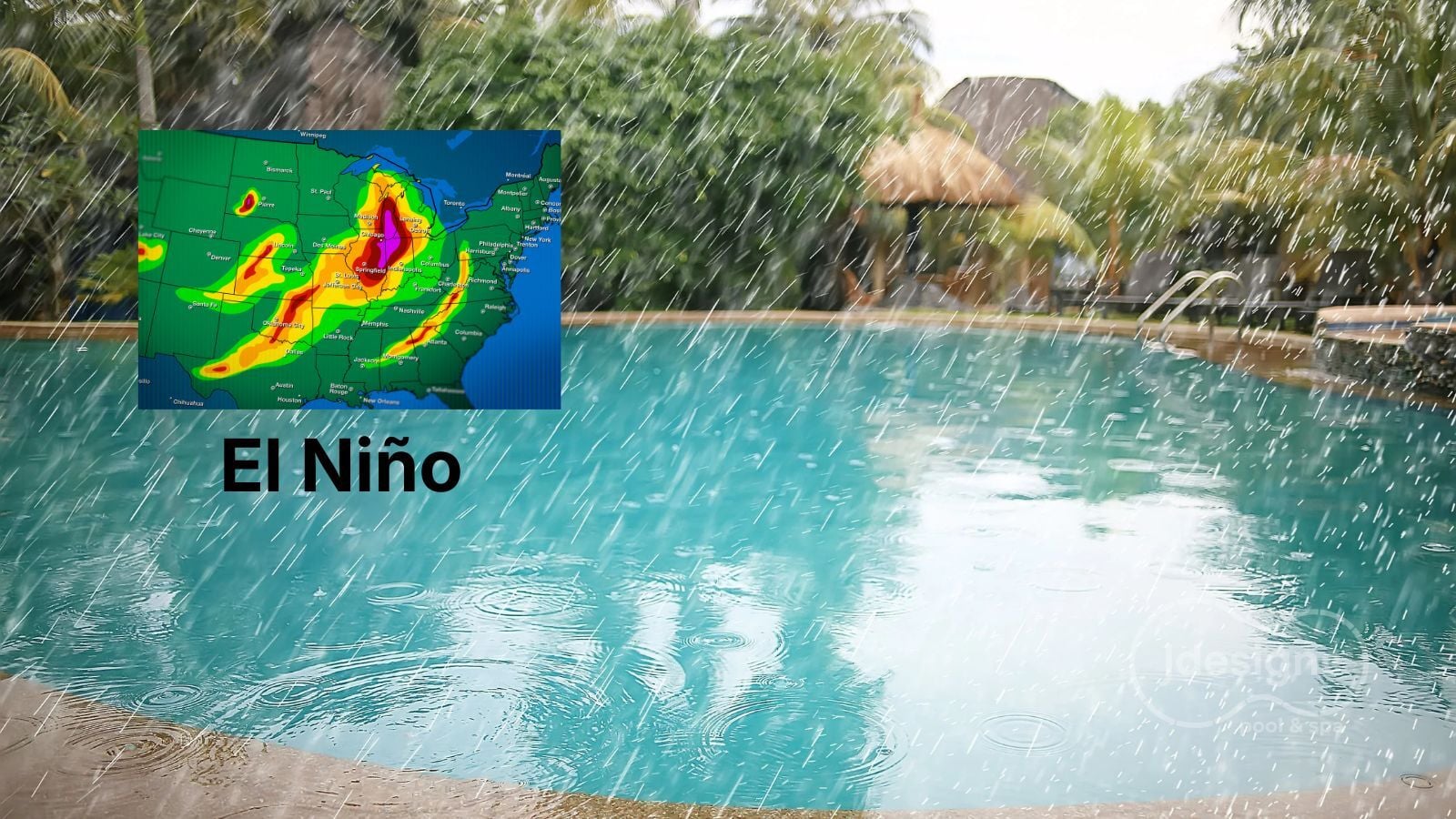
After heavy rain, don't automatically shock your pool or add chemicals. Test the water first.
.jpg) JC Escudero : Jan 20, 2026
JC Escudero : Jan 20, 2026
Do you know why your pool tiles are coming loose or falling off? Learn the real causes, hidden risks, and when to call a pool tile repair expert.
.jpg)
 Daniela Escudero : Sep 2, 2022
Glass tiles or ceramic tiles? Regardless of your decision, we have the information you need to make your pool look picture-perfect.
 Daniela Escudero : Dec 7, 2025
Learn the top pool building pain points, from communication issues to weather delays, and how to avoid them with a clear, stress-free design-build...