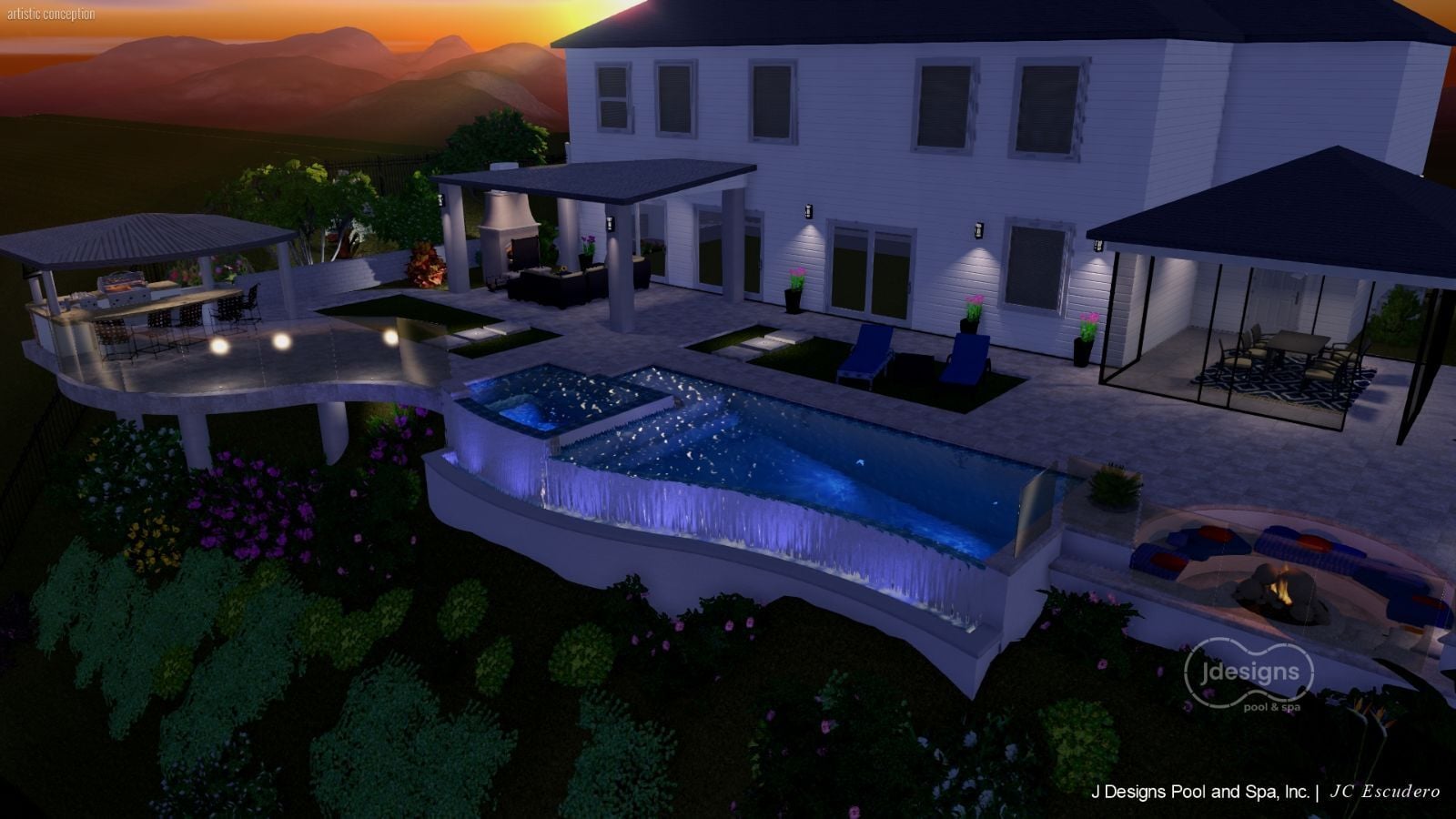
"Ceramic vs. Porcelain Pool Tiles: What’s the Difference?"
“Planning to tile your swimming pool? Choosing the right type of tile is crucial to ensure your pool remains beautiful and durable for years. Two of the most popular options—ceramic and porcelain tiles—offer very different performance levels in submerged environments. So, how do you choose the best one? In this guide, we’ll break down the key differences, PROS and CONS, and help you make the right choice for your pool.”
1. Key Differences Between Ceramic and Porcelain Tiles
Although both ceramic and porcelain tiles are made from clay, their composition, manufacturing process, and properties differ significantly:
|
Feature |
Ceramic Tile |
Porcelain Tile |
|
Water Absorption Rate |
Higher (3-7%) |
Lower (0.5% or less) |
|
Density |
Less dense |
Denser and more compact |
|
Durability |
Suitable for light to moderate traffic |
Extremely durable and resistant to heavy usage |
|
Frost Resistance |
Generally not frost-resistant |
Frost-resistant when rated as such |
|
Slip Resistance |
Varies depending on finish |
|
Cost |
More affordable |
Generally more expensive |
|
Chemical Resistance |
Low to Medium |
Medium to High |
The most critical difference for pool use is water absorption. Porcelain tiles have a much lower absorption rate, making them far better suited for submerged applications, where constant water exposure is a concern.
2. Ceramic Tiles
Pros
- Affordability: Ceramic tiles are generally less expensive than porcelain tiles, making them a budget-friendly option.
- Variety: Ceramic tiles come in a wide range of colors, patterns, and finishes, allowing for creative pool designs.
- Ease of Installation: Ceramic tiles are easier to cut and install, which can reduce labor costs.
Cons
- Higher Water Absorption: Ceramic tiles have a higher water absorption rate, making them prone to cracking, staining, and delamination when used in submerged environments.
- Lower Durability: They are less durable than porcelain tiles and can wear down faster, especially in high-traffic areas.
- Not Frost-Resistant: In climates with freezing temperatures, ceramic tiles can crack due to water absorption and expansion.
Best Use Case: Ceramic tiles are better suited for decorative purposes or areas not constantly submerged in water, such as pool coping, waterline accents, or outdoor showers.
3. Porcelain Tiles
Pros
- Low Water Absorption: Porcelain tiles with a water absorption rate of 0.5% or less are ideal for submerged applications in swimming pools.
- High Durability: Porcelain tiles are extremely durable and can withstand heavy use, making them perfect for residential and commercial pools.
- Frost Resistance: Many porcelain tiles are frost-resistant, making them suitable for pools in colder climates.
- Stain and Scratch Resistance: Porcelain tiles are less likely to stain or scratch, which helps maintain their appearance over time.
Cons
- Higher Cost: Porcelain tiles are more expensive than ceramic tiles in terms of material cost and installation.
- Challenging Installation: Due to their density and hardness, porcelain tiles can be more difficult to cut and install, requiring specialized tools and skilled labor.
Best Use Case: Porcelain tiles are the top choice for submerged areas of swimming pools, such as the pool floor, walls, and steps. They are also suitable for pool decks and coping in areas with heavy foot traffic.
4. ANSI and TCNA Standards for Pool Tile Selection

“ANSI (American National Standards Institute) sets guidelines to ensure tiles meet durability and safety requirements, including installation materials. TCNA (Tile Council of North America) provides best practices for installing tiles in wet environments, such as swimming pools.”
- ANSI A137.1: Defines ceramic and porcelain tiles' water absorption rates and physical properties. For submerged applications, tiles should have a water absorption rate of 0.5% or less (porcelain).
- TCNA Handbook: Offers best practices for tile installation, including waterproofing membranes, appropriate mortars, and grouts for pool environments.
Following these standards is essential to ensure your pool tiles withstand constant exposure to water, chemicals, and weather conditions.
5. Installation Considerations for Pool Tiles
Regardless of whether you choose ceramic or porcelain tiles, proper installation is crucial for long-term performance:
Key Installation Tips
- Clean the pool shell: Make sure it is clean, dry, and free of debris or contaminants.
- Apply a waterproofing membrane: This prevents water from penetrating the pool shell.
- Use a polymer-modified mortar: It provides a strong bond between tiles and the pool surface.
- Grout with epoxy grout: This ensures water resistance and prevents stains.
- Hire experienced professionals: Pool tile installation requires specialized skills to prevent cracking and delamination.
6. Final Recommendation: Which Tile to Choose?

For swimming pool installations, porcelain tiles are generally the better choice due to their:
- Low water absorption rate
- High durability
- Frost resistance
- Long-lasting aesthetic appeal
“Choosing the right tile for your swimming pool is a critical decision that impacts its functionality and beauty. While ceramic tiles can be a budget-friendly option for decorative areas, porcelain tiles are the best choice for any submerged surface due to their low water absorption rate and high durability.
If you want your pool to remain stunning and durable for years, opt for porcelain tiles in submerged areas.
Need more guidance? Check out our guide on ‘Pool Tile Maintenance Tips’ to keep your tiles looking their best!” Learn about other types of tiles this blog will help Elevate your pool with Glass tile
How Solar Pool Heating Works in Los Angeles (2026 Guide)
Warm Water, Lower Bills, and Smarter Long‑Term Planning If you enjoy using your pool well past Labor Day, you’ve probably wondered how to keep the...
Best and Worst Trees to Plant Near Your Pool
In Los Angeles, designing a true luxury pool environment is about far more than water and stone, it’s about creating a cohesive outdoor retreat that...