
Retaining Walls in Los Angeles: Permit, Engineering & Pools
If you’re planning a retaining wall in Los Angeles near a swimming pool, deck, driveway, or hillside, you may have heard the familiar rule: “Under 4...
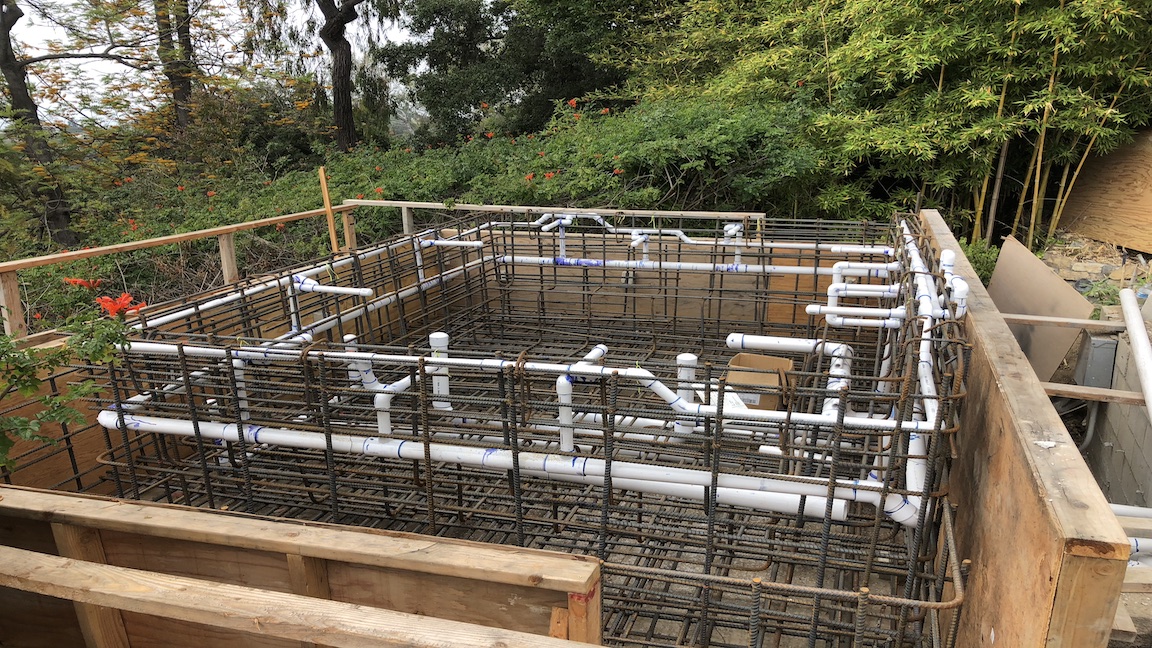
You wouldn’t power a modern luxury car with a 1980s engine. It might run, but not well. It would guzzle fuel, struggle under load, and eventually break down under stress.
The same applies to your pool’s plumbing. Outdated plumbing systems, often installed decades ago, were never designed for today’s raised spas, high‑output jets, automated equipment, or energy‑efficient variable‑speed pumps. And just like that old engine, your plumbing might “work,” but behind the scenes it may be:
In this guide, you’ll learn the most evident signs your pool needs a plumbing upgrade, why “one‑size‑fits‑all” hydraulics is a myth, and how a thoughtful redesign protects your comfort, safety, and investment.
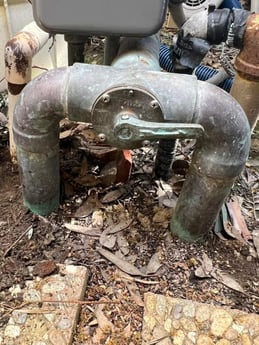
Vintage properties can be beautiful and timeless. Their buried copper plumbing usually is not. Pools built between the 1950s and 1980s often relied on copper pipe before the industry transitioned to PVC and other modern materials. While copper offers fire‑resistant and antibacterial qualities, it does not age well in a chlorinated, outdoor pool environment. Over time, copper is vulnerable to:
These conditions lead to pinhole leaks, tiny perforations that:
Often, the first “symptoms” are subtle: damp soil in one area, higher water bills, or a deck that starts to settle or crack for “no reason.” By the time the cause is apparent, the damage behind the scenes may already be extensive.
If your pool plumbing still includes copper lines, a planned, full‑system plumbing upgrade is almost always the safest and most cost‑effective long‑term choice. It allows you to:
- Replace aging copper with properly sized PVC or other approved materials - Reconfigure suction and return lines to meet modern hydraulic and safety standards - Reduce the risk of future leaks that can compromise structures you just invested in remodeling.
You can’t put a price on safety, especially when it involves entrapment risks around children, guests, and family members.
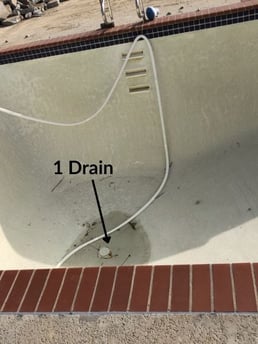
If your pool was built before 2008 and still has a "single main drain", it is likely not compliant with the Virginia Graeme Baker Pool & Spa Safety Act (VGBA). This federal safety law was created to prevent dangerous and sometimes fatal suction entrapments.
The act requires:
Split (dual) main drains that share and disperse suction or - Additional certified safety devices such as an SVRS (Safety Vacuum Release System)
A single main drain can create powerful suction at a single point on the pool floor. If hair, clothing, or a body part blocks that drain, the force can be strong enough to trap a swimmer underwater.
For a family‑focused backyard, this is not an acceptable risk.
If your pool has only one suction outlet on the floor:
Re‑plumbing to install split drains or other VGBA‑compliant solutions should be a "top priority", not a “someday” upgrade. - Any remodel, resurfacing, or equipment change is the perfect time to address this permanently.
Modernizing your plumbing is not just about performance, it’s about protecting the people who use your pool.
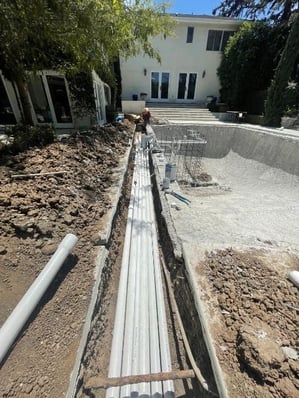
If you're planning to add a spa, water feature, upgrade automation and equipment, or all of your outdoor living space, you must address the plumbing. It’s not optional.
Every thoughtful remodel should follow this sequence:
1. Code Compliance First - VGBA compliance - Proper suction and return design - Local building and electrical codes
2. Efficiency and Performance Second - Correct pipe sizing and routing - Proper pump selection and speeds - Filter and heater sizing based on actual flow
3. Aesthetics and Design Third - Tile, plaster, coping, lighting, and features
Just as you wouldn’t upgrade a car’s engine without checking the cooling system and brakes, you shouldn’t invest heavily in finishes without ensuring the plumbing underneath can safely and efficiently support your new design.
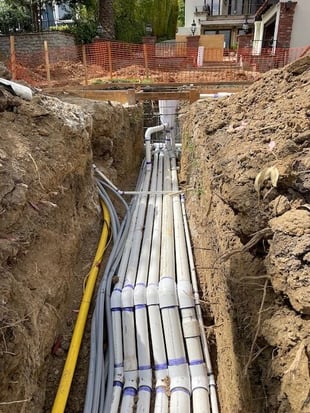
Across the pool industry, a persistent and costly myth still shows up in the field with this statement:
“We always use this pipe size and this pump; it works on every pool.”
This one‑size‑fits‑all mindset ignores what really drives system performance: hydraulics, is how water actually moves through your specific pool and plumbing layout.
Every pool is unique:
Designing them all without the exact pipe sizes, pump, and layout is a recipe for:
When pipes are too small for the required flow, your pump has to work harder to move the same amount of water. This increases "Total Dynamic Head (TDH)," the resistance the pump must overcome.
Consequences of undersized plumbing include:
Example scenario: A homeowner adds a spa and multiple waterfalls to a 1970s pool that was originally plumbed with mostly 1.5" lines. Without upgrading the plumbing, the new variable‑speed pump has to run at high RPMs just to keep the features moving. The result: high bills, noisy equipment, and jets that still don’t feel as strong as expected. - CLIENT DISSAPOINTMENT
Undersizing doesn’t only feel underwhelming, it also shortens the life of your equipment and can prevent you from taking full advantage of modern energy‑efficient technology.
At first glance, “bigger pipe is always better” might sound like a safe approach. But oversizing without a full hydraulic design can cause problems, too.
When water moves too slowly in an oversized pipe:
- Debris like leaves, dirt, hair, and insects can accumulate and stagnate.
- Sediment can form in low‑flow zones, impacting water clarity and filter performance. In addition, poor velocity control and sudden flow changes can lead to "water hammer", a pressure surge that can:
- Split fittings - Crack filter lids or heaters - Blow out plumbing joints or unions
Example scenario: A builder installs very large diameter pipes everywhere “just to be safe,” but does not design the system to control velocity and transitions properly. When the pump ramps up from low speed to high speed, pressure spikes cause loud banging in the lines and stress on valves and equipment. The goal is not simply “bigger” or “smaller” pipe, it’s the right size and layout for the required flow and turnover.
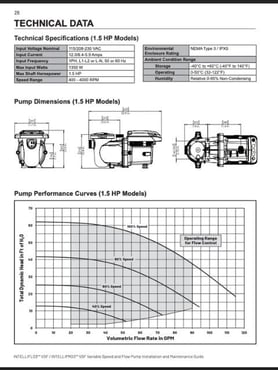
Proper circulation begins with a simple question:
How much water is in your pool, and how often should it turn over?
The International Swimming Pool and Spa Code (ISPSC) mandates that residential pools achieve at least one full turnover every 6 hours.
A Simple Example Pool volume: 5,840 gallons
Turnover time: 6 hours = 360 minutes
15,840 gallons ÷ 360 minutes = 44 GPM (gallons per minute) required
From there, a proper hydraulic design will:
1. Use the required GPM to choose appropriate pipe diameters.
2. Apply manufacturer charts and hydraulic equations (like Hazen‑Williams or Darcy‑Weisbach) to calculate friction loss and velocity.
3. Match the pump, filter, heater, and plumbing layout to achieve the desired performance at reasonable pump speeds. You don’t need to do this math yourself, but your builder or engineering partner should.
Your pool builder should be able to show: calculated flow rates; basic hydraulic calculations; and a circulation diagram indicating pipe sizes, suction and return lines, and safety components. If no one can explain "why" your system is plumbed the way it is, that’s a sign it may have been designed by habit, not by calculation.
This is not an option its part of the International Swimming Pool and Spa Code (ISPSC) The maximum speed of the vater for suction lines is 4.5 feet per second and 6.5 feet per second on the return lines.
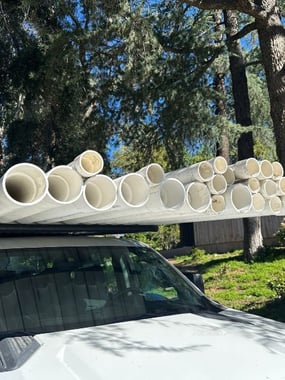
Even when a builder creates a thoughtful plumbing and hydraulic design, the project's success depends on the professionals in the field.
When these two are not aligned, you can end up with
- Substituted pipe sizes “because that’s what we had on the truck.”
- Extra 90° elbows and fittings that were never in the plan
- Line routings that add unnecessary friction or long runs
- Suction and return lines that don’t match the intended flow. A lack of coordination is one of the most common reasons new builds underperform, even when brand‑name equipment has been installed.
A strong design‑build team ensures
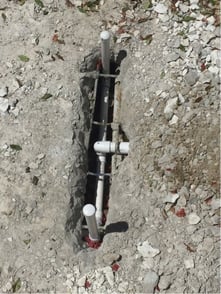 Not every situation requires tearing everything out and starting from scratch. In some cases, especially during equipment changes or minor remodels, you can significantly improve performance with targeted upgrades.
Examples of partial improvements include
- Replacing undersized valves. Upgrading to full‑port valves eliminates unnecessary restrictions and improves flow.
- Isolating water features on separate lines and controls. Running waterfalls, bubblers, and deck jets on dedicated lines and valves keeps core circulation stable while still allowing you to enjoy features when desired.
- Reconfiguring return locations. Adjusting or adding return inlets can improve circulation patterns and reduce “dead zones” where water sits still.
- Minimizing unnecessary 90° elbows and tight turns. Gentle sweeps and thoughtful routing reduce friction loss and help pumps run more efficiently.
- Improving filtration practices. Cleaning filters more frequently and choosing the right filter type can help compensate somewhat for marginal hydraulics, but should not replace good design.
A professional assessment can help you understand where your system sits on the spectrum, from “a few smart tweaks” to “time for a full plumbing modernization.”
Don’t Let Invisible Plumbing Limit a Beautiful Backyard. We’ve all experienced how difficult it can be to understand what’s happening behind walls or underground.
With pools, this is especially true: plumbing and hydraulics are largely invisible, but they quietly determine:
Now that you understand the warning signs and core concepts, copper pinhole leaks, single main drains, outdated remodel plumbing, and the dangers of “one‑size‑fits‑all” hydraulics, it’s essential to act before minor issues grow into structural or safety problems.
Your Next Step: Get a Professional Plumbing & Hydraulics Assessment
Since 2008, J Designs Pool & Spa has helped Los Angeles homeowners plan and execute pool remodels the right way, combining licensed watershape professionals, code-aligned plumbing and hydraulic designs, and a focus on long‑term performance, safety, and efficiency.
If you’re planning a pool remodel or major equipment upgrade in Los Angeles, start with the plumbing, not the plaster. Schedule a plumbing and hydraulics assessment before you commit to cosmetic changes, so your new backyard performs as beautifully as it looks, for years to come.

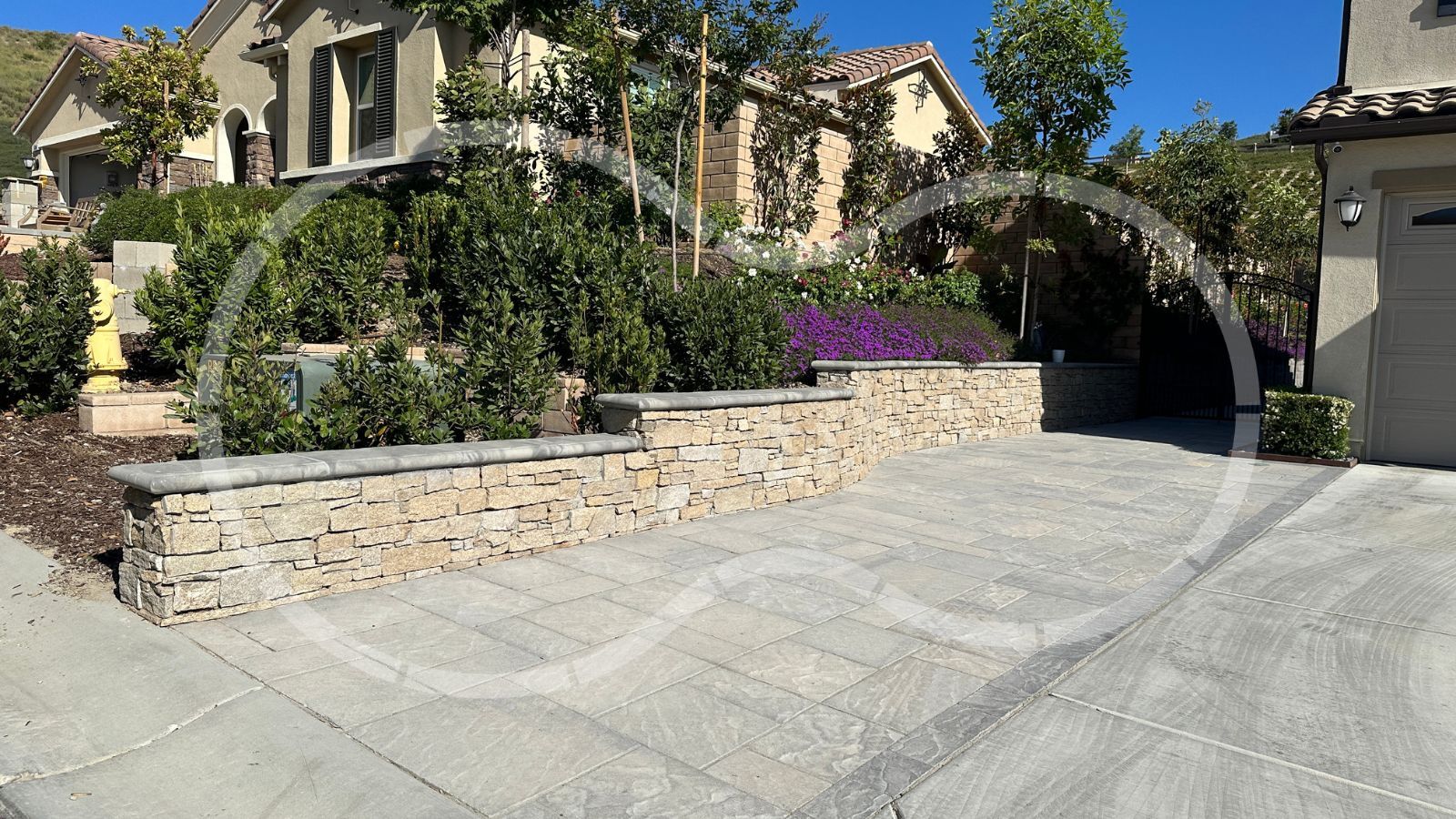
If you’re planning a retaining wall in Los Angeles near a swimming pool, deck, driveway, or hillside, you may have heard the familiar rule: “Under 4...
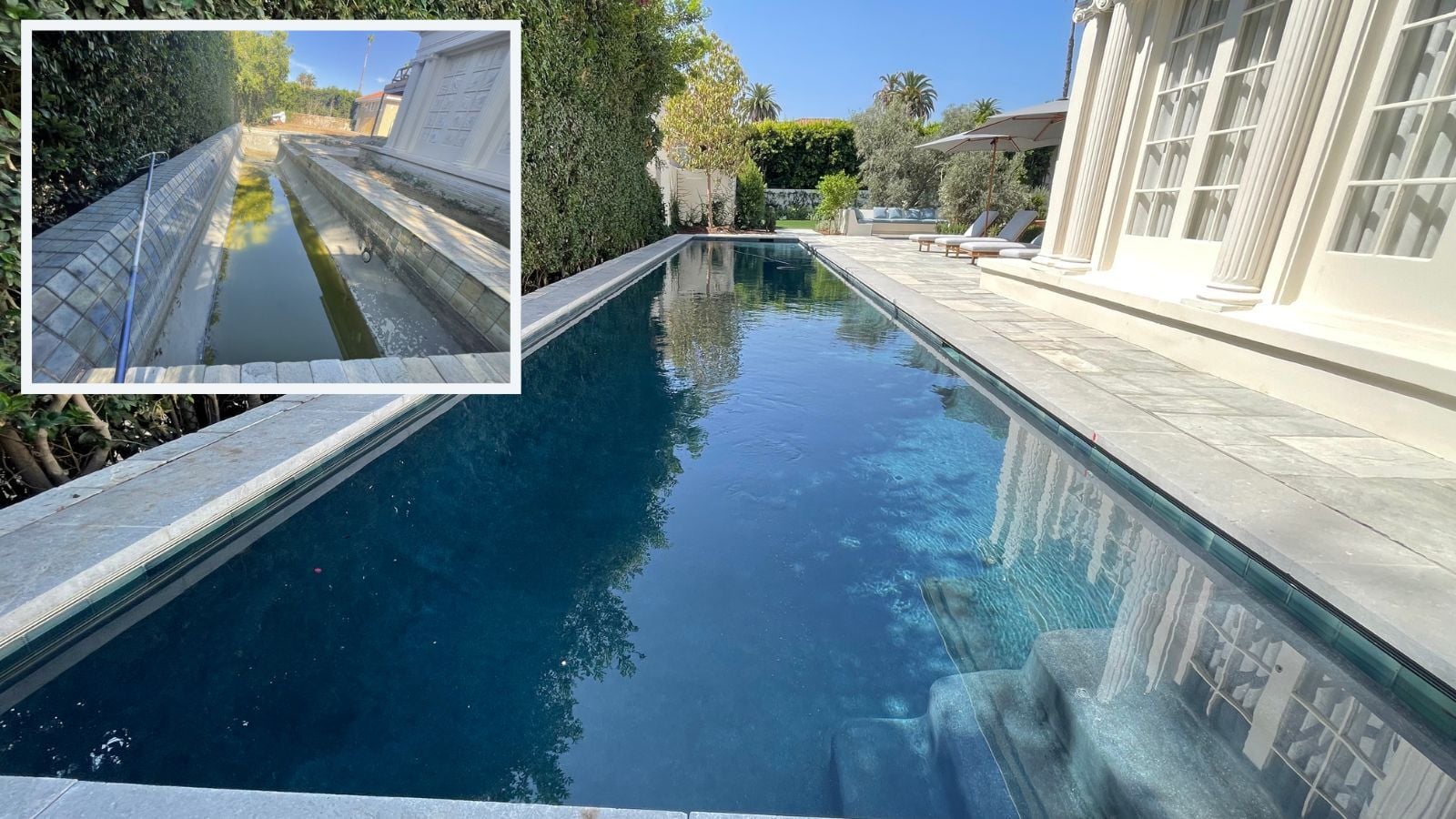
Can an existing swimming pool be expanded, reshaped, or connected to a new spa or other construction without compromising its structural integrity?

 Daniela Escudero: Jul 11, 2026
Why Do Los Angeles Pool Estimates Vary by Thousands of Dollars? When you start planning a pool in the Los Angeles area, you might run into a...

1 min read
Daniela Escudero : Aug 23, 2025
Have you ever wondered if your gas pool heater could be putting your family at risk? While these heaters are fantastic for extending swim seasons and...
1 min read
Daniela Escudero : Apr 21, 2025
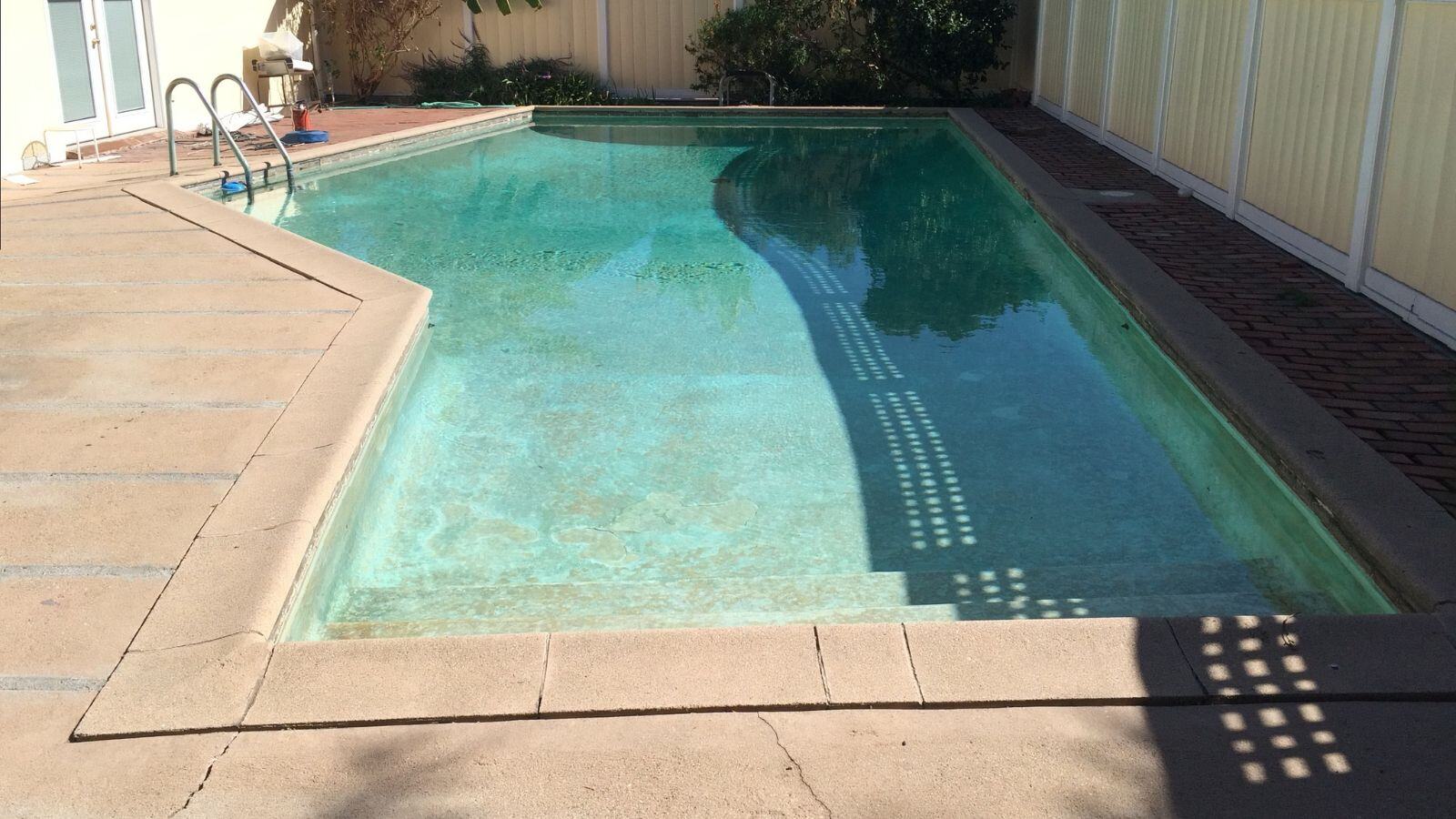
Follow this simple 5 step guide: A Facelift Can Make All the Difference: If your pool has seen better days, but the structure itself is still sound,...
1 min read
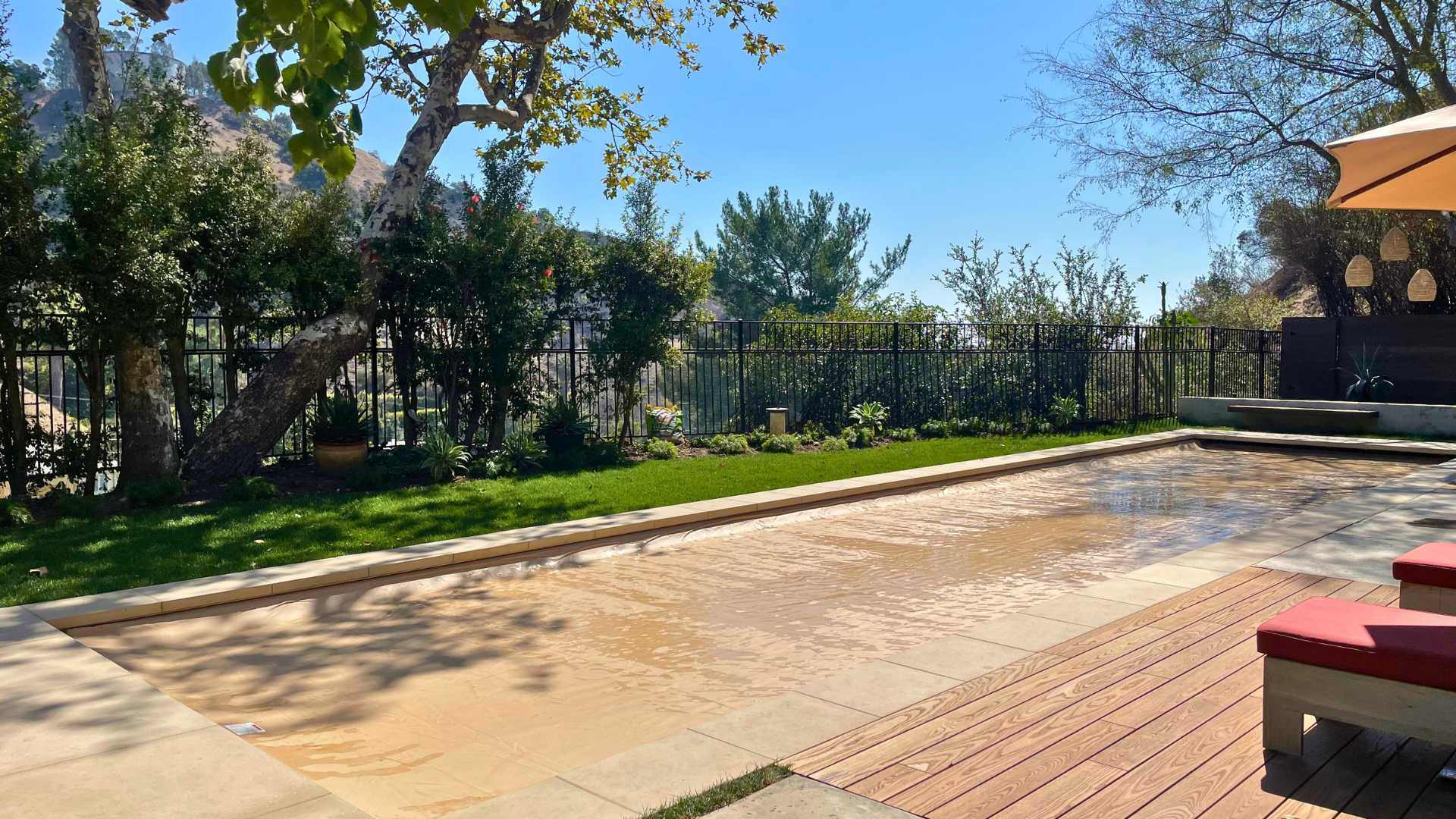
Have you ever wondered whether automatic pool covers are worth the investment? Are they truly safe or just an expensive add-on for your swimming pool?