
Stainless Steel Pools in Los Angeles: When Do They Make Sense?
 JC Escudero: Oct 1, 2026
When most homeowners picture a swimming pool, they probably picture a concrete or shotcrete structure built into the ground.
7 min read
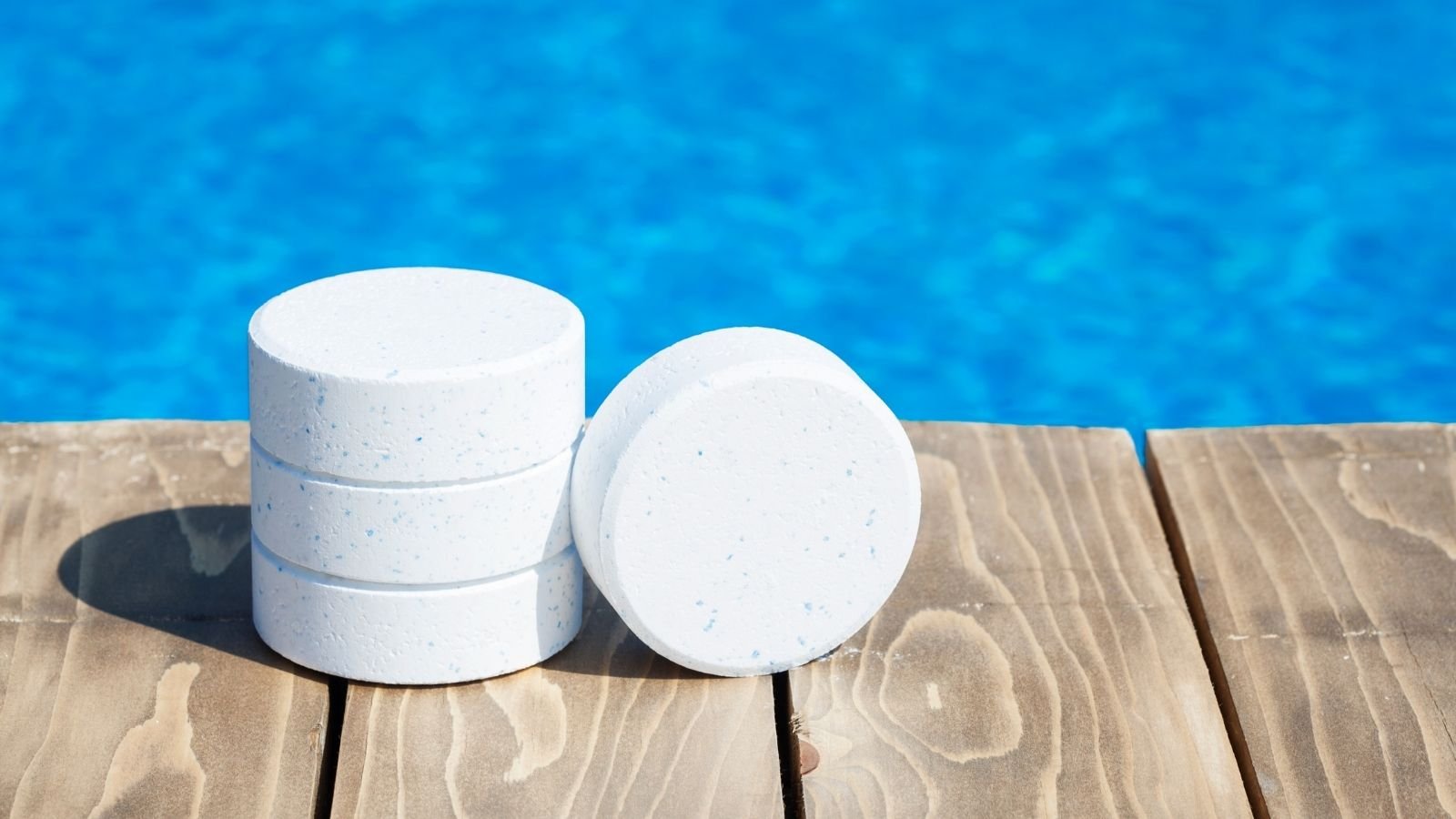
Does your chlorine seem to disappear faster than it should, even when you’re adding it regularly? Are you trying to understand whether pool conditioner, also called cyanuric acid (CYA), will help your chlorine last longer or quietly create new problems in your water?
You’re asking the right questions. At J Designs Pool & Spa, we have this conversation every week with owners in Los Angeles who care about clear water, safe swimming, and protecting a major investment, not just “getting by” on basic pool care.
This guide is designed to give you clear, research-based answers you can act on.
What exactly is pool conditioner? What does cyanuric acid really do? When is it appropriate to use? And how can misuse put your pool at risk? As licensed, credentialed pool specialists, we believe you should understand these trade-offs before you add anything to your water.
You will find in this article that informed decisions, backed by professional guidance, are what keep your pool healthy, safe, and performing the way it was designed to for years to come.
- CYA (Cyanuric Acid): Commonly known as Pool Water Conditioner, Shields chlorine from UV breakdown, the “sunscreen” of your pool sanitizer.
- PPM (Parts Per Million): Measurement and standard for all pool chemical concentrations.
- Free Chlorine: The active disinfecting component fighting bacteria and algae.
- Stabilizer/Conditioner: Other names for cyanuric acid on product labels.
- ORP (Oxidation-Reduction Potential): Indicator of chlorine’s actual sanitizing strength.
- Water testing: Precision tools (not just strips) for monitoring pH, free chlorine, CYA, and other water levels.
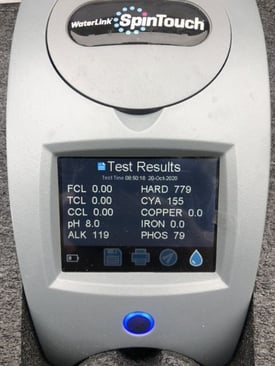
CYA plays a crucial role in the health of most outdoor pools. In the right range, it shields chlorine from rapid UV breakdown so your sanitizer can work longer in direct sun, control germs more reliably, and reduce how often you need to add product. Without any CYA, up to 90% of your chlorine can be destroyed within a few hours, especially in high-sun markets like Los Angeles, leaving your water under-protected even if you think you’re dosing correctly.
Picture chlorine as your pool’s bodyguard. Its job is simple and serious: find and destroy germs, bacteria, and algae so the water stays clear and safe for everyone who swims. Right after you add it, chlorine is fully active and on patrol, breaking down contaminants efficiently.
The problem is not the water, it’s the sun. On bright Southern California days, ultraviolet (UV) rays are chlorine’s main enemy. UV light attacks and quickly breaks apart chlorine molecules. Just as sunscreen loses strength when it bakes in the sun, unprotected chlorine in an outdoor pool can burn off within a few hours. This is exactly why CYA matters in daily care: it acts like a shield between your chlorine and the sun, so the sanitizer you pay for can stay in the water long enough to do its job.
CYA is essential for most outdoor pools, but only in the right amount. When properly managed, it:
- Extends chlorine’s working life in the sun.
- Reduces how often you need to add chlorine and other chemicals.
- Helps keep water conditions more stable, predictable, and safe for swimmers.
Recommended Operating Range: 30–50 ppm for residential outdoor pools, based on industry standards and our field experience. Warning: Above 50 ppm, CYA begins to slow chlorine’s ability to neutralize germs. That can push your pool toward unsafe water quality, increase the risk of algae, and jeopardize finish and equipment warranties. Some public health codes are even stricter, requiring CYA below 15 ppm, depending on your local regulations.
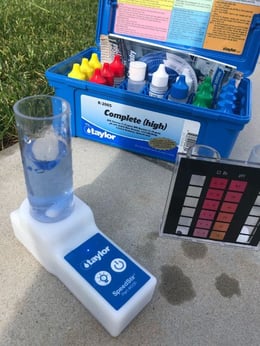
Accurate CYA testing is not just a chemistry exercise; it’s a safety and investment decision. At‑home strips can give you a rough idea, but they often miss early warning signs that levels are creeping too high or too low.
Professional pool services use calibrated instruments, consistent testing methods, and trained interpretation to:
- DIY strips or drop kits (may lack accuracy).
- Pool store analysis (use with caution; results can vary).
- Professional service providers are best for ensuring safety, regulatory compliance, and full chemistry balancing.
- Choosing Reliable Conditioner Brands. When supplementation is needed, we recommend industry-trusted brands with proven reliability:
- Clorox Pool&Spa Chlorine Stabilizer
- HTH Pool Care Stabilizer
- PuriTech 100% CYA Granules (bulk solutions)
- Natural Chemistry Instant Conditioner (for urgent correction)
- Additional reliable options: Pool Time, Leslie’s
Understanding Costs - 4-lb bag: $19–$25 - 20-lb bucket: $50–$60 - Liquid CYA (1 gallon): $40–$45 To raise CYA by 10 ppm in a 10,000-gallon pool, budget for approximately 1 pound of stabilizer.
Pro Tip: Unlike premium pool finishes or advanced equipment, CYA is low-cost but can cause costly long-term issues if ignored or overused.
.jpg?width=293&height=391&name=Pollen%20Vertical%20Blog%20Visual%20(1).jpg)
If your chlorine seems slow to work, algae keeps returning, or the water stays dull or cloudy even after shocking, high CYA is a likely culprit. At the same time, you may notice staining, roughness, or premature wear on plaster, tile, grout, or metal components, early signs that chemistry is quietly attacking your finishes and equipment.
Elevated cyanuric acid levels are among the most common and costly water balance problems we see in Los Angeles pools. Once CYA climbs past safe limits, chlorine can no longer disinfect effectively. This condition is known as "chlorine lock."
In a chlorine lock, your test kit may still show “normal” or even high chlorine levels, but the sanitizer is essentially handcuffed and cannot respond to germs or algae. The consequences build quickly:
- Persistent or recurring algae.
- Unsafe swimming conditions, even when numbers look acceptable on paper.
- Rapid staining and discoloration of plaster and tile.
- Accelerated wear of heaters, pumps, seals, and other equipment.
- Higher ongoing chemical costs as you add more products that still cannot work.
In addition, excessive CYA is a common reason manufacturers deny surface and equipment warranty claims, because the water chemistry was kept outside of recommended ranges.
1. Professional Assessment: Always begin with lab-grade water analysis by a certified pool professional. Accurate diagnosis and precise CYA measurement are critical before taking action.
2. Partial Draining & Refilling: The most effective solution is draining a calculated portion of pool water and refilling with fresh water. The percentage depends on the measured CYA excess and must be carefully determined to prevent structural stress or hydrostatic pressure damage.
3. Reverse Osmosis Treatment: In select markets, specialized mobile filtration can remove pure CYA without draining the pool. Not all pools or localities are compatible with this technology.
4. Halt All Stabilized Chlorine Products: Discontinue any source (tabs, powders, shock) containing CYA until levels fall within the target range.
5. Progress Monitoring: Retest CYA after each intervention, especially following water changes. Careful adjustment ensures new issues don't arise
6. Post-Correction Maintenance: After remediation, ongoing professional oversight is vital; minor chemistry errors can cause levels to spike again quickly.
On paper, draining or diluting the pool to lower CYA sounds simple. In practice, it’s one of the easiest ways to damage a structurally sound pool or create new chemistry problems.
Unplanned or excessive draining can:
- Stress the pool shell, especially on hillside or high-water-table properties.
- Crack plaster, pop tiles, or shift decks and nearby structures.
- Expose surfaces to rapid drying and temperature swings that they were not designed to handle. Rough “do-it-yourself” chemistry resets can also:
- Throw pH, alkalinity, and calcium hardness severely out of balance.
- Accelerate etching, scaling, or discoloration of plaster and tile.
- Shorten the life of heaters, pumps, seals, and other equipment.
There are regulatory and warranty implications as well:
- Many cities and water districts regulate where and how pool water may be discharged.
- Manufacturers and surface installers often specify strict chemistry and draining guidelines; ignoring them can void warranties, even if the damage appears years later.
For these reasons, any significant draining, dilution, or major chemistry correction should be planned and supervised by a qualified pool professional who understands both the structure and the water system you’re protecting.
Maintaining optimal CYA levels demands more than routine pool care; it's an investment, a protection, and a risk-prevention measure. Excess CYA can stealthily cause “chlorine lock,” where sanitizer remains ineffective no matter how much is added, undermining both water safety and trust in your water test results.
Worse, unchecked CYA not only voids plaster warranties, but it can also accelerate costly damage to plaster, tile, grout, and pool equipment, issues that are often only detected when repairs become urgent. Here’s how our prevention strategy safeguards your pool and those who use it:
Choose Unstabilized Chlorine Whenever Possible: Opting for liquid or cal-hypo chlorine helps maintain proper sanitation without the “hidden” CYA increase from stabilized tablets or powders.
Professional, Routine Water Analysis: Rely on certified pool care professionals for monthly lab-grade testing, not just strips or casual sampling. Our team evaluates trends, not just snapshots, so rising CYA is spotted and corrected before it becomes a problem.
Strict Chemical Usage Tracking: Every stabilized product, tablet, or powder used is documented and reconciled against pool volume and water replacement to prevent unintentional CYA buildup.
Tablet Use Only with Extreme Caution: If you must use stabilized tablets, do so sparingly and with full awareness of how fast CYA can accumulate. Many hidden issues start here.
Do Not Rely on DIY Testing Alone: At-home kits and pool store tests can under- or overestimate CYA, especially after water changes or rain. Never assume these methods are foolproof; professional oversight is critical for compliance and safety.
Ongoing Proactive Care: Enrolling in professional maintenance ensures chemical levels are proactively managed, and potential problems are addressed before health, costly materials, or warranties are put at risk.
Pro Tip: Skipping professional oversight or assuming minor imbalances don’t matter can quickly spiral into chlorine lock, unsafe swimming conditions, persistent algae, damage to pool finishes, denied insurance and warranty claims, and expensive interventions no owner wants.
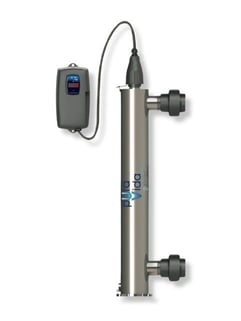
If you’re evaluating salt systems, ozone, UV, AOP, or simply changing how you use chlorine, the right sanitation strategy should do three things: keep swimmers safe, protect your finishes and equipment, and stay within warranty and code requirements. That balance is difficult to achieve with trial and error.
Consult with a certified specialist first. Cyanuric acid, chlorine type, circulation, and automation all interact. Under professional monitoring, your system is designed and adjusted as a whole: CYA is kept in range, chlorine remains effective, and surfaces, tile, and equipment are protected from silent long-term damage. Without that oversight, even a “better” system on paper can still lead to health risks, rising chemical costs, and denied warranty claims. If you’re ready to stop guessing and choose a sanitation plan that fits your pool, climate, and lifestyle, contact J Designs Pool & Spa.
Our certified team can provide precise water testing, ongoing maintenance programs, and expert guidance on advanced sanitation systems so your pool stays clear, safe, and enjoyable for years to come.
Curious about the safest, most effective service approach for your pool? Read: “Why Professional Service goes beyond Price”. To learn more about what to look for when hiring a Pool Service Company

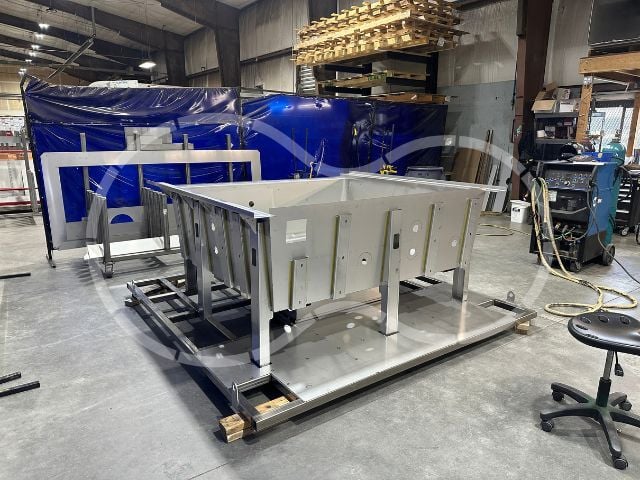 JC Escudero: Oct 1, 2026
When most homeowners picture a swimming pool, they probably picture a concrete or shotcrete structure built into the ground.
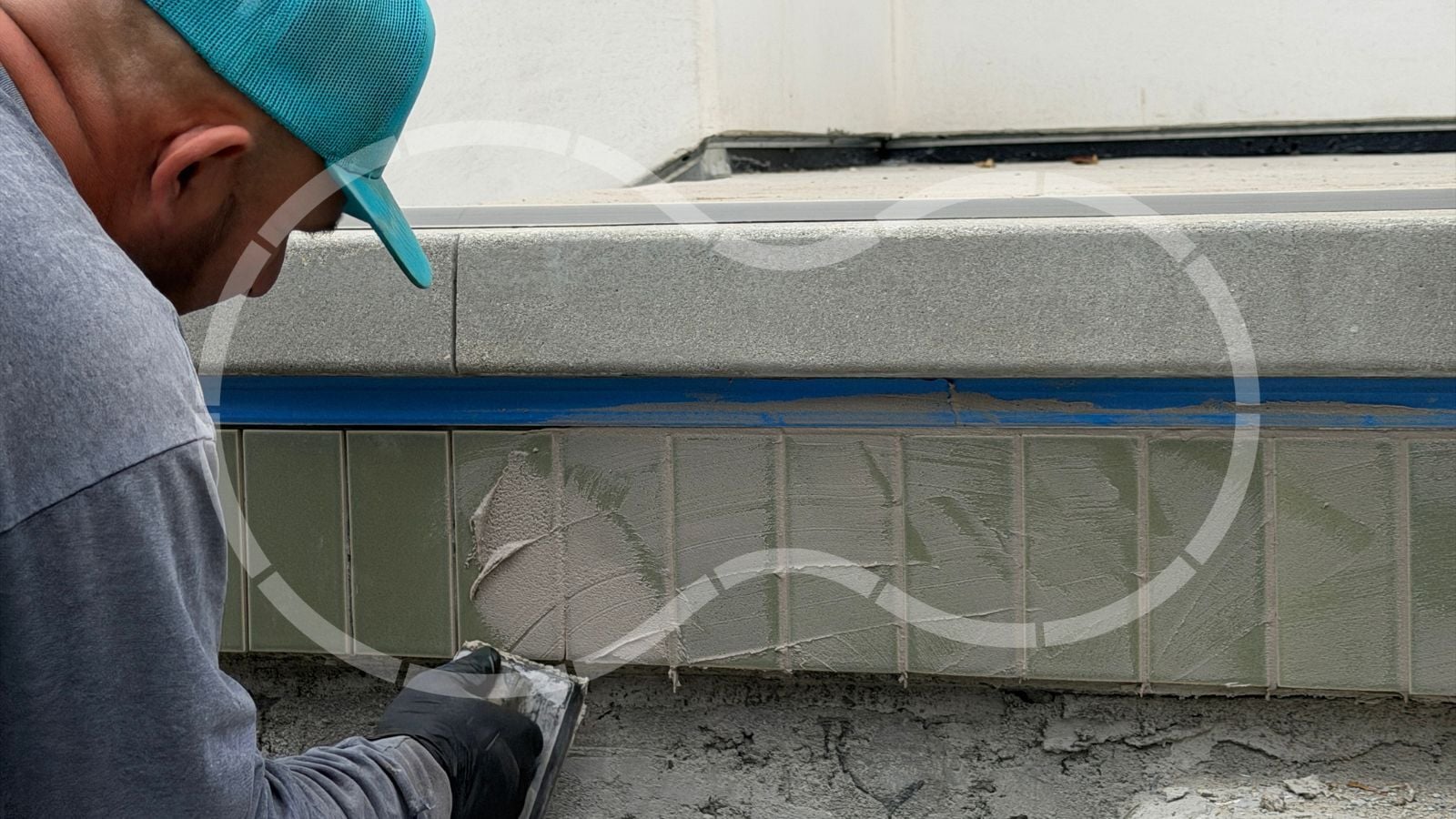 JC Escudero: Sep 26, 2026
When most homeowners choose tile for a swimming pool, they naturally focus on the tile itself: the color, shape, texture, and overall design, because...
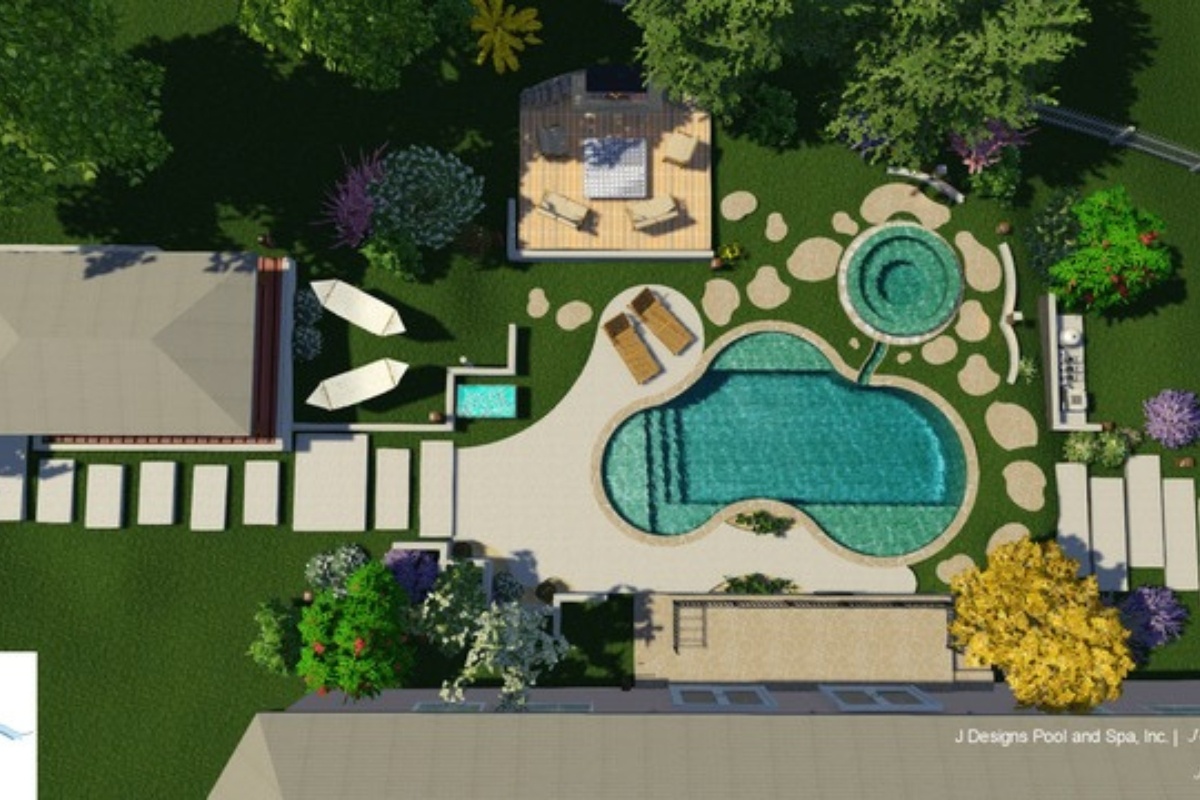 JC Escudero: Sep 23, 2026
Planning a custom pool involves dozens of decisions about shape, depth, materials, and features. Get one wrong, and you could face expensive rework...
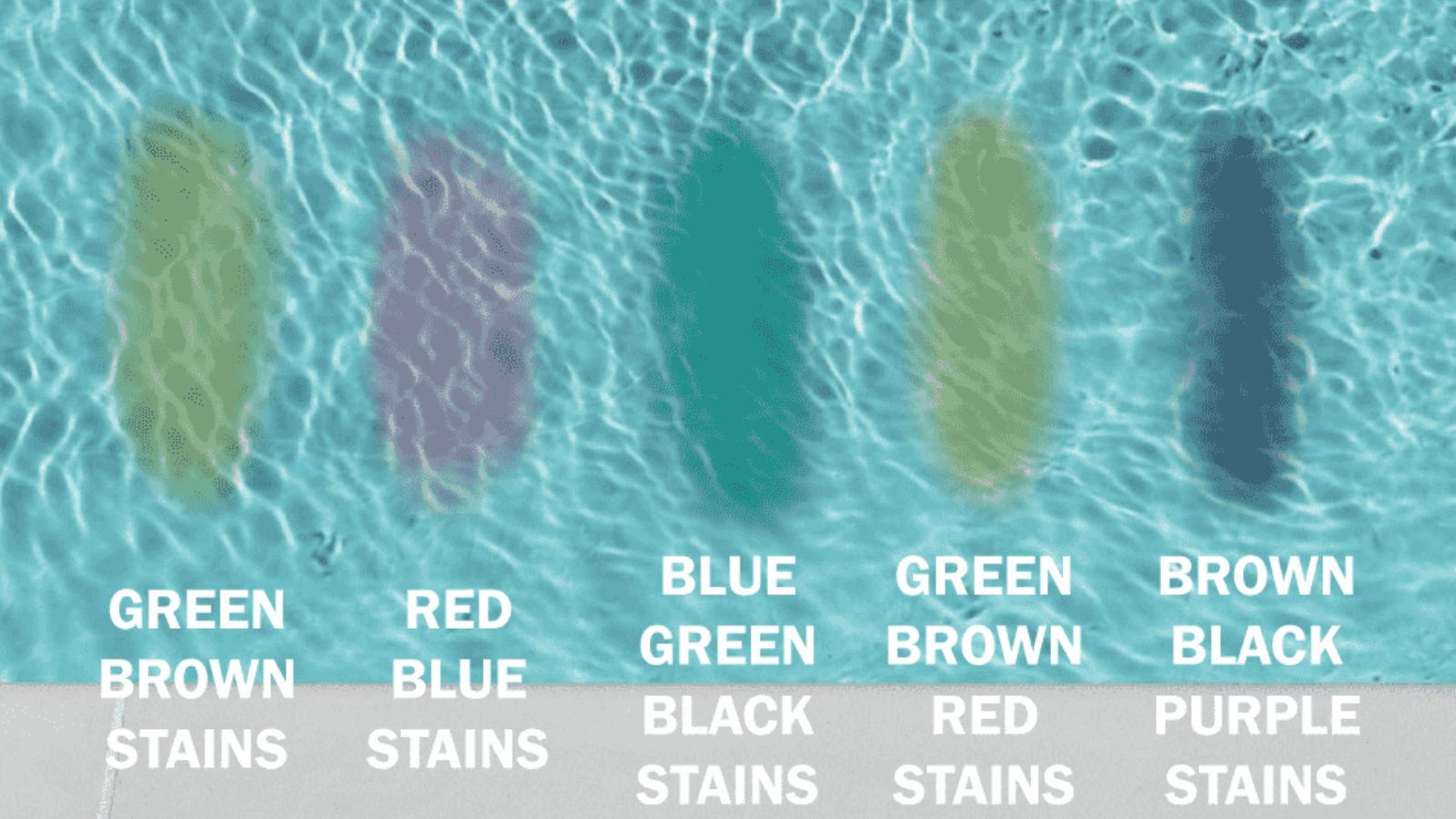 JC Escudero : Jul 17, 2025
Pool plaster stains ruining your pool? Learn how to identify, remove, and prevent stains from organic debris, metals, and poor water chemistry.
Want to save on pool chemicals? Learn how to calculate your pool volume and optimize pump run-time to keep water crystal-clear and costs low.
 JC Escudero : Mar 12, 2026
Learn why CO₂ pool systems gently control pH, reduce harsh acid use, protect plaster and equipment, keeping balanced water for eyes, skin, in Los...