
How 3D Pool Design Prevents Construction Mistakes
 JC Escudero: Sep 23, 2026
Planning a custom pool involves dozens of decisions about shape, depth, materials, and features. Get one wrong, and you could face expensive rework...
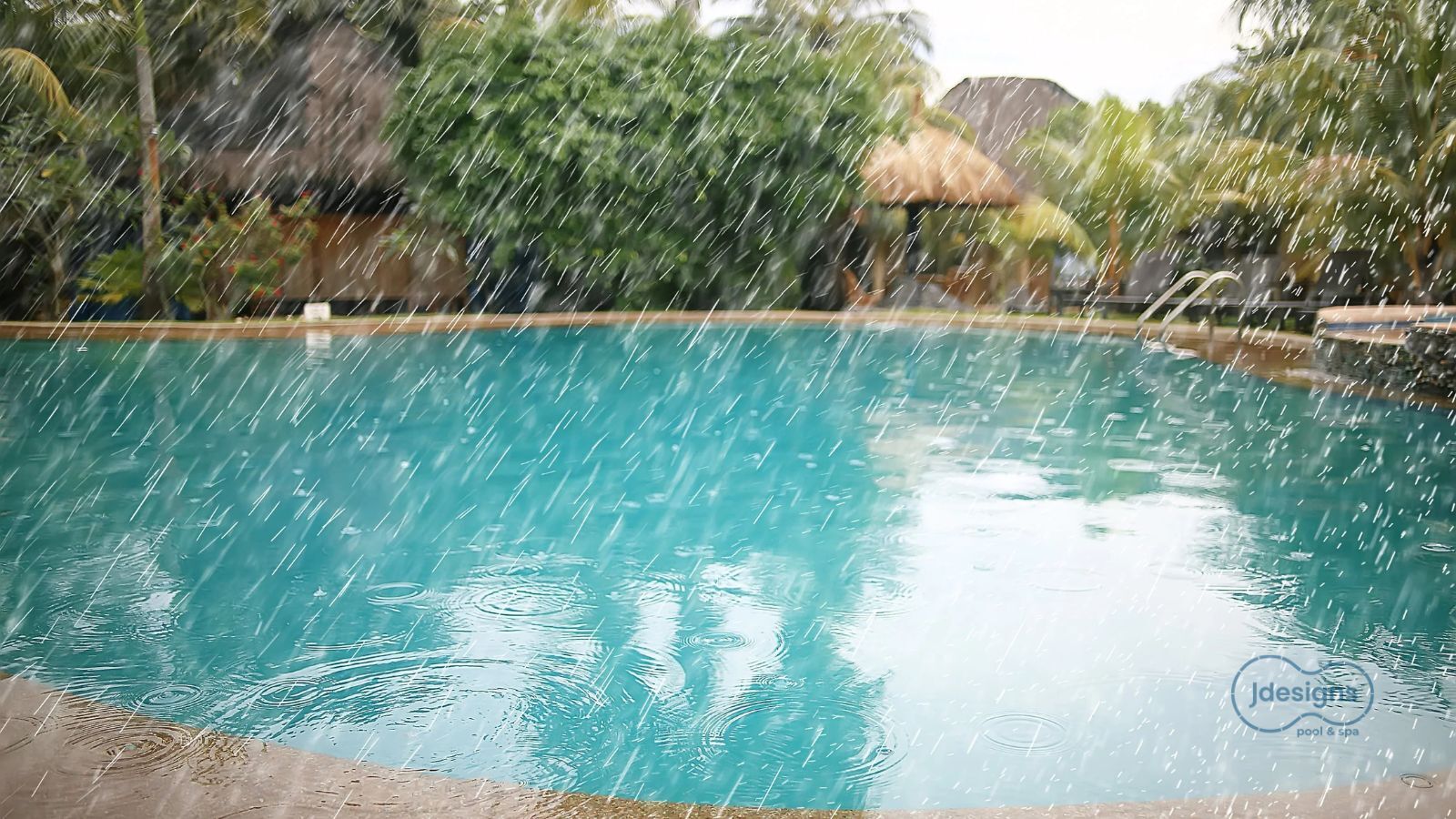
Has your pool ever overflowed during a heavy rainstorm, sending water into your yard, garden beds, or even toward your home?... or have you ever had to scramble before a storm to lower your pool’s water level to avoid a flood?
If you own a pool or are considering a home with one, especially if you plan to install one, this issue is more than an inconvenience. Pool overflow during storms can cause severe damage to your yard, your home’s foundation, and even your property’s long-term value. And while it’s a particularly common issue in older pools, new builds aren’t immune if drainage isn’t properly planned.
Here’s the good news: This problem is preventable.
In this article, you’ll learn:
Many older pools were built when stormwater management standards and requirements were less standardized and less stringent than they are today. As a result, they often lack the core infrastructure to handle overflow during a major downpour. Here are some of the most common design flaws we see in older pools:
The result? When it rains heavily, these pools cannot handle the volume. Water spills over the coping and flows wherever gravity takes it.
Pool overflow is not a maintenance issue; it’s a design and drainage issue.
.jpg?width=278&height=371&name=Drainage%20Vertical%20Blog%20Visual%20(3).jpg)
When a pool overflows, the water doesn’t just disappear; it follows gravity and can cause a surprising amount of damage in a short time.
Common consequences include:
Homes where the pool is elevated above the home, or where the yard slopes towards the house, are specially vulnerable.
without an overflow plan, even a short but intense storm can result in thousands of dollars in damage.

Many homeowners assume they have an overflow system, but most have never actually checked.
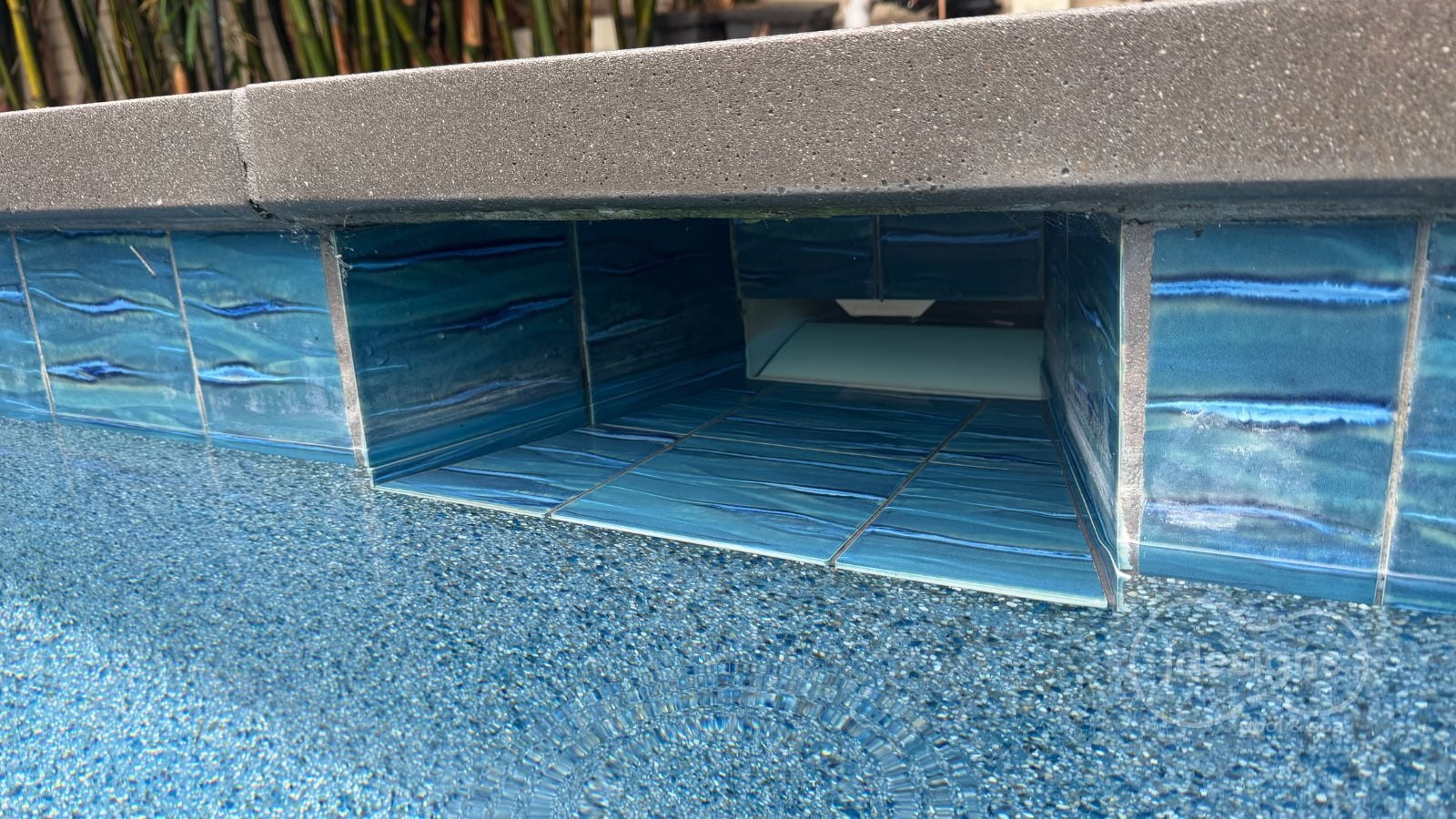
A proper pool overflow system:
What it’s not:
If you're unsure whether your pool has an overflow drain, get it evaluated, especially before storm season.
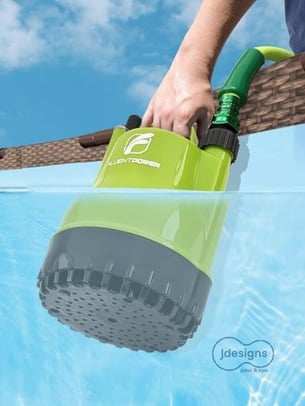
Not ready for a renovation? There are still temporary steps you can take to reduce the risk of overflow.
Short-term options include:
But be warned: Discharging pool water improperly can make flooding worse, mainly if it flows toward a neighbor’s property or back toward your home.
Always check where your discharge points flow. If the street level is higher than your yard, water may back up quickly. Don't forget that months of dust and summer sprinkler debris runoff can significantly clog your drainage system, and that cleaning it before a storm is recommended.
Even the best pool overflow system can’t function well if your yard’s drainage isn’t supporting it.
Here’s where we often see problems:
If any part of your drainage system is underperforming, water will find its own way out, and it may not be where you want it.
.jpg?width=235&height=313&name=Drainage%20Vertical%20Blog%20Visual%20(4).jpg)
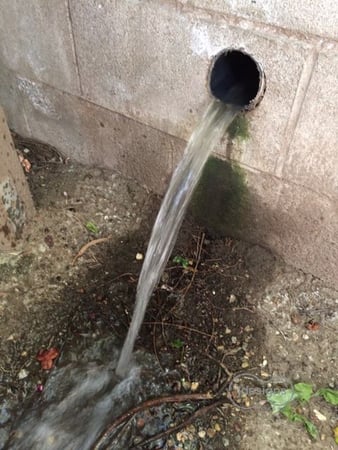
The single most common drainage failure occurs when what's not visible fails in your yard. Tree roots grow slowly but, over time, can entirely clog or damage underground drainage systems.
We see this all the time on older properties:
Routine inspection and maintenance of underground lines is critical to storm prep and long-term protection.
Think of a pool overflow system like a safety valve, one you hope you won’t need, but absolutely want in place when you do.
Here’s why:
If you’re building a new pool, don’t treat overflow as an add-on. It’s part of a complete drainage strategy.
If you’re buying a home with an existing pool, or planning to install one, make sure to ask the right questions about drainage.
Start with:
Ignoring these questions can lead to expensive surprises after you move in.
If a major storm is on the radar, here’s what every pool owner should do to reduce the risk of overflow and water damage:
Use your pool pump or a siphon to reduce the water just below the skimmer. This gives your pool the capacity to absorb 4-5 inches of rainfall without immediately overflowing.
Inspect and flush all deck drains, yard inlets, and grates near the pool and around the yard. Even partial clogs from leaves, mulch, or grass can slow drainage and increase the risk of flooding.
High winds during storms can drop leaves, twigs, and branches into your yard and pool. Trim overhanging branches and remove nearby plant debris before the storm.
Why this matters: Wind-blown greenery can clog area drains or block overflow outlets, significantly reducing water flow during critical moments.
One of the most overlooked steps: clear out your roof gutters before a storm. Clogged gutters can overflow and spill debris, including leaves, twigs, and roof grit, directly into the yard or into your pool.
Without cleaning, roof runoff can carry months of accumulated debris into the pool, turning stormwater into a muddy mess.
Many homes have roof gutters that are not connected to the yard’s drainage system. That means each gallon of roof runoff contributes to surface runoff, often overwhelming drains already struggling to keep up.
If your gutter downspouts discharge directly into the yard, driveway, or pool deck, consider installing extensions or redirecting them to proper outlets.
Even a well-designed yard drainage system can fail if it receives unexpected volume from roof runoff during a storm.
Keep a sump pump handy in case pooling starts to form. A wet/dry shop vac and outdoor extension cords can also help quickly remove standing water. If your home sits downhill from your pool, consider keeping sandbags or water barriers in storage.
These proactive steps won’t replace a dedicated overflow system, but they can reduce damage, extend your response time, and give your pool and yard the best chance to handle the storm.
After dealing with stormwater or pool overflow, it’s easy to feel frustrated, especially if damage could have been prevented. But now you understand what causes these issues and how to protect your home before the next big storm.
A pool overflow system, supported by solid yard drainage, is essential, not optional.
Your next step? Read our guide to residential drainage systems to see how yard grading, storm drains, and pipe design work together to protect your pool and your property.
At J Designs, we help homeowners create more innovative outdoor systems, ones that stand up to the weather, season after season.

 JC Escudero: Sep 23, 2026
Planning a custom pool involves dozens of decisions about shape, depth, materials, and features. Get one wrong, and you could face expensive rework...
 JC Escudero: Sep 19, 2026
Your pool's circulation doesn't simply begin at the pump.
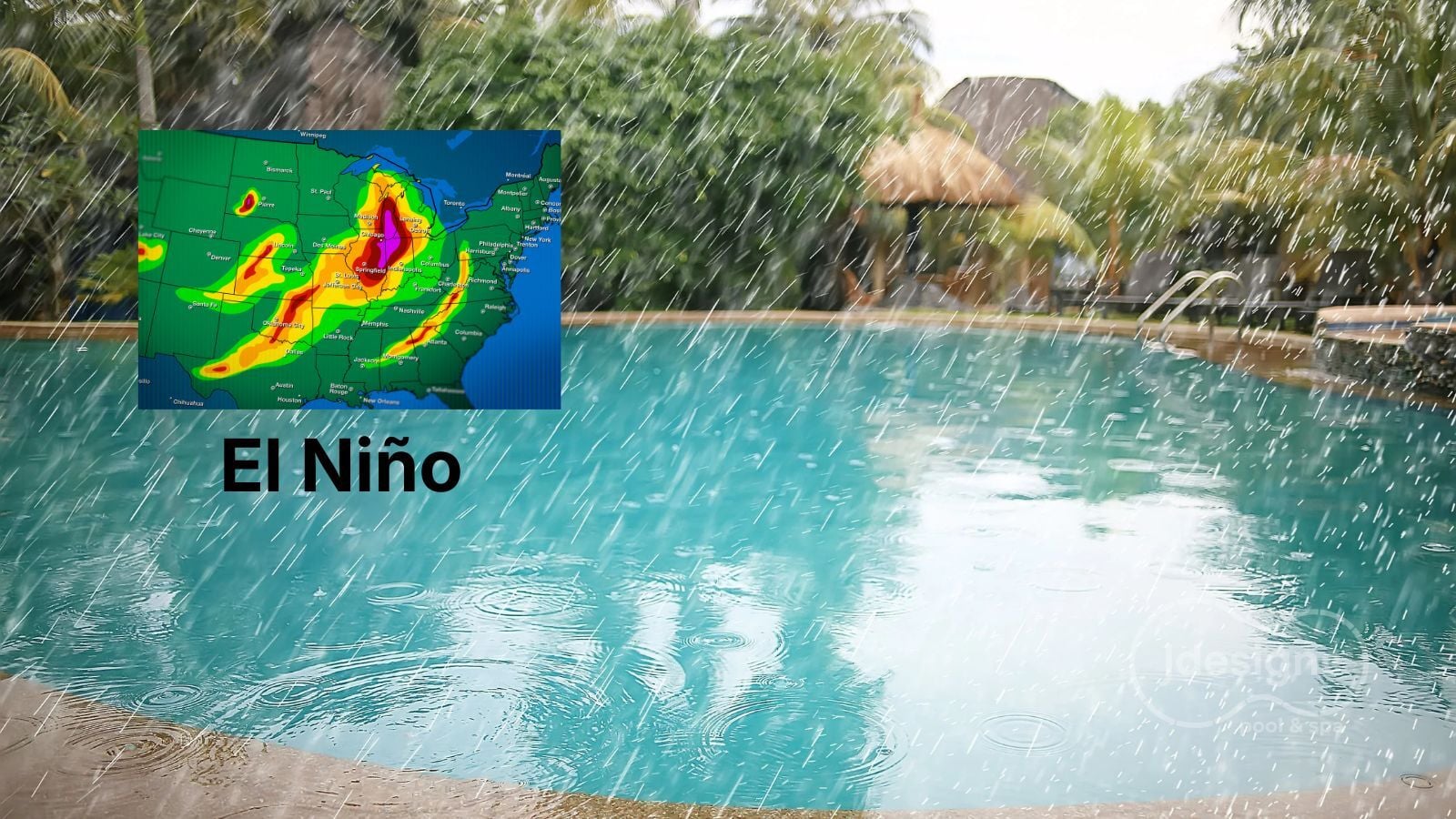
After heavy rain, don't automatically shock your pool or add chemicals. Test the water first.
 JC Escudero : Jan 3, 2026
Discover the top 2026 pool design trends, from shapes and colors to fire pits, acrylic windows, and smart tech. Get inspired to build your dream pool.
 JC Escudero : Feb 22, 2026
Discover how outdoor showers have become a must-have luxury for pools, and learn which design, placement, features are best for your backyard pool in...
 JC Escudero : Dec 10, 2025
Discover eco-friendly and luxurious LA pool designs. Make the optimal choice for your eco-conscious and upscale home. Find your ideal pool aesthetic...