2 min read

The Truth About Chlorine.

The Truth About Chlorine.

Chlorine-free pools are here to stay… Welcome to Ozone/UV

The problems commonly associated with chlorine are almost always the result of water chemistry issues that are generally traceable to improper chemical maintenance, testing, and dosing.

Itchy skin (a result of insufficient chlorine in the water), green hair (excess copper in the water), and burning eyes (improper pH or an inadequate chlorine concentration) are all a result of the formation of eye-irritating ammonia compounds. In fact, those are waste byproducts that are a result of not having enough chlorine in the pool. When that occurs, you might think (by smell) that it’s chlorine-related, but your nose is playing a trick on you. What you smell is ammonia residue and gasses (the combination of chlorine and bather waste - skin, deodorant, sweat, etc.) that make the water smell like chlorine bleach. Due to the lack of chlorine, these ammonia compounds become chloramines (organic compounds containing a chlorine atom bonded to nitrogen). This is why a swimmer “smells chlorine” on his or her skin after getting out of the pool. In reality, the odor is sweat combined with chlorine. When there is sufficient chlorine in the water, chloramines are not present.


Solutions Available


Chlorine-related issues have to lead the industry to find alternatives for a “chlorine-free” pool. Over the years saltwater pools have gained in popularity, but we now know they pose risks to the equipment and pool finishes. Additionally, as we discussed in our last blog, those systems are not maintenance-free and have unreliable and complicated electronics. (Are Salt Pools Better?)

The two main components needed for proper sanitation of water are 1- oxidation, 2- sanitation. While they’ve been on the market for some time, Ozone Generators, Ultraviolet Systems, and Metal Lionizers are some of the most common alternatives whose benefits are being given a close second look. Ozone specifically has more oxidizing power than chlorine.

Combining these systems works best. Ozone and UV together take charge of the complicated undertaking of breaking down all the various particles in the water allowing the chlorine to perform its sanitization job efficiently. The key is the amount of chlorine is so small that is undetectable to bathers. Today nano/microtechnologies are also available.

The combination of these systems makes the water literally drinkable and optimal for bathers (even for people with skin problems and major allergies) eliminating all the chlorine-related issues.


The benefit of Ozone and UV as the Alternatives

Ozone combined with UV eliminates countless biological contaminants efficiently, including Staphylococcus, Cryptosporidium, E. coli, Legionella pneumophila, Zica, and West Nile virus, as well as human and animal (those swimming dogs) pathogens carried in the blood, saliva, feces, urine, sweat, etc.

So the alternatives to a chlorine-free pool are these systems with manual or electronic dosage dispensers that, in very small quantities, dispense (undetectable to humans) the proper amount of chlorine that will result in a real Chlorine-Free pool.

How it works – UV. As water circulates thru the equipment in a UV chamber a high-energy light destroys germs and bacteria before the water is returned to the pool.

How it works – Ozone. Not only do Ozone generators destroy germs and bacteria as stated above, but they’re also powerful sanitizers in breaking down foreign particles (makeup, lipstick, suntan lotion, shampoo, etc.).

How 3D Pool Design Prevents Construction Mistakes

How 3D Pool Design Prevents Construction Mistakes

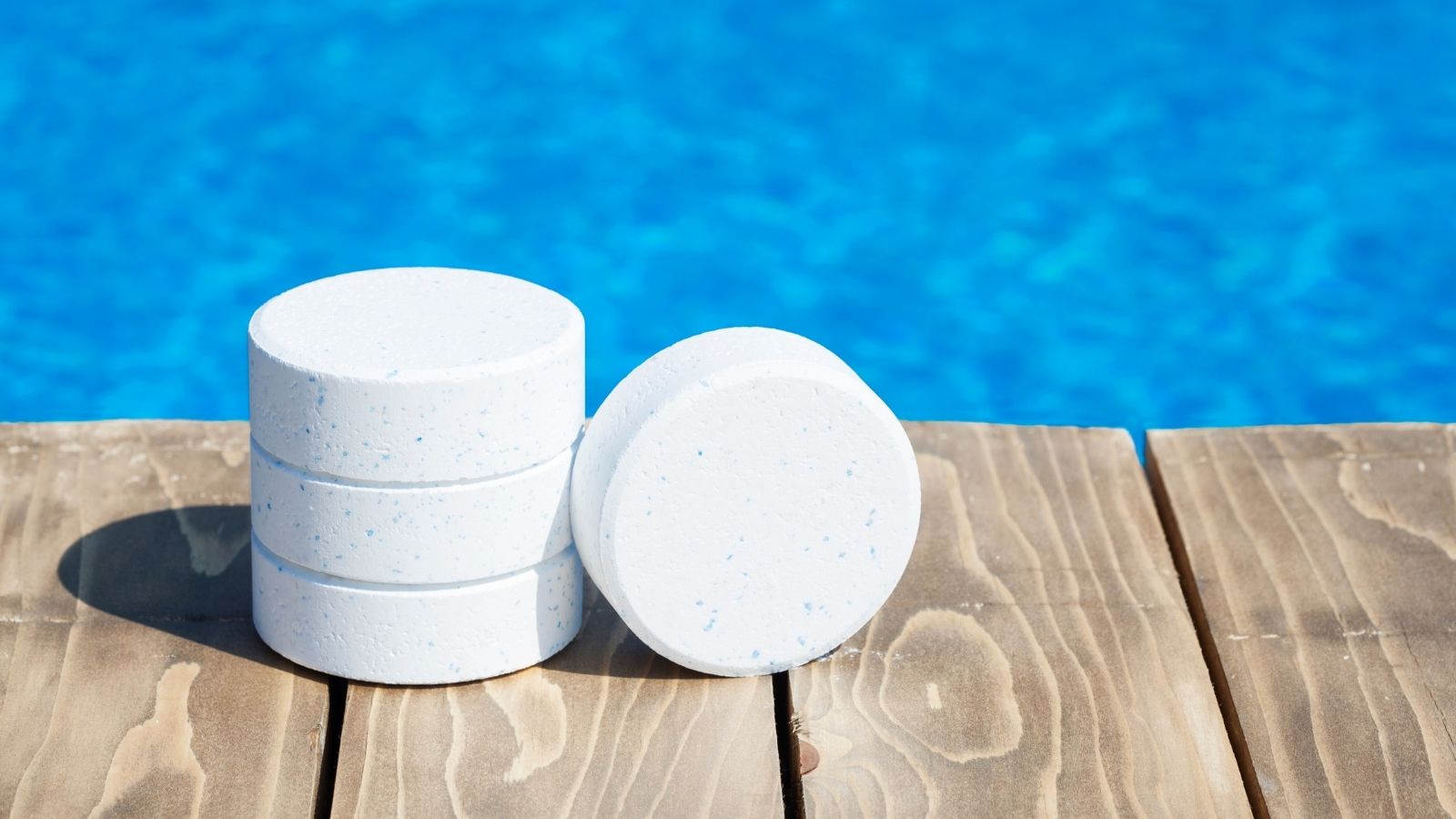
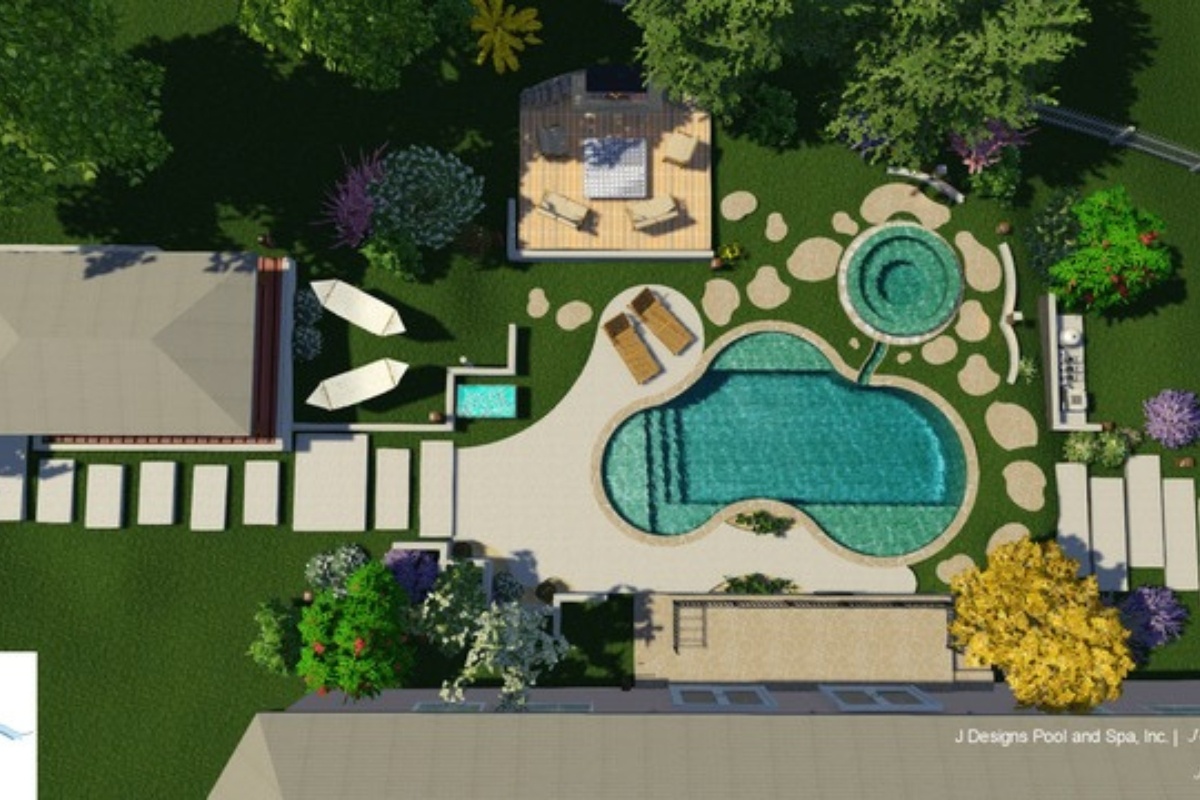
Planning a custom pool involves dozens of decisions about shape, depth, materials, and features. Get one wrong, and you could face expensive rework...
Read More
What Is a Pool Skimmer? How It Works and Why It Matters

What Is a Pool Skimmer? How It Works and Why It Matters

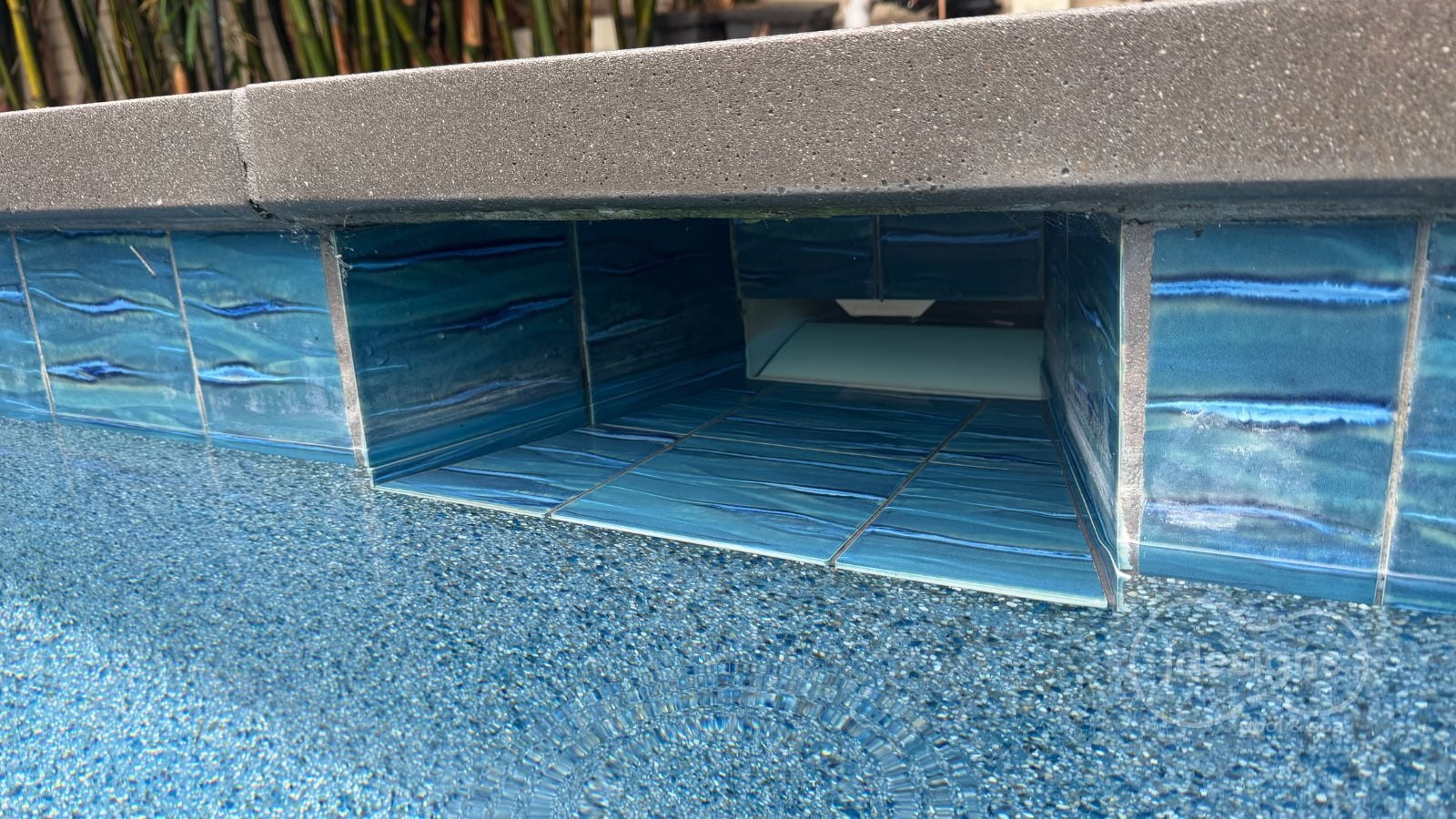
Your pool's circulation doesn't simply begin at the pump.
Read More
What Heavy Rain Can Do to Your Pool and What to Check Next

What Heavy Rain Can Do to Your Pool and What to Check Next

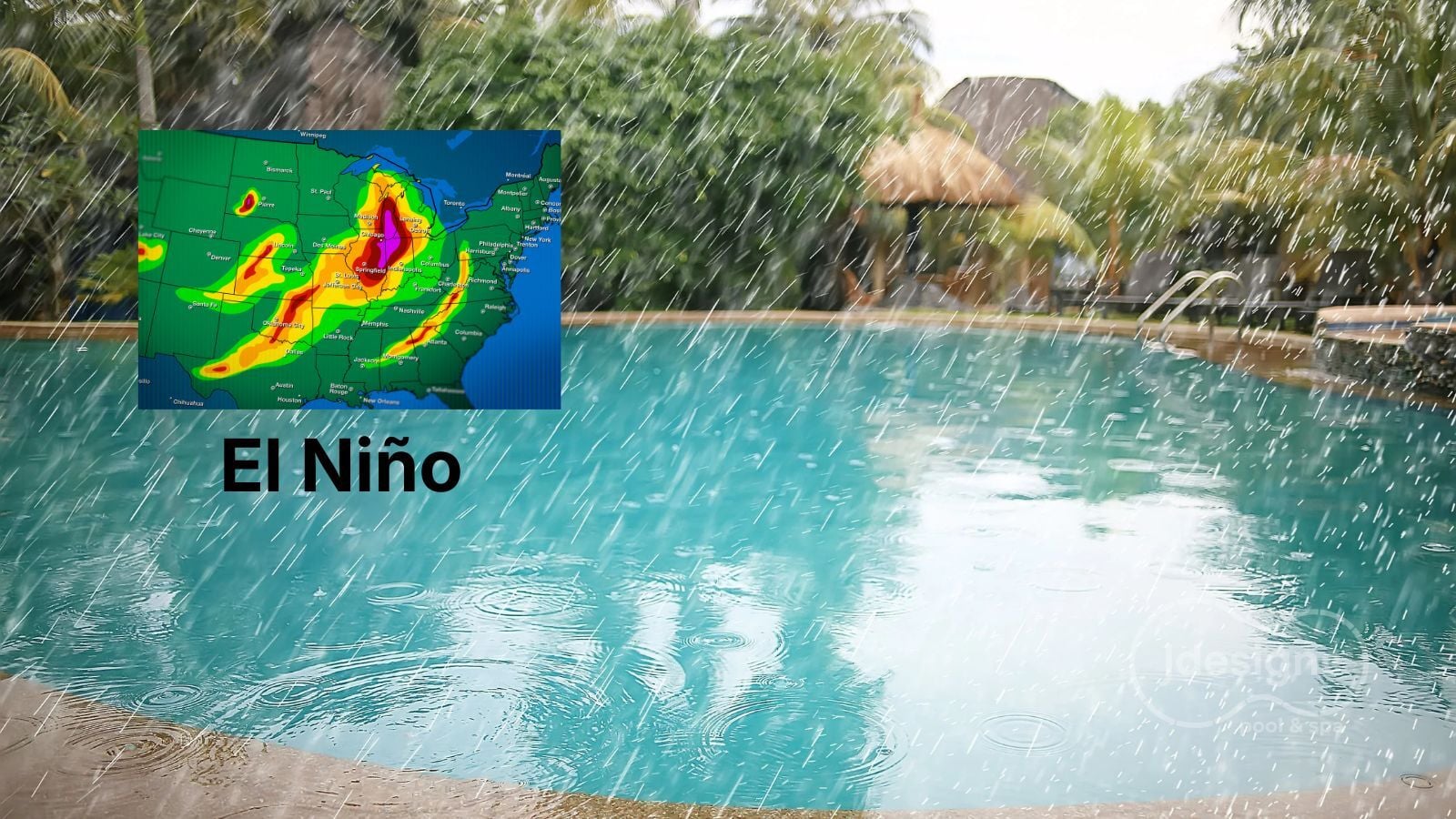
After heavy rain, don't automatically shock your pool or add chemicals. Test the water first.
Read More
How Much Does an Ozone Pool System Cost? + Long-Term Savings

How Much Does an Ozone Pool System Cost? + Long-Term Savings

Uncover the cost and savings of ozone as an alternative pool sanitation solution. Learn how this investment leads to long-term gains and cleaner...
Read More
ALTERNATIVE POOL SANITATION SOLUTION: Ozone Generators & How They Work

ALTERNATIVE POOL SANITATION SOLUTION: Ozone Generators & How They Work

Discover the sustainable solution for pool sanitation with ozone generators. Learn how they work and why they are becoming a favorite among...
Read More
How to Restore Pool Water After a Wildfire: Step-by-Step Recovery Guide

How to Restore Pool Water After a Wildfire: Step-by-Step Recovery Guide

Wildfires leave pools contaminated with ash and toxins. Learn how to restore your pool water with proper filtration, chemical balancing, and safety...

Read More