
Stainless Steel Pools in Los Angeles: When Do They Make Sense?
 JC Escudero: Oct 1, 2026
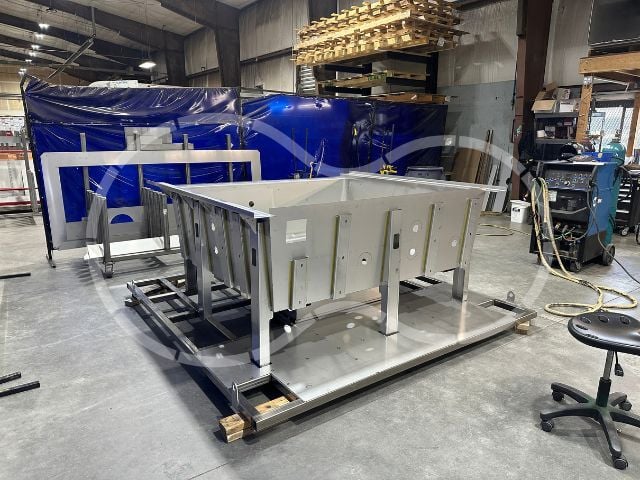
When most homeowners picture a swimming pool, they probably picture a concrete or shotcrete structure built into the ground.
Our stance toward saltwater pools can be summed up with a quick glance at salt’s symbol on the periodic table: “Na.”
There’s a longstanding idea that saltwater pools are the more “natural” and environmentally friendly option. That belief, while popular, often overlooks what’s happening to your pool’s structure, finishes, and equipment over time, especially in a high-end residential setting.
At J Designs Pool & Spa, we have more than 17 years of experience designing, building, and remodeling luxury pools with a wide range of sanitation systems. Over hundreds of projects, we’ve seen how different systems perform in real backyards, on real concrete shells, under real Southern California conditions, not just in marketing brochures.
We don’t want a sanitation system quietly undermining your pool’s structural integrity or prematurely aging your investment. So in this article, we’re going to deconstruct the overly favorable view of saltwater generators and explain why they often aren’t a good fit for long-term, design-forward pools.
Our goal is to outline the lesser-known problems with saltwater pools so you can make a clear, informed decision about how to protect your pool, your finishes, and your property value. And while every sanitation system still requires regular professional maintenance and water testing, some systems are more forgiving and protective of your structure than others.
There’s a common misconception that saltwater systems are a clean break from “chlorine pools.” In reality, saltwater pools are still chlorine pools; salt is sodium chloride, and the system’s job is to convert that salt into chlorine. The main difference is how chlorine enters the water. With a salt-chlorine generator, you add salt to the pool, and the cell converts a portion of that salt into chlorine through electrolysis. It feels more “automatic,” but the chemistry at the end of the process is still chlorine in the water.
For homeowners who value beautiful, long-lasting finishes, glass tile, premium plaster, pebble, and custom details, the surrounding water chemistry is critical. To realistically achieve 20–25 years of life from a finish, the water must be kept in balance week after week, season after season. In our experience, this is often more challenging with salt systems because the generator can give a false sense of “set it and forget it.” At the same time, the water still needs hands-on, professional oversight.
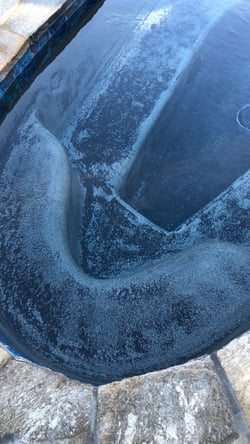
Pool finishes are thin, carefully applied coatings bonded to the concrete shell. Their lifespan depends heavily on maintaining water within a tight chemical range. When pH, alkalinity, or calcium hardness drift too far in either direction, the water becomes either “aggressive” (etching and dissolving material) or “scale-forming” (depositing material). Because your finish is constantly submerged, even slight imbalances over time can translate into visible damage.
To keep water within that safe window, pool professionals rely on tools such as the Langelier Saturation Index (LSI). This index evaluates pH, alkalinity, calcium hardness, temperature, and total dissolved solids to show whether water is in balance, corrosive, or scale-forming. This kind of disciplined monitoring is especially important with salt cells, which need consistent conditions to produce the right amount of chlorine and to avoid damaging the cell plates themselves.
As Aqua Magazine notes, maintaining the correct salt concentration is a balancing act: “Too much salt can increase the potential for corrosion and also make the water taste and feel more like seawater (salt residue on the skin after leaving the pool). On the other hand, too little salt can result in decreased cell efficiency (lower chlorine production) and shorter electrode life… salt will only have to be replaced after repeated backwashing, splash out or when partially draining and refilling.”
Translation: if the water isn’t monitored and adjusted correctly, a salt system can make it easier for things to drift out of balance without you realizing it.
Professional, routine water testing and adjustment are non‑negotiable with any sanitation approach. With salt systems, however, you’re managing not just chlorine levels but also salt concentration, cell output, and the added impact of higher dissolved solids on your finish and equipment.
Saltwater pools, which operate with significantly higher salt content than traditionally chlorinated freshwater pools, can contribute to both surface wear and deeper structural concerns if not managed carefully. For luxury pools with premium finishes, custom details, and complex structures, these risks need to be understood up front, not discovered after damage appears. Salt in solid form is stable. The challenge begins once it’s dissolved and circulating in the pool water. When salt levels run high or water balance is off, that salty, chemically active water can interact with cement-based materials and metals in ways that accelerate deterioration.
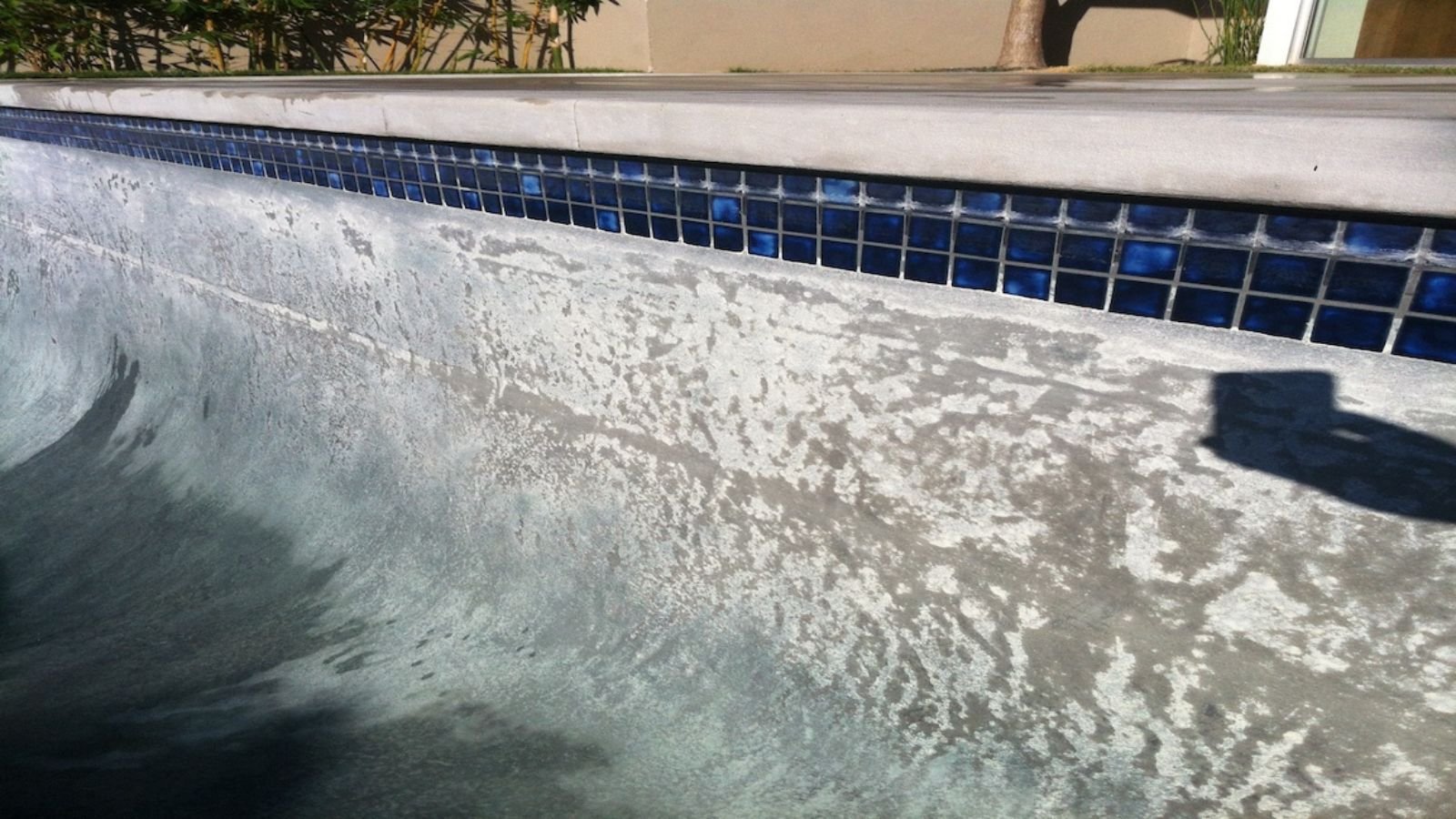
High salt and imbalanced water can affect the solubility of calcium carbonate, the backbone of many cementitious finishes. When water becomes “hungry” for calcium, it will try to satisfy that need by pulling calcium out of the plaster or cement surface. The result can be rough, etched finishes, exposed aggregate, and areas that are more porous and vulnerable to staining. Aggressive water also makes it easier for algae and other contaminants to anchor into the surface, creating discoloration that can be difficult and costly to remove.
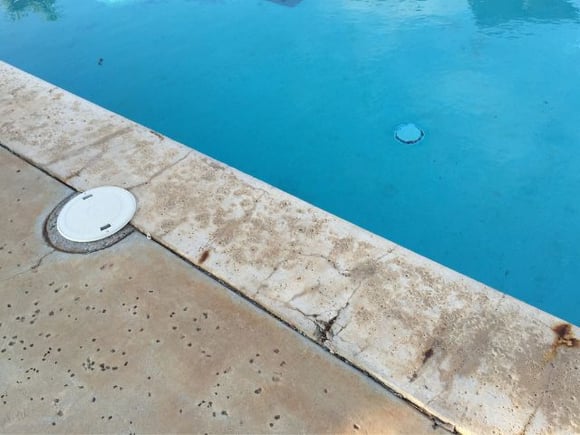
Over time, the impact doesn’t always stop at the surface. Salt-laden, aggressive water can work its way through hairline cracks and imperfections inherent on the surfaces, moving toward the underlying concrete shell and, if conditions are neglected long enough, eventually the steel reinforcement. While not every saltwater pool will experience structural damage, the combination of salt, poor balance, and time can increase the likelihood of more serious and expensive repairs.
These concerns have prompted industry organizations and manufacturers to issue clear warnings, not bans. Groups such as the NPC (National Plasterers Council) NPC and the ACI (American Concrete Institute) have adopted guidelines and best practices that limit or discourage and condition the use of salt in specific applications, particularly on more delicate or high-end surfaces.
Again, every pool, regardless of sanitation method, depends on regular, expert maintenance to protect finishes and structure. The difference is that with salt systems, the margin for error can be smaller, and the long‑term cost of those errors can be higher on a luxury pool.
Draining a saltwater pool isn’t as simple as dropping a pump in and sending the water to the street. In Southern California, it can feel more like a steep hike up Runyon Canyon than a casual stroll. Local regulations in many environmentally conscious cities and counties have tightened around discharging pool water, especially when that water contains elevated salt levels.
Municipalities are working to protect storm drains, creeks, and coastal waters from pollutants, and dissolved salts are part of that conversation. Saltwater pool discharge can disrupt freshwater and low‑salinity ecosystems by increasing salt levels beyond what plants and aquatic life can tolerate. Some cities, such as Oceanside, require pool water to be dechlorinated before it can be released, and additional restrictions can apply when salt levels are involved. Beyond waterways, salty pool discharge can also damage landscaping, trees, and soil structure on your own property and neighboring areas.
The City of Ventura Public Works puts it plainly: “Saltwater swimming pools and spas are prohibited and illegal to be drained to the storm drain system/street or sanitary sewer system. Local creeks and rivers are very sensitive to salt concentrations and discharges can cause serious damage and even kill plants and animals downstream. Disposal of saltwater swimming pool and spa water must be hauled via truck to a proper waste facility.”
In practice, that means a saltwater pool can require more planning and cost to drain responsibly, and in some jurisdictions, you may need to arrange for specialized hauling to an approved disposal facility.
For homeowners who care about environmental impact and compliance, as well as avoiding fines, this is an important part of the decision. It’s worth noting that any pool, salt or otherwise, must be drained carefully, in accordance with local codes, groundwater conditions, and structural considerations. However, salt systems add another layer of complexity and potential cost when it comes time to refresh water or correct serious chemistry problems.
So, are saltwater pools worth it? For many of the luxury, detail‑driven projects we design and care for, our answer remains anchored in the chemistry we started with: “Na.” Salt systems gained popularity decades ago by leaning into the perception that they were softer on skin and more “natural.”
In reality, there are still chlorine pools as the salt cell creates Sodium Chloride, a less aggressive form of Chlorine.
For some homeowners, that story still sounds appealing at first glance. But when you look past the marketing and consider surface protection, long‑term structural health, equipment longevity, environmental regulations, and real maintenance requirements, the picture becomes much less attractive, especially for high‑value custom pools. As seasoned pool builders and maintenance professionals, we consistently advise our clients to think very carefully before choosing salt generators for their investment. Even newer “low-salt” versions still introduce dissolved salt into the system and typically come with manufacturer guidelines that acknowledge the risk to new surfaces. Most salt manufacturers, for example, recommend waiting at least 30 days often longer, after new plaster or a major resurfacing before adding salt, because they understand what salt can do to curing cementitious finishes.
That recognition supports the core of our position: saltwater systems can accelerate wear on pool surfaces and components if not managed extremely carefully, and there are more protective ways to keep water clean and inviting. Every pool, regardless of sanitation method, needs ongoing professional care, regular testing, and thoughtful adjustments. When you’re building or remodeling a luxury pool intended to last for decades, the sanitation system you choose should work with your finishes, equipment, and local environment, not against them.
The good news is that there are better alternatives that have been around for decades. Check out the articles below for more information on different pool sanitation systems!
WHAT'S AN OZONE GENERATOR? AND WHY IT'S GREAT FOR YOUR POOL
 JC Escudero: Oct 1, 2026
When most homeowners picture a swimming pool, they probably picture a concrete or shotcrete structure built into the ground.
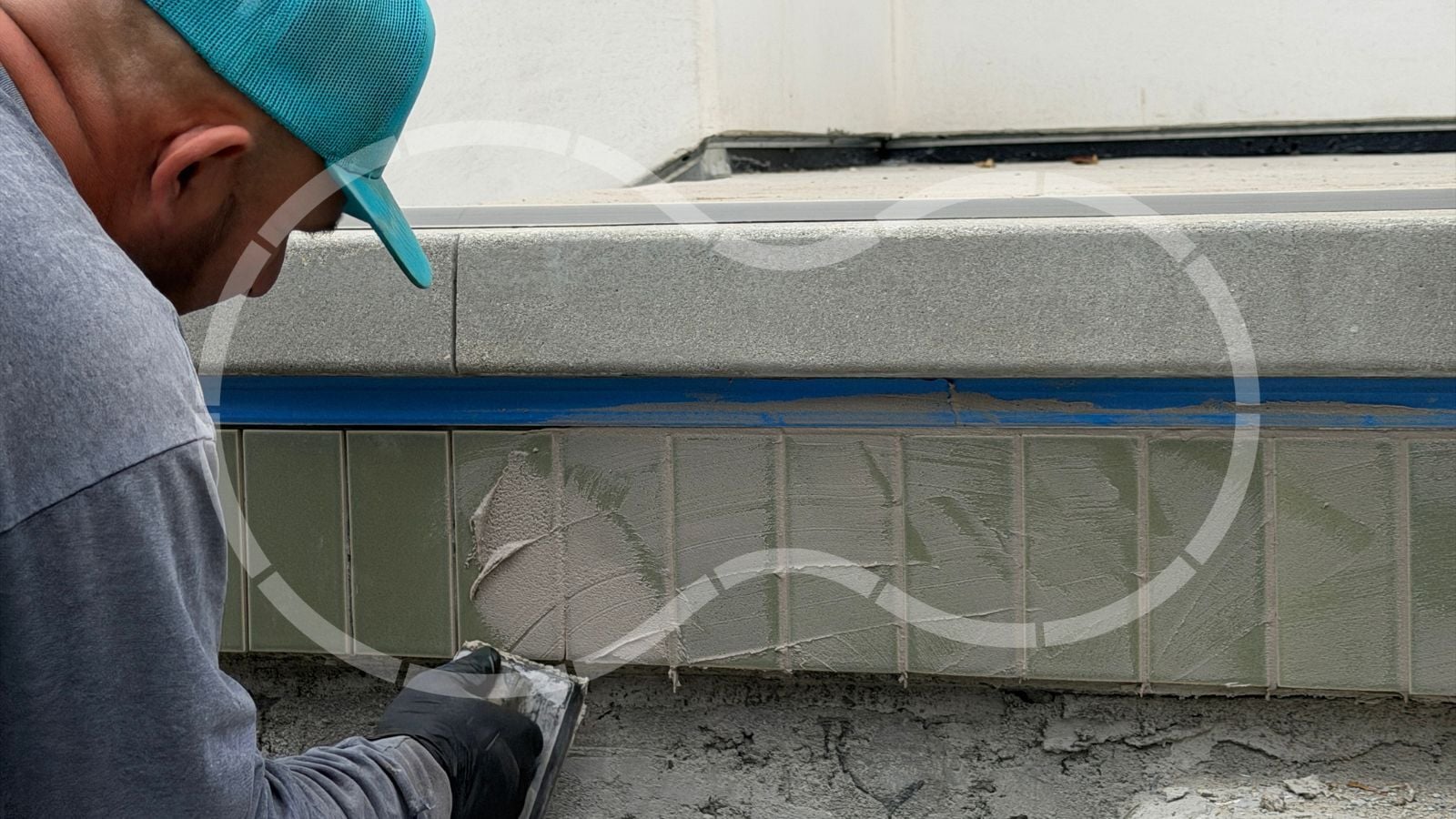 JC Escudero: Sep 26, 2026
When most homeowners choose tile for a swimming pool, they naturally focus on the tile itself: the color, shape, texture, and overall design, because...
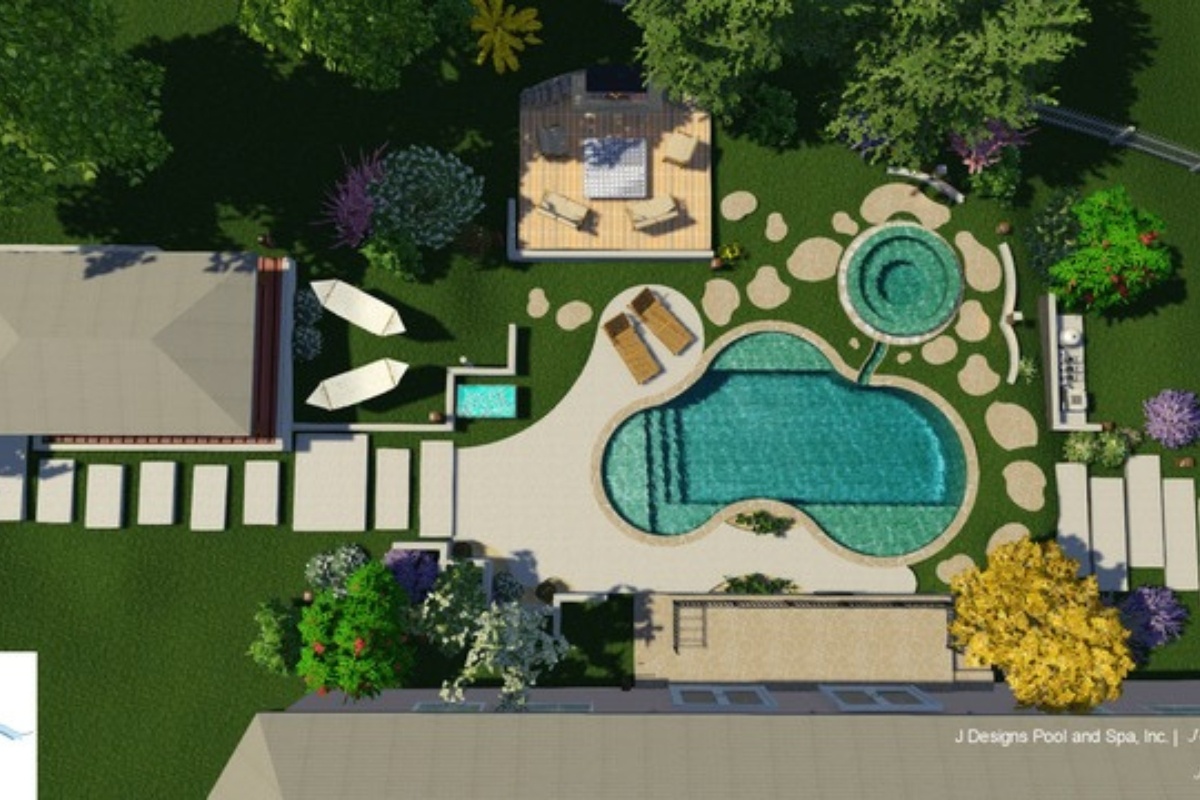 JC Escudero: Sep 23, 2026
Planning a custom pool involves dozens of decisions about shape, depth, materials, and features. Get one wrong, and you could face expensive rework...
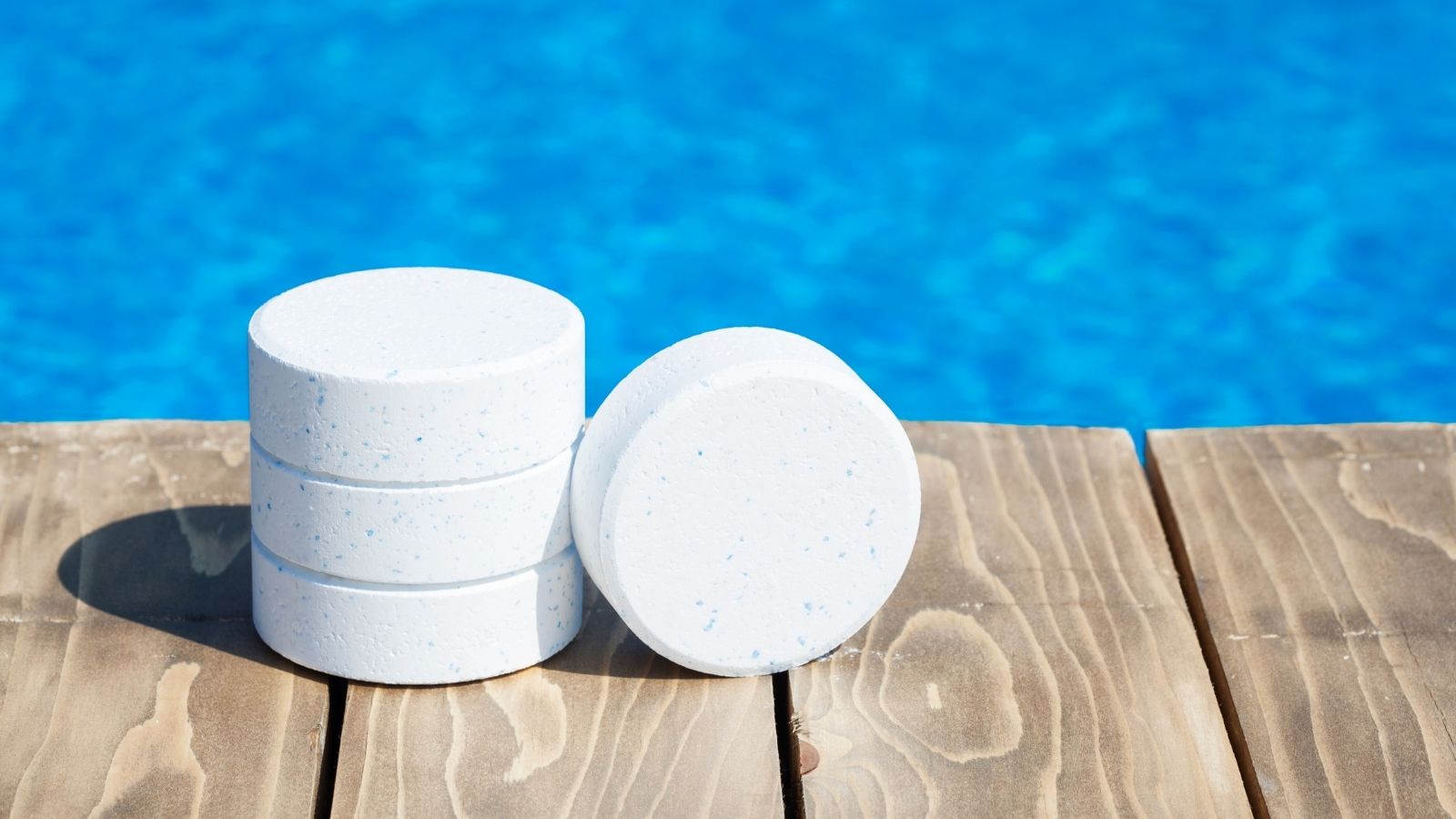 JC Escudero : Apr 7, 2020
why ozone pools better than saltwater pools, uv ozone systems are better for skin, drinkable water from a swimming pool
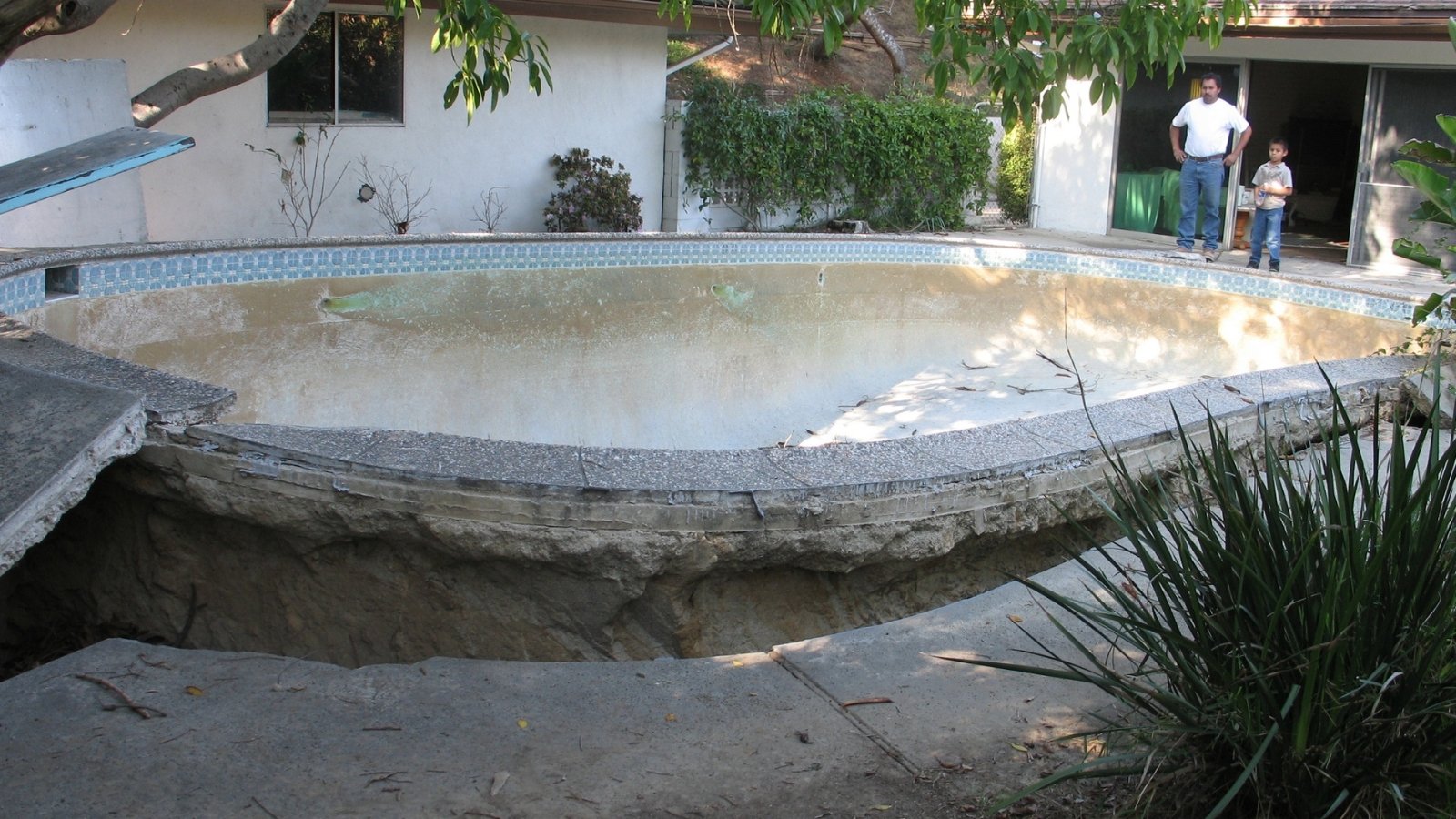
 Daniela Escudero : Mar 25, 2024
Discover why draining your pool can be risky and learn about alternative maintenance options to protect your pool's integrity and longevity.
Serving Los Angeles homeowners with VGB-compliant pool design and inspections. J Designs and Poolwerx help keep your pool safe and fully compliant.